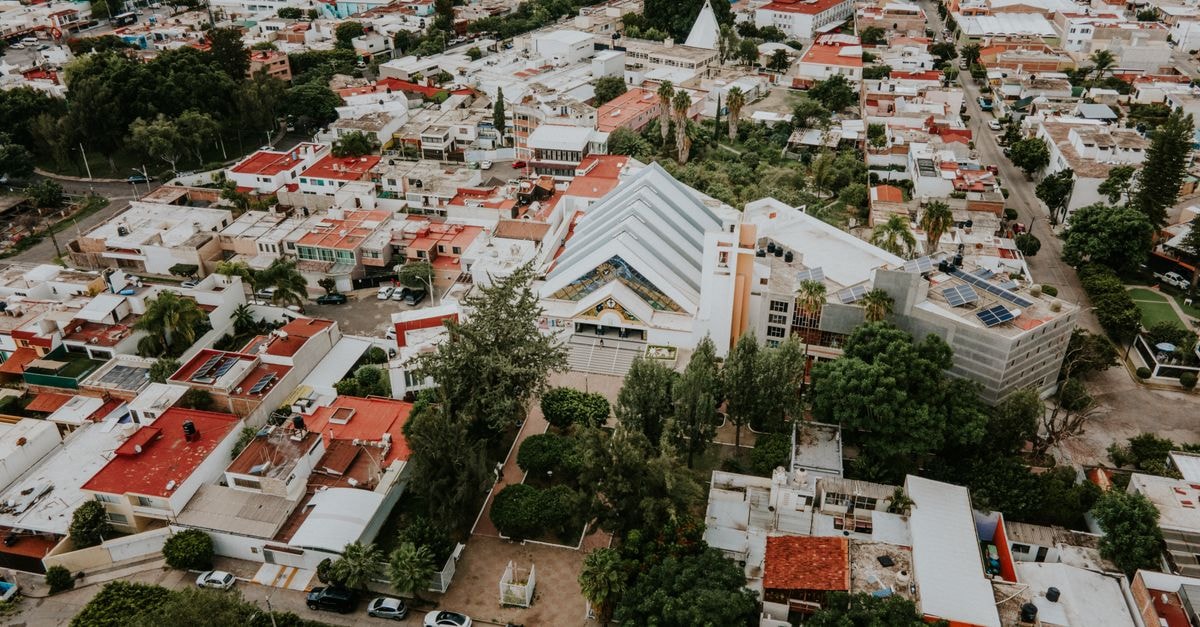
A Small City with a Long Historical Shadow
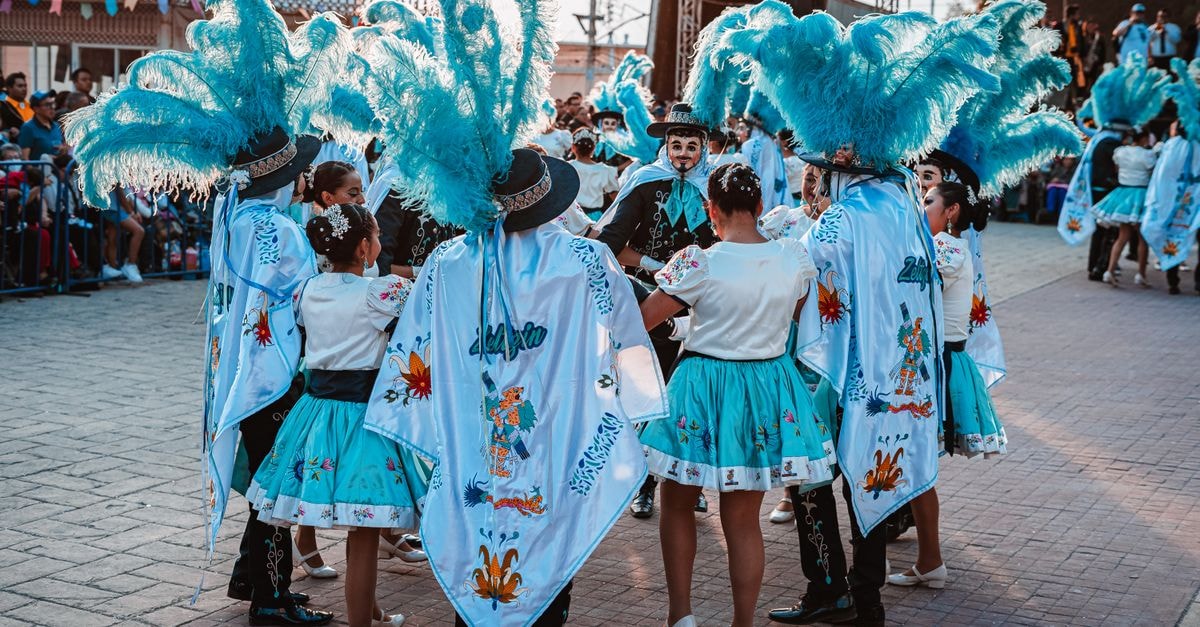
Tlaxcala City rewards travelers who want to look beyond a quick stop and connect art, food, and history. Its identity is shaped by Nahua lordships that allied with Cortés and, in doing so, altered the course of the continent. That story gives the city a distinctive historical presence despite its compact scale.
The best way to approach Tlaxcala is through a few strong interests: pre-Columbian murals, local market flavors, and the legacy of a politically important Nahua society. If you prefer places where historical significance is woven into the everyday visitor experience rather than isolated from it, Tlaxcala may suit the way you travel.
Pre-Columbian Murals Worth Making Time For
Cacaxtla and Xochitecatl are two notable stops for travelers following the city’s pre-Columbian art. Both are known for their pre-Columbian murals. Rather than treating them as a single checklist, consider them as complementary experiences in the same historical story.
For a quieter pace, give each site enough time to look closely and follow the interpretive material available on site. Availability, guided-tour times, and accessibility details are not established in the available travel information, so check official channels if those details are important to your visit.
Local Markets and the Flavors of the Day
Local markets offer another way to explore Tlaxcala. They sell pulque and brightly spiced mole food. Food enthusiasts may enjoy the chance to sample local products in the setting where they are sold. Pulque has a strongly distinctive character, while the mole’s bright spice profile gives the market another point of appeal. If you prefer trying food connected to local culture, consider leaving room in your itinerary for the markets rather than treating them as a brief detour.
The evidence does not identify individual vendors, dishes beyond those named, market days, prices, or payment methods. A market visit is therefore most useful as a flexible opportunity to explore, not as a guaranteed tasting itinerary. Ask about ingredients and preparation if you have allergies or dietary restrictions, and confirm current vendor details locally before relying on any specific stall.
A Compact Highland Base for Exploring Tlaxcala
Tlaxcala is Mexico’s smallest state by area: a small, landlocked highland territory in central Mexico bordering Puebla. That compact scale can appeal to travelers who prefer concentrating their time on a few meaningful experiences instead of spreading a visit across a large area.
The city’s historical connection to Nahua lordships adds another layer to that sense of place. This was not simply a backdrop to later events; Nahua leaders allied with Cortés, and their decision helped alter the continent’s fate. For visitors interested in the meeting of Indigenous power and the Spanish conquest, Tlaxcala offers a focused place to begin exploring that history.
Because the supplied information does not describe a specific visitor transport network, station, taxi system, or walking route, it is best not to build precise logistics from assumption. If reduced movement between sights is a priority, verify how visitors are expected to reach Cacaxtla and Xochitecatl before finalizing plans. The compactness of the state should not be mistaken for proof that every journey is short or effortless.
Where Art and History Fit Together
This guide is especially suited to travelers whose main interests are pre-Columbian art, archaeology, and culturally grounded food experiences. The pre-Columbian murals at Cacaxtla and Xochitecatl and the pulque and brightly spiced mole sold in local markets offer two complementary ways to engage with the city. The history of the Nahua lordships gives both experiences a larger historical context.
A balanced visit can therefore be shaped around three questions: what the murals reveal, what the markets taste like, and how Nahua political choices shaped the city’s place in Mexican history. Those interests are supported directly by the available destination evidence. They also allow for a more meaningful visit without inventing restaurants, routes, timetables, or other details that may change.
Before departure, check official information for current site access, tour arrangements, market conditions, and transportation. Factual travel conditions can change, and official channels should be confirmed close to the time of your visit.
Share this article
TOOLS FOR THIS PLAN
Make the Tlaxcala City plan measurable
Choose a tool only when it answers the next question in your trip. Your values stay in the browser, and each tool offers a route back to this planning context.