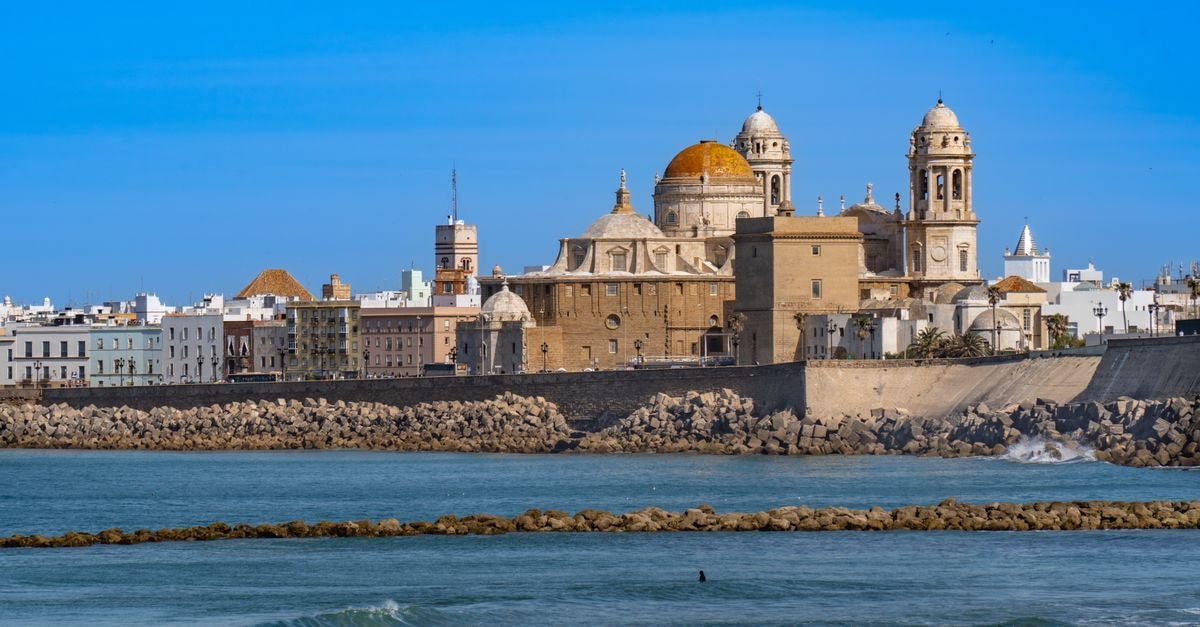
Arriving in Toledo

Toledo has the kind of layered skyline that invites you to slow down before you even start exploring. Stone buildings stacked along the Tagus river, domes catching the light, and a sense that the city rewards visitors who plan their rhythm rather than race through a checklist. Because Toledo sits on a hill and the historic core is compact, the arrival itself shapes how the trip feels, especially in warm months when the sun pushes you to seek shade.
If you are coming by rail, the train offers a comfortable entry into the region, and from the station you can take a local bus or use the outdoor escalators to reach the center. That mix of options is useful for travelers with luggage, because the climb up to the old town is steeper than it looks on a map.
Weather and seasonal context
A useful framing, rather than a forecast, is to plan your outdoor hours around the temperature curve rather than the clock. Cathedral visits, museums, and cave-like taverns become the natural midday anchors, while open viewpoints and riverside walks suit the early morning or the hour before dinner. Layered, breathable clothing earns its space in any bag because the contrast between direct sun and shaded stone can feel sharper than the thermometer suggests.
Winters are cooler and shorter in daylight, but the city stays walkable and uncrowded for most of the year. Spring and autumn are often the most forgiving windows for visitors who want long days outside, while deep mid-summer rewards anyone willing to pace themselves around the heat. None of this is a guarantee for a specific date, only the kind of seasonal rhythm you can plan against.
Getting around
Toledo's old city is small enough to cover on foot, and that is genuinely how most of the visit unfolds. The challenge is not crossing the city, it is reaching it. The road up from the station, whether you arrive by train, bus, or car, is a real climb, which is why so many travelers describe their arrival as part of the experience rather than a neutral transfer.
For travelers considering where to base themselves, it helps to know that Toledo's old city contains fewer than 40 licensed hotels, meaning the entire inventory can sell out for a single long weekend. That single detail quietly drives a lot of trip planning: it explains why accommodation searches often return slim results near festival or holiday weekends, why prices can jump sharply around peak demand, and why booking early is less about snagging a deal and more about securing any room at all in the historic core. Travelers who arrive without a reservation sometimes end up in newer stays outside the walls, which is a perfectly valid trade-off if you value a pool or easy parking over a room within the citadel.
Within the old town, walking is the default, and the steep streets are part of the city's character. If you arrive by car, plan to leave it parked for most of your stay rather than weaving through narrow lanes that were clearly not designed for modern traffic. Local buses connect the station to the center, and the outdoor escalators offer a low-effort option for anyone who would rather not add a steep climb to a travel day.
A note on wider Spanish context
Beyond Toledo itself, Spain has a strong culture of slow meals, late dinners, and a relaxed approach to the afternoon stretch. Visitors often notice this in everyday rhythm rather than in any single rule: shops that close in the early afternoon, families eating later than northern travelers expect, and a social pace that is easy to slip into if you stop trying to match a museum schedule to a home-country one. None of this is unique to Toledo, but it is the background texture you feel while you are here.
Prices, opening hours, schedules, reservation rules, and local conditions can change; verify them through official channels before departure.
Share this article
TOOLS FOR THIS PLAN
Make the Toledo plan measurable
Choose a tool only when it answers the next question in your trip. Your values stay in the browser, and each tool offers a route back to this planning context.