A first look at Tonalá

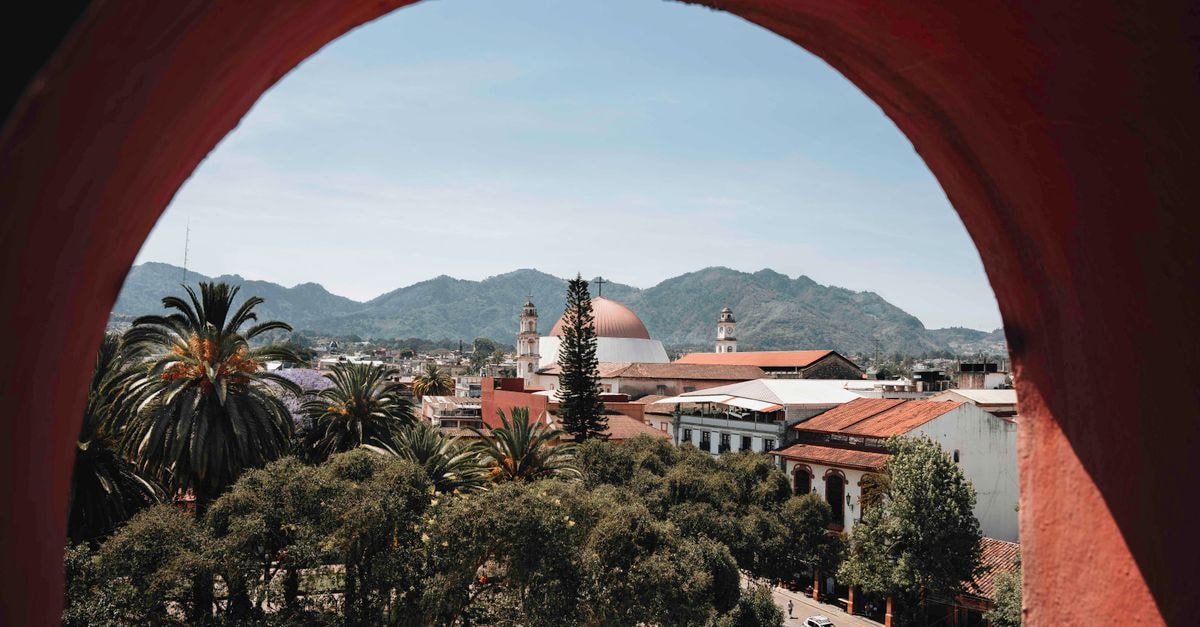
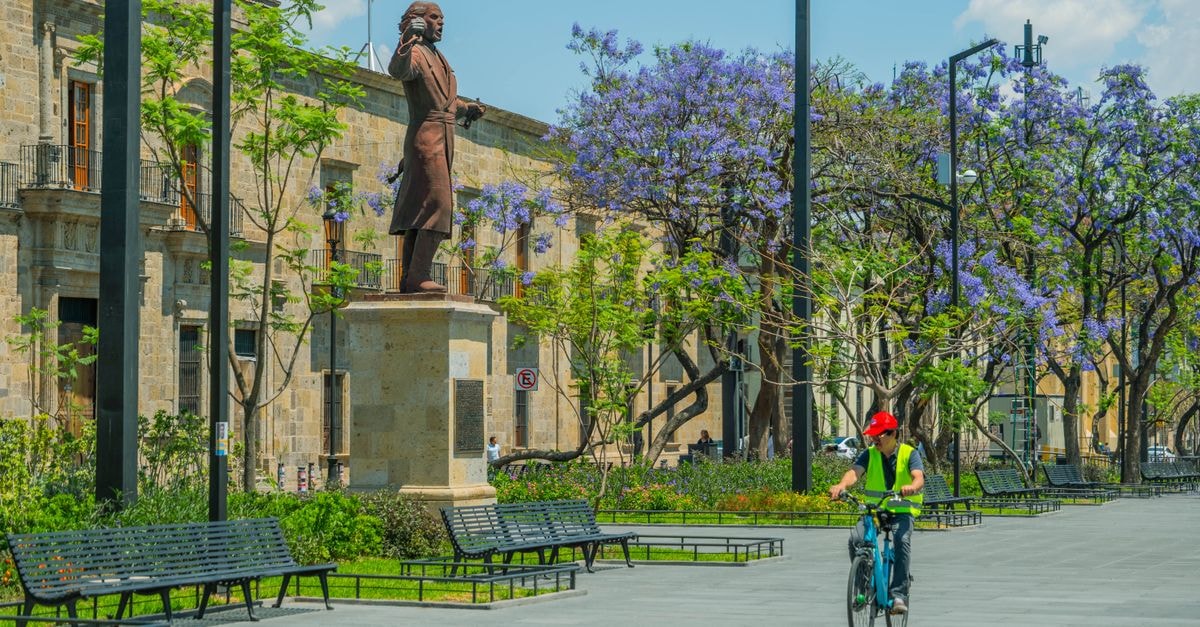
Tonalá sits in the western Mexican state of Jalisco and carries the easy rhythm of a town built around making things by hand. Visitors tend to come for two reasons that braid together naturally: the artisan workshops that line its streets and the markets where those crafts, and the food that belongs to the same cultural fabric, find their audience. The town reads as approachable and lived-in rather than polished, which is part of the appeal for travelers who prefer a working creative hub over a more curated stop.
What makes a visit here feel grounded is the sense that the everyday scene and the cultural output are the same thing. Workshops are not staged behind glass; many open directly onto the street. Markets are not transplanted tourist attractions; they serve the local week and then welcome outsiders into the flow. That overlap is what most first-time visitors remember most clearly, and it shapes how a short stay tends to unfold.
A few notes before planning the trip: this is a compact, walkable town with a strong creative identity. There is no single must-see monument, but the layered experience of moving between workshops, market stalls, and the places where people actually eat is what rewards the visit. Travelers who enjoy slow browsing, talking to makers, and letting meals follow the rhythm of the day will feel right at home.
Weather and seasonal context
Tonalá's climate belongs to the warm, semi-dry pattern common across much of the Guadalajara metropolitan area in Jalisco. Daytime temperatures are generally warm for most of the year, with cooler mornings and evenings that make early walks and late strolls comfortable. Rain tends to fall mostly during the warmer months, often in the form of short, intense bursts rather than long grey days, so packing a light layer and something waterproof is a sensible move even when skies look promising.
Because weather guidance for any single month can shift year to year, treat the climate here as a long-term pattern rather than a fixed forecast. Plan warm-weather clothing, sun protection, and a refillable water bottle as standard kit, and keep in mind that the strongest sun is typically felt in the early afternoon. Early starts also have the bonus of quieter markets and softer light for browsing, which suits a town that wakes up to its artisan trade.
For travelers building a Jalisco itinerary, it helps to think of Tonalá as a daytime destination: arrive after breakfast, settle into the workshop-and-market rhythm, and let the day stretch naturally. If you are combining the town with a longer stay in the region, pacing the day around the warmest hours is a small comfort that pays off.
Crafts, markets, and the creative pulse
Tonalá has a long reputation as a center for ceramics and lacquered work, with collectors and curious visitors drawn to the workshops that produce the distinctive red-toned pottery known as barro rojo, alongside painted and lacquered pieces. The workshops are part of the everyday townscape rather than a separate museum strip, and many open in a way that lets you watch pieces being shaped, painted, and fired before buying. Browsing here is unhurried by design: prices are usually negotiable, the makers are often nearby, and the back-and-forth is part of the experience.
The street markets are the other half of the picture. They are not boutique affairs, and that is the point. Stalls run wide, mixing household goods, food, plants, and craft with the kind of easy overlap that makes a market feel like a small social calendar. For visitors who enjoy picking up something handmade rather than generic, the markets are the place to spend time and compare, while the workshops are the place to learn how a piece is made and to commission something specific if you want a tailored memento of the trip.
One small piece of practical advice for craft-focused travelers: come with an idea of what you are looking for, but leave room for the unexpected find. A piece that catches your eye after a conversation with a maker often means more than the one you came planning to buy. Photography rules vary, so ask before pointing a camera at workshop interiors or finished work.
Food and local context
The food culture in Tonalá is anchored in the wider culinary heritage of western Mexico. Dishes traditionally prepared in Tonalá and other regions of western Mexico are part of the community's culinary inheritance, tied to the flavors, customs, and rhythms of local festivities and markets. That connection between food and celebration matters: eating here is rarely framed as a tasting menu and more often as part of a day that moves between stalls, meals, and visiting friends or family.
For travelers, the most useful way into the food scene is the same one locals use: the markets. The mix of prepared food, produce, and the people who turn raw ingredients into recognizable dishes gives a clearer picture of how the regional cuisine actually works day to day. Visitors may also find wider Mexican food staples across Jalisco that reflect the country's broader table, from antojitos to slow-cooked stews, with regional accents depending on where you eat.
Eating well here is less about chasing a specific named restaurant and more about following the smells, asking what is being cooked at the stall in front of you, and letting the day set the menu. Lunch is typically the heartier meal, and portions are generous. If you are unsure about spice levels, ask before ordering, and do not be shy about pointing at the dish someone ahead of you is enjoying; that is a perfectly normal way to choose here.
A short note on etiquette that applies more broadly across Mexico and is worth keeping in mind while traveling in Tonalá: meals are social, pacing tends to be relaxed, and it is polite to greet the people serving you before launching into an order. A little patience and a friendly tone will take you a long way, especially in busy market kitchens where the cook is often the owner.
How to think about time and budget
Because Tonalá is small and the points of interest are concentrated, a half-day to a full day is usually enough to absorb the markets and a few workshop visits without rushing. Travelers who enjoy slow travel often stretch that to an evening in town as well, since the pace softens and the light turns painterly once the heat of the day eases.
For budget planning, think of the trip as a light daily spend rather than a fixed itinerary cost. Your main expenses beyond a hotel will be meals, market purchases, and any crafts you decide to bring home. Crafts vary widely in price depending on the maker and the piece; market food tends to be good value; and a single sit-down meal at a casual local kitchen is usually modest. Treat daily costs as a reference range, not a quote; actual spend depends on where you eat, what you buy, and how many pieces you end up falling for. Sources covering Tonalá's artisan and food scene note that the town's draw is built around crafts and traditional cuisine, which is a fair guide to where most of your budget will land.
If you are combining Tonalá with a longer stay in the Guadalajara area, the town works best as a focused daytime stop with room to linger. Plan a relaxed morning, an unhurried lunch in or near the market, and an afternoon of browsing before heading on. That rhythm tends to fit how the town actually moves and saves you from rushing the part of the visit that rewards it most.
Practical notes for the visit
A few small things are worth keeping in mind that smooth out a Tonalá visit. Carry cash in small denominations for market purchases and small workshops, since card acceptance is uneven. Wear shoes you are comfortable walking in for long stretches, as the markets and workshop streets are best explored on foot. Bring a reusable bottle, since the climate leans warm and you will want to refill often. Spanish goes a long way; even a handful of phrases makes the market experience more rewarding.
Most importantly, treat the town as a living creative community rather than a stage set. The artisans are working, the market vendors are feeding their neighborhoods, and visitors are welcome but secondary to that daily life. Approaching the visit with that mindset is the single thing that tends to make a Tonalá trip feel special rather than simply pleasant.
A final note before you go
Travel conditions change, and details such as opening hours, market days, and local services can shift without warning. Treat the guidance in this guide as a starting point rather than a fixed plan, and check official channels or local sources closer to your trip for anything you would need to confirm before acting on it. A short verification before departure tends to save time on the ground and keeps the focus where it belongs: on the crafts, the food, and the easy rhythm of a town that has been making both for a long time.
Share this article
TOOLS FOR THIS PLAN
Make the Tonala plan measurable
Choose a tool only when it answers the next question in your trip. Your values stay in the browser, and each tool offers a route back to this planning context.