A quick first impression of Torreón

Torreón sits in the Laguna Region of southwestern Coahuila, one of Mexico’s important economic and industrial centers, and the energy of that identity is visible the moment you arrive. Wide boulevards, working trucks, and a sense of openness give the city a confident, no-nonsense feel. The city originally grew around a *torreon* — a watchtower built to keep an eye on flooding from the River Nazas — and that sense of looking outward across a wide plain still defines the place. It is a busy industrial city in Coahuila with a strong local culture, and visitors tend to settle into its rhythm quickly once they start walking.
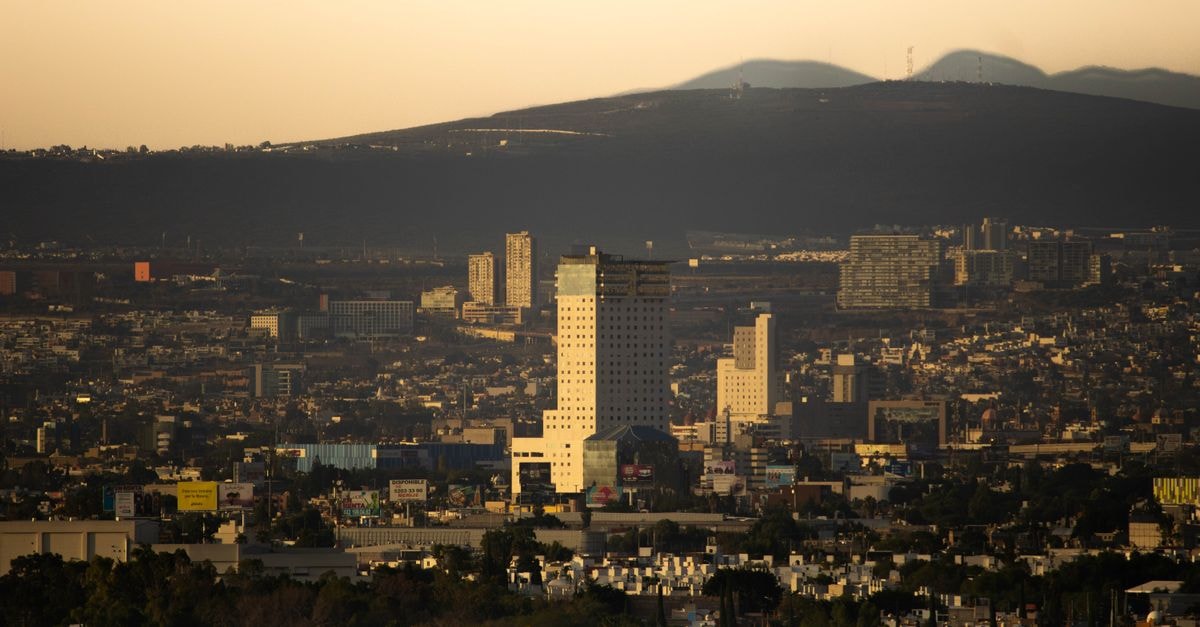
The skyline is unusually flat by Mexican standards, which means the horizons feel cinematic and the light has room to do its work. Mornings tend to be calm, afternoons feel industrious, and evenings stretch into long, social nights. If you like cities with space to breathe and a slightly unhurried pace, Torreón can feel surprisingly easy.
Weather and seasonal context
The climate is hot and dry, a classic northern Mexican desert setting that shapes how the city is lived in and how visitors should plan their days. In a dry climate like this, shade matters, hydration matters, and the architecture often responds with deep eaves, thick walls, and indoor courtyards that keep interiors cool.
Because Torreón is built on a wide plain in the Laguna Region, the sky tends to dominate the visual experience — bright sun in the day, dramatic color shifts at dusk. Light cotton layers, a hat, and refillable water are sensible companions at almost any time of year. A useful local habit is to plan heavier sightseeing for mornings and quieter, indoor-leaning activities for the hottest hours, then return outside for sunset.
The historic watchtower that gave the city its name hints at another side of the place: this is a city shaped by the River Nazas and its behavior across seasons. A useful mental model for visitors is to think of the river as a quiet character in the background of the landscape — present in place names, in city history, and in the way the surrounding countryside is irrigated and farmed.
Getting around and seeing the sights
Torreón rewards travelers who like viewpoints and big outdoor spaces as much as museums and restaurants. Two landmarks define the classic visitor list. Cristo de las Noas is the second-largest Cristo Sanctuary in Latin America, a sweeping hilltop monument that offers one of the best panoramic views of the city and the surrounding plain. Plan extra time here: the climb and the terraces are part of the experience, and the reward is a quiet, wide-angle perspective on the Laguna Region.
If you want a different texture of landscape, head east of the city to the Dunes of Bilbao, a striking natural feature that feels a world away from the urban grid. The dunes shift the mood entirely — softer light, softer ground, and a quieter kind of spectacle. Together, the sanctuary above and the dunes beside the city give visitors a clean two-point introduction to Torreón: the cultural landmark and the natural one.
Food and local context
Torreón does not market itself as a foodie destination in the way some Mexican cities do, but the everyday eating culture is rich, social, and family-oriented. As is the wider Mexican culture you’ll encounter across the country, the city is genuinely child-friendly in its dining spaces: children are welcome at adult restaurants, included in family meals rather than sidelined, and present at late-night gatherings. For visitors, this translates into relaxed mealtimes, large tables, and menus built around sharing.
Eating out here tends to feel convivial rather than formal. Expect long, leisurely meals where the table fills with several plates, conversation is the point, and no one rushes the check. This social rhythm is one of the most enjoyable parts of visiting any Mexican city, and Torreón’s industrial energy means you will also find casual, busy spots where locals refuel between work shifts — places where the food is straightforward, generous, and made to be enjoyed quickly.
Planning your days well
Because the climate is hot and dry, the most comfortable rhythm is to follow the light. Mornings work well for outdoor landmarks like Cristo de las Noas, when the air is cooler and the views are at their sharpest. Midday is a natural pause: shade, a slower meal, or a return to your hotel to rest. Late afternoon opens up again, and sunset is a defining moment in Torreón — the flat horizon, the wide sky, and the way the city lights begin to glow make this the best window for a walk or a relaxed drink on a terrace.
For the dunes east of the city, mornings and late afternoons are also the most pleasant windows, with softer light and cooler ground. Pack water, sunscreen, and comfortable shoes; the terrain is sandy and the sun is direct. A half-day is usually enough to enjoy the landscape without rushing.
If you are visiting as part of a wider Coahuila or northern Mexico trip, Torreón works well as a base for a couple of nights — enough time for the sanctuary, the dunes, a long lunch, and an evening exploring the city’s social side. Independent travelers who like design, architecture, and cities with strong industrial character tend to find a lot to like here, especially once they accept that the pleasure is in the scale and the sky.
Practical notes before you go
- Language: Spanish is the working language everywhere. A few phrases — greetings, please, thank you, the numbers — go a long way in restaurants and taxis.
A final, important reminder: travel conditions — including prices, opening hours, and local rules — can change. Treat the practical details above as a starting point, and confirm current information through official channels, your accommodation, or local contacts before you travel.
--- *Travel conditions, hours, and prices can change. Verify current details through official sources before your trip.*
Share this article
TOOLS FOR THIS PLAN
Make the Torreón plan measurable
Choose a tool only when it answers the next question in your trip. Your values stay in the browser, and each tool offers a route back to this planning context.