A First Look at Toruń

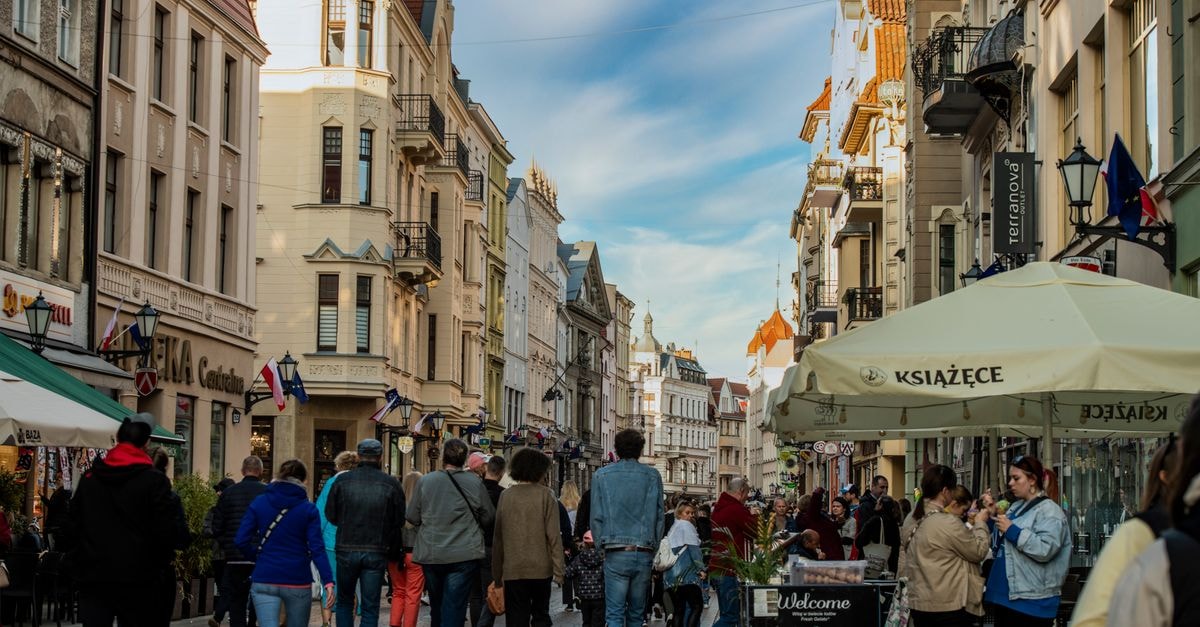
Toruń is one of those Polish cities that rewards a slower pace. The old town carries a UNESCO-protected core, and the architecture leans firmly Gothic, with cobbled streets, tall facades and stained glass windows that give the place a storybook mood. Even though Toruń is smaller than better-known Polish destinations, it more than holds its own on a city-break itinerary. The medieval townscape feels intact rather than reconstructed, and most of the visual highlights sit within walking distance of one another.
If you are the kind of traveler who likes to slow down, read plaques and notice small details in stonework, Toruń can feel like a particularly generous stop. It is a compact place, but the layers of medieval and later Polish history give it a depth that rewards unhurried wandering.
Medieval Streets and Standout Sights
Walking the old town is the heart of any visit. The Gothic buildings, cobbled streets and stained glass windows are exactly what draws history and architecture enthusiasts, and they are the reason Toruń holds UNESCO World Heritage status. The atmosphere is often described as fairy-tale-like, though that is really a reflection of the density of original medieval buildings rather than any modern theme-park styling.
The Leaning Tower is one of the most recognizable landmarks here. It is the most famous of Toruń's 52 defensive towers and dates back to the Middle Ages, which makes it a useful orientation point and a natural pause along any old-town walk. Because it is part of the historic fortification system, it can also be a good prompt to look up and notice the other surviving fragments of the old walls and towers threaded through the center.
The Copernicus Statue and Museum are also nearby the old town core, and visiting them together tends to feel like a coherent pairing rather than two unrelated stops. If you prefer to group sights rather than dart between them, this combination can make the day flow more easily.
Getting Around and Finding Information
Toruń's old town is compact, and most of the central highlights can be reached on foot. The Gothic center was built for walking, with short distances between squares, churches and tower fragments, so comfortable shoes tend to matter more than any transport plan.
For travelers who prefer to keep things simple, the combination of walkable distances and a centrally located information point means you can plan as you go rather than over-scheduling in advance. If you do like structure, the staff at the information point can help you shape a route around the medieval core.
Food and Local Context
Toruń does not need to be approached as a culinary capital, but it sits within a wider Polish food culture that visitors often encounter wherever they travel in the country. Polish hospitality tends to be generous, and a visitor to a Polish home will be received with great warmth and pressed with an abundance of food and drink, for the host's honor lies in the generosity of the welcome. That wider cultural backdrop is part of what shapes restaurant and café culture in historic Polish cities, including Toruń.
Beyond the home setting, Polish food culture more broadly reflects the country's regional variety. To the west, the region's capital is Poznań, Poland's most important trade-fair centre, while to the east this is the largest province and home to Poland's capital city. Knowing that Poland's culinary map stretches across distinct regions can help frame what you taste in Toruń as one expression of a much larger tradition rather than a standalone local scene.
If you enjoy sitting in old-town squares and watching daily life pass by, pairing a leisurely meal or coffee with people-watching tends to suit Toruń's rhythm. Travelers who prefer quiet, sit-down meals over busy nightlife will generally find the old town easier to navigate than larger Polish cities.
Choosing What Fits Your Trip
A few tradeoffs are worth weighing before you arrive. Toruń rewards slow, on-foot exploration, so if you dislike lots of walking on cobbled surfaces, you may want to pace the day with longer café stops rather than trying to cover everything at once. If you prefer guided context over self-directed wandering, the English-speaking staff at the Old Town Square tourist information point can shape a more structured visit on arrival. Travelers drawn to medieval architecture and astronomical history will find the pairing of the old town core with the nearby Copernicus Statue and Museum particularly satisfying, while those expecting the scale of Kraków or Warsaw may prefer to treat Toruń as a focused short stop rather than a sprawling urban break.
A Note Before You Go
Factual travel conditions can change, so it is worth confirming opening hours, ticket details and any current rules through official channels before you travel. Treat this guide as a starting frame for your visit, and let local sources fill in the live details once you arrive in Toruń.
Share this article
TOOLS FOR THIS PLAN
Make the Torun plan measurable
Choose a tool only when it answers the next question in your trip. Your values stay in the browser, and each tool offers a route back to this planning context.