Why Toulouse in July

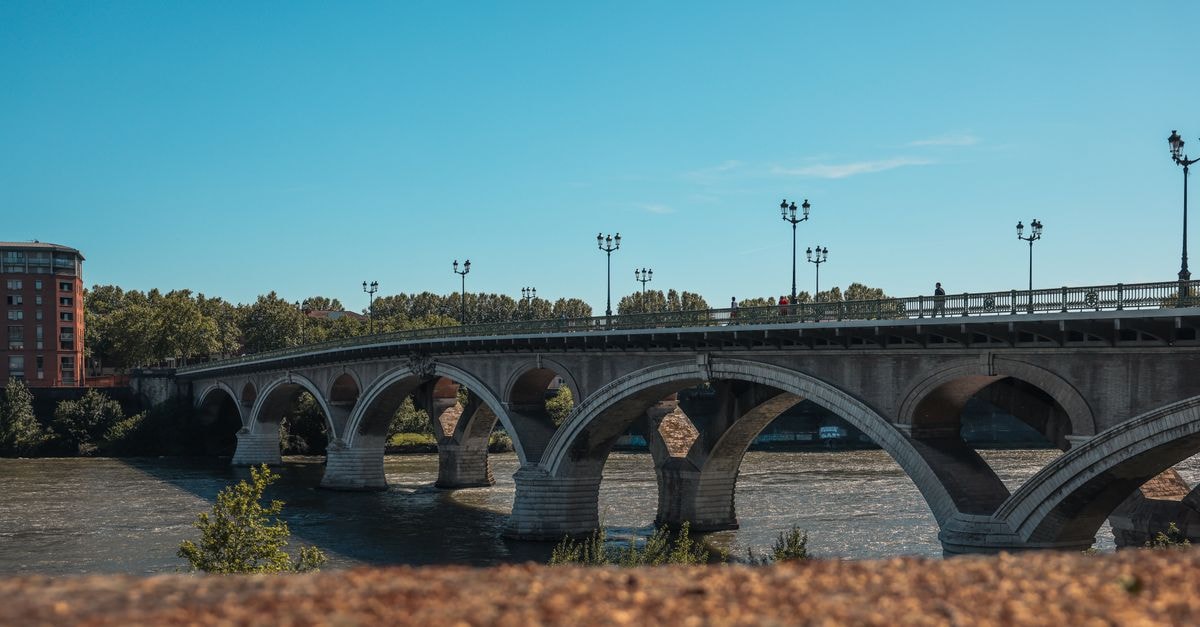
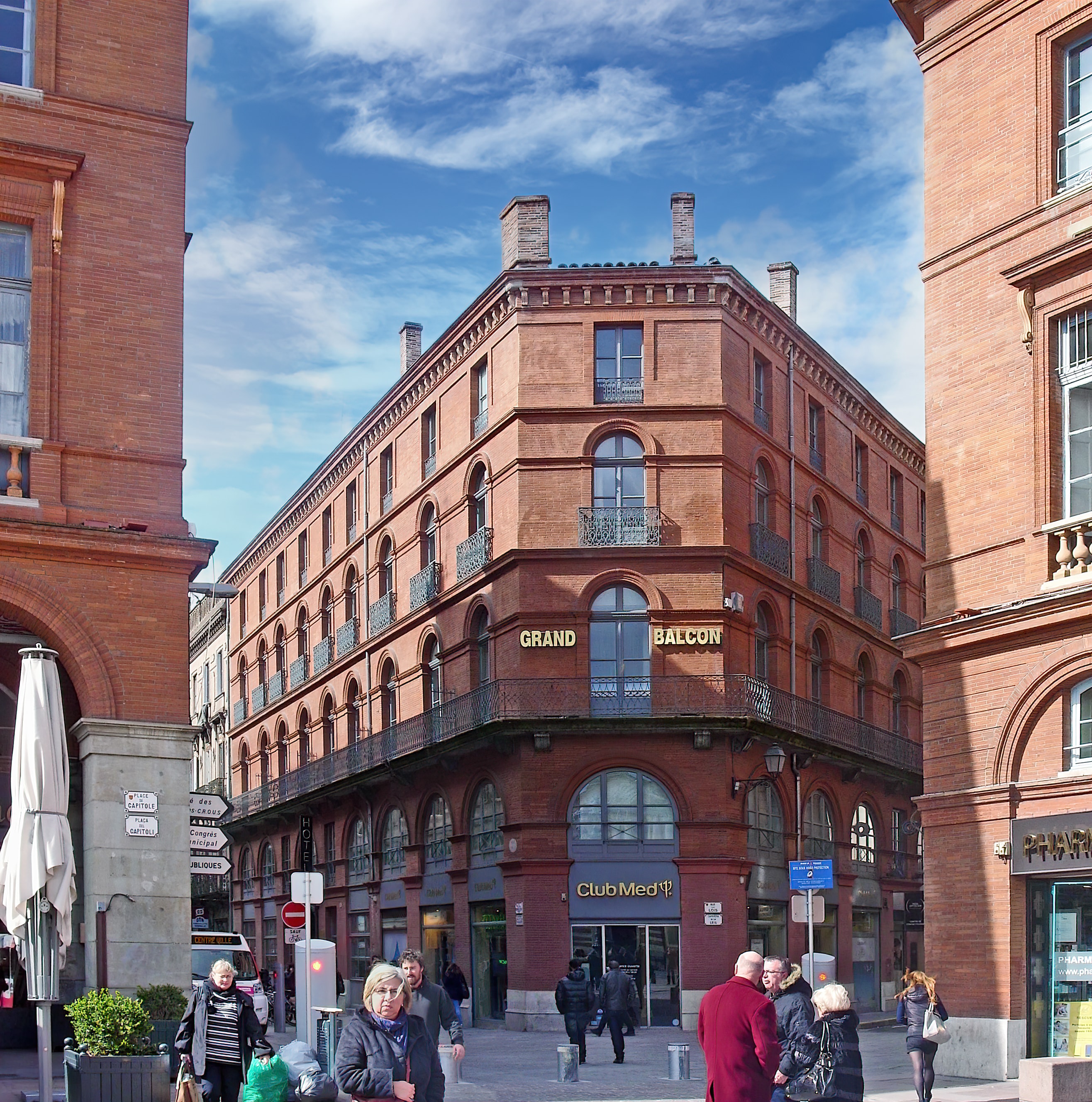
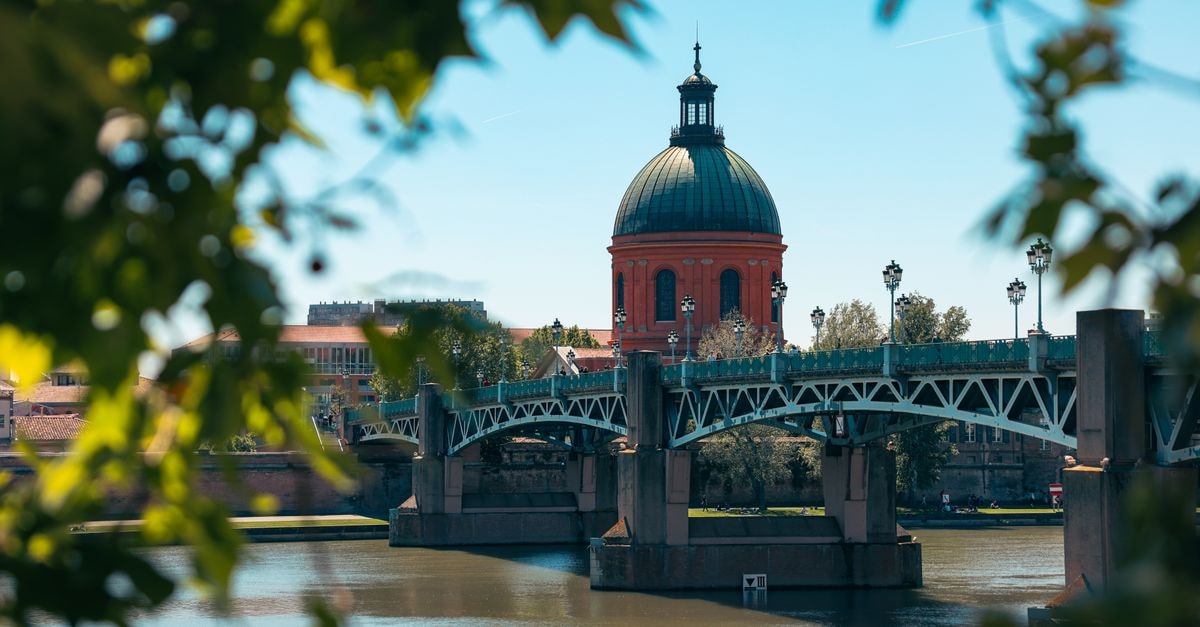
Toulouse, the "Ville Rose" of southwest France, sits at the meeting of the Canal du Midi and the Garonne River. Its terracotta brick core gives the city its nickname, and in July those pink facades turn almost amber under the late sun. July is a shoulder-season month: festival season peaks, many locals decamp on holiday, and central neighbourhoods thin out, which makes terrace tables easier to claim. The trade-off is heat, and a real one. The month averages 28°C (82°F) but can spike well past 35°C (95°F) for days at a stretch.
July weather and the canicule factor
The city's July weather at a glance: highs around 28°C (82°F), lows around 17°C (62°F), about 41 mm of rainfall across roughly ten days, and humidity near 70%. The UV index reaches 8. Most of the rain arrives in sudden, intense afternoon thunderstorms that can briefly flood low-lying streets, and the open squares and exposed riverbanks offer little midday shade.
What the averages hide is the heatwave risk. Forecasts for late July 2026 pointed to a fourth canicule episode in France, with temperatures pushing toward 38°C midweek and nights struggling to fall below 20°C, with one night potentially staying near 30°C. The Mairie de Toulouse activates its "Toulouse + fraîche" plan in such conditions: extending pool hours, opening 14 parks and gardens until 23:00, reducing municipal pool entry to €1, and keeping the Musée and Médiathèque José Cabanis open later. Older accommodation - which makes up much of the historic core - often lacks air conditioning, so confirm AC exists before you book.
Practical July tips:
- Schedule sightseeing for the morning and after 18:00, when the brick finally releases its stored heat. - Carry water and use the public fontaines mapped on metropole.toulouse.fr. - Treat the UV index of 8 seriously: the unshaded expanse of Place du Capitole and Pont Neuf will burn pale skin in under 30 minutes. - Check Météo France alerts before each outdoor day; orange canicule triggers extra municipal cooling resources.
Getting around Toulouse
The Tisséo network runs two metro lines (A and B), two tram lines, and an extensive bus network, with a third metro line (C) under construction and expected to open in 2028. Buses are air-conditioned, a real asset in summer.
Tickets are flat across modes. A single ticket costs €1.80; a single bought on board (the "last minute" ticket) costs €2.50 and requires exact change. A 10-trip carnet is €15.40, a 1-day pass €6.90, and a 3-day pass €13.80. Contactless cards and the Tisséo app work on trams and at the ticket machines.
For the airport, the dedicated Tisséo airport shuttle runs to and from the city centre for €9.00 one way (a 6-trip carnet is €38.20). Trams on the T2 line also serve the airport, with standard tickets accepted. A taxi from Toulouse-Blagnac to the city centre runs roughly €20.
In the historic core, the free Navette Centre Ville Gratuite loops through the centre every day except Sunday from 9:00 to 19:00, every ten minutes - just flag it down. For a longer view, the Téléo tricable ropeway connects Oncopole, Rangueil Hospital and Paul Sabatier University across the Garonne.
Cyclists have VélôToulouse, the city's bike-share, with more than 242 stations across town. A 1-day ticket is €1.20 and a 7-day ticket €5.00; the first 30 minutes of each ride is free, then €0.50 for the next 30 minutes, then €1.00 per half hour beyond. Toulouse has over 500 km of cycling paths.
Things to do and July events
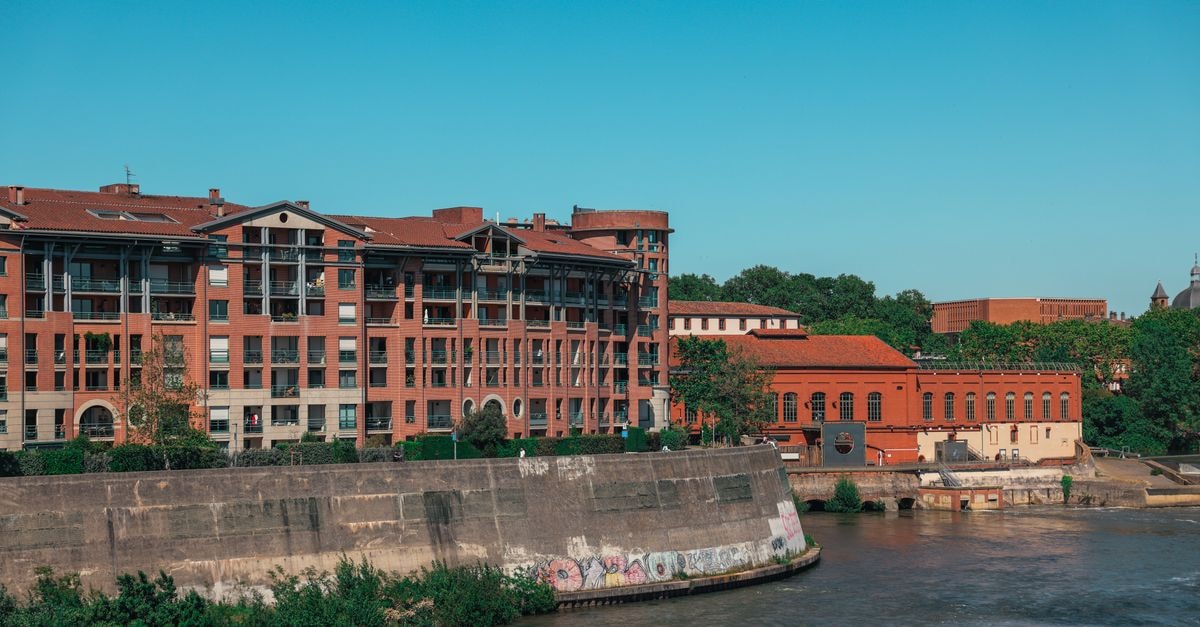
Toulouse Plages turns the Garonne banks into a free summer playground through July and August. The city trucks sand onto the Prairie des Filtres and Port Viguerie, sets up deckchairs, pétanque pitches and shaded reading nooks. Most of it is free; families and students colonise the banks in late afternoon.
Toulouse d'Été fills churches and courtyards with jazz and classical concerts through July and August. The cloister of the Couvent des Jacobins, with its famous stone palm-tree vaulting, is a regular venue; the acoustics there are exceptional and the audience escapes the worst of the heat.
Bastille Day (14 July) closes the festival run with a fireworks display over the river; the best vantage point is the grassy stretch of the Prairie des Filtres, where families arrive hours early. The international tango festival Tangopostale runs in mid-July, with outdoor bals on Place St-Pierre and Place St-Georges. The Festival Cinéma en Plein Air screens films in the courtyard of La Cinémathèque de Toulouse during July, another good escape from the heat.
On the heritage side, four sights anchor any itinerary: the Basilique Saint-Sernin (free entry), the Couvent des Jacobins with its palm-tree vault, the Musée des Augustins (€8; free on the first Sunday of the month), and Les Abattoirs for modern art (€11). The Capitole's Salle des Illustres is free. Stroll along the Garonne at the end of the day, when the brick catches the light and the city exhales.
Tickets, passes and reservations
The Pass Tourisme from the Donjon du Capitole Tourist Office costs €26 and runs 1 to 3 days from first use. It covers free admission to Fondation Bemberg, the Musée des Augustins, Les Abattoirs, the Muséum, Saint-Raymond, Musée Paul-Dupuy, Musée du Vieux Toulouse, the Woad Museum, Le Quai des Savoirs, Chapelle Saint-Joseph de la Grave, Le Castelet and the Jacobins Convent, plus one free guided tour of your choice. Adding €10 buys a 10-trip Tisséo carnet (saving over €5 against the regular €15.40). Discounts include €24.65 at Cité de l'Espace (regular €29) and €12 at Aeroscopia (regular €15).
The pass pays back from the third paid activity for most travellers. Buy online via toulouse-tourisme.com or at the Donjon du Capitole near Capitole metro. Booking is recommended for the free guided tour, as places are limited. July festival events at the Jacobins cloister and Bastille Day fireworks viewing areas fill early; the Prairie des Filtres grass on 14 July is claimed hours in advance. With locals on holiday, queues at Saint-Sernin shorten, but evening terrace tables at the best historic bistros still go early.
Where to stay and booking pressure
July is shoulder-season pricing but with a heat caveat. Most older hotels and apartments in the historic core lack air conditioning, which becomes a real problem during canicule days. When booking, ask specifically whether the room has AC, not just "climate control."
Budget hostels run roughly €25–€40 per night for a dorm bed; private rooms in budget hotels start around €60–€80. Three-star chains cluster around €80–€130 per night. Upscale and boutique properties near Place du Capitole run €150–€250+. A one-bedroom short-term rental averages €70–€120 per night and is worth considering if you want to cook and avoid the hottest restaurant rush.
The Capitole and Saint-Cyprien districts are the two main bases. Capitole puts you at the historic centre for walking and sightseeing; Saint-Cyprien has a more local feel, good dining and direct tram access. July is not the city's busiest hotel month, so rates tend to be friendlier than in May or September, but the right AC-equipped room in central Capitole still goes fast.
Eating in Toulouse: markets and regional dishes
Toulouse runs on the food of southwest France: duck fat in place of butter, garlic from Cadours, beans from Tarbais, and a peppery Basque edge from piment d'Espelette. Lunch runs long here, and most restaurants close on Sunday and Monday - check before you walk over.
Five dishes anchor the table:
- Cassoulet Toulousain. White beans slow-cooked with duck confit, Toulouse sausage, pork and sometimes goose, finished under the grill. Served in the cassole, the terracotta pot from Issel that gives the dish its name. Around €20–€25 in a traditional restaurant. - Saucisse de Toulouse. A coarse pork sausage (75% lean, 25% belly) seasoned only with salt and pepper, sold in one long continuous casing. Look for the "Véritable Saucisse de Toulouse" Red Label. Often €15 for four from a butcher. - Foie gras. Particularly the goose variety in this region. Maison Samaran on Rue Ozenne has been producing it since 1919; expect €35–€40 for a whole lobe. - Magret de canard. Duck breast seared hard so the fat shatters, often finished with Banyuls vinegar. Pairs with local Fronton wine. - Pétéram de Luchon. A Haute-Garonne speciality of sheep's feet and belly, ham, veal, bacon, white wine and Armagnac, simmered for at least twelve hours.
Two sweet notes are worth a stop: Fénétra, an almond dacquoise layered with apricot jam and candied lemon, registered since 1963; and the brique du Capitole, a layered praline in a pink-brick-shaped box. Catechu Lajaunie, the small black liquorice bonbon in its yellow box, is the local candy-shop tradition. Toulouse violet appears in crystallised petals, syrups, chocolates and even mustard.
The Marché Victor Hugo is the daily indoor market, the place to assemble picnic supplies, buy saucisse for grilling and eat upstairs in one of the busy restaurants where locals lunch until 4 pm. Saturday's market at Place du Capitole is where the same sausage families have sold for generations. For markets outside the city, Revel's Saturday market is widely cited as one of the most beautiful in France.
Costs, safety and a budget framework
The euro is the only currency used; cards are widely accepted but small bistros and market stalls often prefer cash.
A single metro or bus ticket costs €1.80; a daily pass €6.90. A coffee is €2–€3, a glass of wine €4–€7, a beer €5–€8. A bakery quiche or sandwich is €5–€8; a budget meal €10–€15; a three-course mid-range meal €25–€40; fine-dining tasting menus €60–€100+. A budget backpacker day (hostel, market lunches, public transport, one paid activity) runs €50–€70; mid-range €100–€150; luxury €200–€350.
Saving tactics:
- Walk or use the free Navette within the historic core. - Use the Pass Tourisme from the third paid sight onward. - Eat lunch at the Marché Victor Hugo rather than dinner. - Confirm AC before booking in July, even at a price premium. - Carry water and use the city's mapped fontaines.
Safety in July is mostly about heat. The Mairie publishes a colour-coded alert (vert/jaune/orange/rouge). Useful numbers: SAMU 15, Canicule info service 0800 06 66 00 (Mon–Fri 9:00–19:00), Allô Seniors 0 800 042 444. The plan extends hours at the Musée, Médiathèque José Cabanis and 14 municipal parks and gardens during orange alerts. When temperatures push past 35°C, plan outdoor time around the cool windows of morning and late evening, take advantage of air-conditioned museums and pools, and check the live Météo France alert before each day.
Prices, transport fares, opening hours, festival dates and canicule measures described here reflect sources published between 2024 and 2026; verify schedules and any advance-booking requirements through the official Tisséo, Toulouse Tourisme and Météo France channels before you travel.
Prices, opening hours, schedules, reservation rules, and local conditions can change; verify them through official channels before departure.
Share this article
TOOLS FOR THIS PLAN
Make the Toulouse plan measurable
Choose a tool only when it answers the next question in your trip. Your values stay in the browser, and each tool offers a route back to this planning context.