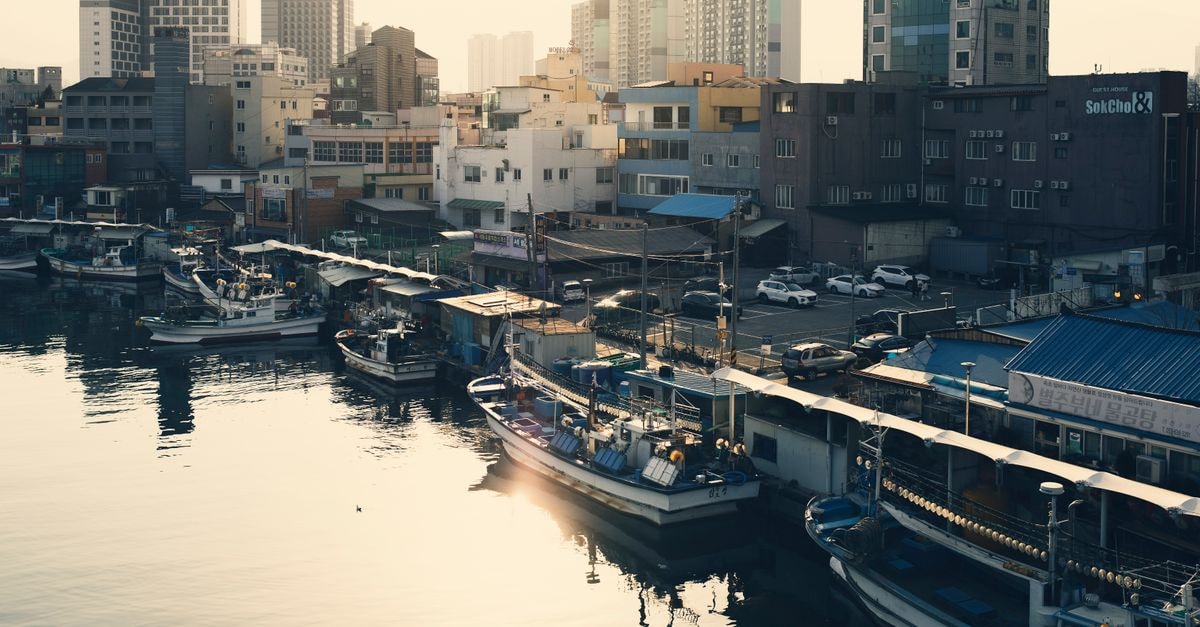
A short, real introduction to Toyohashi

Toyohashi sits in the eastern part of Aichi Prefecture, where the Tōkaidō main line slides between Nagoya and Hamamatsu. It is the kind of city that rewards a traveler who likes rail-side Japan, unhurried parks, and food stories with a sense of place. You will not find a Tokyo or Kyoto density of headline sights here, and that is part of the appeal. A day or two gives you space to notice how the Tōkaidō corridor actually feels between the bigger hubs.
If you are visiting Toyohashi, the practical rhythm is simple: arrive by rail, walk to a park, and eat something local before catching the next train west toward Okazaki and Nagoya, or east toward Hamamatsu and Shizuoka. The city reads as a working Aichi town with deep food traditions, including its famously tiny quail eggs, and a single park that locals treat as a seasonal gathering point.
Getting around Toyohashi by rail
Toyohashi is best understood as a Tōkaidō rail junction. The old Wikivoyage route sketch for the city shows two parallel lines passing through: the Shinkansen-aligned Tōkaidō main line running Kyoto – Nagoya – Mikawa-Anjō – Toyohashi – Hamamatsu – Tokyo, and a parallel conventional route running Nagoya – Okazaki – Toyohashi – Hamamatsu – Shizuoka. That layout is useful to remember because it explains why Toyohashi shows up on so many Japan rail passes without ever feeling like a tourist town.
Because the city lies between these two heavy corridors, you will mostly be planning arrivals and departures rather than long internal rides. A traveler who wants to stitch Toyohashi into a Tōkaidō trip can use it as a pause between Nagoya and Hamamatsu, or between Okazaki and Shizuoka, without adding a complicated detour. If you prefer cities where the station itself is part of the sightseeing, Toyohashi rewards that habit.
For travelers who specifically like transit photography or who are doing a multi-stop Tōkaidō journey, the Mikawa-Anjō and Okazaki stops on the western side are natural anchor points. Toyohashi then becomes a calm middle stop rather than a frantic day of transfers.
Attractions and planning your time
The signature green space in Toyohashi is Toyohashi Park, and the season that draws locals in is spring. According to an attractions overview of the city, the best time to visit the park is during the spring months, particularly from late March to early April when the cherry blossoms are in full bloom. That is the moment when the park shifts from being a quiet neighborhood amenity to a social hub, with the kind of slow, blanket-on-the-grass atmosphere that defines hanami in this part of Japan.
If your travel style leans toward gardens and seasonal park culture rather than dense museum circuits, this is the kind of detail that may suit you. A traveler who specifically wants cherry blossom viewing and is routing through Aichi can plan a Toyohashi stop in spring and treat the park as the centerpiece of a half-day, then return to the station for an evening train. If you are less interested in blossom timing, the park still reads as a calm urban oasis outside the spring peak, which may suit travelers who prefer quieter city parks.
What Toyohashi does not offer in the ledger is a long list of headline attractions. The honest framing is that this is a city you visit for one strong park moment, a couple of food experiences, and the texture of the Tōkaidō in between the larger hubs, rather than for a packed sightseeing checklist.
Food and local context
Toyohashi has a clear culinary identity that the local Aichi gourmet pages treat as essential. A nationally oriented food overview of Aichi lists Toyohashi quail eggs, sliced soy-pickled vegetables or daikon radish, and red pickled ginger as a must-try trio. The quail egg tradition is the most distinctive: these are tiny, rich, and treated almost like a regional signature rather than just a garnish. The pickled vegetables and ginger sit in the same fermented, salty-sour family that runs through much of Aichi cooking, and they tend to show up as small plates alongside noodles, rice bowls, and grilled items.
A traveler who enjoys tracking regional food micro-traditions may find that Toyohashi's quail egg culture rewards a slow lunch, where you can compare different preparations rather than ordering one and moving on. If you prefer bigger, more theatrical dining experiences, you will still encounter these flavors, but framed as supporting cast rather than the main event.
It is worth setting that against the wider Japanese food context, since visitors often arrive with expectations shaped by nationwide Japanese cuisine: a respect for seasonality, technique-driven cooking, and ingredients that are treated with care. Travelers may encounter that same philosophy in Toyohashi, simply expressed through local pickles and tiny eggs rather than through the better-known sushi or kaiseki vocabulary.
One honest gap in the ledger is pricing. There is no supported cost range for Toyohashi meals in the evidence, so rather than guessing, treat eating here the same way you would in most regional Japanese cities: expect lunch sets and small-plate pairings to be modest, and check the live menu at the venue before ordering.
Picking what fits your Toyohashi trip
The tradeoffs in Toyohashi are gentle but real. If you like rail geography and seasonal park culture, the city gives you both in a compact package: a Tōkaidō junction where Toyohashi Park anchors the spring calendar, and a food scene built around quail eggs and Aichi pickles that you can sample in a single afternoon. If you want high-density sightseeing or famous landmark checklists, you may want to reconsider, because Toyohashi reads as a calm regional stop rather than a headline destination. Travelers who specifically like slow food traditions and transit-side Japan tend to get the most out of a short stay here.
A note before you go
Rail routes, park conditions, and food traditions described here are based on overview sources, so treat them as a starting framework rather than a live confirmation. Schedules, opening hours, and seasonal conditions can change, and it is worth checking official railway, municipal, and venue channels before you lock in travel plans. For currency, any yen reference you read elsewhere is only a snapshot, so confirm the current exchange rate before budgeting.
Prices, opening hours, schedules, reservation rules, and local conditions can change; verify them through official channels before departure.
Share this article
TOOLS FOR THIS PLAN
Make the Toyohashi plan measurable
Choose a tool only when it answers the next question in your trip. Your values stay in the browser, and each tool offers a route back to this planning context.