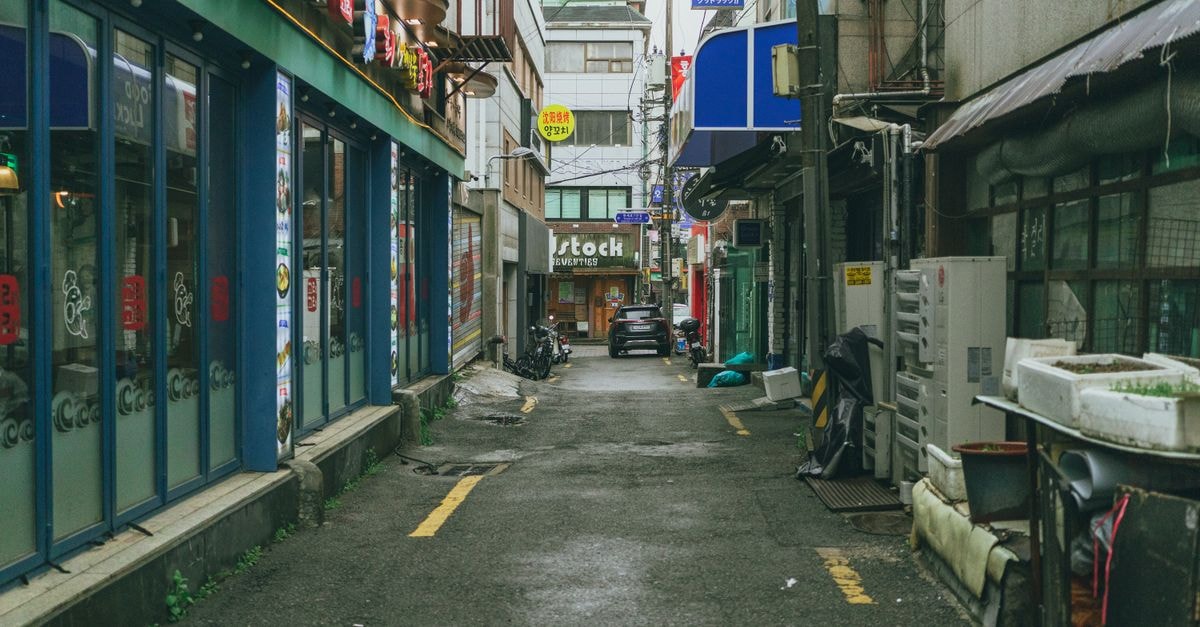
Why Toyonaka feels different from central Osaka

Toyonaka is a city of roughly four hundred thousand people in northern Osaka Prefecture, sitting close to the huge urban sprawl of Osaka itself. Its identity as a satellite of the greater metropolitan area gives it a softer, more residential rhythm, the kind of place where daily routines feel a little slower than in the neon heart of the city to the south. For travelers who like the idea of staying near Osaka without being inside it, that balance is exactly the draw.
Because Toyonaka is well connected through public transport, visitors can step out of their hotel or guesthouse and reach central Osaka with relative ease. That connection is what shapes how most people actually experience the city: as a base for exploring the wider Kansai region rather than as a standalone sightseeing destination in its own right.
Weather and seasonal context
Toyonaka sits within the wider Osaka metropolitan area, and conditions here generally follow the temperate pattern seen across much of central Japan. The area tends to feel humid in the warmer half of the year and noticeably crisp once winter arrives, with chilly days that invite warm layers and longer evenings indoors.
For visitors, the practical takeaway is less about chasing perfect weather and more about pacing the day to match it. Travelers who prefer gentler outdoor time may want to plan walks for the morning hours when conditions are typically more comfortable, while leaving heavier exploration for the cooler parts of the day. If you find cold weather especially hard on your energy, consider building in a warm cafe stop between outdoor stretches, since Toyonaka's residential scale rewards that slower rhythm.
Getting around
Toyonaka's main advantage for travelers is its location within a transit-rich region. The city is well connected through public transport, and that web of local and regional trains is the most natural way to move around during a visit.
What this means in practice is that visitors can largely leave heavy planning aside and rely on the rail network to step into Toyonaka from Osaka or to step back out again for day excursions further afield. The city itself is compact enough that once you arrive at a station, short walks and local bus connections handle most last-mile needs without stress.
Travelers who prefer to base themselves somewhere calm but still want the option of spontaneous evenings in central Osaka may find this combination especially appealing. Consider booking lodging close to one of the main rail nodes so that late returns are easy, rather than staying on the quietest edge of the city where evening options thin out.
Food and local context
Toyonaka sits inside a country with a remarkably rich food culture, and visitors will encounter that culture everywhere from casual lunch counters to family-run restaurants. Japanese cooking is known for its emphasis on seasonal ingredients, careful technique, and a deep sense of balance on the plate, qualities that shape how even an everyday meal feels. For travelers, this wider context matters because the everyday dining scene around Toyonaka reflects the same principles: small portions of carefully prepared food, fresh regional produce, and menus that quietly change with what is in season.
If you enjoy exploring a destination through its kitchens, Toyonaka offers the chance to experience that food culture in a more local, less tourist-saturated setting than central Osaka. Consider treating mealtimes as a low-key way to understand the city, choosing smaller neighborhood spots over anywhere that feels designed for tour groups.
Choosing what fits your trip
For travelers who value a calm home base more than a nonstop sightseeing list, Toyonaka's residential character and strong rail links tend to work well together. The city suits visitors who want quiet mornings, short walks, and the option to drop into central Osaka for an afternoon or evening without a complicated commute. If your priority is being in the thick of Osaka's nightlife and major sights every hour of the day, a more central location may serve you better, since Toyonaka's pace rewards people who are happy to let the city be a soft landing rather than the main event.
A quick note before you go
Toyonaka works best as a base when you arrive with a rough plan for how many days you want to spend in central Osaka versus how many you want to spend exploring more local neighborhoods. Once that balance is set, the rail network handles almost everything else.
A few details are worth confirming directly through official transport and tourism channels before departure, since schedules, fares, and local services can change. Treat any general advice as a starting point and verify the specifics that affect your own trip.
Prices, opening hours, schedules, reservation rules, and local conditions can change; verify them through official channels before departure.
Share this article
TOOLS FOR THIS PLAN
Make the Toyonaka plan measurable
Choose a tool only when it answers the next question in your trip. Your values stay in the browser, and each tool offers a route back to this planning context.