A First Look at Toyota City

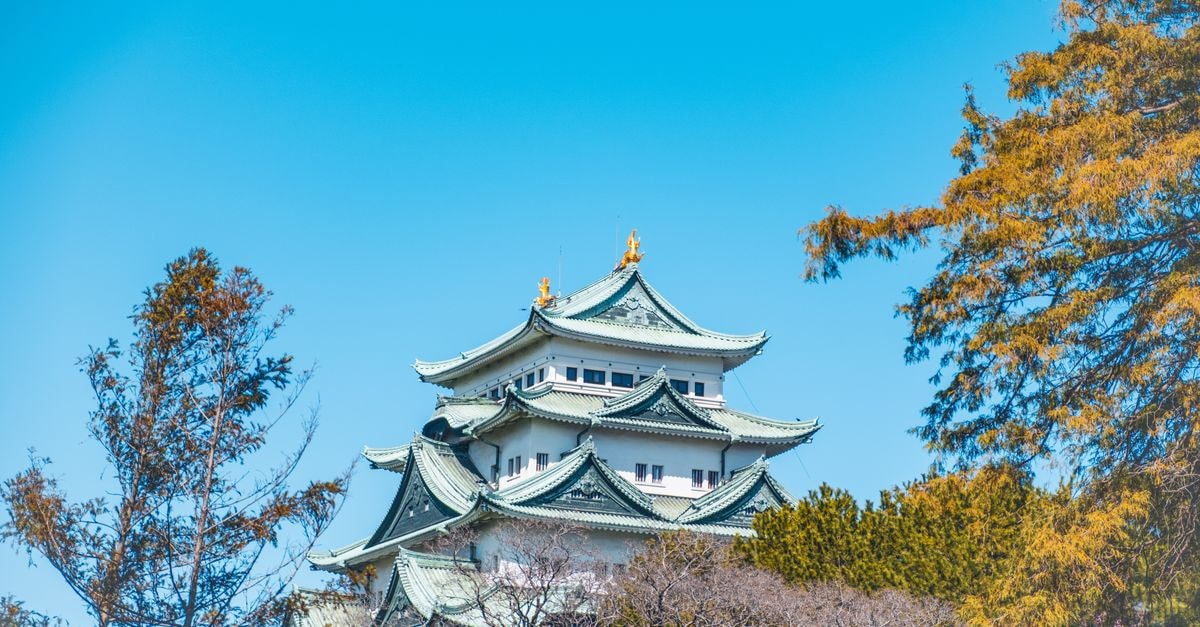
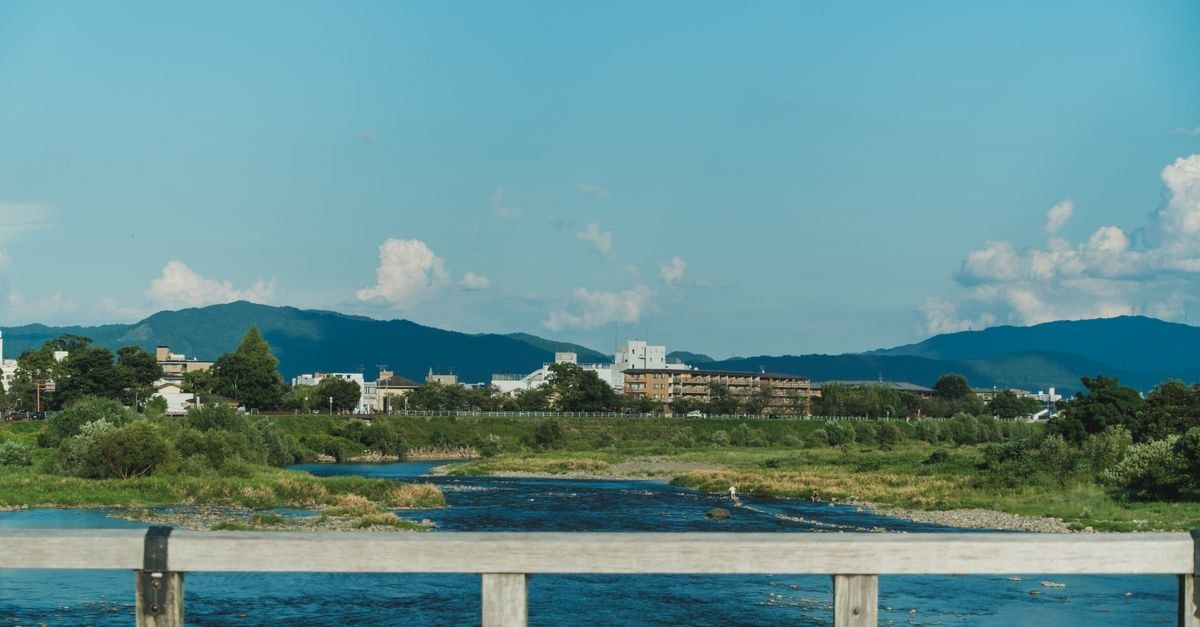
Tucked into the rolling inland hills of Aichi Prefecture, Toyota City carries a different rhythm from the coastal hubs that often dominate first-time Japan itineraries. Travelers who prefer a quieter, less tourist-saturated base may find that the city's calmer pace suits a slower kind of trip, where the day is shaped around unhurried walks, regional meals, and easy excursions into the surrounding countryside.
Rather than arriving with a packed checklist, consider letting the destination itself set the tone. Toyota rewards travelers who plan a few anchor activities and leave room for the in-between moments: a long lunch, a stroll through a leafy neighborhood, or an unhurried look at the wider food traditions of Japan.
Weather and Seasonal Context
Toyota's inland position gives it a more continental feel than Aichi's coastal cities, and weather can shape how the day unfolds. According to the available climate notes for the city, daily highs can sit around 17°C while lows dip toward 7°C, with humidity around 80% and roughly 97 mm of monthly rainfall — conditions that can feel cool and damp rather than frigid. A separate seasonal snapshot for December describes highs of 11°C and lows of 2°C, suggesting that winter mornings can feel genuinely cold once the sun drops.
The broader travel-planning guidance for Toyota also flags that summers can pose a heatstroke risk while winters bring freezing conditions, so the city's weather tends to swing between hot, humid summers and crisp, sometimes frosty winters. Spring and autumn typically read as gentler shoulders in between.
A practical note for any traveler: monitor weather forecasts closely before and during the trip. Conditions can shift quickly, and layering a light jacket over a breathable base is often the most comfortable approach, since temperatures can move noticeably between morning and afternoon.
Getting Around
Centrair International Airport (NGO), located on the Chita Peninsula in Aichi Prefecture, handles direct flights from across Asia and serves as the main regional gateway. Travelers flying in from overseas or from elsewhere in Japan will typically connect through Centrair before transferring onward to Toyota City by road or rail.
Because the available evidence only confirms the airport's regional role rather than specific local bus or train timetables, it is worth checking current schedules with the official transport operator once arrival plans are firmed up. The same principle applies to local transit within Toyota itself — verify routes and frequency on the day, especially if a visit falls on a Japanese holiday when service patterns can differ.
Food and Local Context
Toyota sits firmly inside Aichi Prefecture, and visitors will be eating within the wider context of Japanese cuisine rather than a single city-specific culinary tradition. Across Japan, food culture rewards curiosity: cooking techniques emphasize balance and seasonality, specialty ingredients often carry regional significance, and meals tend to be framed around fresh preparation methods that travelers frequently encounter in everyday settings.
That nationwide context can shape the Toyota experience in subtle ways. Menus in local restaurants typically reflect Japanese culinary habits more broadly — think rice-based meals, miso-forward flavors, and seasonal vegetables — and travelers with an interest in understanding the country's food culture may find that asking about regional Aichi dishes leads to rewarding conversations with hosts and shopkeepers.
For travelers who prefer to eat closer to international flavors, Aichi's larger cities offer a wide spread of options, but in Toyota itself it helps to approach the food scene with the same open curiosity that suits exploring any smaller Japanese city: a willingness to point at the menu, try something unfamiliar, and treat each meal as a small window into the broader culture.
Choosing What Fits the Trip
A short note for travelers deciding how to approach Toyota. Because the city's inland setting can feel noticeably cooler than the coast, travelers sensitive to damp cold may want to prioritize warm layers and indoor stops during the cooler part of the day. Those drawn to food culture will likely get the most from their visit by approaching meals as part of the wider Japanese culinary landscape rather than searching for a single signature dish.
Visitors who enjoy a quieter pace — where regional travel, slow meals, and time between activities matter more than a packed sightseeing list — may find Toyota a comfortable match. Travelers who specifically need a coastal or harbor-front experience, by contrast, may want to pair a Toyota stay with time elsewhere along Aichi's coastline.
A Note Before You Go
Factual travel conditions can change, and it is always worth checking official channels — the local municipal website, current transport operators, and your accommodation — for the latest on weather, transit, and opening hours before and during your trip. This guide is intended as a grounded starting point, not a substitute for up-to-the-minute local information.
Share this article
TOOLS FOR THIS PLAN
Make the Toyota plan measurable
Choose a tool only when it answers the next question in your trip. Your values stay in the browser, and each tool offers a route back to this planning context.