A Saharan gateway with old-world rhythm

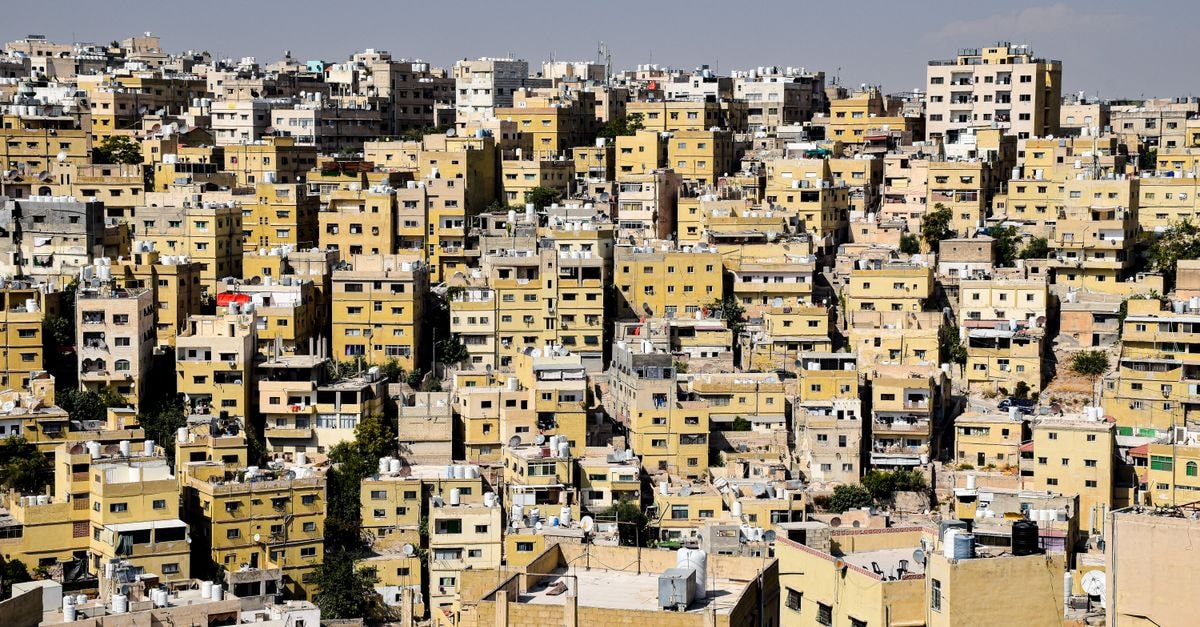
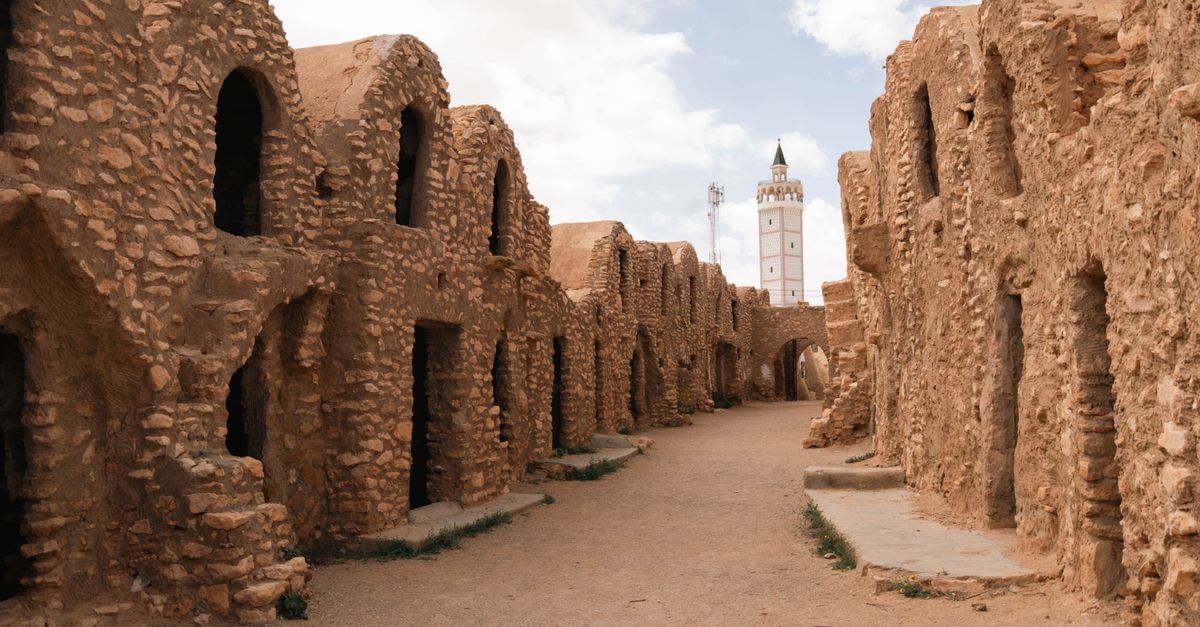
Tozeur sits close to the Algerian border, where the edge of the Sahara begins and a strip of green still survives. The town reads exactly like a classic Saharan settlement: swaying palm groves, a crowded medina filled with date vendors, and a compact, bustling core that feels anchored to the desert rather than the coast. Its architecture is what sets it apart at first glance. Across the old quarter, buildings are decorated with intricate brickwork in shades of ochre. Her architectural style is unique, playing with bricks of sand and clay. Even before you taste a date or hear the call to prayer, the streetscape quietly tells you that you have arrived somewhere distinct.
This guide leans into what makes Tozeur feel like Tozeur: its setting near the dunes, its decorative brick heritage, its daily life of souks and small commerce, and the practicalities of reaching and moving through the oasis town.
Weather and seasonal context
Tozeur has the climate of an oasis pressed against the Sahara, and that shapes how a day feels more than any single temperature reading. The desert influences are constant: dry air, bright sun, and a noticeable swing between daytime warmth and cooler mornings and evenings. In the cooler stretch of the year, daytime hours can feel pleasant while nights and early mornings turn brisk, so carrying a layer is reasonable for winter desert camping or any outdoor plan before sunrise or after sunset. If a desert camping experience is on your wish list, the same logic applies: the temperature drop away from town under a clear desert sky can be sharper than you expect, and a warm layer can make the difference between an unforgettable night and a chilly one.
For architecture lovers, the cooler stretch also tends to be the most comfortable window for slow strolls through the old quarter, where the decorative brickwork rewards close looking. Travelers who prefer a slower pace may want to plan indoor pauses — a café, a shop, a shaded courtyard — during the hottest part of the day. Even though daylight hours are long near the desert, the pace most visitors keep tends to be unhurried: a morning walk through the medina, a long lunch, and golden-hour wandering when the brickwork catches the slanting light. Because weather shifts in a desert-edge town can come quickly, it is reasonable to keep water and sun protection on hand through most of the year, and to be ready for cooler nights whenever the temperature swing is at its widest.
Travelers who dislike extremes may want to reconsider trips that involve long midday desert exposure in the warmer months, focusing instead on early morning and late afternoon activity. Conversely, those drawn to clear Saharan nights and crisp mornings will find the cooler season especially rewarding for simply being outdoors.
Getting around
Tozeur is a city in Tunisia, and its setting close to the western edge of the country shapes how most visitors arrive. The small Tozeur-Nefta International Airport sits near town and is served by the national carrier Tunisair, which runs flights from the capital Tunis several times a week, alongside a once-weekly flight from Paris. For travelers coming from Tunis or connecting internationally through Paris, this is the most direct aerial route into the oasis region.
Inside the city itself, the layout works well on foot. The medina, the souks, and the showcase streets of decorative brickwork all cluster in a compact core, and many of the pleasures of Tozeur — watching date vendors arrange their stalls, photographing brickwork up close, slipping between boutiques — unfold naturally at walking pace. The surrounding palm groves also read as a walkable greenbelt, with shaded paths that feel like a world away from the medina's bustle.
For most travelers, getting around Tozeur is less about transport infrastructure and more about giving yourself the time to wander. A good approach is to treat the city as a series of short loops: medina in the morning, palms in the afternoon, brickwork at golden hour, with a stop for tea whenever the shade feels right.
Food and local context
Markets are part of the Tunisian food experience too. The historic souks of Tunisia remain cultural treasures that visitors may encounter while in Tozeur, and they are worth exploring as much for their atmosphere as for what they sell. Dates and local handicrafts or souvenirs typically feature heavily, and a slow lap through a souk — chatting, bargaining gently, accepting tea — is part of how the city reveals itself.
The date, in particular, is something to lean into while in Tozeur. The oases that fringe the town have built their identity around this crop for generations, and it appears in snacks, sweets, and souvenirs throughout the medina. Slowing down for a date tasting, or simply buying a bag from a vendor and watching the medina life roll past, captures a lot of what the city is about.
For travelers who love exploring food through markets rather than restaurant lists, Tozeur rewards the impulse: the souks, the date stalls, and the everyday stalls of the medina offer a layered picture of what the oasis region grows and what it values. Those who prefer sit-down meals can pair a market walk with a leisurely lunch in the shade of a palm grove or a courtyard restaurant, where the regional produce tends to take center stage.
Choosing what fits the trip
Tozeur is best approached as a slow, sensory city rather than a checklist of sights. Travelers drawn to architecture and old craftsmanship will find the ochre brickwork endlessly photogenic, especially in late-day light. Lovers of markets and daily food culture will enjoy spending unhurried hours in the souks, with dates and handicrafts as the natural anchors. Desert-curious visitors will appreciate using Tozeur as a calm base near the dunes, where evenings cool under clear skies and mornings reward an early start.
If a desert overnight is on the wish list, it is worth pairing it with a warm layer, since nights away from town can feel brisk. Travelers who prefer milder temperatures and quieter streets often find the cooler months more comfortable, while those chasing long sunny days in the palms may want to lean into early mornings and the late afternoon instead. Across all of it, the same Tozeur shows up: a compact oasis town where the Sahara is just beyond the last palm and the daily life of the medina still sets the rhythm.
A quick verification note
Conditions around flights, services, and access in border-edge destinations can shift, so it is worth confirming the latest schedule at Tozeur-Nefta International Airport and current entry expectations through official channels before departure. Factual travel details in this guide are based on approved sources and may not reflect the most recent changes on the ground.
---
A note for readers: practical details such as flight schedules, prices, and opening hours can change, and currency rates are only a reference point rather than a guaranteed rate. Checking official channels before departure is always wise.
Share this article
TOOLS FOR THIS PLAN
Make the Tozeur plan measurable
Choose a tool only when it answers the next question in your trip. Your values stay in the browser, and each tool offers a route back to this planning context.