A small Slovenian city in transition

Tucked into the heart of Slovenia's Zasavje region, Trbovlje carries the visible imprint of roughly two centuries of mining alongside a quietly confident pivot toward new media art and innovative industries. There is something quietly compelling about walking a town where the industrial past is not hidden behind glass but folded into the streetscape, and where a former mining identity is being reimagined through creative work. For travelers planning a Slovenia itinerary that goes beyond the capital and the coast, Trbovlje offers a layered stop that pairs well with curiosity about how smaller European cities reinvent themselves.
This guide leans on the city's own destination materials, so what follows is meant to frame a visit rather than prescribe a strict schedule.
Tracing the mining story
Trbovlje's defining thread is mining, and the heritage of two centuries of it can be traced at every step through the city, according to the local Visit Trbovlje materials. That history is not tucked into a single museum room; it is woven into the architecture, the rhythm of the streets and the way the town explains itself to visitors. Travelers interested in industrial heritage, social history or the story of how extractive economies evolve over generations may want to slow down here, because the subject is the town rather than a side attraction.
The same destination materials reference a digital entry point for that story: the 4. Dritl, identified as a Virtual Museum of Mining. If you prefer to learn in situ, simply walking the city with a sense of the mining era already in mind tends to land well; if you prefer to prepare first, the virtual museum may suit travelers who like to build context before walking a place, with the physical town then serving as the living companion.
New media art and innovative industries
What makes Trbovlje feel current is the way the mining heritage is being channeled into a new direction. The city's own positioning describes it as following the path of new media art and innovative technologies, sitting at the center of the Zasavje region. That framing is worth taking seriously, because it suggests the town's creative scene is a deliberate continuation of its identity rather than a break from it. Visitors who enjoy places where contemporary culture is rooted in local history may find that combination especially rewarding.
In practical terms, this means a visit can pair comfortably with a sightseeing walk through the older parts of the city and a look at where the new creative work is happening, with the destination's own materials serving as the best starting point for current listings and venues.
The green frame: Mrzlica and Kum landscape parks
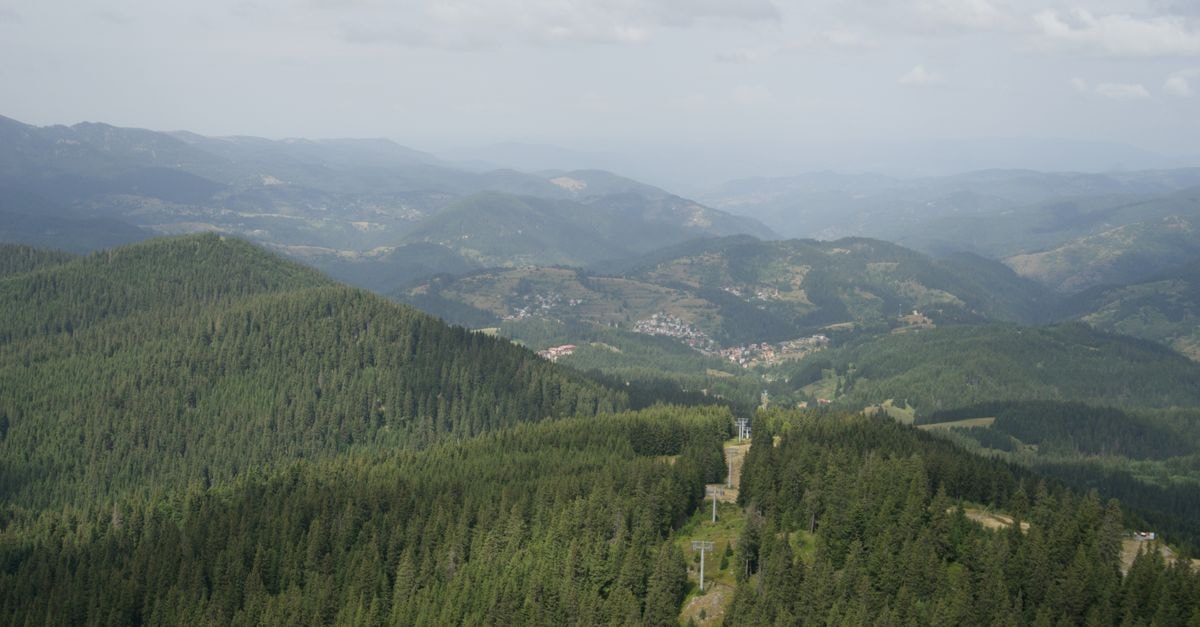
Beyond its streets, Trbovlje is also a base for natural sights, with the Mrzlica and Kum landscape parks described as extremely important features of the area by local destination materials. For travelers who like to balance cultural visits with time outdoors, this is one of the more appealing aspects of planning a stop here. A morning spent in town and an afternoon walking into either park, or simply using the parks as a scenic counterpoint to the industrial heritage, can give a visit a satisfying shape.
Travelers who like to pair every city visit with at least one green space will find this part of the Zasavje region especially accommodating; visitors with more demanding hiking ambitions may want to look at official park materials in advance to match routes to their preferred pace.
Getting there and getting around
Trbovlje sits in central Slovenia, and the city addresses the practical question of arrival directly in its destination materials under a "How to reach us" section. That phrasing is a useful reminder that the local tourism office treats access as part of the visitor story rather than an afterthought, which usually means the most reliable current information will be on the official Visit Trbovlje channels.
Food context
There is no city-specific culinary claim in the available evidence, so it makes more sense to read Trbovlje's food scene through the wider country context that visitors will encounter while traveling. Slovenia's official travel positioning describes a cuisine based on seasonal and local ingredients, intertwined with outdoor activities and a sense of health and well-being. That wider framing is useful as background: it suggests a visitor can expect menus shaped by what is in season locally, and that food is treated as part of a broader lifestyle rhythm rather than as a standalone attraction.
In practical terms, that means leaning into what is described as seasonal on the day, asking about local sourcing where you eat, and treating meals as a way to slow down between heritage stops and outdoor time. Travelers who enjoy farm-to-table style cooking and who like their meals to reflect a region's landscape will likely feel at home with the wider Slovenia approach; visitors with very specific dietary expectations may still want to confirm options directly with individual venues.
Choosing what fits your trip
Trbovlje rewards a particular kind of traveler, and it helps to be honest about what you want from a stop. If industrial history, landscape parks, and a sense of a small city in creative transition appeal more than blockbuster sights and a packed schedule, this is a place to lean into. Visitors who like to combine a half day of urban walking with a half day outdoors will find the Mrzlica and Kum landscape parks an easy counterweight to the mining heritage. Travelers who prefer deep preparation before arriving can use the virtual mining resource as a primer, while those who like to learn on their feet can simply follow the heritage thread through the streets. The official Visit Trbovlje channels remain the most accurate source for current openings, transport details and any seasonal programming, so a quick check there tends to settle most practical uncertainties before a visit.
A short verification note
Because the available evidence focuses on heritage framing, landscape parks and wider food context rather than current opening hours, transport timetables or ticketing details, it is worth confirming these directly with the official Visit Trbovlje channels before you travel. Travel conditions and venue arrangements can change, and an official check is the simplest way to make sure a visit lines up with what is actually open and running on the day.
Prices, opening hours, schedules, reservation rules, and local conditions can change; verify them through official channels before departure.
Share this article
TOOLS FOR THIS PLAN
Make the Trbovlje plan measurable
Choose a tool only when it answers the next question in your trip. Your values stay in the browser, and each tool offers a route back to this planning context.