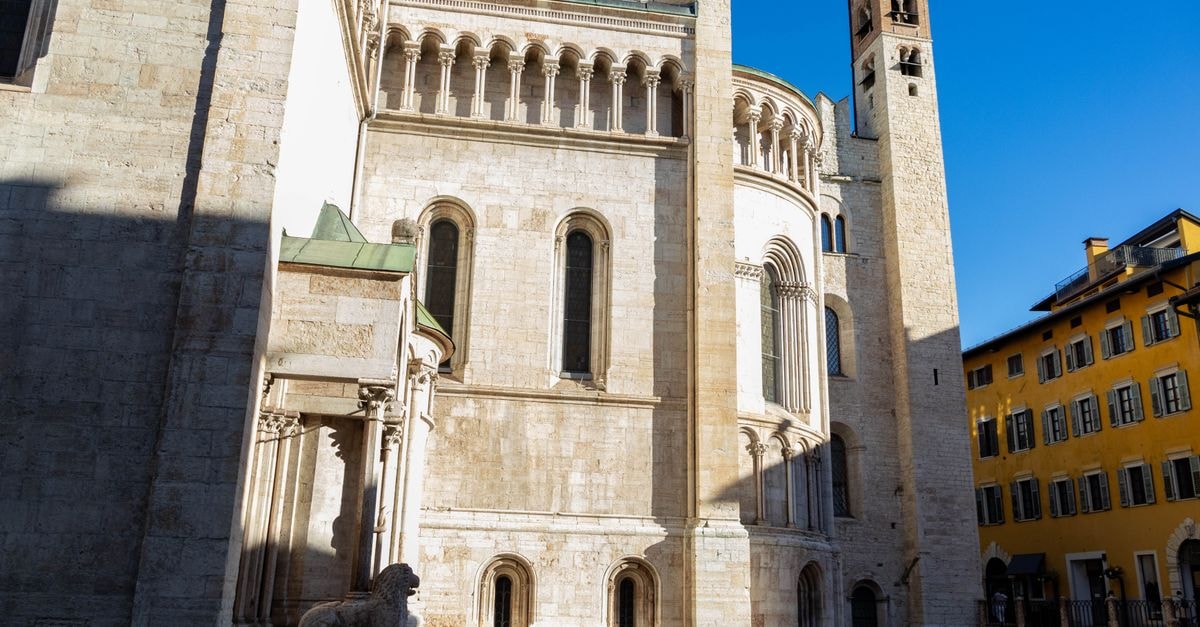
A first impression of Trento

Trento is the kind of city that rewards travelers who like to slow down. Set in the Trentino-Alto Adige region of northern Italy, it sits in a valley where the Adige River runs and mountains frame the skyline in every direction. The atmosphere has a measured, almost scholarly feel, shaped by its university presence and its layered history, yet it never feels heavy. Walking through the center, you can move from broad arcaded streets to quieter corners in just a few steps, and that contrast is part of the appeal.
For visitors planning a stay, the practical question is rarely "what should I see first" but rather "how do I want to move through the city, and where will I pause to eat." Two pieces of context make that easier to answer: how the city's local transport actually works, and the broader Italian food culture that any traveler in Trento will step into.
Getting around: buses, cable car, and the wider rail network
The city is well suited to travelers who prefer not to rely on a car. Local mobility in Trento is built around a network of public buses, and there is also a scenic cable car that connects the lower town to higher ground, offering a practical ride with a view that feels more like a small expedition than a commute. For a visitor, the bus network is the everyday workhorse: it reaches the parts of the city that are spread along the valley, while the cable car adds an element of vertical movement that gives the trip a sense of place.
If you are arriving from elsewhere in Italy, the national rail system is a comfortable way to reach Trento, with trains linking the city into the broader Italian network. For a traveler who likes to plan, this means the journey itself can be part of the experience, rather than something to push through.
A few grounding tips help the system feel intuitive once you arrive:
- Treat the bus map as your base layer. Trento is compact enough that a single line or a short transfer often covers most daily plans, and the cable car can be folded in as an attraction and a transit option at the same time. - Keep an eye on the cable car's operating pattern. A cable car ride is the kind of detail that turns a routine day into a memory, so building it into a half-day plan rather than trying to bolt it on at the last minute tends to work well. - Use the rail network for arrival and departure. Coming in by train and stepping out into the valley sets a calmer tone than arriving by road, and it pairs naturally with a city built around walking.
The overall feel is of a transport system that does not demand a lot of mental energy. You can learn it as you go, and within a day or two, the pattern of buses, the cable car, and the rail station becomes second nature.
Food and local context: stepping into Italian dining culture
Trento sits inside a country where food is woven into daily life, and that wider Italian food culture is something any visitor will encounter, whether they are sitting down for a long lunch, stopping for a quick bite, or ordering something to take with them. Italian dining is famously regional, but it also shares a countrywide rhythm: meals unfold at a pace that invites conversation, menus tend to follow the seasons, and the act of eating is treated as something worth doing properly.
For travelers used to fast, transactional meals, the Italian approach can feel like a small adjustment. Tables are meant to be occupied for a while, courses arrive in their own time, and the expectation is that you will linger. Even a simple coffee is its own small ritual. Understanding this in advance helps you read the room when you walk into a casual eatery or a more formal restaurant.
A few broader patterns that tend to hold across Italy, and that you will likely meet in Trento as well:
- Trattorias and restaurants range from very simple to refined, and price points stretch across a wide spectrum. You do not need a special occasion to eat well, and a casual setting does not mean a lesser meal. - Regional dishes and local ingredients are taken seriously. Menus often highlight what is grown nearby and what is in season, which means repeat visits can feel different depending on when you arrive. - The structure of an Italian meal, from an antipasto through a primo and a secondo to a small dolci or espresso, is something you can lean into. You do not have to order every course, but knowing the shape of the menu helps you decide what you actually want.
For an independent traveler, the practical takeaway is simple: build time around meals. A long lunch in the middle of the day is one of the most enjoyable ways to experience Italy, and in Trento it pairs well with the slower pace of the city itself.
Putting the day together
With the transport and food context in mind, a relaxed rhythm tends to emerge. Mornings work well for walking and for any bus ride that takes you toward the edges of the city. Midday is a natural anchor for a proper meal, and the cable car fits comfortably into the afternoon, when the light tends to soften and the views feel especially rewarding. Evenings are well suited to a stroll through the center and a lighter bite or a relaxed dinner.
This shape is not a prescription, just a way of letting the city's natural pace guide the day. Trento is small enough that almost any plan can be reshaped on the fly, and the transport options are forgiving enough that you can change direction without stress.
A few practical notes before you go
- The bus network and the cable car are the two pieces of local transport to get familiar with first; together they cover most of what a visitor needs within the city. - Trains are the simplest way to connect Trento to the rest of Italy for arrival and departure. - Treat meals as part of the experience, not as gaps between sightseeing.
A note on verification: travel conditions can change, and details such as operating hours, ticket options, and service patterns are best confirmed through official channels before departure. This guide reflects the broader picture rather than any specific timetable or price list.
Share this article
TOOLS FOR THIS PLAN
Make the Trento plan measurable
Choose a tool only when it answers the next question in your trip. Your values stay in the browser, and each tool offers a route back to this planning context.