A southern Togo city with a relaxed rhythm

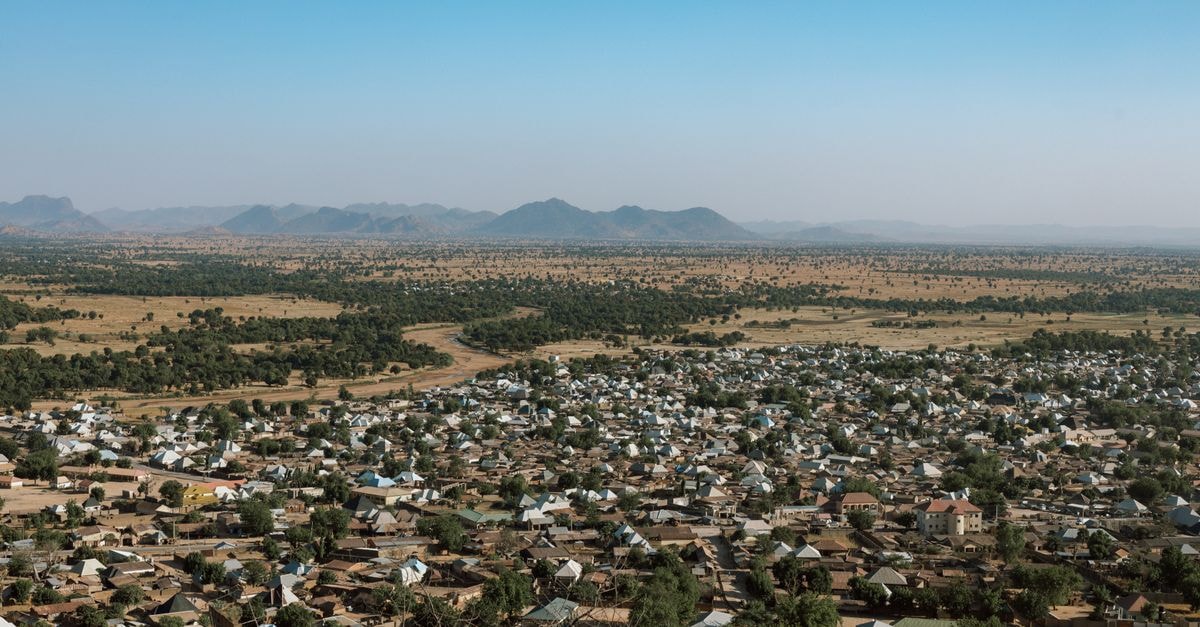
Tsévié sits in the Maritime region of southern Togo, about 35 km north of Lomé, and it carries the easygoing feel of a town that has not lost its sense of place. The roads lead quickly toward Lomé for travelers who want a day on the coast, yet the city itself moves at a gentler pace, with a welcoming mix of small-town charm and the everyday conveniences of southern Togo. It is the kind of place where market mornings set the tone of the day and the afternoon unfolds slowly, offering a quieter base than the capital for anyone curious about Togolese life beyond the main tourist trail.
For travelers who like to slow down and absorb a place rather than race through a checklist, Tsévié makes a thoughtful stop. Its position in the Maritime region means it is well placed for visitors exploring southern Togo, while the atmosphere remains distinctly local rather than over-developed. The balance of cultural heritage, working markets and everyday Togolese rhythm gives the city a character that feels genuine rather than curated.
Weather and seasonal context
The approved sources describe Tsévié in general terms as a vibrant city in southern Togo with a rich cultural heritage and bustling markets, and as a place that retains its small-town charm while offering modern amenities. They do not give specific temperatures, rainfall figures or month-by-month climate data, so this guide keeps weather advice evergreen rather than tying it to a particular date.
Southern Togo generally experiences a tropical climate, and travelers should expect warm, humid conditions through much of the year. Lightweight clothing, breathable fabrics and a light layer for air-conditioned spaces are sensible choices. Because humidity can make even moderate activity feel heavier, pacing the day with a slower midday break and heading out again in the late afternoon often suits visitors better than trying to pack everything into the hottest hours. Anyone with specific climate questions for a particular season should check a current weather source closer to their trip, as conditions can shift and this guide deliberately avoids claiming any single month as the best time to visit.
Getting around
Tsévié's compact scale and its location roughly 35 km north of Lomé shape how visitors move through the city and the region. Within Tsévié itself, short walks between the central areas are typically manageable, especially around the markets and the main landmarks. For travel between Tsévié and Lomé, or onward to other parts of southern Togo, road connections are the practical choice, and travelers usually arrange ground transport through their accommodation or local contacts rather than relying on a fixed public timetable shown in guidebooks.
Within the city, one anchor that helps orient a walking visit is the Catholic Church, beside which sits St Jean Apôtre de Tsévié, a beautiful church that showcases the rich cultural heritage and spirituality of the region. For travelers who enjoy pairing a quiet reflective stop with a sense of local architecture, the church and its immediate surroundings can serve as a calm reference point in an otherwise market-driven city. Visitors who prefer a slower cultural pace may appreciate building a short visit around this kind of site rather than rushing between many stops.
Independent travelers who like to keep plans flexible often find Tsévié easier to navigate than larger Togolese cities, simply because distances are short and the urban layout is more contained. Travelers with mobility concerns may want to confirm ground conditions locally, as the sources do not describe pavement quality, curb cuts or accessible transport, and a quick check with hosts or local contacts is the most reliable way to plan a comfortable route.
Markets, culture and everyday life
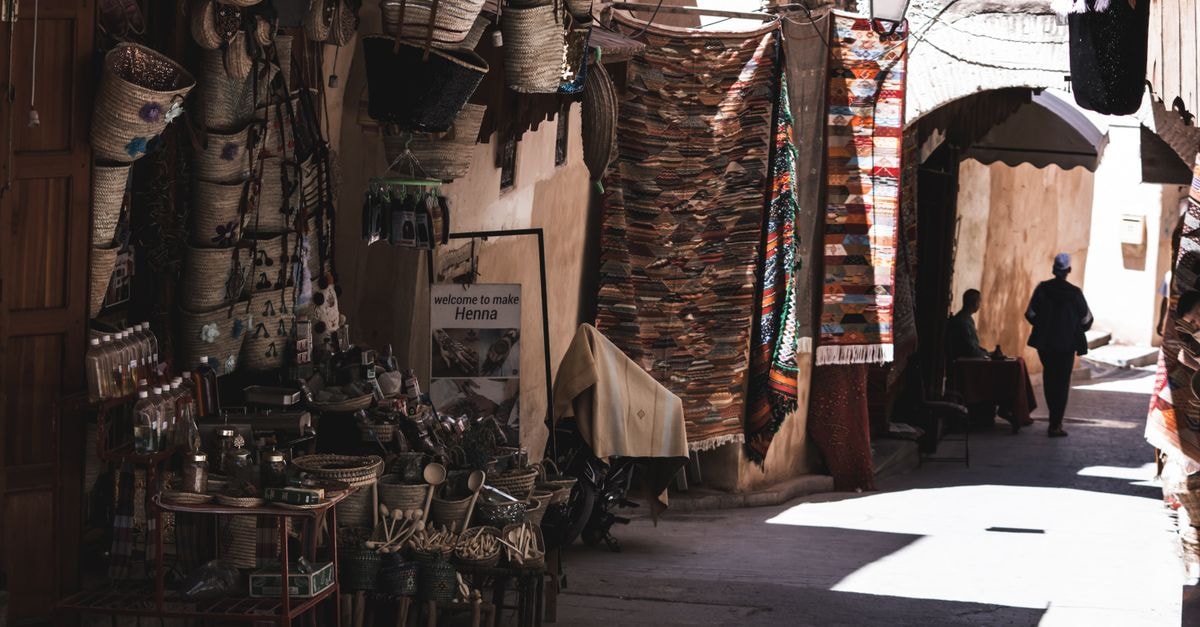
The city's bustling markets are repeatedly highlighted in the sources as part of what gives Tsévié its identity, alongside its rich cultural heritage. Markets here are not tourist attractions in the polished sense; they are working spaces where residents buy produce, household goods and fabrics, and where visitors can observe the everyday rhythm of southern Togo. Approaching them as a place to watch and learn rather than a venue for hard bargaining tends to make the experience more rewarding, and travelers who enjoy photography, food culture or simply people-watching often find these markets the most memorable part of a Tsévié visit.
Wider Togolese culture, including the country's shared food traditions and social etiquette, forms a gentle backdrop to any stay in Tsévié. Visitors may encounter regional dishes and local courtesies that are common across Togo, and taking a little time to learn basic greetings and table manners is a small gesture that tends to be warmly received. Travelers who prefer immersive cultural experiences over sightseeing checklists often feel most at home in this setting, where the everyday itself is the main attraction.
Choosing what fits your trip
Tsévié suits travelers who want a quieter southern Togo base with cultural depth, rather than a busy resort or a fast-paced capital itinerary. Those drawn to working markets, local heritage sites and reflective stops such as the church beside St Jean Apôtre may find the city rewarding, while visitors looking for a wide slate of formal attractions or a lively nightlife scene may prefer to combine Tsévié with a stay in Lomé. Independent travelers who are comfortable arranging their own ground transport and pacing their day around the heat and humidity typically settle in most easily. Anyone with very specific accessibility, dietary or transport needs should verify details locally before relying on them, since the available sources do not address every practical question.
A final practical note
Because this is an evergreen guide built on durable descriptions of Tsévié rather than live conditions, travelers should confirm current transport options, market days, church visiting hours and any local guidance through their accommodation, a recent traveler forum or official channels before finalizing plans. Factual travel conditions can change, and a quick check on the ground usually gives the most accurate picture for the specific dates of any visit.
Share this article
TOOLS FOR THIS PLAN
Make the Tsévié plan measurable
Choose a tool only when it answers the next question in your trip. Your values stay in the browser, and each tool offers a route back to this planning context.