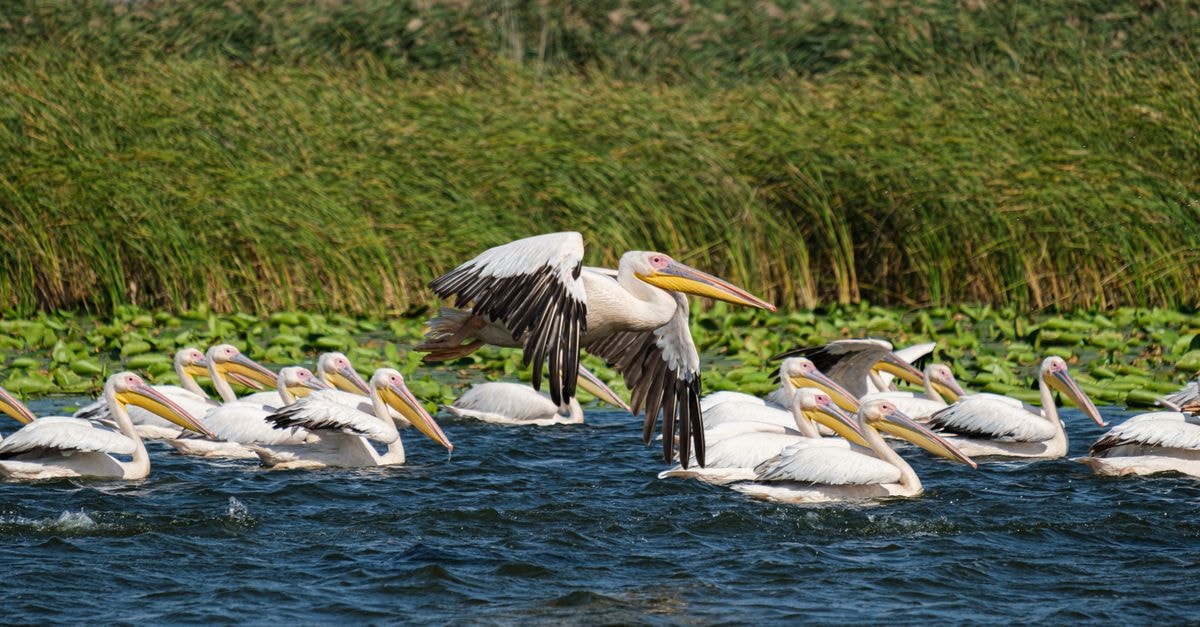
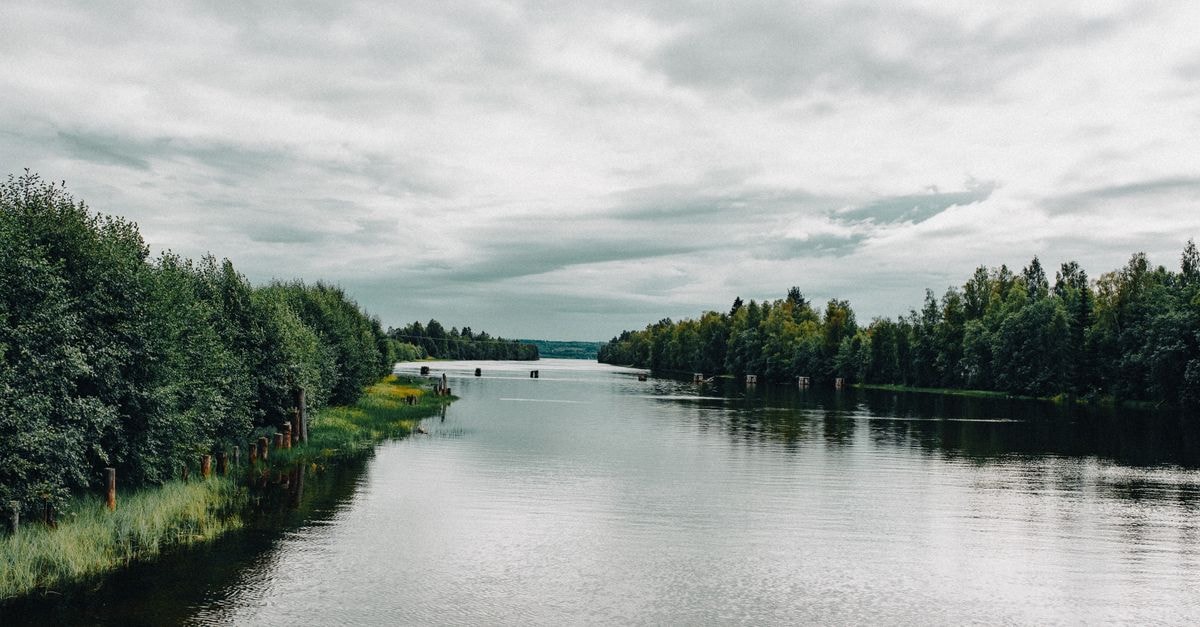
There's a particular kind of city that doesn't try to win you over with a checklist of headline sights. It simply sits at the edge of something much larger and more dramatic, and you can feel that hum from the moment you arrive. Tulcea, the capital of Tulcea County in the historical region of Dobrogea in Romania, has exactly that quality. It is, in the most generous sense, a doorway rather than a destination in itself.

If you're the sort of traveller who likes to ease into a place before the bigger adventures begin, Tulcea rewards that pace. The city's setting on the Saint George Branch of the Danube River, right by the Danube Delta, gives the air a softness you don't always expect from a Romanian town. Light plays off the water, and the rhythm of boats and birdlife slips into the day whether you're looking for it or not.
This guide keeps things simple and grounded. It's meant to help you understand what Tulcea actually feels like as a base, what kind of weather and seasonal mood to expect, and where to look when you want practical logistics without the guesswork.
The Lay of the City
Tulcea is officially the capital of Tulcea County, set in the historical region of Dobrogea in southeastern Romania. The city sits directly on the Saint George Branch of the Danube River, and the wider Danube River Delta begins essentially at its doorstep. Because of that, the city is often described as a gateway into one of the most distinctive wetland landscapes in Europe, a place where land and water blur into each other and the horizon opens out in a way most inland cities simply cannot offer.
Topographically, Tulcea is built across seven hills, which gives the town a slightly layered feel as you walk through it. Streets step up and reveal new viewpoints, and the relationship between the river below and the residential streets above becomes a small pleasure of its own. From the higher parts of town you get a real sense of why this place has long been a launching point for journeys into the delta. The river feels close, present, and unhurried.
The Danube Delta itself, which begins just beyond the city, is recognised internationally for its ecological importance. That context matters even before you set foot on a boat. Tulcea is, in many ways, a working river town, and its identity is shaped by the constant movement of water, light, and the people who make their living along the branches and channels.
A Gateway Mindset
It's worth being honest about how travellers tend to experience Tulcea. For many, the city is a base rather than the headline attraction. You arrive, you settle in, and from there you organise your deeper explorations. Tulcea is frequently framed as a real gateway to the world of the Danube Delta, and that framing shapes almost everything about how the town works.
What that gateway status means in practice is that the city is set up for arrivals and departures. You'll find a working harbour atmosphere, a sense of motion toward the water, and an infrastructure that thinks in terms of journeys outward. Mornings can have that particular energy of people preparing for boat trips, supplies being moved, and guides coordinating with groups. It feels purposeful without ever feeling rushed.
If you're someone who enjoys the threshold moment of travel, that in-between pause where you're not quite at your destination yet, Tulcea has a quiet charm. It's a city you settle into rather than tick through. Allow yourself an evening to walk the waterfront before you commit to any bigger plans.
Weather and Seasonal Context
Long-term climate patterns in this part of Romania tend toward warm, settled summers and cooler, quieter winters, with the moderating influence of the Danube and the nearby Black Sea keeping conditions a touch softer than inland Romania. Because Tulcea sits at the meeting point of river and delta, humidity can be noticeable, and the light has a particular clarity that photographers tend to love.
One of the loveliest ways to experience the city's climate is simply by being on the water's edge. There's a well-known local pleasure in watching the morning sun reflect on the calm surface of the Danube while walking along the Tulcea Promenade. The breeze off the river, the fresh scent of water, and the slow pace of the walk all combine into something that feels distinctly Tulcean. It's the kind of moment that tells you more about the city's rhythm than any itinerary could.
If you're planning a visit, it's worth thinking about how you want to spend your time outdoors. Delta excursions involve long hours on boats, often in open sun, so a gentle pace through the city itself can be a welcome counterbalance. Evenings along the promenade tend to feel softer and cooler, and that's often when the city opens up most invitingly for a slow wander.
Because the climate shifts gently through the year rather than dramatically, Tulcea works as a destination in almost any season. The trade-off is mostly about how much time you want to spend on the water versus on land. Whatever window you choose, layering clothing and keeping a light waterproof option to hand is a sensible habit, simply because riverside weather has a habit of changing its mind.
Getting Around and Where to Look for Logistics
Because Tulcea functions as a gateway, a lot of the practical information you'll need is consolidated in one place. The Visit Tulcea platform exists specifically as a regional travel guide for the city and the wider Tulcea area, and it's designed as the kind of single reference where you can find attractions, accommodation, gastronomy, traditions, and events without having to dig through scattered sources.
For accommodation, the city and the surrounding region offer a genuinely wide spread. You can find options ranging from campsites through to four- and five-star resorts, alongside traditional guest houses, farm-stays known locally as agropensiuni, and guesthouses that come with full modern comforts. That range is useful to know in advance, because it means you can shape your stay around your own travel style rather than adapting to whatever happens to be left.
If you're the kind of traveller who likes to plan in layers, a sensible approach is to use the Visit Tulcea guide as your main hub for booking and orientation, and then layer your delta-specific arrangements on top once you've seen how the city actually feels in person. Because Tulcea is a base, those logistical decisions tend to matter more here than in cities where you can simply wander and decide on the spot.
A final practical note: factual travel conditions change. Hours, prices, schedules, and on-the-ground availability can shift without warning, and the most reliable way to avoid surprises is to cross-check the Visit Tulcea platform and official local channels closer to your departure date. Treat any guide, including this one, as a starting frame rather than a final answer, and you'll get the best out of your time in this quietly fascinating corner of Romania.
Prices, opening hours, schedules, reservation rules, and local conditions can change; verify them through official channels before departure.
Share this article
TOOLS FOR THIS PLAN
Make the Tulcea plan measurable
Choose a tool only when it answers the next question in your trip. Your values stay in the browser, and each tool offers a route back to this planning context.