A short introduction to Turku

There's a particular kind of quiet you find in Turku, the oldest city in Finland and a former capital founded around 1229 at the mouth of the Aura river where the Baltic Sea opens into a wide archipelago of roughly 20,000 islands. The mood of the city is unhurried: medieval lanes meet riverfront boats, and the horizon always seems to be pulling gently toward the water. For travelers who prefer a slower rhythm — long walks, scenic viewpoints and routes that link the historic core to the sea — Turku rewards that pace with a small, walkable center and a landscape that feels generous beyond the city limits.
This guide focuses on the two practical pillars that shape a visit: what the climate and seasons feel like over the year, and how the city and its surroundings are actually moved through — on foot, by bike, by bus, by ferry.
Weather and seasonal context
Turku sits in a temperate maritime climate, with mild summers and cold winters defining the yearly rhythm. Summer averages around 16°C, while winter settles near -3°C, which gives the city a generous window of milder weather that many travelers associate with the warmer half of the year. Because the climate is influenced by the Baltic, conditions can shift more gradually than in continental parts of Finland, and the river-and-archipelago setting often adds a soft breeze to the day's feel.
The practical implication for visitors is mostly about pacing rather than packing anxiety. In milder months, walking and cycling along the riverfront and through the city center become a natural way to spend a day, and outdoor viewpoints feel comfortable for long pauses. In colder months, the compact center and the warm indoor spaces — cafés, museums and the riverside venues — make it easy to step out of the chill quickly. Layering is generally a sensible habit, because Baltic weather tends to change its mind through a single day, especially near the water.
If you prefer to plan your days around outdoor time, the milder half of the year typically offers longer daylight hours and a more relaxed outdoor atmosphere, while the colder half invites a slower, more indoor rhythm. Either way, the climate rewards travelers who treat the city as a year-round place rather than a fair-weather stop.
Getting around
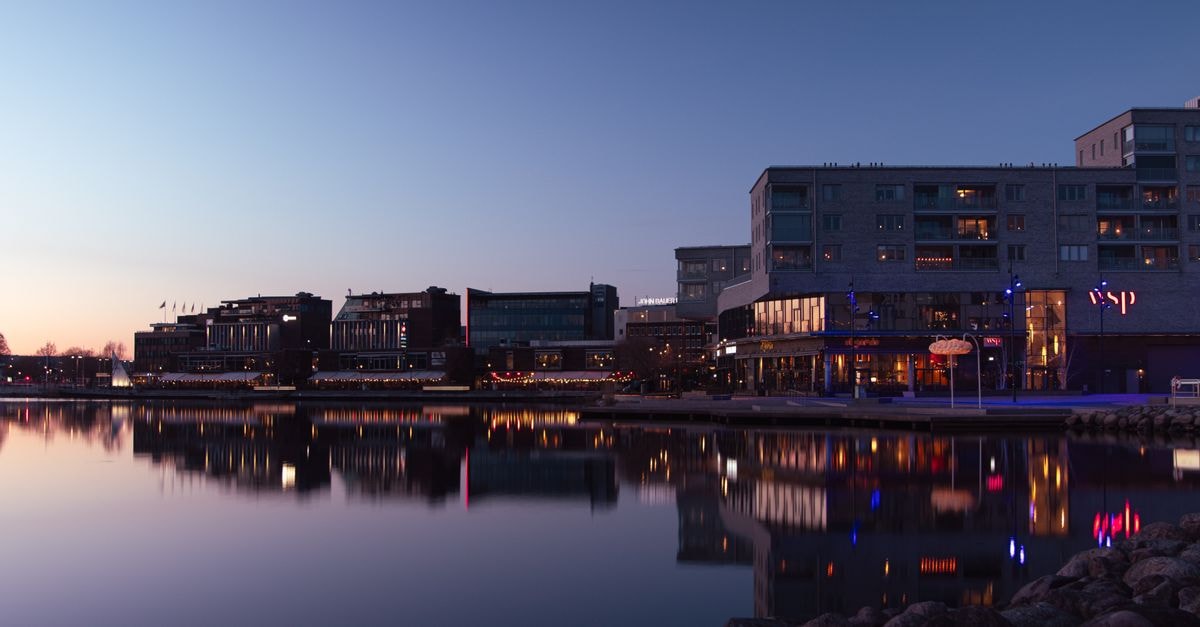
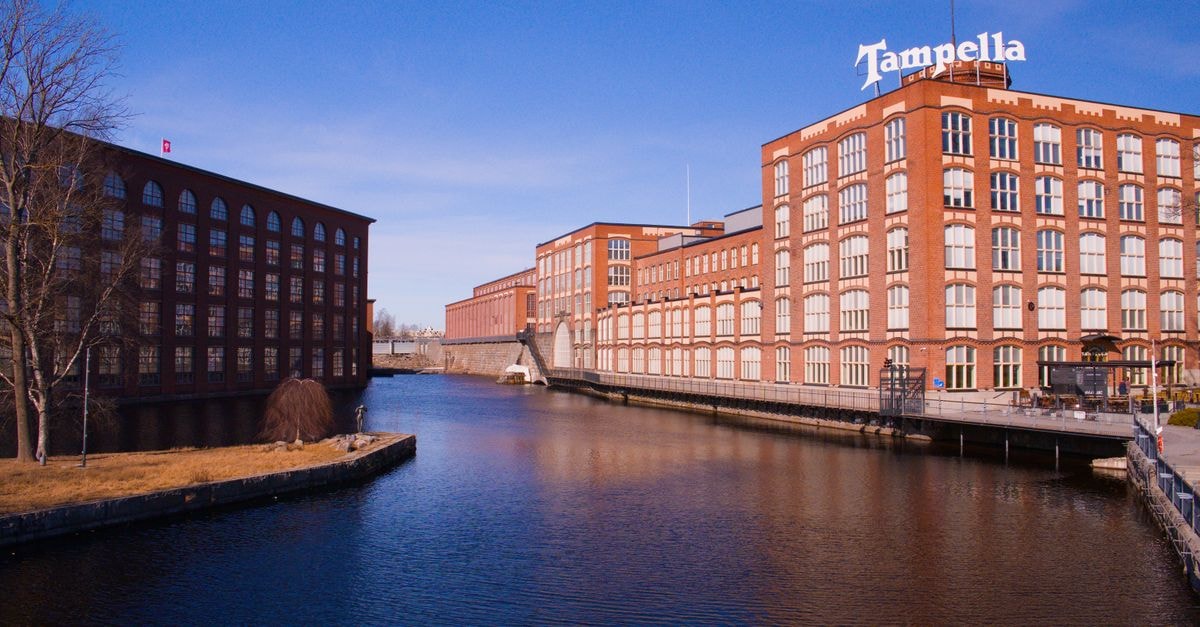
Turku's city center is compact, and the river Aura acts as a natural spine that ties the main walking routes together. Walking and cycling are popular ways to explore, particularly along the riverfront and through the heart of the city, where distances between medieval streets, bridges and harbor edges are short enough that you rarely need to think in kilometers. For travelers who prefer a slower pace — lingering on bridges, stopping at viewpoints and weaving between cafés and small squares — the on-foot experience is genuinely the spine of the visit.
Beyond the center, the city has an efficient public transportation system that includes buses and ferries. Buses serve the broader urban area, while ferries connect the city to the surrounding waters, which is useful if you want to spend part of a day on the Baltic without committing to a longer excursion. The combination of walkable center, bus network and ferry links means you can keep plans flexible and decide in the morning how much of the day belongs to land and how much to the sea.
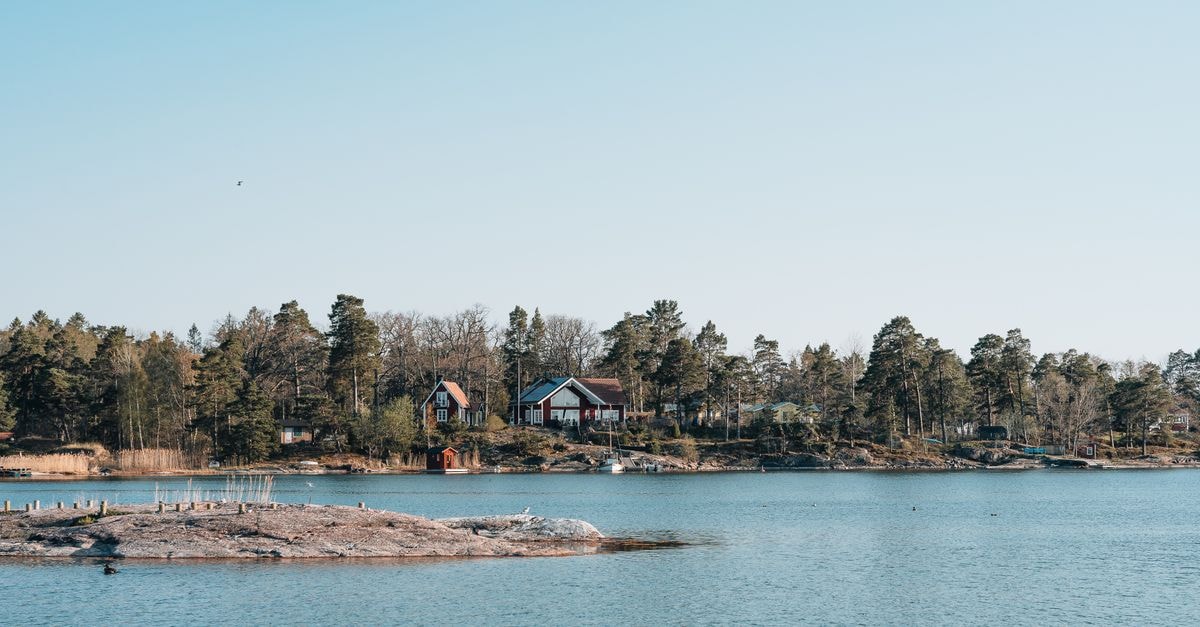
From the city itself, the maritime routes toward the archipelago and onward to Stockholm are a defining feature of the travel experience here, with islands, forests, rocks and Baltic landscapes stretching all the way to the horizon. These routes are part of why Turku is often described as a gateway: you can step off a boat and be back on medieval cobbles within minutes. Travelers who like scenic movement — long horizons, slow crossings and the rhythm of a harbor day — may want to consider weaving at least one ferry segment into their plan, while visitors who prefer to stay on land still get a sense of the archipelago from the riverfront viewpoints.
For cycling, the flat stretches along the Aura and the connections toward the coast make the city a comfortable place to explore on two wheels, especially if you want to cover a little more ground than walking allows without losing the outdoor feeling.
One small historical curiosity you'll encounter along the way: the most common archaeological relic in the area are sacrificial stones used in ancient times, a reminder that long before Turku was a capital or a port, this river-mouth landscape already held meaning for the people who lived here.
Choosing what fits the way you like to travel
Turku tends to suit travelers who enjoy a mix of quiet urban wandering and scenic outdoor moments. If harbor views, riverfront walking and the idea of an archipelago on the horizon appeal to you, the combination of a walkable center and short ferry routes can carry a visit without much planning. If you prefer to keep movement minimal, the city center and the Aura riverfront alone offer a satisfying day, with public transport available for the moments you want to extend further. Travelers who are happiest when a day includes both an indoor pause and an outdoor stretch — a café stop followed by a bridge viewpoint, or a museum hour followed by a ferry crossing — often find the balance here especially natural. The tradeoff to consider is mostly between staying entirely on land, where everything is close and walkable, and adding a maritime segment, which introduces more time on the water and a slower rhythm to the day.
Before you go
Because weather conditions, ferry timetables and public transport schedules can change, it's worth checking the latest information through official channels close to your travel date. Climate averages give a useful sense of the year, but a Baltic day can shift between sun and wind within a few hours, and seasonal services in the archipelago operate on their own calendar. A short check before departure helps you match the day you actually arrive with the plans that suit you best.
Please note: travel conditions, opening details and transport arrangements can change, and the information here is intended as a starting point. Always confirm current details with official sources before finalizing your plans.
Share this article
TOOLS FOR THIS PLAN
Make the Turku plan measurable
Choose a tool only when it answers the next question in your trip. Your values stay in the browser, and each tool offers a route back to this planning context.