Weather and Seasonal Context
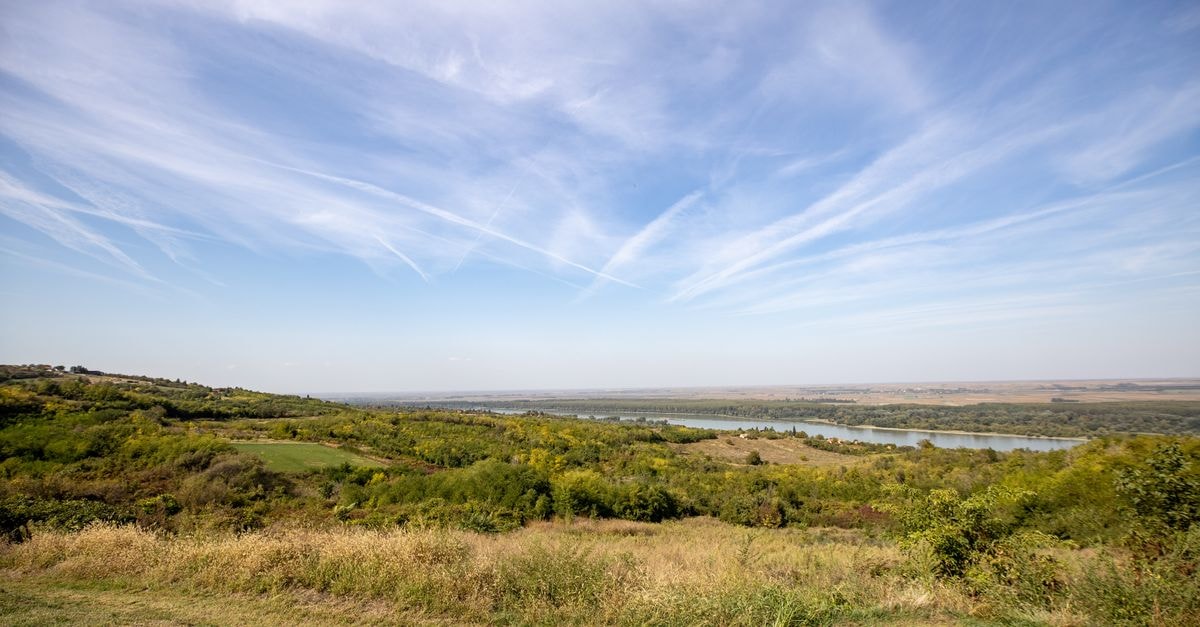
Ungheni's climate rewards travelers who think in terms of the calendar more than the thermometer. Tourism-scored weather in the area is at its most pleasant from late May through mid September, when warm-weather activities tend to feel most comfortable; outside that window, the cooler shoulder seasons shift the rhythm toward slower cafe afternoons, longer meals, and indoor pauses between outdoor walks. Rainfall trends ease as the second half of the year progresses, with the late-summer and autumn months forming part of a gradual drying trend after the wetter peak, though conditions always shift year to year.
For travelers who prefer their sightseeing in mild conditions and do not mind sharing the town with fewer international visitors, a shoulder-season visit can feel especially rewarding. Those who travel specifically for long outdoor days or riverfront evenings may want to reconsider their timing and lean toward the warmer window when daylight stretches and temperatures stay comfortable into the evening.
Getting Around and the Wider Rail Network
Ungheni is fundamentally a railway town, and the train remains the most natural way in or out for independent travelers. Routes connect Ungheni directly with Chișinău, Moldova's capital, as well as with international services into Romania and Ukraine. Some trains on these routes include sleeper cars and onboard Wi-Fi, which can make longer journeys from or through Ungheni unexpectedly comfortable. Timetables and booking details are managed through Moldovan Railways (CFM), and travelers should check the latest schedule before committing to a connection.
Because the town is compact and centered on its rail and river geography, most visitors find that walking between the station, the central streets, and the key landmarks is straightforward. The rail-yard itself, with its Soviet-era locomotives still in active service, sits very close to the orchards that slide down toward the Prut, giving the town its distinctive blend of mechanical and pastoral character.
Attractions and Planning Your Days
Ungheni rewards travelers who build slow evenings rather than tight checklists. A Soviet brass-band rehearsal is one of the genuinely local experiences worth seeking out: on Wednesday nights the band practices under the lime-green gazebo, with tubas catching the light, valves clicking, and sheet music fluttering in the breeze. It is the sort of scene that does not need a ticket or a reservation, only a curious walk past the park at the right hour.
For travelers interested in the religious and architectural heritage of the region, Biserica Sfântul Nicolae stands as a historic Orthodox church with traditional Moldovan architectural details. It is the kind of place that invites a quiet step inside rather than a hurried photo stop, and it pairs naturally with a gentle walk through the surrounding streets.
Because Ungheni is small, planning here is less about cramming in sights and more about choosing a few anchors: a park bench for the brass band, the church for a slower moment, and the rail-yard edge for atmosphere. Travelers who prefer harbor-style promenades or riverfront walks will find the Prut setting offers exactly that kind of unhurried horizon, even though the town itself is not a port. Visitors who dislike long walks between attractions may particularly appreciate the compact layout, since most points of interest sit within easy reach of each other.
Food and Countrywide Context
Ungheni does not have a heavily branded food scene, and that is part of its appeal. Visitors who sit down at local tables tend to encounter the wider dishes that define Moldovan home cooking. Two classics worth asking about are placinta cu brinza, a thin, golden cheese pie that arrives hot and is often eaten by hand, and sarmale, cabbage rolls stuffed with seasoned meat and rice, slow-cooked until the leaves turn silky. These are not Ungheni-specific inventions, but they are the dishes a curious traveler is most likely to encounter while dining in the town.
Treat the search for good local food as a conversation rather than a checklist. Ask which bakery made the morning's placinte, ask whether the household version of sarmale uses smoked meat or pork alone, and let the answers shape where you eat. A short walk from the station or the park will usually reveal a family-run place where the menu is short, the portions are generous, and the recipe feels like it has not changed in decades.
Choosing What Fits the Trip
Ungheni works best when the trip is built around atmosphere rather than a packed agenda. Travelers who enjoy railway culture, slow river-town evenings, and the chance to step into a Wednesday brass-band rehearsal will find the town generously rewarding, especially in shoulder seasons when the climate is cooler but the streets are quieter. Those who prefer long warm-weather days, beach-style activity, or large-scale sightseeing may want to anchor Ungheni inside a broader Moldova itinerary rather than as a standalone destination. Pairing a night here with a Chișinău arrival or a Romania-bound train can make the town feel like a chapter in a longer story rather than an isolated stop.
Before You Go
Train timetables, station facilities, and church visiting hours can all change, and conditions on the ground in any small Moldovan town tend to shift with the seasons and local events. Check the latest information with Moldovan Railways (CFM) for train bookings and confirm opening details for any specific venue you plan to visit before you travel.
Prices, opening hours, schedules, reservation rules, and local conditions can change; verify them through official channels before departure.
Share this article
TOOLS FOR THIS PLAN
Make the Ungheni plan measurable
Choose a tool only when it answers the next question in your trip. Your values stay in the browser, and each tool offers a route back to this planning context.