The pull of the Asian shore

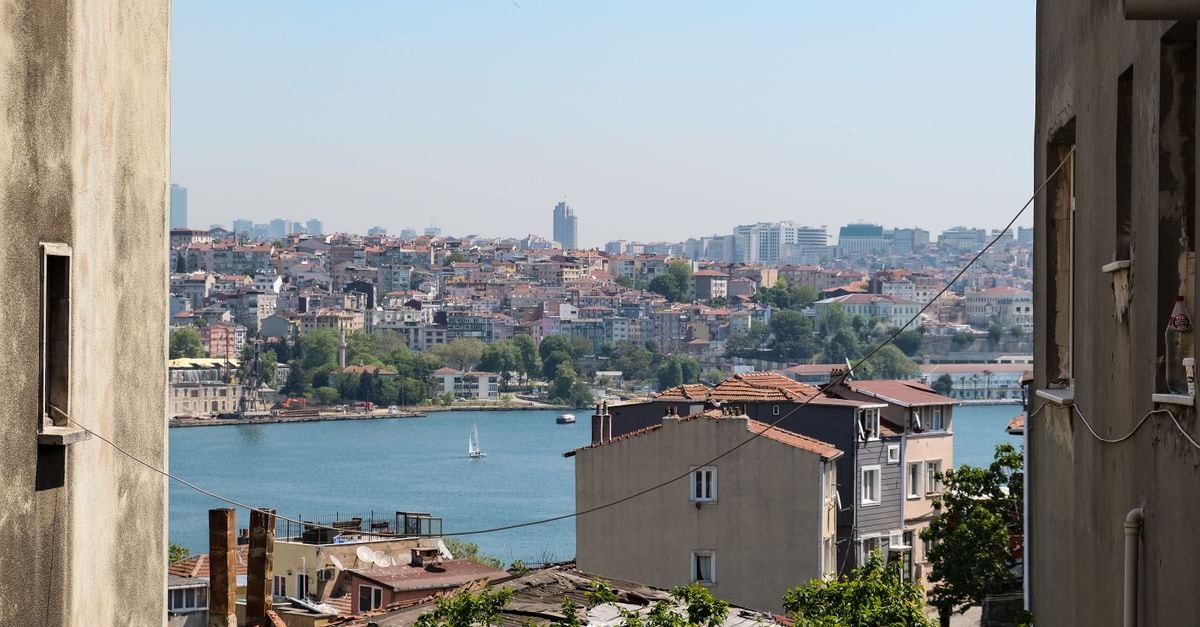
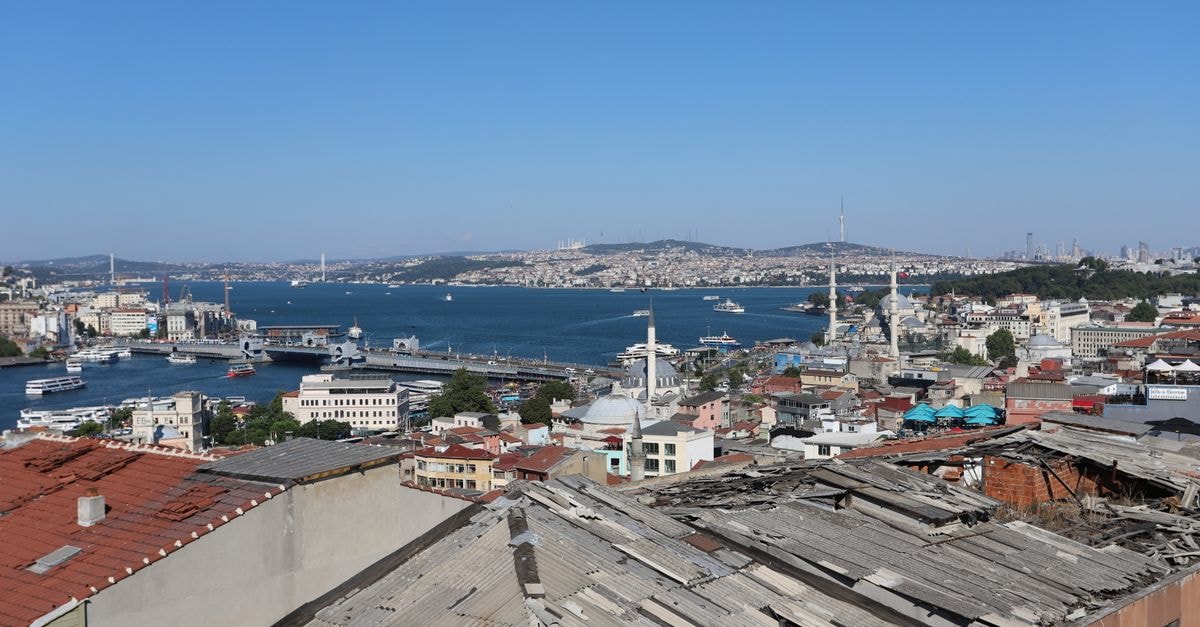
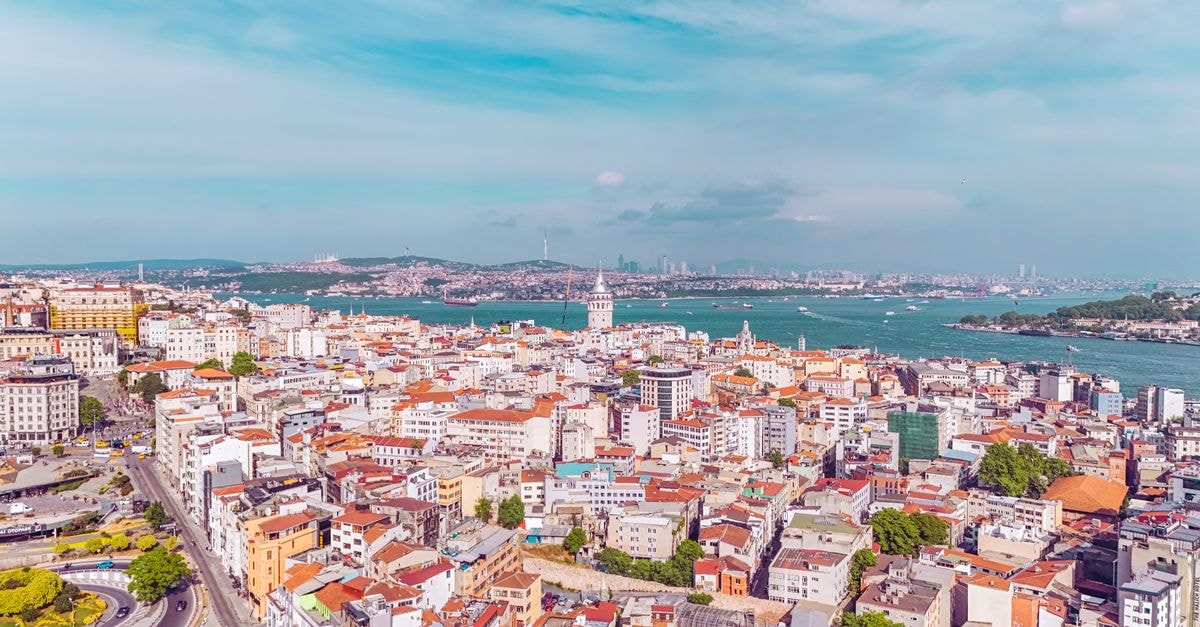
There is a particular hush to Üsküdar that feels different from the bustle on the other side of the Bosphorus. Set on the Asian coast of Istanbul, this historic district has long been a place where travelers pause, look across the water, and let the skyline of the Old City rearrange itself in their minds. Its waterfront is wide and breezy, its mosques cast long afternoon shadows, and its ferry terminals hum with the steady rhythm of a city that has always lived by the sea.
If you are planning a visit and want a neighborhood that mixes layered Ottoman heritage with commanding harbor views, Üsküdar offers a slower, more reflective counterpoint to the better-known sights across the strait. This guide gathers the practical threads: how the weather shapes a day here, how to weave ferries, metro and rail into your route, where the headline sights sit along the coast, and a wider note on Turkish culinary culture you are likely to encounter.
Weather and seasonal context
Üsküdar sits squarely on the Bosphorus, which means its weather is shaped as much by the water as by the calendar. The strait brings a breeze that can lift on summer afternoons and turn sharper when conditions shift. Because the climate here is transitional, layering is the practical habit locals rely on: a light layer for warm midday sun, something warmer for the ferry ride back when the wind picks up. Travelers who prefer unhurried sightseeing may want to plan outdoor stops for the gentler parts of the day, then drift into a mosque courtyard or a tea garden when the breeze picks up.
Rain is never far from a coastal Istanbul month, so keeping a compact umbrella or a packable jacket within reach is a small comfort. The bigger reward for any visitor is simply giving yourself time to sit by the water. Watching the ferries slide across the strait, with the domes and minarets of the Old City glowing on the opposite shore, is one of the most memorable slow moments in the city, and it costs nothing more than a little patience.
Getting around
The transport story here is unusually elegant, because Üsküdar is a natural crossroads. From the European side, the most scenic route is by ferry. The city-line ferries run frequently throughout the day from Eminönü and Kabataş to Üsküdar, and tapping an Istanbulkart at the turnstile is the standard way to board (around TL 53 per crossing, as referenced in current published fares). The crossing itself is part of the pleasure, and visitors who enjoy harbor views will find that the ferry does as much sightseeing as any guided cruise.
If you are already on the Asian side, the Marmaray commuter rail and the M5 metro both reach the Pier Square area near the waterfront. The M5 continues inland and climbs toward Çamlıca, which is useful if you are combining the coast with higher ground, and buses run along the shore toward the leafy neighboring district of Kuzguncuk. Linking any of these options is straightforward, because the terminals sit close together near the main square.
The wider transport tapestry is one of Üsküdar's quiet strengths. The Bosphorus Bridge connects Europe and Asia just to the north of the district, and traveling across it, whether by car, taxi or bus, gives a sense of crossing between continents in a way that few cities can match. Ferries, rail, metro and bridge together mean you can shape the day around views, rather than around logistics.
Attractions and planning
The signature heritage sight along this stretch of coast is the old Ottoman summer palace featured in the source material as a landmark on the Asian shore. It sits directly on the water and was historically used to accommodate foreign guests during the Ottoman period, which gives it a slightly more diplomatic, residential feeling than the grander imperial complexes elsewhere in the city. The palace offers a grand view of the Bosphorus Strait and the Old City, as seen from the Asian side, and that single viewpoint is often what visitors remember longest.
Approaching the palace is part of the experience. The route along the waterfront passes through some of the quietest, most photogenic corners of the district, with the strait always in view. Travelers who prefer to avoid climbing may want to time their visit for the approach rather than the interior, because the gardens and terraces reward a slow pace. Anyone who enjoys heritage architecture will find that the palace and the surrounding coastal stretch together offer a satisfying half-day on their own, with the Bosphorus as a constant companion.
A practical note: because the palace sits between the ferry terminals and the bridge, it pairs naturally with a morning ferry arrival and an afternoon crossing back. Visitors who like to keep plans flexible will appreciate that the surrounding waterfront has plenty of shaded benches and tea gardens for unplanned pauses.
Choosing what fits the trip
Travelers who care most about harbor views will find Üsküdar unusually generous, since nearly every suggested route ends at the water. If your priority is layered Ottoman heritage with a slightly quieter atmosphere than the busiest historic neighborhoods, the palace-and-waterfront combination delivers that without requiring a full day. Visitors who prefer to keep walking light will appreciate that the ferry terminals, the palace approach and the main squares all sit within a compact coastal arc, so the day can stay gentle without missing the headline sights.
If you like a slower rhythm, plan around the breeze rather than a checklist: a morning ferry, a long waterfront pause, an indoor heritage stop, and an afternoon tea by the strait. If you prefer a more energetic day, layer in the M5 toward Çamlıca or a bus along the shore to add altitude and neighborhood texture to the route.
Food and local context
In a city defined by water, food tends to follow the currents, and visitors to Üsküdar will quickly notice the wider rhythms of Turkish culinary culture shaping what appears on the table. On a national scale, nutritional habits are shaped according to the prevalent cultural, geographical, ecological and economic characteristics and features, as well as the historical process, which means menus tend to reflect both the sea and the land, with strong tea culture woven through every pause in the day. The fish sandwiches sold near ferry terminals, the small plates that arrive with bread and water, and the sweet breakfast spreads inland are all part of this broader national pattern rather than a single neighborhood specialty.
For travelers, the practical takeaway is simple: lean into the small, recurring rituals. A glass of tea by the water, a fresh-baked simit in the morning, a shared mezze spread in the early evening. These moments are easy to find across Üsküdar's waterfront and tend to be where the most lasting memories of the Asian shore are made.
A note before you go
Factual travel conditions, including fares, timetables and opening arrangements, can change. Before you set out, it is worth checking the latest information through official transport and heritage channels so that your day matches what is actually available on the ground. With those small checks in place, Üsküdar is the kind of neighborhood that rewards the curious traveler with both grandeur and quiet, often within the same afternoon.
Prices, opening hours, schedules, reservation rules, and local conditions can change; verify them through official channels before departure.
Share this article
TOOLS FOR THIS PLAN
Make the Üsküdar plan measurable
Choose a tool only when it answers the next question in your trip. Your values stay in the browser, and each tool offers a route back to this planning context.