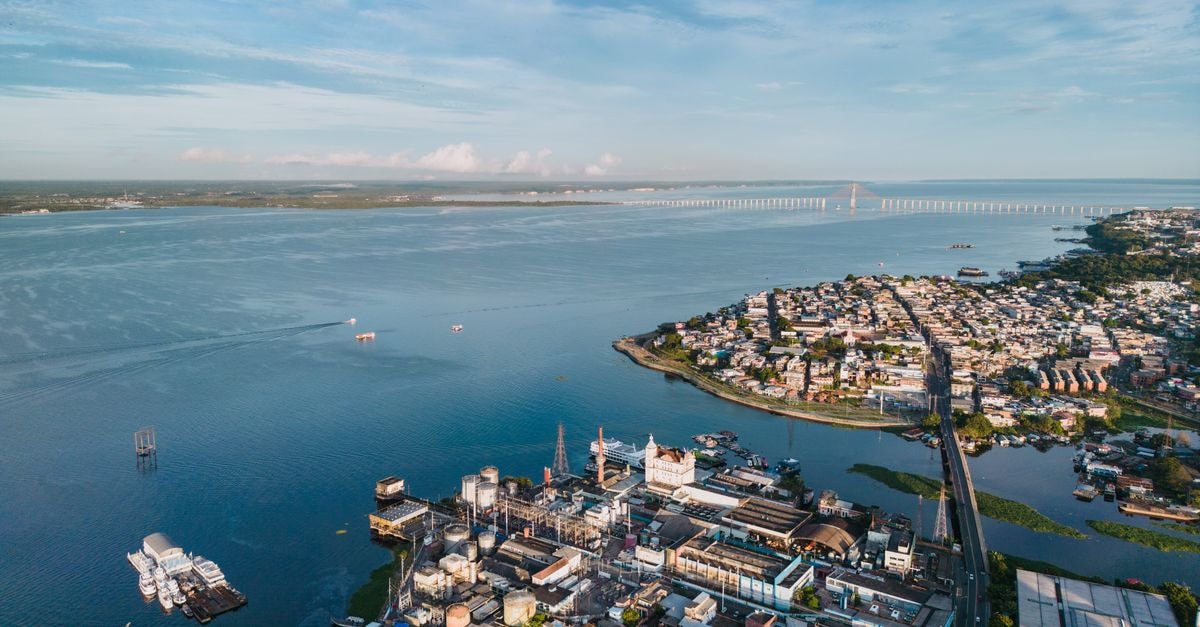
A Slow Introduction to Valencia

Valencia sits in the Carabobo region of northern Venezuela, and it carries a quietly confident personality. It is not the kind of city that shouts for your attention; instead, it draws you in through street-level moments, a love of conversation, and a cultural calendar that runs deep into the everyday. For travelers who prefer places where local life sets the pace rather than a tightly packed sightseeing checklist, Valencia offers a layered introduction to how Venezuelans in this part of the country live, eat, and gather.
The guide below keeps a tight focus on what the available evidence supports: the cultural institutions that anchor the city's identity and the role food plays in shaping how visitors experience Valencia. It is intentionally compact, designed to be read before you go and referenced again once you arrive.
Anchoring the Visit Around Teatro Municipal
Among the cultural institutions that give Valencia its sense of place, Teatro Municipal de Valencia stands out as a long-running historic theater that hosts plays, concerts, and cultural events. For a traveler, that single sentence carries more weight than it first appears. Theater in a Latin American city is rarely just entertainment; it is where civic life, music traditions, and contemporary performance intersect. A play here might be a classic Venezuelan production, a touring concert, or a local festival event, and the building itself is part of the experience.
Because the theater is described as historic, it tends to be both a landmark and a working venue, which means visitors can approach it in two ways. Some travelers will want to time a visit around a scheduled performance, treating the theater as a centerpiece for an evening out. Others may prefer to appreciate it as a piece of the city's architectural heritage, walking past during the day and getting a sense of its facade and surroundings. Either approach respects what the venue actually offers rather than overpromising what it might.
When you build a shortlist of things to do in Valencia, the theater is a natural anchor. It sets the cultural tone for the visit and connects you to the wider rhythm of performances and events that residents follow. Pairing it with quieter hours in nearby streets, plazas, and cafés tends to give a more honest feel for the city than racing through a long list of stops.
Food as a Central Travel Thread
If there is one thread that runs through almost every meaningful trip to Valencia, it is food. Culinary exploration in the city is not an add-on activity; it is one of the main ways travelers come to understand the place. Trying new dishes, asking about their origins, and paying attention to how meals are served all form part of how the city reveals itself to visitors. This is less about ticking off famous dishes and more about letting the everyday food culture pull you into conversations with the people around you.
Valencia's cuisine generally represents central Venezuelan cuisine, with common national dishes readily available across the city. That framing matters because it tells visitors what to expect: not a single signature plate that defines the city, but a confident repertoire of dishes that Venezuelans across the central regions recognize and enjoy. For travelers, this means the food you encounter will feel familiar to anyone who has spent time elsewhere in Venezuela, and it also gives newcomers a reliable way into the country's culinary vocabulary without having to guess at what is regional versus national.
In practical terms, this also shapes how you might plan meals. Because most of the restaurants and eateries in Valencia focus on native Venezuelan cuisine, you will not need to search hard to find places that serve the country's staple dishes. The challenge, in a pleasant way, is choosing where to settle in. Rather than chasing a specific restaurant list, lean into the rhythm of discovery: eat where locals eat, ask what is fresh that day, and treat each meal as a small lesson in regional flavor.
What Wider Venezuelan Food Culture Brings to the Table
Because Valencia's cooking sits within a broader Venezuelan culinary tradition, visitors often encounter national customs around eating that shape how a meal feels even before the food arrives. Across Venezuela, meals tend to be social occasions, and dishes are shared rather than divided into strictly individual portions. Hospitality is expressed through generous plates and an insistence that no one at the table leaves hungry. These are wider Venezuela-wide patterns that visitors are likely to notice while dining in Valencia, and they help explain why a simple lunch can stretch into a long, easy afternoon.
Another national habit worth knowing is the way Venezuelans treat their morning and evening food routines. A late breakfast or merienda, often featuring warm beverages and freshly baked bread, is a familiar part of the day. Understanding that rhythm can help travelers pace their sightseeing. Rather than trying to fit every stop into a tight morning block, leaving space for a slow, unhurried meal often gives the day a more natural shape and leaves room for spontaneous detours.
Finally, Venezuelan dining tends to value conversation as much as flavor. Asking questions about what you are eating, how it is prepared, and what it means locally is usually welcomed. For travelers who like to learn through the table rather than through guidebooks, this is one of the most rewarding aspects of visiting Valencia and the country at large.
Pacing the Visit Around Local Rhythm
Valencia rewards travelers who let the city's rhythm lead. Instead of building a packed schedule, consider a structure built around two or three anchor experiences, with open time between them. A morning spent walking through a neighborhood, a midday meal that lingers, and an evening at a cultural venue like Teatro Municipal de Valencia is the kind of day that captures the city's personality without rushing it.
A few practical habits help. Carry small local currency for neighborhood spots that may not take cards. Eat at hours that match local routines, particularly for lunch, which is often the heart of the day's food culture. And when someone recommends a dish or a place, follow up; the recommendations that come from a short conversation over coffee tend to be the ones that define a trip.
A Final Note Before You Go
This guide is built to be evergreen rather than tied to a specific window, so the focus is on durable patterns: a historic theater that continues to host cultural events, a food scene that reflects central Venezuelan cuisine, and a city where everyday meals and cultural institutions carry equal weight. Travel conditions on the ground, including opening hours and current schedules, can shift, so it is always wise to confirm details through official channels before departure.
With that small bit of preparation, Valencia tends to give back more than it asks of its visitors, especially to those who arrive curious and stay unhurried.
Share this article
TOOLS FOR THIS PLAN
Make the Valencia plan measurable
Choose a tool only when it answers the next question in your trip. Your values stay in the browser, and each tool offers a route back to this planning context.