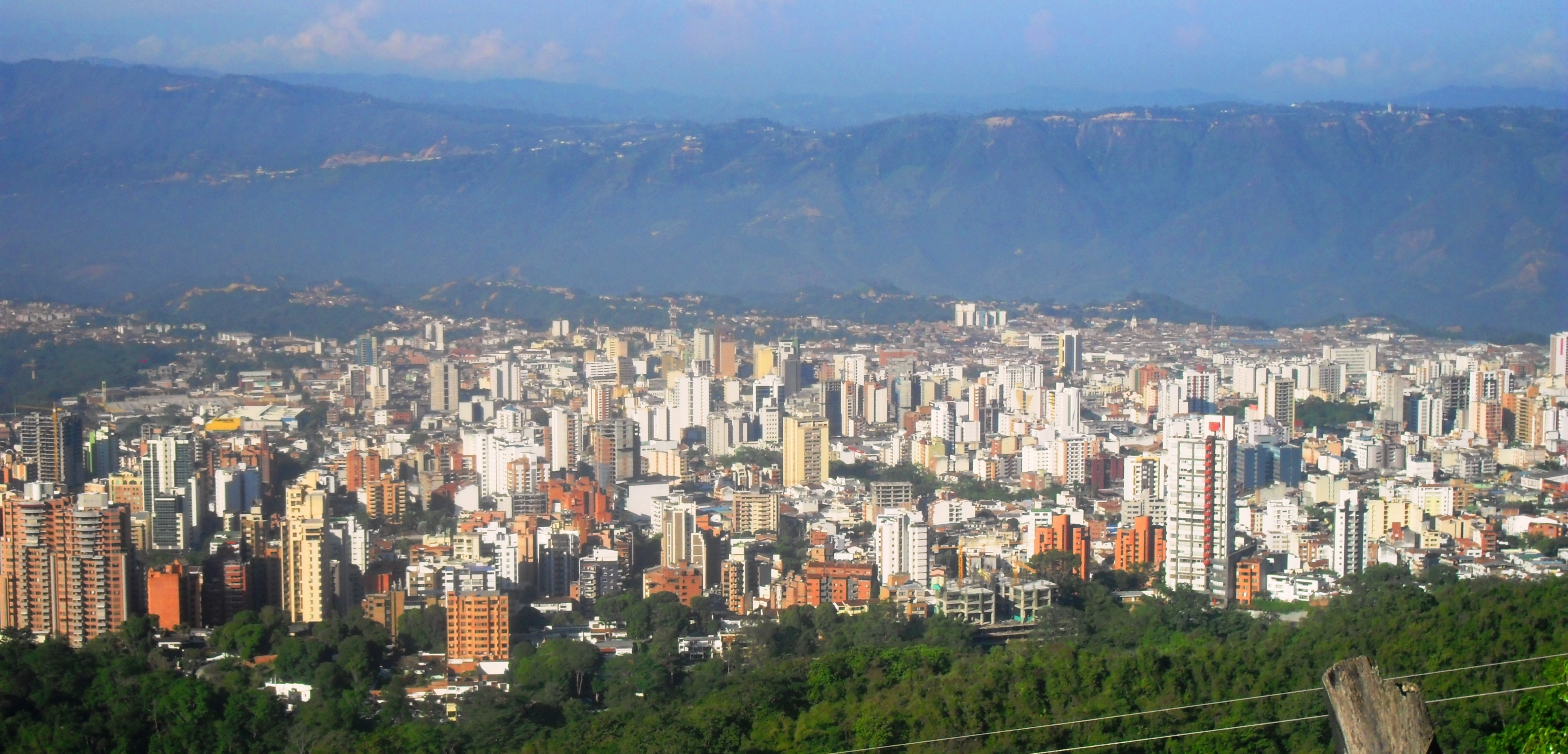
Setting the scene in Valledupar

Valledupar tends to arrive in a traveler's day as a contrast. It is the capital of the Cesar department in northern Colombia, and it sits deliberately between two mountain systems: the Sierra Nevada de Santa Marta rising to the north and the Serranía del Perijá running along the eastern horizon. That lowland perch, often described as the Caribbean foothills, gives the city a particular feel — warmer air than a high-altitude Andean town, yet visibly framed by forested ridges rather than open sea. It is the kind of place where a short ride out of the urban grid can put you at the foot of some of the most spectacular natural areas in the Colombian Caribbean, high in the Sierra Nevada mountains.
For travelers, the experience tends to split gently in two. Days often turn around music, plazas and the unhurried rhythm of a regional capital; afternoons can shift toward greener ground at the edge of the city. The point of this guide is to set expectations honestly — what the destination is genuinely celebrated for, how to move through it, and where the limits of current sourcing leave room for your own exploration once you arrive.
The cultural pulse: vallenato as living heritage
If you walk into Valledupar with one piece of context, make it this: the city is widely recognized as the cultural heart of vallenato, a tradition recognized by UNESCO. Vallenato is not just a genre filed away in a museum case — it is played, sung and argued about in Valledupar with real conviction. The accordion, the *caja* and the *guacharaca* are heard in everyday settings, from neighborhood gatherings to organized festivals, and the conversation about who plays best is a constant background hum.
What does that mean for a traveler? It means the cultural layer is not something you have to seek out at a ticket desk — it sits in the city's everyday texture. You may hear it spilling from a doorway, drifting across a plaza or anchoring a bar evening. The point isn't to chase a single performance; it's to notice that the city's soundtrack is part of its identity, and to give yourself permission to follow your curiosity when something catches your ear.
Weather and seasonal context
Because climate shape varies considerably across Colombia's Caribbean foothills, it's worth understanding where Valledupar sits before you pack. The city rests in the lowland corridor between the Sierra Nevada de Santa Marta and the Serranía del Perijá, and that geography influences how a day can feel. Higher elevations within reach of the city typically read cooler than the urban core, so a layered approach to clothing tends to serve visitors better than a single uniform weight.
Within the city itself, the rhythm of the year tends to feel warmer and more humid than Andean destinations at similar latitude, with a noticeable shift as you cross toward the foothills. Travelers who pace their days — heavier exploration in the morning, slower afternoons with shade and water, and a return to the streets once the air cools — usually find that the climate rewards a flexible schedule rather than a tightly packed one. Because specific monthly temperatures for the upcoming period fall outside the scope of this guide, the safest approach is to treat any weather forecast you find closer to your trip as the working reference.
Getting around
Moving through Valledupar is fairly straightforward as Colombian regional capitals go. The urban core is compact enough that many of the day's key spots — plazas, churches, market streets and the places where live music tends to gather — can be reached on foot, especially if you base yourself centrally. For longer crossings within the city, taxis and ride-hailing apps are the usual choices for visitors.
If your plans include the green fringes of the city and the transition toward the Sierra Nevada foothills, you'll likely want to arrange ground transport for half-day or full-day outings rather than relying on walking. The geography rewards a slightly slower pace; the natural areas that begin at the edge of the urban grid are part of what makes the region distinctive, and reaching them comfortably usually means planning a vehicle in advance rather than improvising on the spot.
As with any regional capital in Colombia, a calm approach to moving around serves visitors well. Stay aware of your surroundings, particularly after dark and in less central stretches. Stick to well-traveled routes, keep valuables discreet, and ask locally trusted contacts — your accommodation hosts, a guide you have vetted, or a recommended driver — about the current feel of specific neighborhoods before heading out, especially for evening plans.
Practical rhythm for a first visit
Valledupar is the kind of city that gives back what you put into it. Travelers who arrive with a vague outline — a sense of where vallenato lives in the city, an openness to the foothills, and a willingness to let the local pace lead — tend to enjoy their time more than those who try to compress the visit into a checklist. It is not a destination that overwhelms with attractions; it is a destination that rewards lingering.
A simple shape for a first stay might look like this: one or two days grounded in the urban core, listening for live vallenato, walking the plazas and getting a feel for the city's everyday life; one or two days leaning into the natural edge of town and the foothills, ideally with a trusted local contact arranging transport and pointing you toward a specific area that fits your interests and energy. After that, the city begins to teach you its own rhythm, and your plans can flex around what you discover.
One honest caveat belongs here. The factual footing for this guide is intentionally narrow. Specific hotels, restaurants, guided experiences, current ticket arrangements and detailed itineraries fall outside what the supporting sources confirm, and recommending them without current verification would be a disservice. Treat the suggestions above as a frame to refine once you have current, on-the-ground input — from your accommodation, from a local guide, or from an up-to-date Colombia-focused travel resource.
A few honest notes before you go
A short list of practical considerations, drawn from what is reliably supported:
- **Altitude and air.** Valledupar sits in foothills rather than at high altitude, so most travelers will not need to plan around serious acclimatization. The city's elevation is modest compared to Bogotá or Quito, though nearby trips into the Sierra Nevada can rise sharply — ask locally about conditions before heading up. - **Music venues and timing.** Live vallenato can surface in casual as well as formal settings. Because specific venues, schedules and ticket arrangements are not part of the supporting evidence, plan to confirm current options locally once you arrive. - **Cash and cards.** Payment habits vary across Colombia's regional capitals, and Valledupar is no exception. Carry enough Colombian pesos for smaller purchases, markets and rural excursions, and use cards where they're accepted in the urban core. If you exchange money, treat any rate you see before departure as a reference only — the live rate on the day you exchange is the one that matters. - **Connectivity and SIMs.** Major Colombian carriers serve the city. If your itinerary includes the foothills or longer rural stretches, ask your carrier about coverage before you go.
Final verification
Travel conditions change, and what is true this month may shift by the time you travel. Confirm opening hours, transport availability, safety guidance, weather forecasts and any event schedules through official Colombian tourism channels, your accommodation, or a vetted local contact before and during your trip. Treat this guide as a starting frame — accurate within what its sources support, and best used as a foundation for the on-the-ground reality you'll discover in Valledupar.
Prices, opening hours, schedules, reservation rules, and local conditions can change; verify them through official channels before departure.
Share this article
TOOLS FOR THIS PLAN
Make the Valledupar plan measurable
Choose a tool only when it answers the next question in your trip. Your values stay in the browser, and each tool offers a route back to this planning context.