A first look at Ventspils

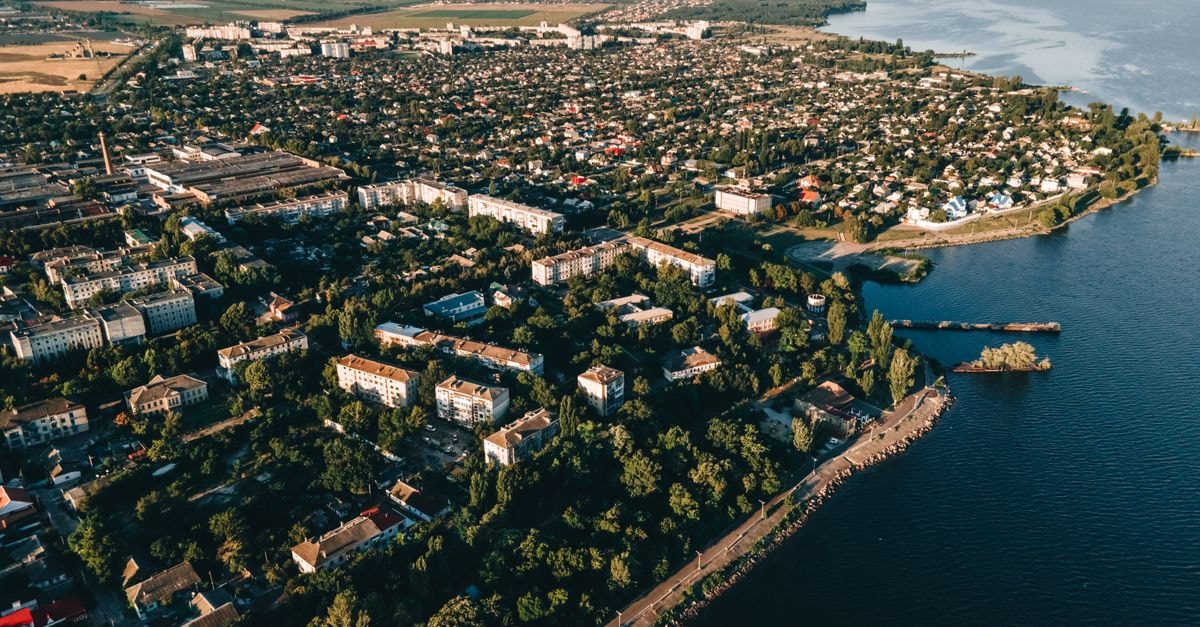
Ventspils sits on Latvia's western coast, where the Venta River meets the Baltic Sea. The city has the relaxed rhythm you often find in port towns that have learned to balance industry with public space, and it offers travelers a slower-paced base for exploring Latvia's Kurzeme region. Many visitors come for the sea air, the open waterfront, and the family-friendly atmosphere that the city has cultivated over the years.
This guide focuses on two essentials that shape any visit: how Ventspils feels under the sky throughout the year, and how to get there and get around once you arrive. The information below is intentionally evergreen, so it should serve trip planning at any time of year rather than one specific season.
Weather and seasonal context
Ventspils has a clearly coastal climate, which means the Baltic does most of the talking. The available long-term picture for the city shows that winters are cold, with December, for example, bringing freezing conditions and highs around 2°C with lows near -2°C. Skies in that part of the year tend to be mostly overcast, and rainfall can be moderate rather than dramatic. That single month is a useful anchor for understanding how the city behaves in the colder stretch of the year: gray, damp, and cool rather than stormy.
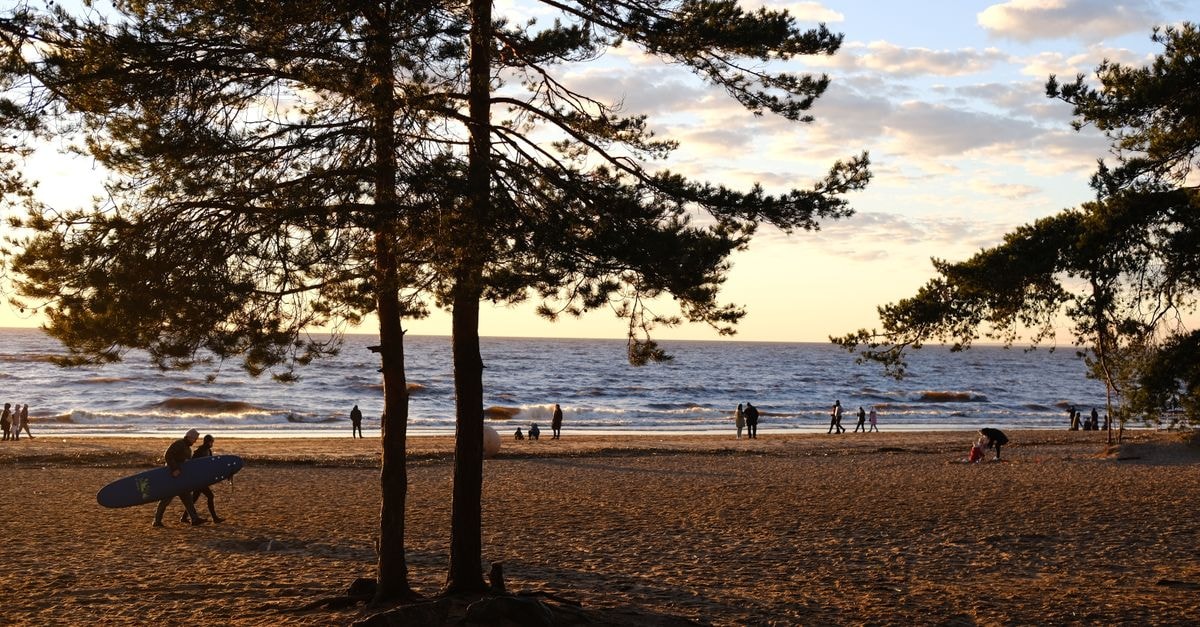
What this means for a visitor is mostly about wardrobe and pacing. On a cold day, the harbor walk can feel sharper than the thermometer suggests, because the wind coming off the open water tends to magnify the chill. On milder days, the same stretch of waterfront can feel gentle and bright, especially when the light sits low over the Baltic. If you prefer to be outside a lot, building in flexibility for a slower afternoon or a warm café break tends to make the day more comfortable.
One quirk worth knowing is that even when the air temperature is reasonable, the sea breeze can shift quickly, so layering is a more reliable strategy than dressing for a single moment of weather. Travelers who like to keep their plans open will find that Ventspils' indoor options, including museums, give a comfortable answer to a sudden change in the sky.
Getting around
Reaching Ventspils by road
The simplest way to think about reaching Ventspils is by car. Latvia has a good road network, and the distances between cities are not great, so getting to Ventspils is quick and easy from elsewhere in the country. That makes the city a natural stop on a wider road trip along the western coast, especially if you are already planning to combine it with other Kurzeme destinations.
Driving also gives you flexibility at the edges of the day. Because the city is compact and the coastline opens up quickly once you leave the center, a car can be helpful if you want to follow the coast at your own pace rather than relying on fixed schedules. If you prefer to keep things simple and stick closer to the center, the core of the city is approachable on foot once you have parked.
Seeing the city by rail and boat
A more distinctive way to experience Ventspils is to use one of the local transport experiences that have been developed specifically for visitors. A ride with the narrow-gauge railway locomotive "Mazbānītis" offers a view of Ventspils from another point of view, running along a short heritage line that turns the city's industrial port heritage into a moving panorama. For travelers who enjoy slow, scenic transport, this can be one of the more memorable ways to see the layout of the city.
The same local initiative also points visitors toward other ways to get to know Ventspils, including boat-based perspectives on the harbor. Both options tend to suit travelers who like their sightseeing to feel like a small adventure rather than a checklist of stops, and they pair well with a relaxed afternoon along the waterfront.
The castle, the museums, and the free booklet
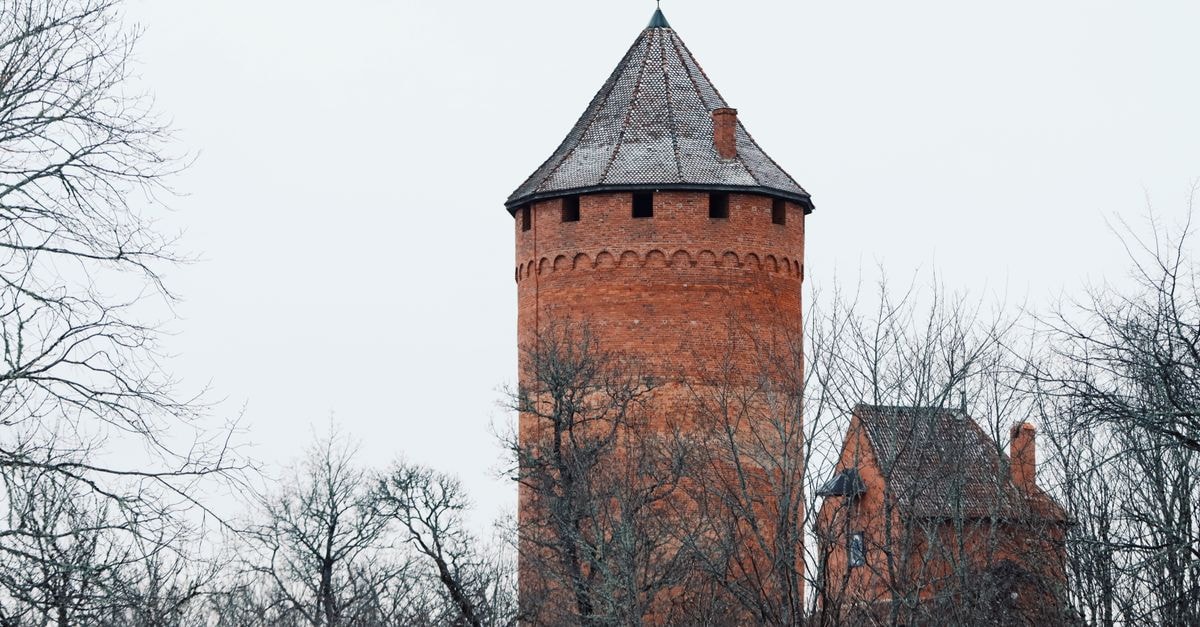
If you want a structured introduction to Ventspils, the castle is a natural starting point. There is a nice museum inside, offering both permanent and rotating exhibitions. The permanent collection covers topics such as money design, while temporary shows have included photography from post-war Japan. The mix of a stable core exhibition and changing contemporary work gives the castle a reason to revisit if you are in the city for more than a single afternoon.
Travel notes for families and slower-paced visitors
Ventspils is well prepared for families with kids, and that preparation shows up in everyday ways around the city. Play areas, wide sidewalks, and the open feel of the waterfront all make it easier to move around with younger children. For travelers who prefer not to rush, the layout of the center is forgiving, and the main sights tend to be close to one another rather than scattered across town.
If you are traveling with kids and want a slightly different angle on the city, combining a short ride on Mazbānītis with a stop at the castle museum can cover two of the more engaging experiences without overloading the day. Adults traveling without children can use the same combination as a relaxed first day before exploring further.
Choosing what fits your trip
Because Ventspils is a compact, walkable harbor city with good road links, most travelers find that a short stay is enough to absorb the center, while a slightly longer one lets the slower experiences breathe. If you enjoy scenic local transport, the narrow-gauge railway and a harbor boat ride tend to be worth prioritizing. If you prefer cultural stops and quiet time indoors, the castle museum and its changing exhibitions can anchor a day, especially on a day when the weather along the coast feels sharper. Families traveling with children may appreciate combining the railway ride with a flexible afternoon around the waterfront rather than packing in many separate paid attractions. Travelers using a car can use the city as a base for wider coastal drives, while those without one can still comfortably cover the core on foot.
A few final practical notes
The information in this guide is meant to support general trip planning. Specific opening hours, ticket prices, transport schedules, and exhibition lineups can change, and it is worth checking the latest details through the city's official tourism channels before you travel. Conditions on the Baltic can shift quickly, so a flexible plan will usually serve you better than a rigid one. With that in mind, Ventspils rewards the kind of visitor who is happy to slow down, follow the harbor for a while, and let the city's quiet rhythm set the pace.
Prices, opening hours, schedules, reservation rules, and local conditions can change; verify them through official channels before departure.
Share this article
TOOLS FOR THIS PLAN
Make the Ventspils plan measurable
Choose a tool only when it answers the next question in your trip. Your values stay in the browser, and each tool offers a route back to this planning context.