Verona at a Glance

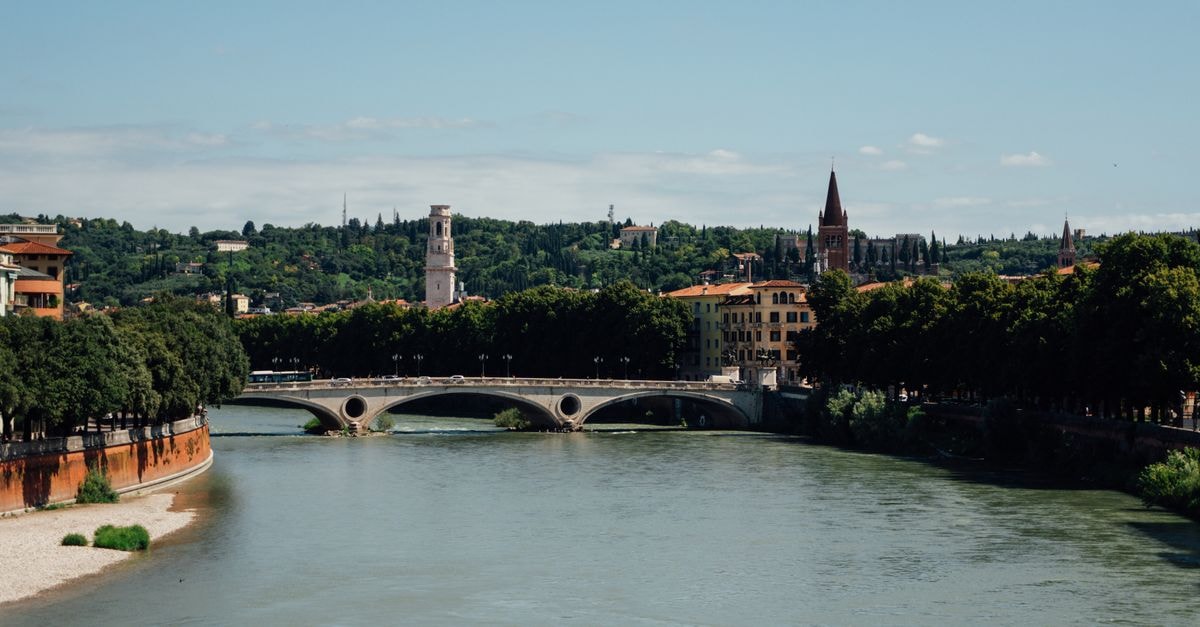
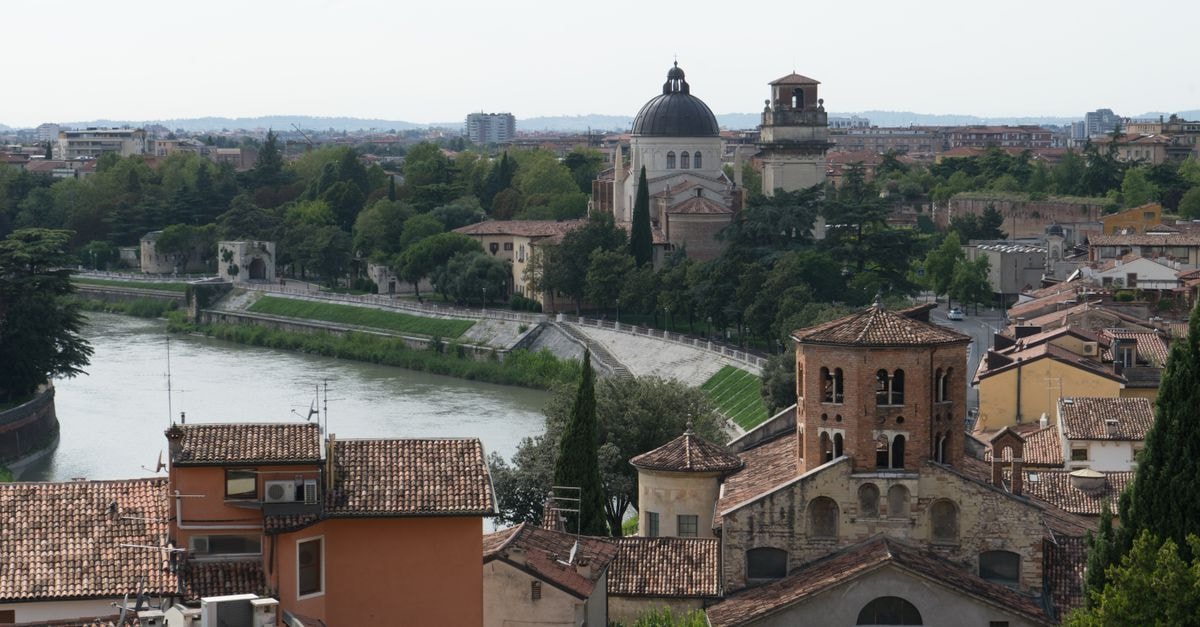
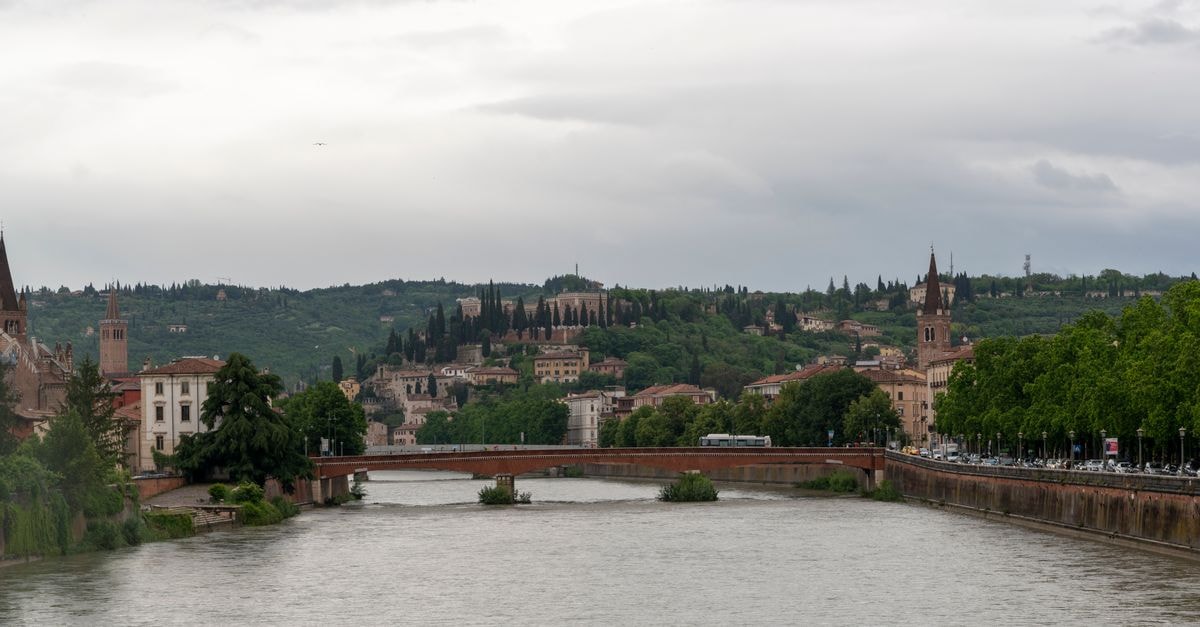
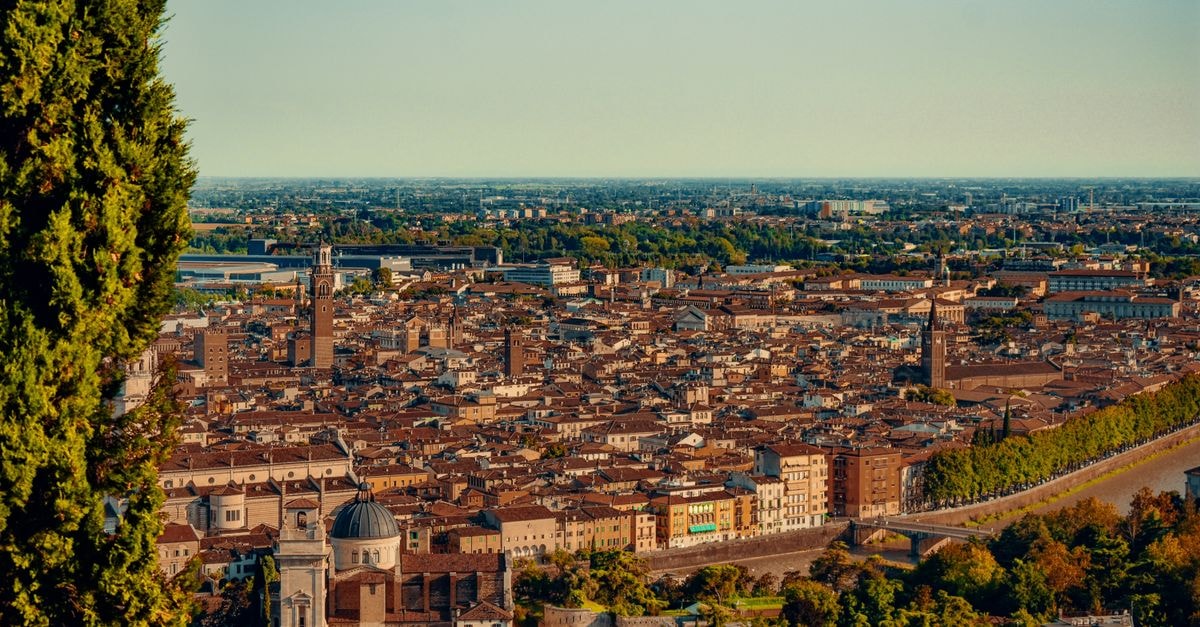
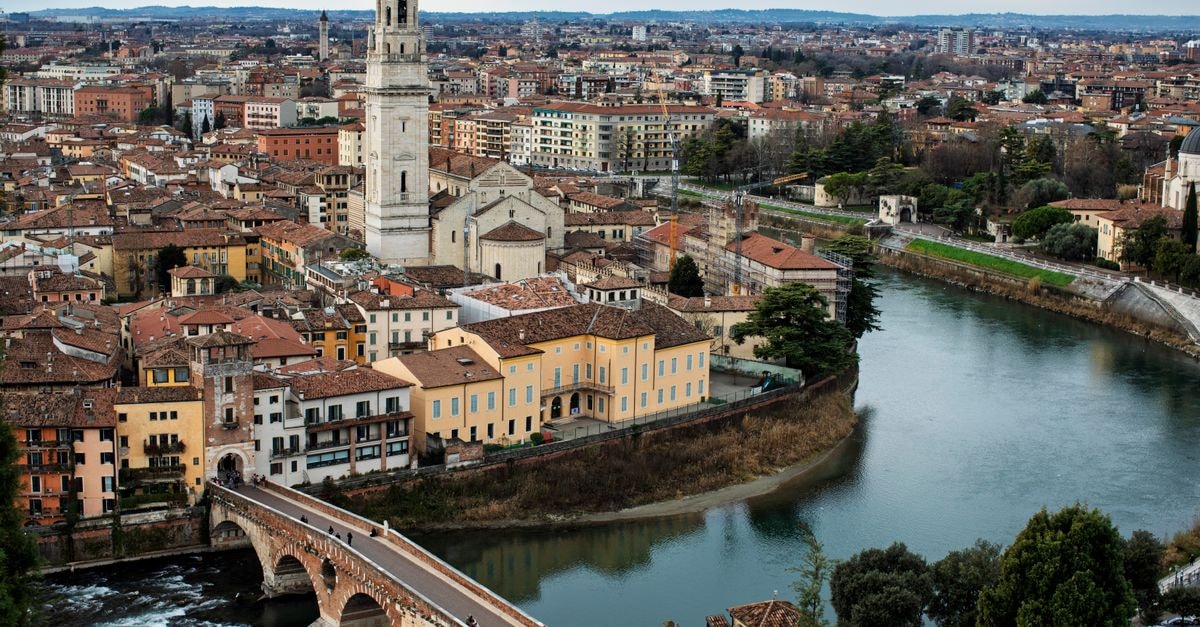
Verona is a compact, walkable city in Italy's Veneto region, set on a bend of the Adige River and known for its Roman arena, medieval Scaliger-era architecture, and its role as the setting for Shakespeare's Romeo and Juliet. The historic centre fits comfortably inside the original Roman walls, so most of the headline sights — Piazza Bra, Piazza delle Erbe, the Arena, Casa di Giulietta, Castelvecchio, and the riverside Ponte Pietra — can be reached on foot. Verona sits less than 90 minutes from Venice or Milan by high-speed train, and Lake Garda is close enough for a half-day side trip, making it a natural anchor for a northern Italy itinerary. Founded as a Roman colony from 89 B.C.E., the city is still sometimes called "little Rome" for its layered ancient past, and its cuisine and wine map reflect that crossroads geography: rice from the Po plain south of the city, Amarone and Valpolicella reds from the hills to the north, and lake fish from Garda to the west.
July Weather and Seasonality
July is the hottest and busiest month in Verona. Daily highs typically run around 30°C (86°F) with overnight lows near 18–19°C (65–67°F), and AccuWeather's July 2026 outlook shows daily highs in the 27.9–31.8°C range. Heat waves can push temperatures above 35°C (95°F), and humidity makes the air feel noticeably heavier. The month sits firmly in the high season: streets, restaurants, and Arena queues are all at their busiest, and hotel rates are at their annual peak. If you want a quieter Verona, the shoulder months of May, June, and September offer the same opera season with milder weather and noticeably thinner crowds.
For July specifically, plan outdoor sightseeing for the cooler mornings and late evenings. Midday is the time to duck into air-conditioned museums like Castelvecchio, the Duomo complex, or the Basilica di San Zeno, and to sit down for a long lunch the way Veronese do anyway. Light, breathable clothing, a refillable water bottle, sunscreen, and a hat are essentials, and a light layer is useful once temperatures drop in the evening.
Arrival and Getting Around
By air, the closest option is Verona Villafranca Airport (VRN), about 12 km from the centre. The Airlink shuttle bus takes around 20 minutes and costs €6, with the ticket valid for 75 minutes on connecting city buses. Venice (VCE) and Bergamo (BGY) airports are 1–2 hours away by train or shuttle and are sometimes cheaper for international flights.
By train, Verona Porta Nuova is the main station with high-speed services to Milan, Venice, Bologna, and Rome. The station sits a 15–20 minute walk from the historic centre.
Once in Verona, leave the car behind. The historic centre is a ZTL (limited traffic zone), with restricted access for residents, hotel guests, and deliveries only. The city is best explored on foot, with the compact centro storico and a reliable ATV bus network for the suburbs and outer neighbourhoods. Single bus tickets are sold at tabacchi, newsagents, kiosks, and via the Ticket Bus Verona app, and they must be validated on board. The Verona Card covers unlimited ATV city bus rides for the duration of the pass.
Bike rental is available through the city's Verona Bike sharing scheme, with the first 30 minutes free — useful for short hops but optional given how walkable the centre is. Taxis are easy to find at official stands or booked through apps such as FreeNow, but they are noticeably more expensive than the bus.
Top Sights and July-Specific Events
The Arena di Verona is the headline sight and the reason many visitors come in July. It is Italy's fourth-largest surviving Roman amphitheater, and every summer it hosts the renowned Arena di Verona Opera Festival, which runs through July and August. Buy opera tickets well in advance for the best seats, and arrive early to soak up the atmosphere in Piazza Bra. Daytime sightseeing of the Arena itself is possible outside performance days, though opening hours vary when shows are scheduled.
Casa di Giulietta — Juliet's House — sits in the Città Antica and draws queues throughout the day. The courtyard with the famous balcony is free to enter; the small museum inside charges a fee, and time-slot booking is now mandatory, usually through the museiverona.com portal. Early morning or late evening visits are the easiest way to skip the worst of the lines.
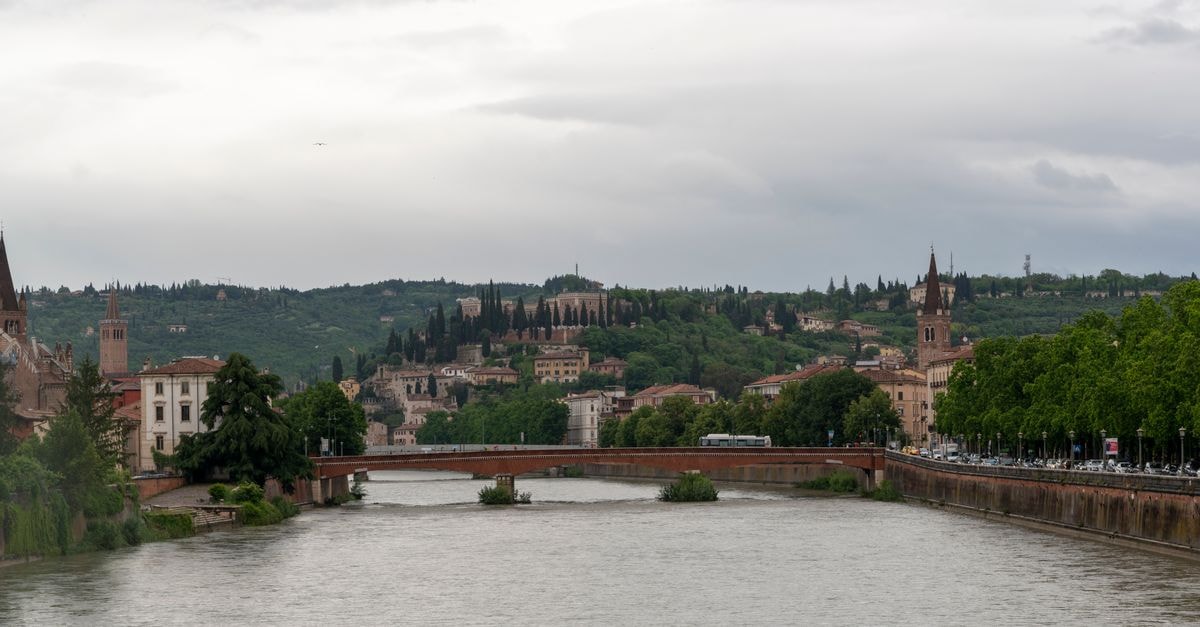
Elsewhere in the centre, do not miss Piazza delle Erbe (the old market square), the Torre dei Lamberti for panoramic views over the rooftops, the Castelvecchio museum and its Scaliger bridge, and the Roman Theatre across the Adige for a quieter perspective on the city's ancient past. The riverside walk from Ponte Pietra up toward the Teatro Romano is one of the most pleasant ways to spend a hot July evening.
In early July, before the school-holiday crush fully hits, the city hosts its Shakespeare Festival in courtyard venues, with intimate productions that lean into Verona's literary identity. Throughout summer evenings, expect the classic Veronese passeggiata along Via Mazzini and Piazza Bra, with spritz and cicchetti at outdoor tables.
Where to Stay and July Booking Pressure
July is the year's tightest booking window, and the closer you get to opera dates, the more rates climb. July–August peak-season hotel rates can run 140–230 € per night, with the sharpest spikes around Ferragosto (15 August). Booking several months ahead is wise, especially if you want to stay inside the Città Antica.
If you want to be on foot from everything, the Città Antica is the obvious choice. Hotel Due Torri is the historic grande dame — built in the 14th century, a former favourite of Maria Callas, with a rooftop restaurant that comes alive in summer. Vista Verona, which opened a few years ago in the Centro Storico overlooking the Corticella Leoni archaeological site, has a rooftop terrace for skyline views. If you prefer green space and a quieter setting, the Byblos Art Hotel Villa Amistà is about 25 minutes from the centre by car, set in a 16th-century villa with five acres of gardens and an outdoor pool.
Budget-conscious travelers should look just outside the Roman walls in San Zeno or near Verona Porta Nuova, where B&Bs and short-term rentals are noticeably cheaper. Hostel dorm beds start around €20–30 per night, and B&Bs typically run €45–70 per night off-season, though July prices will be higher. Staying near a bus stop or the station avoids taxi costs on arrival and departure.
Verona Card, Tickets, and Queue Risk
The Verona Card is the official city pass issued by the Comune di Verona. It covers free entry to 15+ museums, churches, and monuments — including the Arena (with priority access at Gate 5), Casa di Giulietta, Castelvecchio, the Torre dei Lamberti, the Duomo complex, and the Basilica di San Zeno — plus unlimited rides on ATV city buses.
Prices vary slightly depending on where you book. The official visitverona.it lists the 24-hour card at €27 and the 48-hour card at €32; the official reseller veronacards.com lists the 24-hour card at €30 and the 48-hour card at €35. Both include the same benefits. The card is valid for 24 or 48 hours from first use, and each museum can be entered only once.
In July the card earns its keep fast: a typical two-day itinerary of Arena, Castelvecchio, Torre dei Lamberti, Juliet's House, and the Duomo runs around €53 at the door, so the 48-hour version saves roughly €21 before bus rides are factored in.
Three queue-management rules for July:
- Arena opera tickets should be bought in advance through the official festival site; walk-ups are possible but often restricted. - Casa di Giulietta requires a time-slot reservation even with the Verona Card. - The Torre dei Lamberti and Castelvecchio are calmer first thing in the morning; if you want a peaceful visit, set an early alarm.
Eating and Drinking in Verona
Verona's kitchen sits at a crossroads: rice and Amarone from the south and north, lake fish from Garda, and mountain cheeses from the Lessinia uplands. Five dishes anchor the local repertoire and appear on nearly every traditional trattoria menu.
Risotto all'Amarone is the city's reference plate. Vialone Nano rice is toasted in butter, deglazed with the local Amarone della Valpolicella, and finished with grated Monte Veronese — the result is a creamy risotto dyed deep purple-red with concentrated dark-fruit flavour. Bigoli con l'arna is the canonical pasta: thick whole-wheat noodles pressed through a bronze bigolaro die and dressed with a slow-cooked duck ragù. Pastissada de caval is Verona's historic horse-meat stew, marinated 24 hours in Valpolicella with onions, carrots, cloves, and cinnamon, served with white polenta — it traces to a 489 AD battle outside the city walls and remains a point of local pride. Bollito misto with pearà (the peppery bread-and-bone-marrow sauce) is the Sunday-lunch classic from October through March, and pandoro — the buttery star-shaped Christmas cake patented in Verona in 1894 — is available year-round but is best bought fresh from a pasticceria rather than off a supermarket shelf.
The wine map shapes the food map. Amarone della Valpolicella is the headline red — often 15–17% ABV, made from dried grapes, and available by the glass at most city restaurants. Recioto is its sweet sister, Valpolicella Classico the everyday red, Soave the crisp white from volcanic soils east of the city, Bardolino the lighter red from the Garda shore, and Lugana the white from the lake. Caffè Monte Baldo is a historic wine bar in the centre known for cicchetti (small plates), while Trattoria I Masenini is one of the city's best-known dining rooms for dishes that blend French technique with local ingredients.
Two practical dining customs: sit-down restaurants expect you to wait to be seated, and most will add a coperto (cover charge) listed on the menu. Tipping is modest — rounding up or 5–10% for good service is the local norm. Lunch service typically runs 12:30–2:30 pm, and many places close between lunch and dinner, so plan accordingly. Aperitivo around 6 pm with an Aperol spritz (itself a Veneto invention) and cicchetti is a Veronese ritual worth joining at least once.
Safety and Practical Tips
Verona is generally safe for visitors. Violent crime is rare, and the main risks are the usual tourist-hub pickpockets around the Arena, the train station, and on crowded public transit, especially on public holidays. Use a money belt or secure bag in queues, be wary of unofficial ticket sellers near major sights, and stick to well-lit streets late at night. A simple Italian greeting — buongiorno, buonasera, grazie — goes a long way in shops and restaurants. Modest dress is appreciated in churches, and keeping noise low is the polite norm inside religious sites.
Italy is part of the Schengen Area, and short stays up to 90 days in any 180-day period are visa-free for many nationalities including EU/EEA citizens, US, Canada, Australia, and Japan. Your passport should be valid for at least three months beyond your planned departure from Schengen; many airlines require six months, so verify before travel.
Budget Tips for July
Even in peak season, Verona can be done on a moderate budget. Walking the historic core, crossing the Ponte Pietra, browsing Piazza delle Erbe, and watching the sunset from the Adige riverbank are all free. Many churches — including the Basilica di San Zeno and the Basilica di Santa Anastasia — have free entry and are cool retreats from the heat.
Eating well without overspending is possible by following the Italian rhythm: a standing coffee and pastry at the bar for breakfast, a proper sit-down pranzo at lunch with a house wine (much better value than dinner), and a lighter evening of cicchetti and a spritz. Outdoor tables on Piazza delle Erbe charge a premium for the view; one street back is usually cheaper for the same food. Book accommodation well in advance, as July rates climb quickly and the best-value places inside the walls go first. Choosing a base near a bus stop rather than deep in the ZTL avoids taxi costs and lets you skip the parking headaches entirely.
Currency and Payments
Verona uses the Euro (EUR). Major cards (Visa and Mastercard) are accepted in hotels, restaurants, and most shops, but small cafés, market stalls, and some trattorias may be cash-only. Carry small notes and coins for buses and casual purchases, and use bank ATMs to reduce withdrawal fees. Exchange rates fluctuate; the rate you see at booking is only a reference, and you should check the live rate from your bank or a reputable exchange service before exchanging money or making large purchases. Many travelers find it simplest to pay by card and withdraw EUR from a bank ATM on arrival rather than exchanging cash in advance.
---
Factual travel conditions — including prices, opening hours, ticket availability, transport schedules, and entry requirements — can change. Verify the latest details on official channels such as visitverona.it, the Arena di Verona Opera Festival site, your airline, and your government's travel advisory before departure.
Share this article
TOOLS FOR THIS PLAN
Make the Verona plan measurable
Choose a tool only when it answers the next question in your trip. Your values stay in the browser, and each tool offers a route back to this planning context.