A river-mouth city that rewards a slower pace

There is a particular charm to cities that sit where a river meets the sea, and Viana do Castelo wears that setting lightly. The Limia River arrives at the Atlantic here, and the result is a historic Portuguese town whose identity has long been shaped by both inland waters and the open coast. You feel it in the way the streets feel breezy and unhurried, the way old trades still seem to echo in local memory, and the way a visitor's day can shift easily from a quiet inland stroll to the salt-tinged air near the waterfront.
This guide is built for travelers who like to wander with intention: the kind who would rather understand a place than race through a checklist. Viana do Castelo is small enough to grasp on foot, varied enough to keep you curious, and rooted in a coastal food culture that invites you to sit down and stay a while.
Getting around
Viana do Castelo presents a mix of pedestrian-friendly areas and sights that require a bit of travel, which is a fair summary of how most visitors experience the city. The historic center rewards walking, with its compact lanes and old squares inviting slow exploration on foot. Once you venture toward the hillside sanctuary and other elevated landmarks, the gradient becomes more demanding and the distances feel longer than the map suggests.
If you prefer to keep your day flexible, consider using the central core as your anchor and treating any uphill sights as a planned segment rather than something to stumble into. Travelers who dislike long climbs may want to plan their uphill visits for the cooler parts of the day and save the flat, walkable historic lanes for when energy dips. Public transport options and onward connections to the wider region exist, but their specific routes, timetables and current conditions are best confirmed locally before you set out.
Attractions and planning
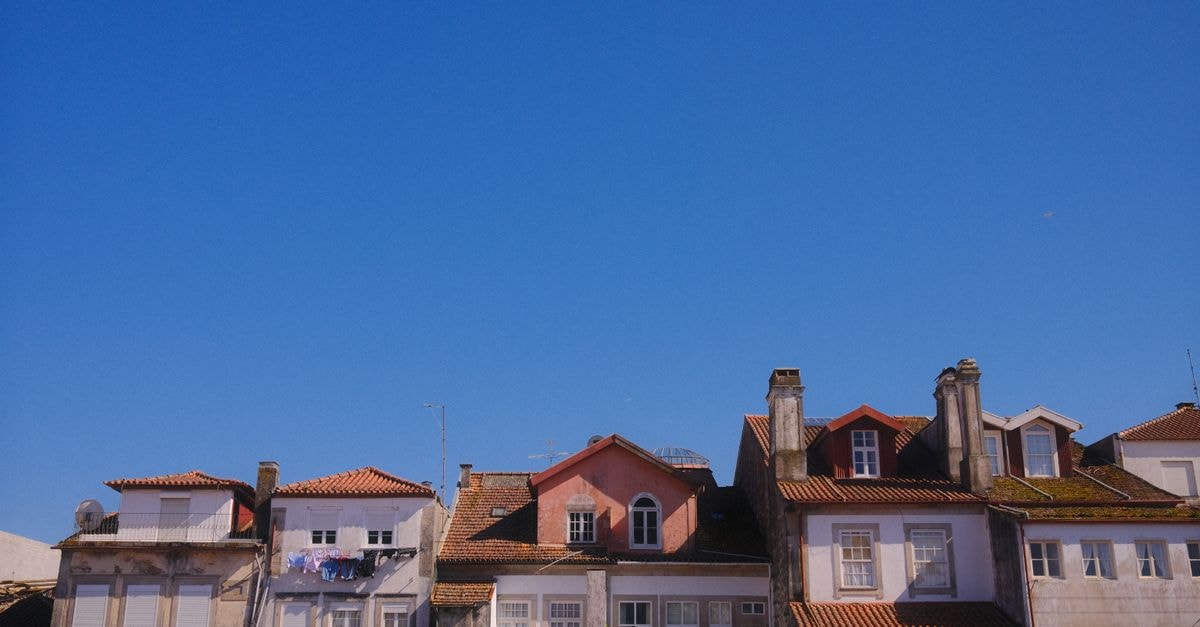
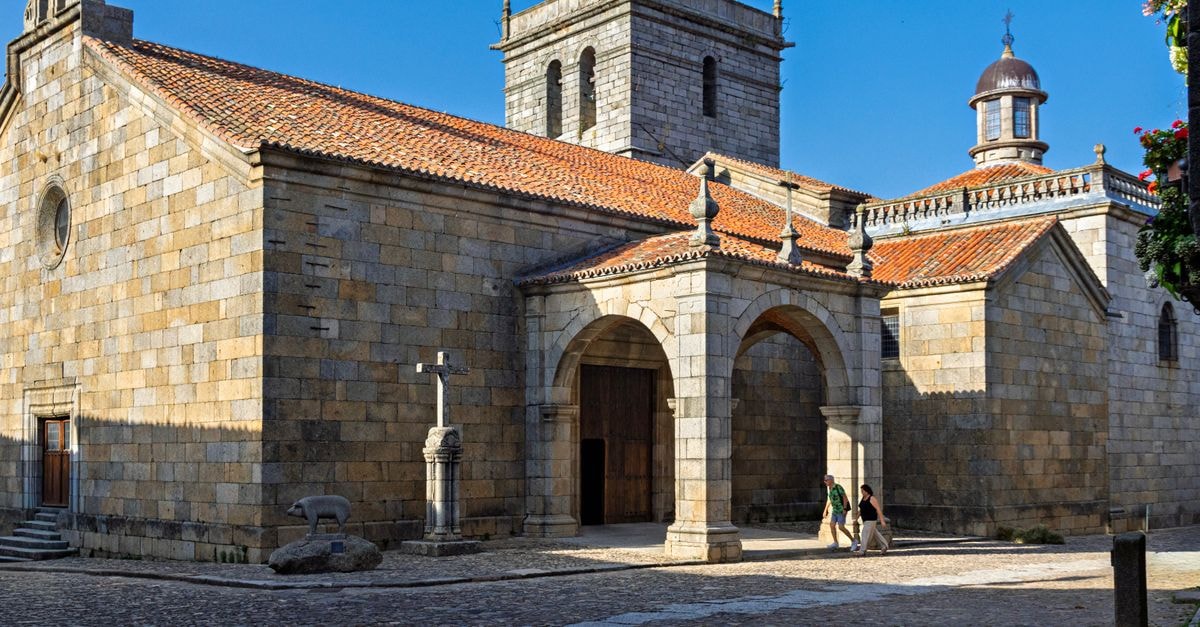
Viana do Castelo is consistently described as a lovely historic city, and that single phrase captures the experience well. The draw is not a single blockbuster sight but a layered town: a historic center shaped by centuries of trade and faith, a working relationship with the river and sea, and a cultural memory that visitors can feel as much as see.
What gives the city an unusual texture is the way everyday working lives have been preserved as part of its story. Costumes worn by farmers, fishers and the workers who used to cultivate seaweed along Viana do Castelo's beaches form part of the local heritage, a reminder that this was a place where land labor, sea labor and shoreline labor all intertwined. For travelers, this translates into a destination where folk traditions, maritime memory and civic history sit side by side, often within the same museum display or festival archive.
Plan to allow time for simply being in the historic center, not just moving through it. The architecture, the river-mouth light and the small details of local craft all reward unhurried attention. If you enjoy places where the past is woven into daily life rather than cordoned off, this city tends to resonate.
Food and local context
The food scene in Viana do Castelo is inseparable from the Atlantic. A visit here would not feel complete without savoring the gifts from the sea that the surrounding waters make possible, and that is broadly true across the Viana do Castelo District as a whole, where fresh seafood is treated as a defining pleasure rather than a specialty menu item.
Within the city, Maria de Perre is a known address for visitors looking to try two classic preparations: grilled sardines, simple and elemental, and _Arroz de Marisco_, the rich seafood rice that translates the day's catch into something communal and warming. Grilled sardines speak to Portugal's long tradition of treating oily fish as an everyday joy, and visitors will encounter this style of preparation across the country in seaside neighborhoods and during summer festivals, where it is often served with roasted peppers, boiled potatoes and a generous salad. That broader Portuguese context is worth knowing because it shapes what you see on menus and in markets far beyond Viana do Castelo itself.
If you enjoy eating where the menu is short and the produce is fresh, the seafood-led table here may suit you very well. Travelers who prefer quieter meals during peak dinner hours might consider an earlier sitting, since waterfront and popular neighborhood spots tend to fill as the evening deepens. Vegetarian travelers will find that seafood-forward restaurants are not the easiest fit, so it is worth asking about sides and non-fish dishes when you sit down.
Choosing what fits your trip
Viana do Castelo tends to suit travelers who enjoy historic centers on foot, are comfortable with some uphill walking for the views, and treat seafood as a highlight rather than an option. It may be less fitting for visitors who want a dense schedule of major monuments in a short window, or who are primarily looking for a purely plant-based dining scene. The balance many visitors strike is one or two unhurried days, mixing the flat historic lanes with a planned uphill segment and an evening at a seafood-focused table. None of that is a fixed itinerary; it is simply how the city's shape tends to support a satisfying visit.
A note before you go
Factual travel conditions can change, and details around transport, opening hours and local services are worth confirming through official channels close to your trip. The Portuguese seafood traditions referenced here describe a wider country context that visitors may encounter while in Viana do Castelo; they are not presented as guarantees about any single venue's current menu or hours. For an updated sense of what is open, running and recommended during your visit, check local tourism resources before you set out.
Reader checklist
- Verify the latest local transport options and ticket details before your first outing. - Confirm opening hours for any specific museum or heritage site you plan to visit.
Share this article
TOOLS FOR THIS PLAN
Make the Viana do Castelo plan measurable
Choose a tool only when it answers the next question in your trip. Your values stay in the browser, and each tool offers a route back to this planning context.