A quiet first impression of Vinh

Vinh sits in the middle of North Central Vietnam as the gateway to Nghệ An province, and it tends to ease visitors in rather than overwhelm them. The streets feel lived-in, the pace is unhurried, and most travelers pass through on their way between northern and central Vietnam. For a visitor who lingers, the reward is a city that blends everyday Vietnamese rhythm with a few places worth slowing down for, from a major history museum to views back across the rooftops and out toward the coast. What follows is a simple, evergreen guide built around two things the evidence supports well: how to move around the city, and where to begin when you want to explore its cultural and natural points of interest.
Getting around
Vinh is a city that rewards a flexible transport mindset, because the available options cover very different situations. Ride-hailing apps such as Grab sit alongside conventional taxis, and the local bus network still runs through the city, which means a short walk, a quick app booking, or a flagged-down taxi can each solve a different kind of journey. Mixing the three is usually the easiest approach for an independent traveler who is not yet used to the rhythm of Vinh. For longer distances, the Vinh Bus Station (Bến Xe Vinh) acts as a hub for both local and longer-distance routes, so it is worth knowing roughly where it sits on your map even if you never step inside, because many regional buses pass through it.
If you are arriving by air, Vinh Airport (IATA: VII) is the main gateway to the city and to Nghệ An province as a whole. From the airport, the railway station is one of the clearest reference points on the map, and there are several ways to make that transfer. The airport-to-station corridor is well covered: travelers can choose between a train connection through the rail hub, the broader bus and public transport network, a regular taxi, a Grab car, or a private transfer. Walking is technically possible for those who like a long approach on foot, but for most visitors it is more practical to pick one of the motorized options above. A quick scan of the route options before you land makes the first hour in Vinh feel far simpler than it otherwise might.
For day-to-day movement, the practical pattern most visitors settle into is short rides by app or taxi for cross-city trips, buses for budget-friendly hops along main corridors, and on-foot exploration of any neighborhood where the sights are clustered close together. None of these choices require advance planning beyond knowing the general direction of your destination. The combination is especially useful if your base is somewhere central and you want to string several smaller stops into a relaxed half-day rather than commit to a single long outing.
Attractions and planning
Vinh's attractions lean more toward context and scenery than big-ticket set pieces, and that suits the city's character well. The two standouts for many travelers are the Nghe An Museum, which is the larger of the two history museums in the city, and the wider sweep of viewpoints and natural landscapes that frame the urban core. Together they give a first-time visitor a workable spine for any stay, from a quiet morning inside a museum hall to an afternoon spent looking out over the rooftops of Vinh and the coastline beyond.
Beyond the city center, Nghệ An province opens up quickly into greener, more dramatic terrain. Pu Mat National Park is one of the most recognizable natural landmarks in the province, and its waterfalls draw visitors who want a break from the urban rhythm. Planning a half-day or full-day excursion there shifts the trip from a purely urban experience into something more layered, though it is worth treating the park as its own outing rather than something to tack onto a busy city schedule.
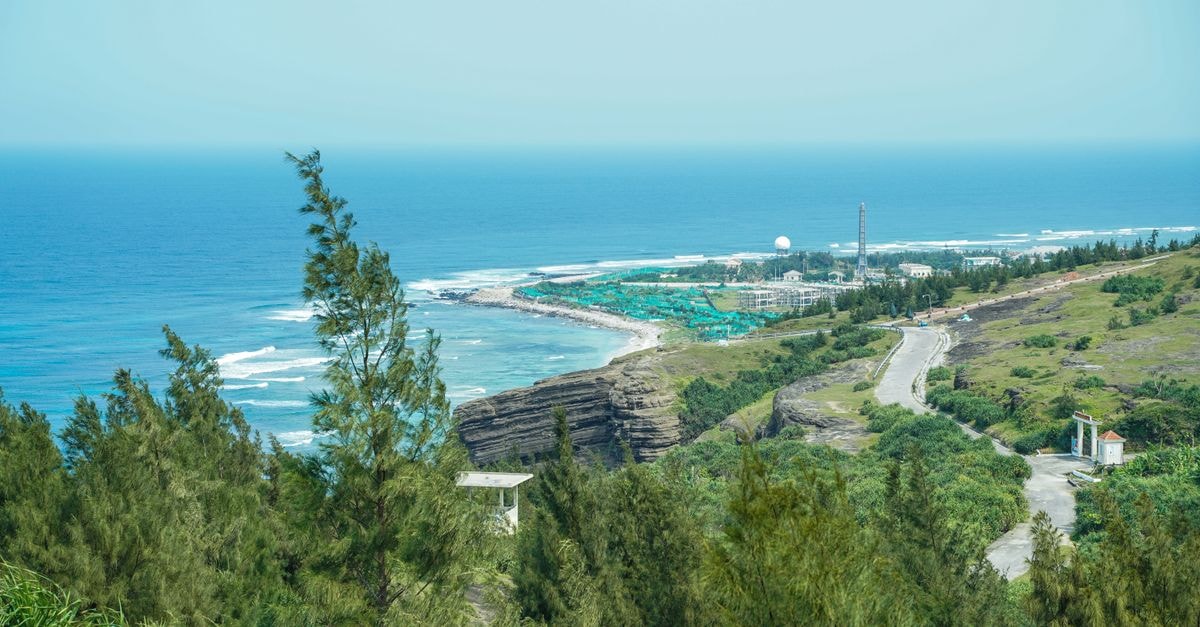
A useful way to think about Vinh as a visitor is in three loose layers. First, the cultural anchors inside the city, with the Nghe An Museum as the most concrete starting point. Second, the viewpoints that frame the city, including those that look out toward Xuan Thanh Beach in neighboring Hà Tĩnh province and capture a picturesque view of the bustling life in Vinh city from above. Third, the natural spaces further out, where waterfalls and forest scenery offer a quieter counterpoint to the city. If your time is limited, prioritizing one stop from each layer tends to give a balanced impression, while a longer stay allows you to linger inside any one of them.
Because Vinh is also a regional hub, much of what you hear about it is shaped by people passing through. That can make the city feel slightly under-documented compared to Vietnam's headline destinations, which is partly why a simple plan of two or three anchor stops works so well here. Pick one museum or cultural site, one scenic viewpoint, and one outdoor outing within the broader province, and the city reveals itself without any need to rush. Public transport, taxis, or a private driver can comfortably bridge these layers; the airport-to-station corridor and the bus station both make it easy to organize longer moves, while local rides handle shorter hops.
A short note on staying flexible
Vinh rewards travelers who keep their plans slightly loose. Weather along the North Central coast can shift quickly, the bus and train network connects the city to many directions, and most attractions do not require strict time slots. A practical rhythm is to set one firm anchor stop for each day, leave room for a spontaneous café, market, or viewpoint, and use the mix of Grab, taxis, and buses described above to move between them. That flexibility tends to suit Vinh far better than a tightly packed itinerary, and it pairs naturally with a city that runs at its own calm pace.
Travel conditions, transport options, and attraction details can change over time, so it is always worth checking official channels and current local information before you travel. Treat this guide as a starting framework rather than a fixed schedule, and let the city itself fill in the rest once you arrive.
Share this article
TOOLS FOR THIS PLAN
Make the Vinh plan measurable
Choose a tool only when it answers the next question in your trip. Your values stay in the browser, and each tool offers a route back to this planning context.