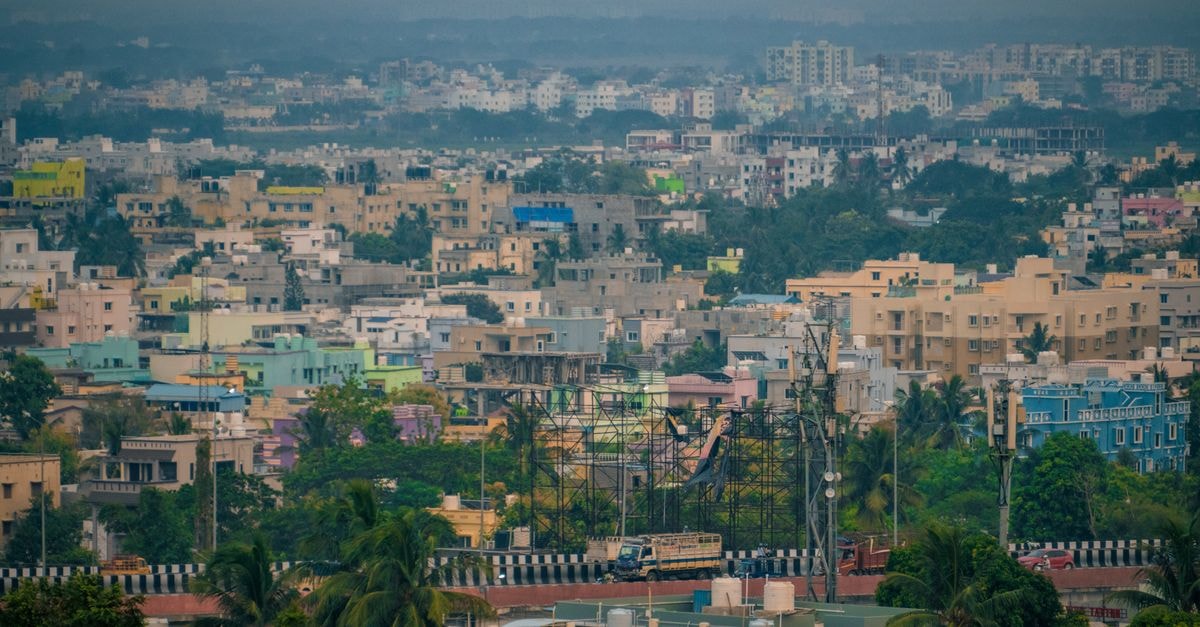
A coastline that breathes, a city that pauses

There is a particular kind of quiet that settles over Visakhapatnam when the heat of the day softens and the breeze turns cooler. It is not a loud, dramatic silence, but the kind that makes you slow your step and look up. Travelers who arrive here expecting only another Indian port city often leave remembering something gentler: a long shoreline, the green shoulders of the Eastern Ghats pressing close, and evenings that feel like they belong to you rather than to a schedule.
This guide is built for travelers who like to feel the shape of a place before they plan it. The focus is narrow on purpose. Two threads run through Visakhapatnam that any thoughtful visitor will feel almost immediately: the way the coast invites you to slow down, and the way the forested hills just outside the city invite you to pick up the pace. Understanding both will give your trip a rhythm that suits the destination rather than the other way around.
Weather and seasonal context
Visakhapatnam sits where the Bay of Bengal meets the forested edge of the Eastern Ghats, and the climate reflects that meeting. The coast keeps temperatures from feeling extreme for most of the year, while the nearby hills add a layer of greenery and a cooler microclimate that you can step into for a few hours.
Evenings along the coast are widely considered the most comfortable window for being outside, and that single habit shapes how locals and repeat visitors tend to plan their day. A long seaside stroll after sundown, a seat at a casual eatery facing the water, or simply sitting on the sand and watching the horizon are all easier to enjoy once the sun has dropped. Travelers who try to do their coastal sightseeing at midday often find the heat pulls them indoors, while those who save the shoreline for later in the day tend to remember the experience more fondly.
The forested trails that rise above the city tell the other half of the weather story. The Eastern Ghats hold a surprising amount of green within easy reach, and walking through them offers a very different texture from a beach day. The shade under the canopy can feel noticeably cooler than the open coast, and the trails reward slow, curious walking rather than long distances. If you have only one day to split between sea and forest, leaning into the cooler parts of the day for each gives you the best of both without exhausting yourself.
A simple way to think about pacing: use the middle of the day for shaded forest walks, slow meals, or a long break, and let the coastline be your morning and evening bookends. This is not a hard rule, but it is the rhythm that experienced visitors to coastal Andhra Pradesh tend to settle into.
Getting around and finding your rhythm
Visakhapatnam is not a city that demands a packed schedule. Its pleasures are unhurried, and the transport story follows that mood. The city is laid out so that the coast is the easy reference point, and most of what travelers want to see sits within a compact arc along the shore and the green belt behind it.
Beyond its beaches, the wider Visakhapatnam area is known for an abundance of natural spaces that reward a slower, more curious traveler. You do not need a long list of stops to feel that. A single morning spent walking a coastal stretch, an afternoon moving into the forested edges, and an evening back by the water is often more satisfying than rushing between many points.
The Kambalakonda Wildlife Sanctuary is the kind of place that anchors that slower approach. It is a green pocket within the city's reach, and it offers a different texture from the shoreline: safaris through forested terrain and trekking trails that wind through dense vegetation. For travelers who associate a coastal Indian city only with sand and sea, Kambalakonda is often the surprise of the trip. Plan time there rather than treating it as a quick stop. Early starts work well for wildlife and forest walks, and the canopy offers real shade from the stronger hours of the day.
In practical terms, the city does not require complex transport planning. Auto-rickshaws, app-based cabs, and local buses cover the main coastal stretch and connect to the forested edges reasonably well. The Kambalakonda area is a recognized destination, so it is straightforward to reach by hired vehicle or taxi. If you are staying near the central coast, expect short rides rather than long commutes for most points of interest.
A small mindset shift helps here. Rather than treating Visakhapatnam as a list of places to tick off, treat it as two contrasting textures, coast and forest, and build one or two anchors into each. The city is at its most rewarding when you give yourself the time to feel that contrast, rather than trying to compress it.
A practical note on planning
Because this is an evergreen guide, the focus is on durable habits and rhythms rather than a specific window of the year. A few general principles hold true across most visits and are worth keeping in mind:
- Coastal time is best enjoyed in the cooler parts of the day, with evenings reserved for long walks and unhurried meals by the water. - Forest and wildlife experiences, including Kambalakonda, work well as morning activities when the air is cooler and the light is softer. - The city is compact enough that two contrasting anchors, one coastal and one forested, can comfortably fill a thoughtful two or three day visit without feeling rushed.
Independent travelers tend to get the most out of Visakhapatnam by keeping plans loose and letting the weather of the day shape what they do. That flexibility is part of the city's quiet appeal.
A note on costs and expectations
This guide intentionally does not quote specific prices, fares, or daily budgets. Costs in Visakhapatnam vary with the season, your choice of stay, and how you move around, and any number given without a current, locally verified source would risk being misleading. A few durable points are still worth keeping in mind:
- Eating at casual local spots and using auto-rickshaws or shared transport for short hops is generally the most economical way to experience the city. - Forest and wildlife visits, including entry to protected areas like Kambalakonda, can carry small separate fees that are best confirmed locally on the day. - If you plan to hire a car or taxi for a half-day to reach forested areas outside the central coast, factor that into your planning rather than assuming public transport will cover every leg.
Treat any rough figure you hear from other travelers as a starting point for your own check, not a guarantee.
Closing thoughts
Visakhapatnam is a city that rewards travelers who arrive with a soft plan and a willingness to be guided by the weather and the light. The coast will give you your slow mornings and long evenings. The forested hills behind the city will give you your green, quiet afternoons. Together, they create a rhythm that feels less like sightseeing and more like settling into a place for a while. That, more than any single sight, is the experience most visitors carry home.
Factual travel conditions can change, and details such as transport availability, entry rules for protected areas, and local services should always be confirmed through official channels before you travel.
---
*Word count is intentionally compact: the surviving evidence supports two city-level modules, weather and transport, and the guide is built only on those foundations.*
Share this article
TOOLS FOR THIS PLAN
Make the Visakhapatnam plan measurable
Choose a tool only when it answers the next question in your trip. Your values stay in the browser, and each tool offers a route back to this planning context.