A first look at Vwawa

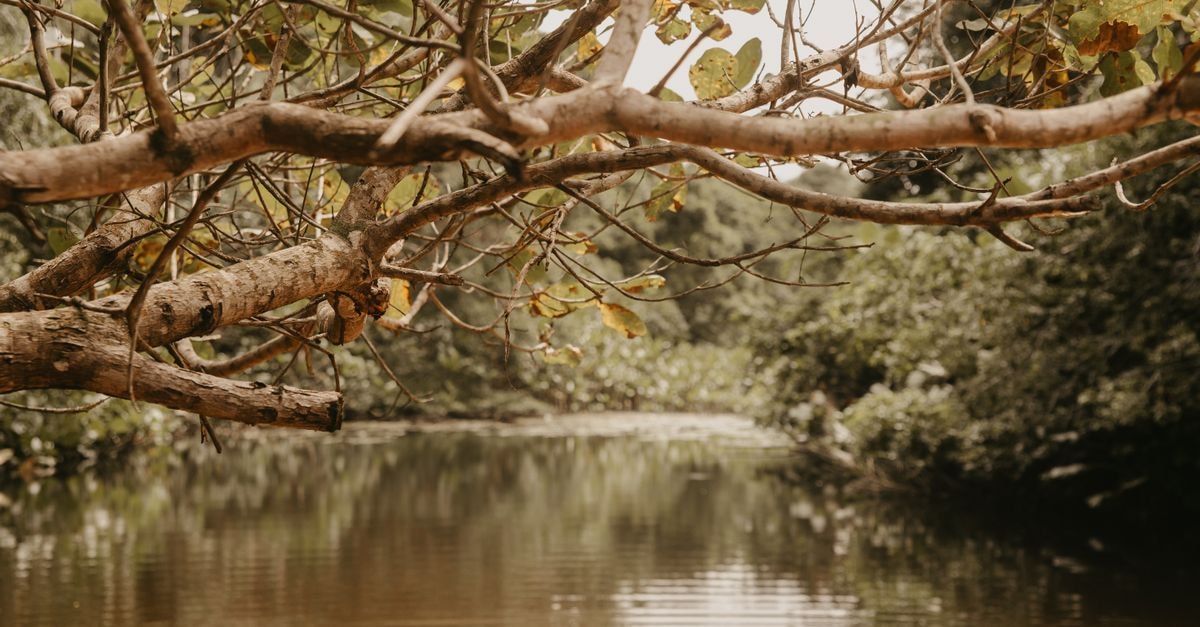
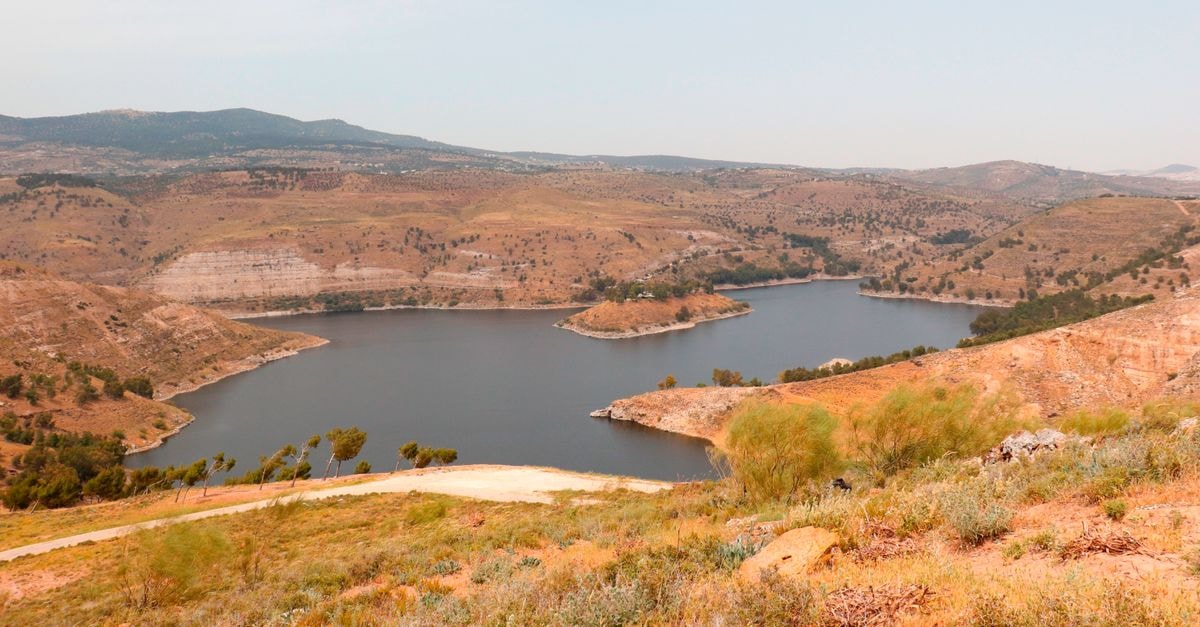
Vwawa is a small, low-key town tucked into Tanzania's Songwe region in the country's southwest. It sits along the kind of route that travelers tend to pass through rather than linger on, and that is part of its charm. The town rests at a fairly modest elevation, with a generally mild climate that makes it feel gentler than the steamy lowlands to the north. If you are the sort of traveler who prefers unhurried places, friendly market rhythms, and a base from which to explore scenery on foot rather than to tick off a long checklist of sights, Vwawa can be a quietly rewarding stop.
What Vwawa offers is not a packed urban itinerary but a sense of place: a working town on the road, a hint of green around the edges, and a natural landmark nearby that gives the area its identity. Below is a grounded look at what to expect, drawn from the available evidence.
Weather and seasonal context
Vwawa sits at an elevation of roughly 896 meters, and the climate reflects that middle-ground altitude. Conditions tend to feel comfortably cool rather than tropical, with the area generally registering around 16°C (61°F) on average and notably high humidity at about 84%. Wind speeds are typically very light, averaging around 1 km/h, and rainfall is often low to minimal during the calmer stretches of the year.
What this means on the ground is that the air can feel soft and a little damp even when temperatures are mild, and breezes are rarely strong enough to push the day along. Travelers who prefer cooler, breathable conditions for walking around town or heading out to nearby scenery may find this kind of climate easy to settle into. Pacing your day around the cooler hours and building in rest stops can make a difference here, especially if you are not used to humidity. Because rainfall can be sparse in some stretches and heavier in others, a light layer and a compact umbrella are sensible companions rather than essentials to overthink.
Getting around
Vwawa is best understood as a transport waypoint rather than a destination with its own elaborate transit system. The town shares its position with Tunduma as one of the two main transport hubs on the A104 highway, also known as the Great North Road, and it sits on the TAZARA railway line. That means the road and rail arteries linking Tanzania to its neighbors run right through the area, and travelers usually arrive by bus, shared transport, or rail.
If you prefer a slow travel pace and want to use Vwawa as a base for short day-long explorations rather than a single overnight pass-through, the transport picture is supportive of that. The road and rail access make arrivals and departures easy, while the small-town scale keeps getting around unhurried.
Attractions and planning
The headline natural attraction associated with Vwawa is the Vwawa Waterfall, described as a scenic spot nestled in the Songwe region and a notable example of the area's natural landscapes. It is the kind of place that rewards travelers who enjoy waterfalls and short, immersive nature stops rather than sprawling national-park itineraries.
When planning a visit to the waterfall, the local guidance points to the dry season, which typically runs from June to October. Visiting in that window can mean easier footing on the approach, calmer water levels for enjoying the falls themselves, and generally more reliable walking conditions. Travelers who are particular about photography, comfortable footing on uneven ground, or simply prefer a drier walk to and from the viewpoint may want to aim for that window. If you are flexible with timing, building the waterfall into a slow morning or early afternoon outing from a base in Vwawa tends to work well.
Because Vwawa itself is small, the natural attractions in the surrounding area tend to be the main draw, and the waterfall is the most clearly documented of these in the available local guidance. Treat it as the centerpiece of a few unhurried days rather than as a quick photo stop.
A quick note before you go
Factual travel conditions can change, and details such as transport availability, road conditions, and access to natural sites should be checked with local contacts, your accommodation, or official channels closer to your departure. The climate figures here are long-term averages rather than a live forecast, and the dry-season window for the waterfall is a general local pattern rather than a guarantee. Confirm current conditions before you set out, especially if the waterfall visit is a central part of your plan.
Share this article
TOOLS FOR THIS PLAN
Make the Vwawa plan measurable
Choose a tool only when it answers the next question in your trip. Your values stay in the browser, and each tool offers a route back to this planning context.