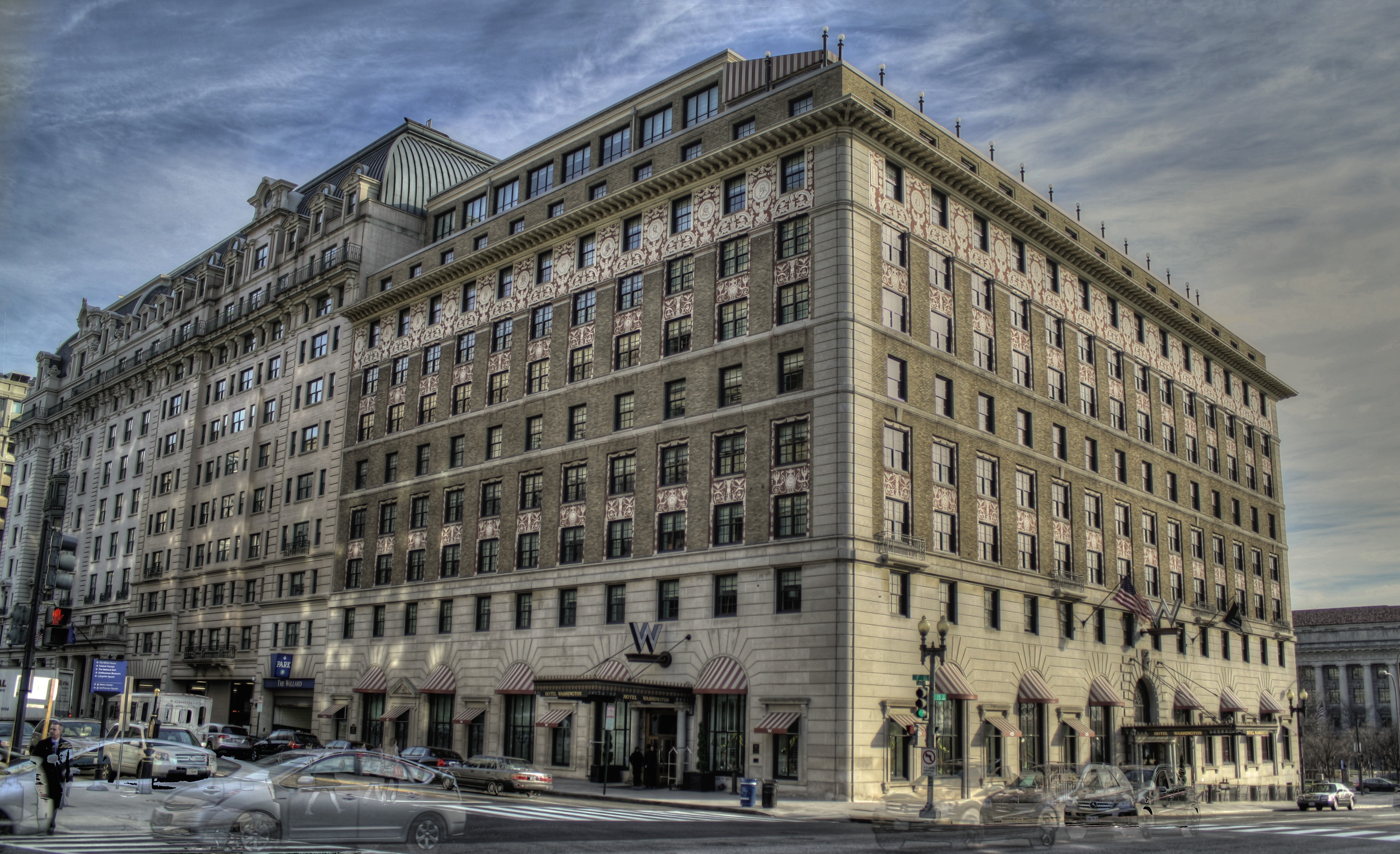
There is something quietly cinematic about arriving in Washington D.C. for the first time. The avenues feel wider than expected, the monuments rise out of green space rather than crowded blocks, and the pace of the city invites you to slow down rather than rush from one checklist item to the next. For travelers who like to absorb a place through long walks and unhurried meals, the capital of the United States offers a generous canvas.

This guide keeps the focus narrow and useful: how the city actually moves under your feet, and the wider American food culture you are likely to encounter while you are here. It is written as evergreen city guidance, useful in any season, because the two strongest facts we can stand behind are about walkability and about the broader culinary context of the country you are visiting.
Getting around
Washington D.C. is one of America's most walkable cities within its core, and that single observation quietly reshapes how a visit here should feel. Rather than treating transport as a logistics puzzle, the most rewarding approach is to think of your itinerary as a series of strolls linked by short hops.
Within the central districts, distances that look intimidating on a map often reveal themselves as pleasant walks. Wide sidewalks, tree-lined avenues, and an orderly street grid mean that pedestrian navigation stays simple even for first-time visitors. This walkability encourages a slower, more attentive rhythm of travel: pausing at a corner to read a plaque, doubling back for a better view, or wandering into a neighborhood you had not originally planned to visit.
For a traveler, the practical takeaway is to plan walking routes as the backbone of each day, and to save motorized transport for moments when distance, fatigue, or weather makes walking genuinely impractical. When you do step off your feet, the city offers plenty of options, but the most charming experience of the capital is usually the one you have on foot, at the pace your own curiosity sets.
Food and local context
American food culture, as it appears on tables across the country, is a melting pot of flavors that reflects the nation's diverse cultural heritage and regional specialties. Visitors to Washington D.C. will encounter this broader American culinary story everywhere from casual diners to more polished settings, because the capital is, in many ways, a showcase for the wider food landscape of the United States.
The most popular dishes of United States cuisine include familiar staples that travelers may already know by reputation: comforting regional plates, sandwiches built around local bread traditions, barbecued or slow-cooked meats in certain regions, and a deep love of pies, baked goods, and sweet finishes. What makes the experience interesting in the capital is the way these nationwide flavors sit alongside the cuisines that immigrants have brought to the country over generations, creating menus that feel both distinctly American and unmistakably layered.
For a traveler, this means you do not need to hunt for a single signature dish to feel that you have understood the food here. Instead, the joy is in sampling across the spectrum: a classic American breakfast to start a day of walking, a regional sandwich for lunch, a sweet treat in the afternoon, and a relaxed dinner that might lean into any one of the many traditions that now define cooking across the country. Treat every meal as a small piece of the larger American culinary story, and the rhythm of the trip becomes richer without ever feeling forced.
A few soft habits help when eating your way through the capital. Sit-down restaurants often pace meals generously, so build in time rather than rushing between sights. Neighborhood cafes make excellent reset points between long walks. And because the food culture here is so varied, asking locals what they are cooking at home right now is one of the most reliable ways to discover something you will not find in a guidebook.
Pacing your visit
Because the city rewards walking, the shape of a good day is simpler than it first appears. Cluster sights that sit close together, leave generous gaps for the unexpected, and resist the urge to fill every hour. The walkability of the core means you can afford to be spontaneous: if a particular avenue looks inviting, follow it. If a small park or a quiet square appears, sit for a while.
Travelers often find that three or four anchor stops in a day, separated by long walks and unhurried meals, feel more satisfying than a packed schedule. The capital's scale is forgiving, and the distances between major points of interest are short enough that you rarely lose more than a few minutes walking between them.
Reading the room as a visitor
Washington D.C. is a capital city that doubles as a place where people live, work, and study. That mix shapes the daily rhythm: weekday mornings can feel purposeful and businesslike, while weekends tend to soften into a more relaxed pace. As a visitor, matching your energy to that rhythm helps.
Mornings are an excellent time for long walks before the day warms up and the streets fill in. Late mornings and early afternoons tend to belong to the lunch crowd. Early evenings bring a gentle bustle as people head to dinners and gatherings. Late evenings feel quieter and more reflective, and can be a wonderful time to walk through monumental areas where the lights and the open sky take over from the daytime crowds.
A note on what we have not covered
This guide keeps its scope deliberately tight. We have not listed specific restaurants, prices, opening hours, or reservations because the verified evidence available for this destination does not support those specifics, and it would be unhelpful to invent them. We have also avoided day-trip suggestions beyond the city itself, since recommending nearby destinations requires evidence we do not currently have.
What we have offered instead is grounded guidance on two of the most useful things to know before you arrive: how the city invites you to move through it, and the wider American food culture you will encounter once you are here. Both of these shape the texture of a trip far more than any single list of sights.
Practical reminders
A few evergreen reminders apply to any visit to the capital. Wear comfortable shoes; the city genuinely rewards walking, and you will cover more ground than you expect. Keep a light layer on hand, because transitions between sun and shade, or between indoors and outdoors, can shift how the day feels. Carry water on longer walks, especially when the route takes you through the open monumental spaces where shade is limited. And give yourself permission to leave a planned stop early if the moment calls for it; the next block is almost always interesting too.
For anything that needs to be confirmed before you act on it, such as opening hours, ticketing, accessibility services, or current local guidance, always check official channels close to your travel dates. Conditions can change, and the most reliable source for the latest information is the venue or service itself.
Factual travel conditions can shift over time, and official channels should be checked before departure to confirm any details that matter to your plans.
Verification note
This guide is built from a small set of approved facts: one about how walkable Washington D.C. is within its core, and two about the broader traditional food culture of the United States that visitors will encounter in the city. It does not draw on personal experience, and it avoids claims that would require up-to-the-minute verification, such as prices, schedules, or current closures. Read it as a steady, durable introduction to how the city moves and what the food culture feels like, and use official sources for any time-sensitive details before you travel.
Share this article
TOOLS FOR THIS PLAN
Make the Washington D.C. plan measurable
Choose a tool only when it answers the next question in your trip. Your values stay in the browser, and each tool offers a route back to this planning context.