A coastal Zhejiang city built by traders

Wenzhou sits on the eastern edge of Zhejiang province, looking out across the East China Sea and the islands that scatter the coastline. It has the kind of atmosphere that comes from being a port city for a very long time: practical, outward-looking, and not overly polished for visitors. Travelers who enjoy places with a working harbor rhythm — somewhere that feels less like a set and more like a city getting on with its day — tend to feel at home here.
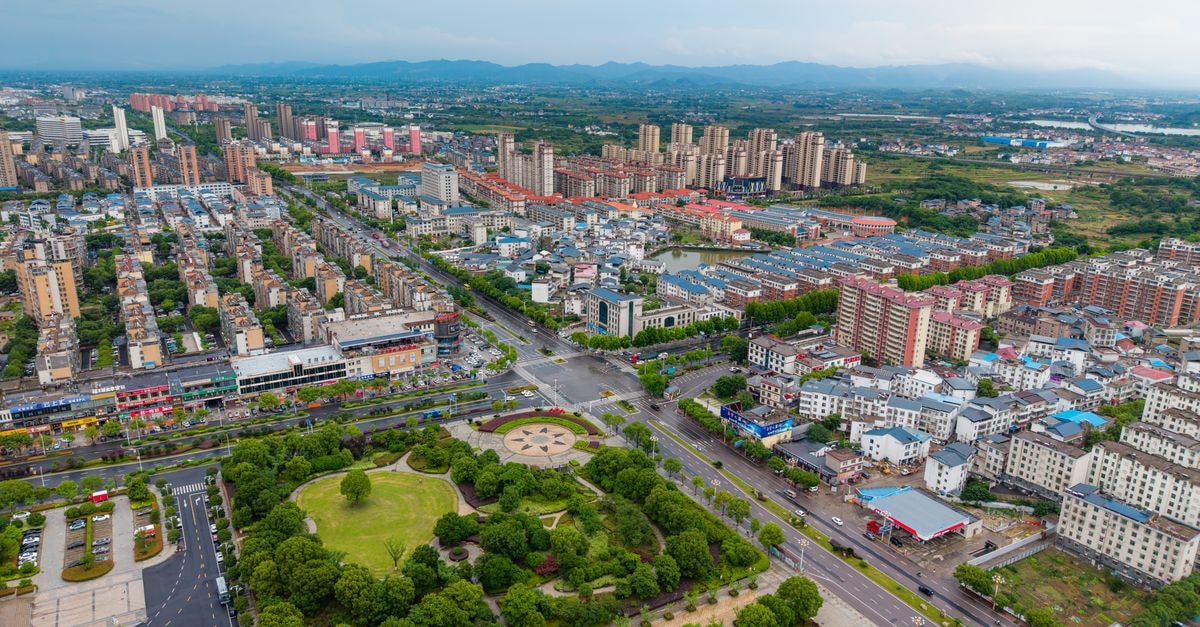
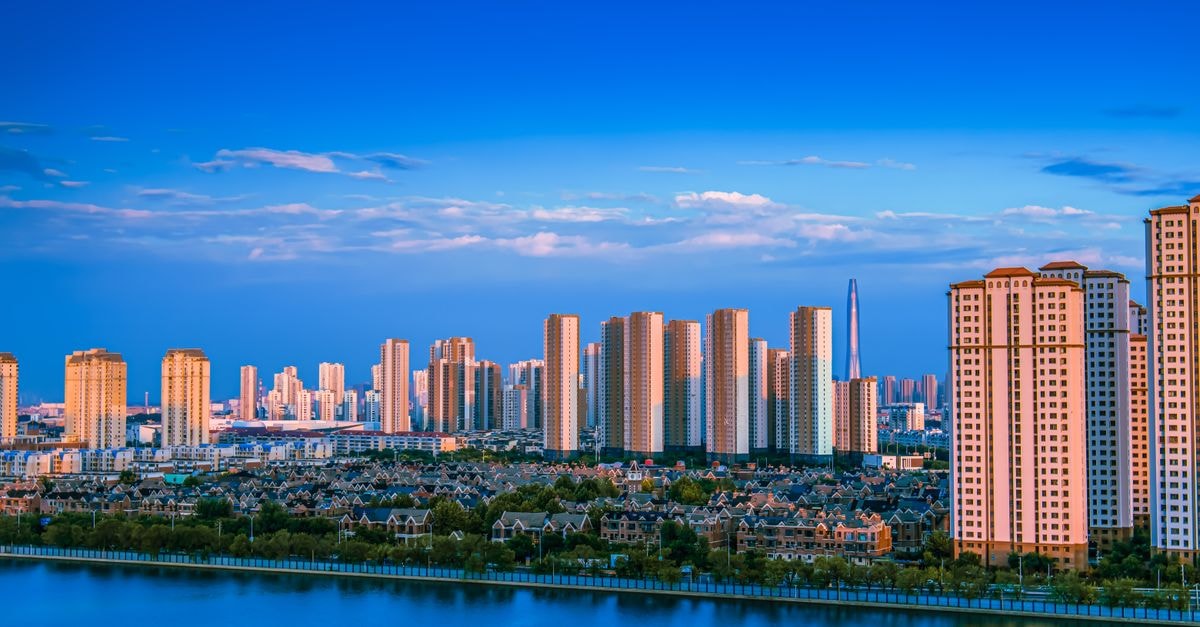
What makes Wenzhou worth a stop is the layering. The hills press close to the coast, the urban core sits on the Yongjia plain, and the island districts give the city an unusually long and varied shoreline. You can be in a dense, modern downtown one moment and looking at offshore islands the next. It is also a useful base if you are exploring the southeastern corner of Zhejiang more broadly, with a transport network that connects inland and coastal towns.
This Wenzhou travel guide focuses on the practical side of arriving and finding your feet: how the airport and rail stations sit in relation to the city, what is worth knowing before you plan your time, and how the region's coastal identity shapes what you eat here.
Getting around
### Arriving by air
Most international and long-distance visitors will land at the city's main international airport, which sits in the Longwan District roughly 22 kilometers from the downtown area. That distance is worth keeping in mind when planning transfers — the airport is a real drive from the city center rather than something you can casually walk out of, so allow a comfortable window for check-in.
The same airport also handles traffic for neighboring cities, including Taizhou, Lishui, and Ningde, so the flight options you see for Wenzhou are not only serving Wenzhou itself. That broader catchment can be useful if you are piecing together a wider southeastern China route and want to use Wenzhou as an air gateway.
### Arriving by rail
If you are already in Zhejiang or are connecting from other parts of eastern China, Wenzhou Railway Station is part of the picture. It operates primarily non-bullet trains along the Jin Wen railway line, which makes it a useful option for regional hops rather than the fastest intercity connections. Travelers prioritizing speed will want to check whether their preferred route runs through the city's higher-speed services instead.
Attractions and planning
### A practical note for international arrivals
For travelers using Wenzhou as a base, the city and its surrounding districts offer a mix of urban streets, hillside parks, and coastal scenery. Within the city limits you will find modern shopping and dining areas, while the island districts and coastline offer a different texture entirely. Beyond those broad strokes, do your own research for the specific sites, neighborhoods, and walking routes that match the kind of trip you want — this guide intentionally keeps the planning notes high-level so you can shape the visit around your own pace and interests.
Food and local context
### A seafood-driven coastal identity
Wenzhou's food culture reflects its geography. The city has a long, indented coastline dotted with island districts, and that proximity to the sea shows up directly on the table. Dongtou Seafood is a notable example — a style of cooking and eating that is closely associated with Dongtou, an island district within Wenzhou's administrative area. Seafood here tends to be treated simply: fresh, quick-cooked, and presented in a way that highlights the ingredient rather than masking it.
If you enjoy seafood, treat Dongtou as one of the regional culinary touchstones worth seeking out. If you are less inclined toward it, the city is large enough that you will also find inland-style Zhejiang cooking and broader Chinese staples without difficulty — there is no need to make every meal a seafood one.
### A wider note on regional eating
It can be useful to know, as broader Zhejiang and eastern China context, that dining across this stretch of the coast often emphasizes freshness, seasonality, and ingredient-led preparation rather than long-simmered or heavily sauced dishes. Ordering by asking what was caught or picked that same day is often the most reliable way to navigate a local menu. The wider Chinese restaurant culture of sharing several dishes in the middle of the table, with individual rice bowls, also holds here, so plan to order as a group rather than one dish per person.
Tips for the road
A few habits will make a Wenzhou trip smoother, especially for first-time visitors to this part of Zhejiang:
- Sort out your airport transfer before you land. At roughly 22 kilometers from downtown, Longwan is far enough that a prearranged car, taxi queue, or rail connection can save real time, particularly in poor weather or late at night.
- Check whether Wenzhou Railway Station's mix of non-bullet regional services matches the route you want, or whether a higher-speed service from another station makes more sense.
- If you qualify for visa-free transit and are considering using Wenzhou as a stopover, confirm the latest policy with the relevant authorities — designation as a transit port is the framework, but individual eligibility and permitted stay can change.
- Give the coastal food culture room to surprise you. Dongtou Seafood and similar styles are best approached as an experience rather than a single must-try dish; the variety is part of the point.
- Treat the island districts as a distinct environment from the mainland city. Travel between them involves ferries and additional planning time, so build them into your route rather than tacking them onto a single afternoon.
Final verification note
Airport layouts, train timetables, transit policies, visa rules, restaurant offerings, and operating hours can all change. Before booking flights, confirming rail tickets, or committing to specific arrangements, check directly with the airline, rail operator, relevant immigration authority, and any venue you plan to visit. Rates and conditions cited in this guide reflect widely available information at the time of writing; current details may differ. Treat this guide as a starting point for your own planning rather than a substitute for up-to-date checks before departure.
Prices, opening hours, schedules, reservation rules, and local conditions can change; verify them through official channels before departure.
Share this article
TOOLS FOR THIS PLAN
Make the Wenzhou plan measurable
Choose a tool only when it answers the next question in your trip. Your values stay in the browser, and each tool offers a route back to this planning context.