A quiet coastal gateway with deep river country at the door

There are destinations that announce themselves loudly, and others that wait patiently. Wewak belongs to the second kind. Set on the north coast of Papua New Guinea's East Sepik Province, it is a small seaside town whose everyday rhythm moves with the tides, the trade winds, and the boats that shuttle along the shoreline. For most travellers, Wewak is less a destination in itself than a thoughtful pause before something larger: the Sepik River and the cultural heartlands that spread out behind the coast.
What makes Wewak quietly compelling is the contrast it offers. By day the town feels like a working provincial hub, with a lively market, a relaxed beachfront, and the kind of easy, sun-warmed pace that rewards travellers willing to wander without a strict schedule. By evening the sky softens over the Bismarck Sea, and conversations at small food stalls carry on long after the light has gone. It is the kind of place that asks for curiosity rather than urgency.
This guide is written for the visitor who wants to understand Wewak on its own terms: what the climate tends to feel like, how to plan a meaningful cultural journey out of town, and where the local culinary life actually happens. It is intentionally compact, because Wewak rewards depth over breadth.
Weather and seasonal context
Wewak sits in a tropical coastal belt where temperatures stay consistently warm through the year. The average temperature sits around 27°C (80°F), with daytime highs typically reaching about 29°C (85°F) and overnight lows settling near 24°C (76°F). In practical terms, this means light clothing, frequent hydration, and a willingness to let plans shift with the heat of the day.
The town has a humid, equatorial feel that rewards slow mornings and shaded afternoons. Sea breezes along the beachfront help, but inland excursions along the river can feel heavier in the air. Travellers used to cooler climates often find that pacing matters here: the day tends to open gently, peak in the early afternoon, and then settle into a softer rhythm as evening approaches.
Because Wewak's climate stays within a narrow temperature range, the real planning question is usually rainfall and humidity rather than temperature. It is worth thinking in terms of wetter and drier windows rather than hot and cold seasons, and packing accordingly.
Attractions and planning
The most important thing to understand about Wewak, from a traveller's perspective, is that it functions as a base for Sepik River experiences rather than a sightseeing capital in its own right. Almost any cultural visit to the wider region starts from this small coastal town.
A locally rooted operator, Sepik Adventure Tours, is based in Wewak and specialises in guided cultural and river journeys through East Sepik Province. Their focus is on authentic Sepik River experiences and the wider Wewak region, which makes them a useful first contact for travellers who want to arrange a guided itinerary rather than improvise one. Because they are a city-based operator with regional expertise, they are well placed to advise on river logistics, village visits, and the practical realities of moving between coast and interior.
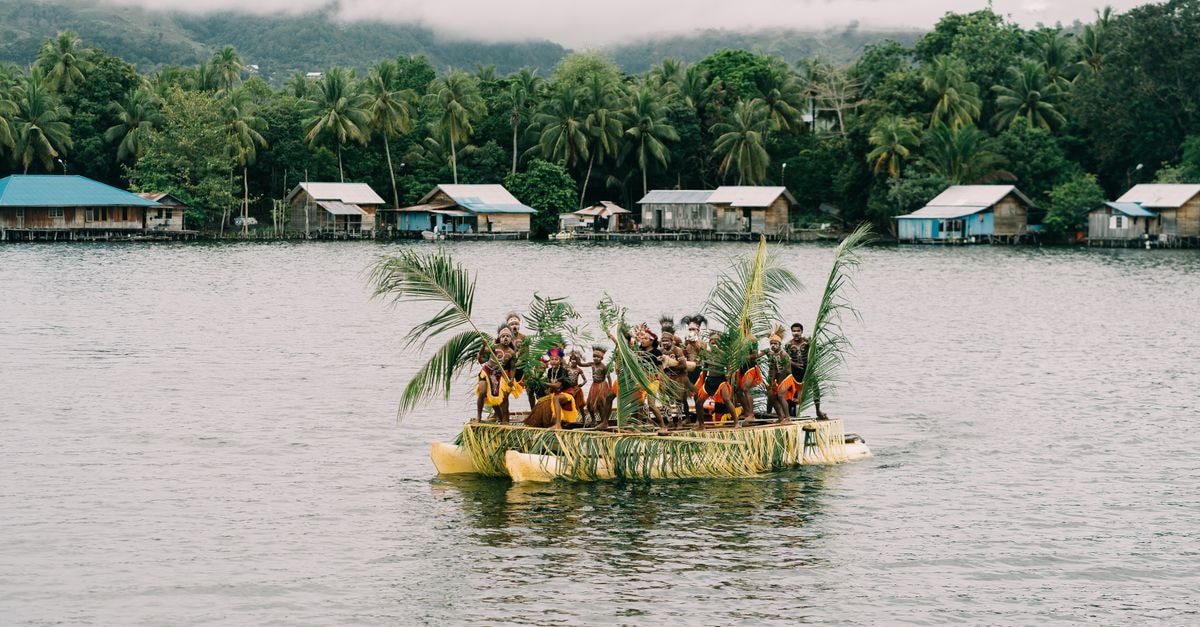
For travellers arranging their own plans, a useful local landmark is the beach opposite Wewak's main market, which serves as the departure point for boat trips heading out along the coast and toward the Sepik. Knowing this single meeting point makes a surprising amount of the town's logistics easier, since it ties the bustling market, the working beach, and the river journeys together in one mental map.
The honest planning advice here is unhurried. Most worthwhile Sepik experiences involve river travel, village protocols, and time spent listening and observing rather than ticking off sights. Building slack into an itinerary, choosing a reputable local guide, and treating the journey as the main event rather than a day excursion tends to produce a far more rewarding experience.
Food and local context
Wewak's food scene is best understood as an extension of its market life rather than a restaurant circuit. The Sambrook Street Market, also referred to as Wewak Market, is the heart of the town's local commerce. It is the place where fresh produce, fish, and handmade crafts move through the day, and it offers visitors one of the most direct windows into everyday life in East Sepik.
The broader culinary picture is shaped by a blend of local flavours together with influences from both Asian and Australian cuisines, which gives the town a distinctive coastal food culture that visitors encounter through market stalls and small eateries rather than formal dining rooms.
The market is also a practical anchor for travellers. Because it sits next to the beach that serves as the departure point for boat trips, it is common to weave a market visit and a river journey into the same morning, pausing to watch the town wake up before stepping onto the sand.
One honest caveat: Wewak is described as an outline destination in some general travel references, meaning that detailed restaurant listings and neighbourhood food guides are limited. Travellers should expect a small, local dining scene rather than a developed culinary map, and should treat the market and a few small eateries as the main reference points.
Travelling thoughtfully in Wewak
A few quiet principles tend to serve visitors well in Wewak. The town moves at its own pace, and resisting the urge to over-schedule is usually rewarded. Cultural visits along the Sepik are genuine exchanges rather than performances, and approaching them with patience, modest dress, and a willingness to listen makes a meaningful difference. Small local purchases at the market support the town directly, and asking before photographing people or crafts is both polite and expected.
Wewak is also a place where connections matter. Operators like Sepik Adventure Tours, market traders, boat captains, and guesthouse hosts often know each other, and a single friendly conversation can unlock logistics that no guidebook covers. Travellers who treat these relationships as part of the journey, rather than as transactional services, usually find the town opens up quickly.
Above all, Wewak rewards the kind of traveller who arrives with a loose plan, a clear sense of curiosity, and time to let the Sepik region reveal itself. The town itself is small, but what it opens onto is vast.
*Factual travel conditions can change, and details such as operator availability, market hours, transport, and local services should always be confirmed through official or locally recognised channels before departure.*
Prices, opening hours, schedules, reservation rules, and local conditions can change; verify them through official channels before departure.
Share this article
TOOLS FOR THIS PLAN
Make the Wewak plan measurable
Choose a tool only when it answers the next question in your trip. Your values stay in the browser, and each tool offers a route back to this planning context.