A laid-back harbour city worth slowing down for

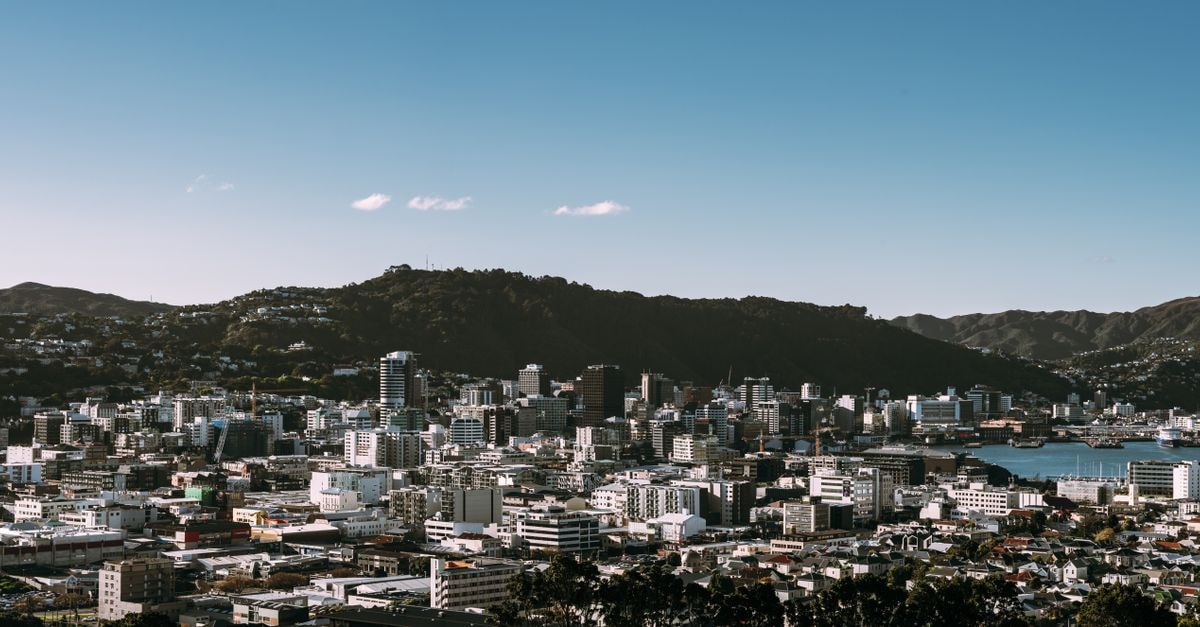
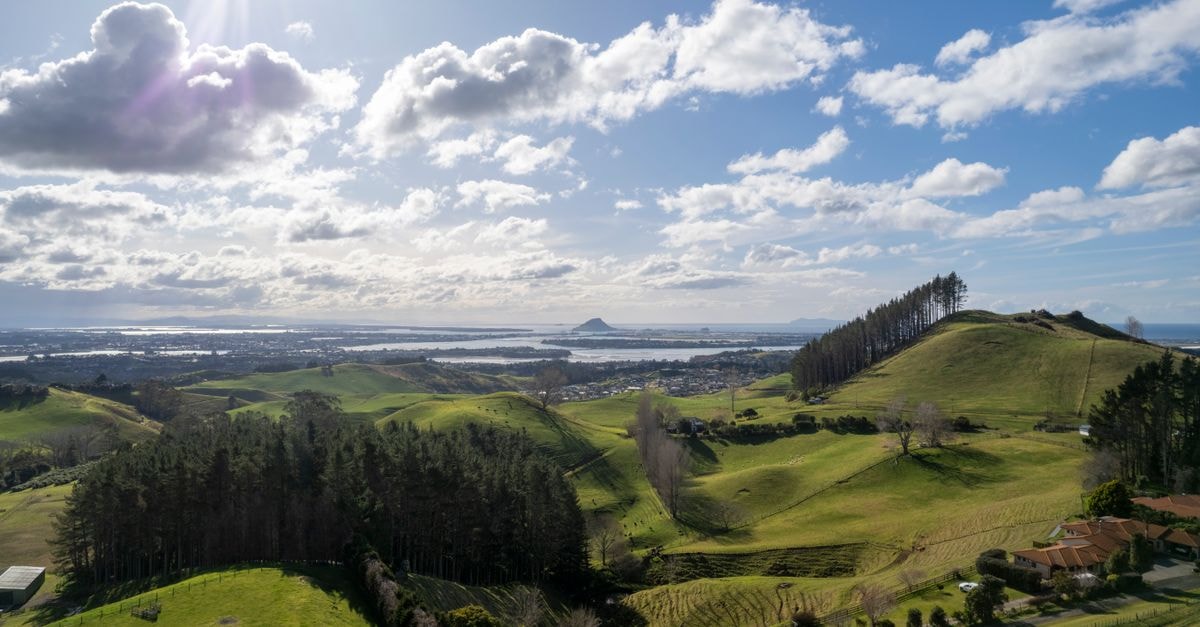
Whangārei has the kind of easy rhythm that makes a short visit feel longer, in the best way. Set between rolling hills and the sparkling waters of Whangārei Harbour, this Northland destination reads as relaxed at first glance, but it rewards travellers who lean in. The city wears its harbour setting gently: waterfront paths, pockets of green, and a creative streak that runs through galleries, cafés, and the kitchens of the people who live here. For a traveller building a Northland itinerary, it works beautifully as a base — a place to wander on foot, eat well, and let the day unfold without a strict schedule.
If you are visiting Whangārei and wondering where to start, two threads tend to define the experience: the cultural and scenic side of the city, and the way locals actually eat and gather around food. The sections below follow both, leaning on the perspective of people who call Whangārei home.
Attractions and planning
A good day in Whangārei tends to orbit the harbour and the spaces that frame it. The city is small enough to explore on foot, yet layered enough that a slow walk reveals more than a hurried loop. Sticking close to Town Basin and the surrounding waterfront is a natural anchor: the harbour views, the boats, and the working marina give the city its everyday rhythm, and many of the most enjoyable moments come from pausing along the way rather than rushing between sights.
For travellers interested in the region's creative side, the Whangārei Art Museum is widely described as a must-visit stop. It carries the artistic heritage of the wider region, and it sits comfortably as a cultural centrepiece for a short stay — the kind of place where you can spend an hour or stretch out a relaxed afternoon. Pairing the museum with a wander along the waterfront gives the day a comfortable shape: indoor culture, then a long outdoor exhale.
The geography of Whangārei is part of the experience. Set between rolling hills and the sparkling waters of Whangārei Harbour, the city has that appealing quality of feeling both sheltered and open, with water visible from many vantage points. Travellers who like to take their time — pausing for a coffee, stopping at a lookout, sitting on a bench and watching the light change over the harbour — tend to enjoy it most. There is no single checklist here; the city rewards pace and curiosity more than a packed schedule.
Food and local context
Food is one of the most honest ways to get to know Whangārei, and locals tend to talk about it with real affection. One useful window into the scene comes from a local restaurant owner-operator who has shared his go-to food spots around the city — from beef nachos on the waterfront to where he goes for good sourdough. That kind of insider perspective captures something important about eating in Whangārei: it is personal, varied, and shaped by people who genuinely care about what they are putting on the plate.
The same owner-operator has lived in Whangārei for about a year, eating out as often as possible while running his own restaurant, and using food as a way to get to know the city. For visitors, that mindset is worth borrowing. The food scene here is best approached not as a list of famous places, but as a habit — wandering a little, asking, trying the waterfront for a casual bite, and seeking out the bakeries and small kitchens that locals return to. The result is a more textured picture of Whangārei than any single dining recommendation can offer.
Geography shapes the menu. Whangārei sits in Northland, a region flanked by sea on two sides, and that coastal position means seafood here is generally fresher and more affordable than in most New Zealand cities. It is one of the quiet advantages of travelling this far north, and it shows up across the local food scene in simple, satisfying ways. Restaurants along Town Basin, in particular, are known for serving fish caught daily from Bream Bay, which keeps the connection between the harbour and the plate very close.
Alongside the everyday food culture, visitors may also encounter wider New Zealand traditions during their stay. Hāngī — food slow-cooked using geothermal heat — still appears at community events around the area, offering a taste of Māori culture that is woven into local life rather than staged for tourists. It is the kind of experience that rewards travellers who keep an eye on local noticeboards, community calendars, and word-of-mouth recommendations while they are in town.
A note on verified facts and travel conditions
The details in this guide are drawn from approved local sources, including a regional travel feature and an insider food piece. Where prices, opening hours, reservations, or seasonal closures are concerned, these can change quickly and are worth confirming directly with venues and official channels before you travel. Currency rates, if you need to convert spending at home, are only a reference point — check the live rate before budgeting. Treat this guide as a starting framework for getting to know Whangārei, and let the city fill in the rest once you arrive.
Share this article
TOOLS FOR THIS PLAN
Make the Whangarei plan measurable
Choose a tool only when it answers the next question in your trip. Your values stay in the browser, and each tool offers a route back to this planning context.