A softer corner of southeastern China

Xiamen sits along the coast of Fujian province and carries the easy rhythm of a seaside city where life unfolds a little slower than in China's giant inland hubs. The air feels softer on the lungs, the pace invites long lunches, and the relationship between water, streets, and small neighborhoods is part of what makes the city feel like a quiet escape rather than a checklist stop. For travelers who want a coastal base that is gentle to walk, easy to navigate, and rooted in a distinct local food culture, Xiamen offers a refreshing kind of trip.
This guide focuses on three grounded pillars: the climate context that shapes how you plan your days, the transit options that move you between neighborhoods and the coast, and the food traditions that give the city its flavor. The goal is to help you arrive feeling oriented, eat with confidence, and move around without friction.
Weather and seasonal context
Xiamen's climate is one of its quietest advantages. Compared with northern Chinese cities in any season, Xiamen genuinely feels more pleasant to breathe in, with a coastal softness that travelers notice within the first day. That breathable quality is a steady trait of the city rather than a fluke of a single month.
Because the source material for this guide confirms the city-wide climate character but does not lock in specific daily temperatures for a particular travel month, the most useful approach is to plan around the general coastal rhythm. Mornings tend to be the calmest time to be outside, midday can feel warm and humid, and the late afternoon often brings a breeze off the water that makes walking neighborhoods more comfortable. Pacing the day around that arc — active early, relaxed in the middle, exploring again as the air cools — tends to match how Xiamen naturally feels.
Pack light, breathable layers, a compact umbrella for passing showers, and shoes that handle both stone streets and waterfront paths. The city's mild reputation does not eliminate humidity, so cotton and linen staples usually serve travelers well.
Getting around
Xiamen is served by a layered transport network that includes air, train, metro, bus, ferry, and taxi options, which is enough variety for most independent travelers to design their own rhythm. The city's airport situation is worth knowing before you book: confirm which airport currently serves Xiamen and how it connects to the rest of the city when you arrange ground transfer, since the operating airport and its access routes can shape how smoothly you begin and end your trip.
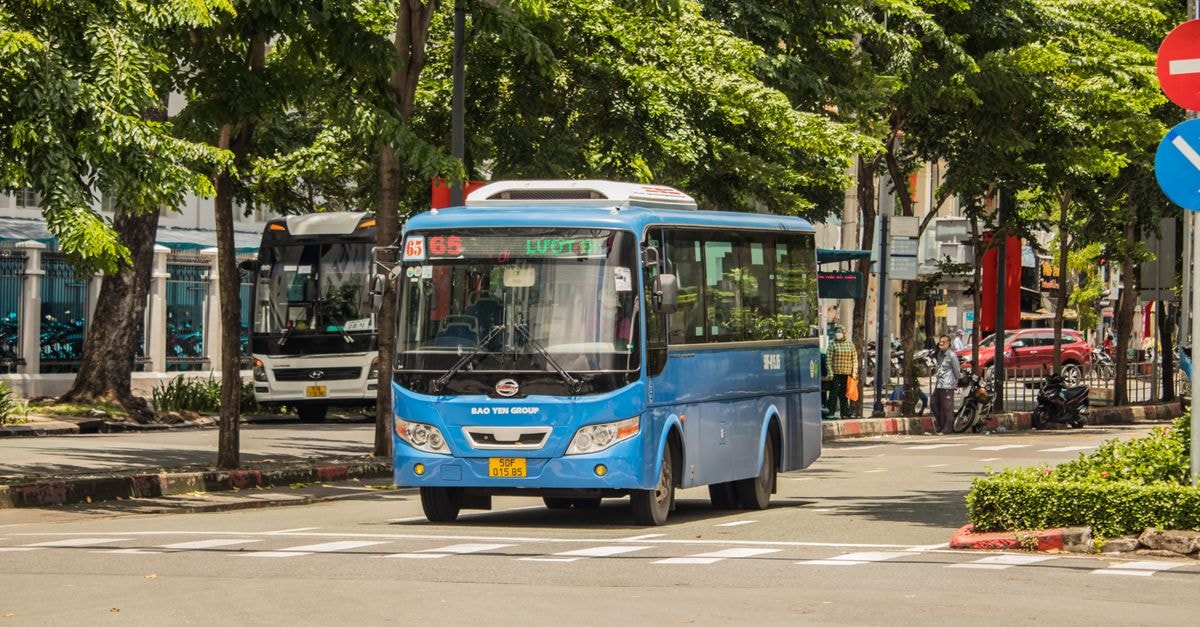
Within the city, the metro, buses, ferries, and taxis give you flexible ways to move between coastal districts, older neighborhoods, and dining pockets without depending on a single mode. Ferry routes are particularly useful for travelers who want to spend time on the water as part of getting around, since the harbor is part of daily life here rather than a separate excursion. For visitors who prefer a simple, repeatable routine, taxi and ride-hailing work well for short hops, while the metro is a good anchor for longer cross-city moves.
A practical rhythm is to use the metro or a taxi to reach a broader district in the morning, then let your feet, a bus, or a ferry handle the closer, more scenic stretches. That keeps the day relaxed and lets the coastal layout reveal itself gradually.
Food and local context
Food is one of the most reliable ways to feel oriented in Xiamen, and the city's culinary heritage gives visitors a clear handful of dishes to learn before they arrive. One of the signature specialties is Oyster Omelette, known locally as or Hǎilìjiān. The texture is part of the story: the edges crisp up while the center stays soft and gooey, where tapioca starch meets egg and plump oysters. It is the kind of dish that rewards eating at a small neighborhood spot rather than a polished dining room, and it is a natural starting point for understanding how Fujian cooking balances the sea with starch and egg.
Beyond the iconic omelette, Xiamen has a tradition of braised dishes and prepared snacks that travelers can sample as they wander. The city hosts established spots that have built reputations around these flavors, including places such as Xiamen Zhenzhen Xiagang Braised Food, which is referenced in local dining coverage as a recognizable name for visitors looking to try that style of cooking. Treat named venues like that as orientation points — a way to know the category of dish you are stepping into — rather than as a fixed recommendation, since hours and menus shift over time.
When you eat in Xiamen, the wider Chinese context is also worth knowing: across China, shared tables, family-style serving, and the rhythm of ordering several small dishes to share are common customs visitors may encounter while dining in the city. That shared style is part of how local meals unfold, and following the lead of your dining companions or the pace of nearby tables tends to make the experience feel natural.
A simple rhythm for the days
Rather than packing a strict hour-by-hour plan, let the city's climate and layout shape your days. Mornings are the moment for longer walks and any transit-heavy moves. Midday is a good window for a slow lunch centered on a local specialty, ideally with a little indoor time while the sun is strongest. Late afternoon and early evening belong to the waterfront, where ferries, harbor views, and neighborhood strolls tend to feel especially pleasant.
Because this guide is built from evergreen source material, any specific venue hours, ferry timetables, ticket prices, or current transit details should be confirmed through official channels before you travel. Factual travel conditions can change, and a quick check closer to your trip is the easiest way to keep plans smooth.
Share this article
TOOLS FOR THIS PLAN
Make the Xiamen plan measurable
Choose a tool only when it answers the next question in your trip. Your values stay in the browser, and each tool offers a route back to this planning context.