A first impression of Yangzhou

Set within Jiangsu province in eastern China, Yangzhou is the sort of city that rewards unhurried visitors. It is small enough to feel intimate, yet layered with a long imperial-era story, a creative culinary reputation, and a quieter pace than the nearby mega-cities. Travellers tend to come here for two things: a sense of place that feels rooted in centuries of canal trade and scholarly culture, and a kitchen that takes everyday ingredients seriously. Plan to wander, sit down often for tea or a meal, and let the city unfold at its own pace.
Because the city is compact and walkable in its historic core, a short stay can feel surprisingly rich. Most of the practical decisions are simple: how you arrive, how you move around, and where you choose to eat. The notes below cover each of those themes with only what is genuinely supported, so you can build the rest of your trip around your own curiosity.
Getting there and getting around
Yangzhou does not sit on its own dedicated long-haul airport, so arrivals are typically routed through nearby gateways. The city and neighbouring Taizhou jointly invested in the Jiangdu Airport, which sits roughly 30 km from Yangzhou and 20 km from Taizhou. Travellers flying in from further afield can also reach Yangzhou by way of Nanjing Lukou Airport, which is a common alternative entry point in the region.
Once you are in the city itself, daily movement is straightforward. The public transport network is the usual option for short hops, and a Yangzhou Public Transport Card can be used to acquire and top up a balance for buses and other city services. Taxis and ride-hailing apps also operate in the urban area, which makes it easy to fill the gaps when a destination is off the main bus route or when the weather nudges you indoors.
A useful rhythm is to walk or take public transport within the historic centre and switch to a car or taxi when venturing towards the outer districts. Because the city sits on flat ground, cycling is also a pleasant way to bridge distances that feel a little far on foot. Check current routes and stops with your hotel or a local source on the day, as bus numbers and timetables shift over time.
Attractions and planning your days
Yangzhou is best approached as a city of slow discoveries rather than a checklist of headline sights. Its historic core rewards visitors who give themselves permission to linger, both inside specific landmarks and in the lanes between them.
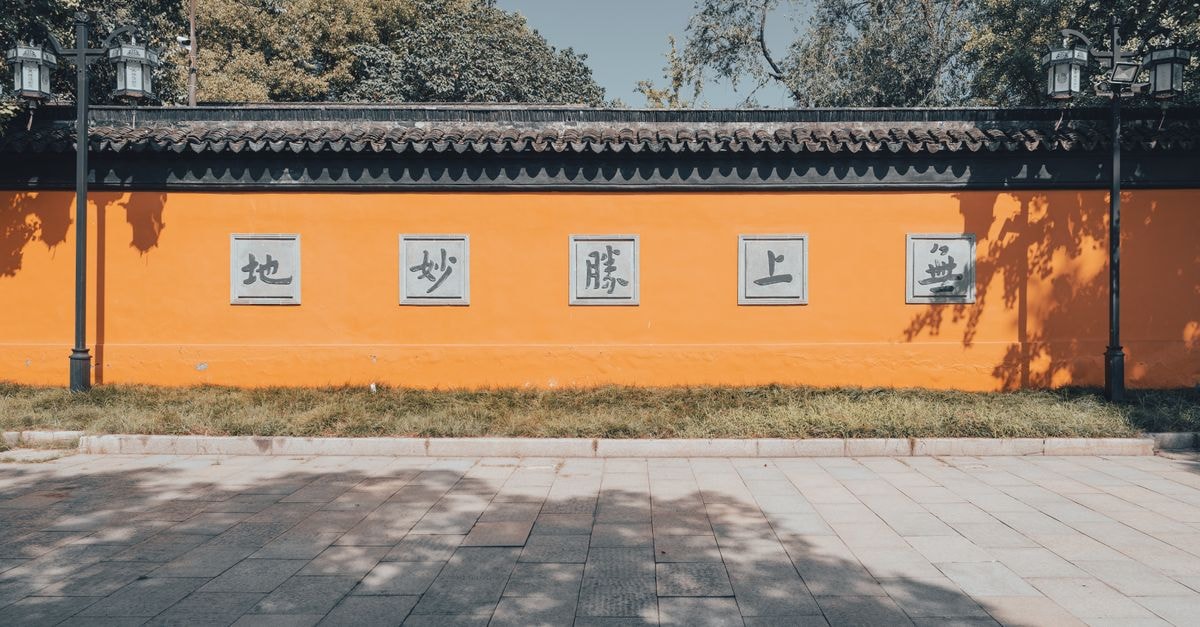
Among the places visitors most often highlight is a major temple within the city, celebrated for its historical significance and artistic beauty. Treat it as a calm cultural anchor rather than a quick photo stop: go with time to appreciate the architecture and detail, and use it as a way to read the city's past.
Beyond a single landmark, the broader pattern of the day matters more than any individual attraction. Build in unhurried time for canal-side walks, teahouse pauses, and the small museums that often sit near larger sites. If you only have a short stay, anchor each day around one main cultural stop and leave generous breathing room around it. If you have a longer visit, layer in neighbourhoods, gardens, and the everyday street life that gives Yangzhou its texture.
Because operating hours, ticket policies, and temporary closures can change, it is wise to confirm the practical details of any specific temple, garden, or museum you plan to visit through an official source before you go.
Food and the wider Jiangsu table
Across the city, the guiding idea is simple and worth keeping in mind: fine workmanship and fresh ingredients are the two characteristics of Yangzhou cuisine. That mindset shows up in everything from street snacks to banquet menus.
Dishes that often appear on local tables include Braised Meat Balls in Brown Sauce, Squirrel-Shaped Mandarin Fish, Yangzhou Fried Rice, and Wensi Tofu. These are useful names to recognise on a menu, even if you order something entirely different. Yangzhou Fried Rice in particular is a dish many travellers already know by reputation; tasting it in its home region is a different experience from the versions found abroad.
The wider context also helps. Huaiyang cuisine is one of the great culinary traditions of China, and its roots stretch back to the Western Han Dynasty, when a variety of dishes cooked with different methods and seasonings already existed in the Yangzhou and Huai'an areas. That longer history is why knife work, broth technique, and the careful balance of flavours feel so central to meals here. As a visitor, you may notice similar priorities in kitchens across the region, since Huaiyang influence extends well beyond the city limits.
A practical approach is to mix settings: a sit-down restaurant for a recognised dish, a small local spot for breakfast, and room for whatever the day brings. Tea houses are part of the food culture too, and pausing for a pot of local tea can be as memorable as any single plate.
Putting it together
A comfortable Yangzhou trip does not need a packed schedule. With easy arrivals through Jiangdu or Nanjing Lukou airports, a simple public transport card for daily movement, a handful of cultural anchors such as the celebrated city temple, and a culinary tradition rooted in fresh ingredients and careful technique, the essentials are within reach without overplanning. Leave space for spontaneous meals, an extra teahouse stop, and the canals that give the city its quiet rhythm.
Travel conditions can change over time. Flights, local bus routes, attraction opening hours, ticket rules, and even the dishes highlighted on menus may shift, so it is always worth checking official channels or your accommodation for the latest details before you set out.
Share this article
TOOLS FOR THIS PLAN
Make the Yangzhou plan measurable
Choose a tool only when it answers the next question in your trip. Your values stay in the browser, and each tool offers a route back to this planning context.