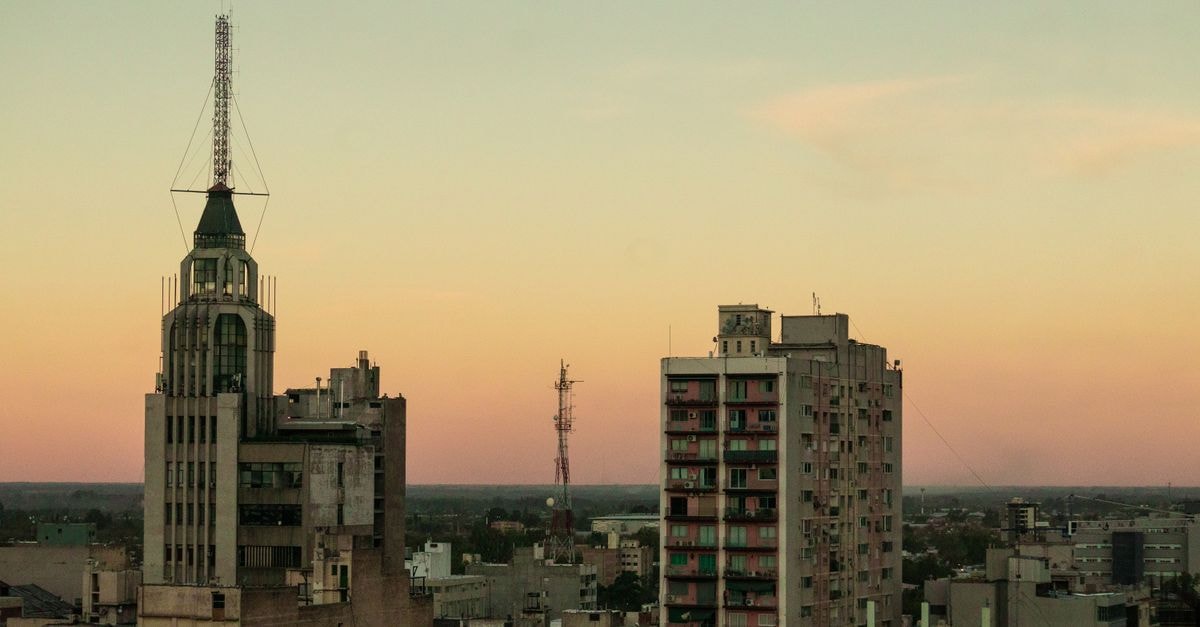
A first look at Yopal

Yopal is the capital of Casanare, a department that opens eastward into Colombia's vast llanos — the tropical plains that roll toward the Orinoco basin. Travelers who picture Colombia only as mountains, coffee zones, and Caribbean coast often discover a different country here, one of wide horizons, wetland wildlife, and a cattle-ranching rhythm that has shaped life for generations. The city itself sits at the edge of that landscape, working as a regional hub and a launch point for exploring what lies beyond its streets.
What makes Yopal interesting is not a checklist of headline sights but its sense of place. You arrive in a working provincial capital where the savanna feels close at hand, and where seasonal traditions still pull the community together. It is the kind of city that rewards travelers who like a destination with a strong regional identity rather than a polished tourist front door.
Weather and seasonal context
Yopal sits firmly within Colombia's Eastern Llanos, the Orinoco-basin plains that define the region's geography and climate. As one industry source puts it, Yopal is "the gateway to Colombia's Eastern Llanos — vast tropical plains in the Orinoco river basin" (F3-1). That positioning matters for travelers because the llanos climate is not the cool, spring-like weather many visitors associate with Bogotá or Medellín. Heat, humidity, and the rhythm of the wet and dry seasons shape daily life, and the surrounding plains influence how time outdoors is planned.
The same source also notes that Yopal "is not a traditional MICE destination with convention centers and hotel ballrooms" (F3-2), which hints at a more practical, experience-led character. For visitors, this often translates into a destination where plans are shaped by weather windows and outdoor conditions rather than by a packed indoor calendar. Travelers who prefer a slower, nature-oriented pace, with mornings or late afternoons reserved for being outside, may find that structure suits the llanos environment well.
Because specific temperature figures and current conditions are not part of the approved evidence, this guide stays evergreen on climate. A useful rule of thumb is to expect tropical-plains weather and to plan outdoor time with shade, water, and flexibility in mind.
Getting around and where to stay
Yopal's transport picture is shaped less by complex urban networks and more by its role as a regional hub. The city connects visitors to the surrounding wetlands and llanos experiences that draw travelers to Casanare in the first place. One travel source frames the area through imagery that any visitor will recognize on arrival: "Deer in lush green wetlands of Hato La Aurora, Casanare" (F2-1) — a reminder that the natural surroundings, not the city streets, are often the main event.
Accommodation options in Yopal lean toward the practical side. The same source points to the option to "book a stay at this business-friendly hotel in Yopal" (F2-2), which is a useful clue about the kind of lodging inventory available. Travelers should expect hotels that cater to working visitors and regional travelers rather than large resort complexes, and plan accordingly when comparing options and amenities.
Travelers who prefer staying within easy reach of transport links and services may find a centrally located business hotel a comfortable base, while those drawn primarily to nature and wildlife experiences should consider how transfers to the surrounding llanos are organized before committing to a specific neighborhood.
Attractions and festival culture
Yopal's cultural calendar gives the city a clear identity. Each year, the city hosts the Festival el Garcero del Llano, a celebration rooted in the region's cattle-ranching heritage and its connection to the wetlands. The festival has grown in importance over the years, earning recognition among similar events across the country: "todos los años en el mes de septiembre se prepara para ser el anfitrión de este festival que con los años cobra mucha importancia ganando una gran posición entre otros eventos de este estilo" (F4-1).
For travelers, this festival window offers a different way to experience Yopal — one defined by local music, dress, food, and community gatherings rather than by sightseeing in the conventional sense. Visitors who enjoy cultural events and like to plan around a city's own calendar, rather than only its monuments, may find this timing especially rewarding. Those who prefer quieter travel, with fewer crowds and a more everyday feel, might choose a different moment to visit, since the festival transforms the city's atmosphere.
Beyond the festival, the broader attraction of Yopal lies in its surroundings: the llanos plains, the wetlands where wildlife like the deer pictured at Hato La Aurora (F2-1) can be observed, and the sense of stepping into a less-visited corner of Colombia. Planning should leave room for slow days rather than rushing through a packed urban itinerary.
Food and wider Colombian context
Yopal does not have a documented local signature dish in the approved evidence, so it is more useful to frame the food scene through wider Colombian context that visitors will encounter in the city and across the country.
Colombia's food culture is often described as a mirror of its geography. One source captures this directly: "Colombia tastes like geography" (F7-1). That phrase is a fair summary of what travelers will find — meals that reflect the region's land, climate, and ingredients rather than a single national cuisine.
Among the dishes most associated with Colombia's culinary heritage, Bandeja Paisa stands out. It is described as "the mountain plate that could feed a small village" (F7-2), a hearty platter that reflects the Andean agricultural abundance of its origin. While Bandeja Paisa is rooted in the Antioquia region rather than the llanos, it is the kind of plate many travelers will see on menus across the country, including in Yopal, and it gives visitors a familiar reference point while they explore regional variations.
Broader etiquette around meals is shaped by Colombian customs: relaxed pacing, generous portions, and a social atmosphere around eating. Travelers who approach meals as a way to read the region — asking about local proteins, river fish, or llanos-style beef preparations — will get more out of the experience than those searching for a fixed list of must-order items.
Choosing what fits your trip
Because Yopal is an experience-led destination on the edge of the llanos rather than a conventional sightseeing city, the shape of the trip depends on what kind of traveler you are. Nature-oriented visitors may want to prioritize the surrounding wetlands and plains, accepting that the city itself is a base rather than the main attraction. Cultural travelers may prefer to time a visit around the Festival el Garcero del Llano (F4-1), accepting the busier atmosphere in exchange for an authentic regional celebration. Travelers who value a slower pace, shaded afternoons, and flexible outdoor time may find the llanos environment rewarding; those who need a dense urban itinerary or polished convention infrastructure should know that Yopal "is not a traditional MICE destination" (F3-2) and plan accordingly.
A final note before you go: travel conditions in this part of Colombia can change, and details around events, transport, and access to wetland areas should always be confirmed through official channels before departure.
Share this article
TOOLS FOR THIS PLAN
Make the Yopal plan measurable
Choose a tool only when it answers the next question in your trip. Your values stay in the browser, and each tool offers a route back to this planning context.