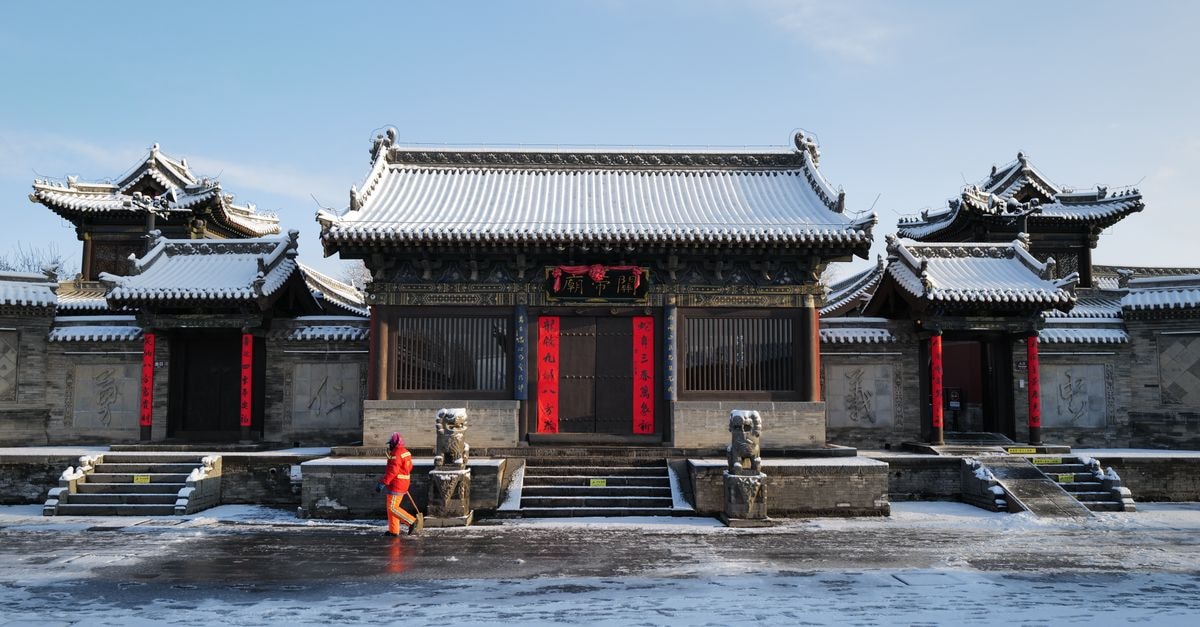
A quieter corner of western Guangdong

This guide sticks to what is supported about the destination: how to think about the weather and rhythm of a visit, how a published planning resource frames getting around, and the wider Chinese food culture context you are likely to encounter while eating your way through the region.
Weather and seasonal context
The most useful climate signal for Yunfu comes from how local recommendations arrange their suggested days. One city-level itinerary sketches a calm, two-day rhythm: a first day spent in a mountain area often associated with escaping summer heat and playing in cool water, finishing at a riverside village to watch the sunset; a second day that moves from a quiet ancient temple in the morning to a tea garden on a mountain in the afternoon, framed as light and unhurried rather than rushed.
That sequence carries an important traveler-fit note without overstating the climate. The pairing of mountain time with a riverside sunset suggests that visitors may want to plan days that pair higher-elevation air with a flat, open finish by the water. The morning temple followed by an afternoon tea garden reflects a soft pace that may suit travelers who prefer gentle transitions over back-to-back sightseeing.
Because the available source does not include direct temperature or rainfall numbers for any specific month, this guide stays evergreen. You can reasonably expect a riverside sunset to feel more comfortable after a warm day and a mountain morning to feel refreshing rather than mild, but treat any forecast you see closer to your trip as your planning reference. Pacing your day around a mountain-to-river shape can feel rewarding in this region, especially if your travel style values landscape variety over tight schedules.
Getting around
For an independent traveler, that single fact shapes how you approach the city more than a bus map would. It tells you that the destination is treated by guide publishers as a place best experienced across a short multi-day stay rather than as a single-afternoon stop, and that the published routing clusters the major sights into a designed loop. You can use the existence of a ready-made multi-day plan as a reason to build your own days around a similar backbone: pick a small cluster of sights for each day, leave gaps for slower moments, and resist the urge to bolt on extra stops just to fill time.
What this guide cannot responsibly tell you, because the source does not state it, is which bus route to take, how long a transfer takes, whether taxis are easy to flag down, or whether any specific attraction requires a reservation. If any of those details matter for your trip, check an updated local source closer to your visit.
A small traveler-fit note that stays inside the evidence: if you prefer a travel style built around a few well-chosen anchors per day, the structure suggested by the planning resource may suit you. If you tend to travel best with maximum spontaneity, treat the multi-day plan as a menu you can reorder rather than a script.
Food and local context
There is no claim here that any particular dish belongs to Yunfu, because the available facts do not make that claim. What the evidence does support is the wider Chinese food culture context a visitor is likely to walk into while eating anywhere in Guangdong province, including Yunfu.
China is well known for its eight major culinary traditions, each with its own character, and Chinese food culture more broadly is described as a rich tradition of diversity and balance. Regional cuisines across the country are presented as a testament to that culinary diversity.
Translated into travel behavior, that means two practical things. First, when you sit down to eat in Yunfu, you are stepping into a national food culture that takes regional differences seriously, so menus and flavors can shift noticeably as you move between cities. Second, the language of balance and diversity in Chinese cooking is something you are more likely to enjoy if you order with curiosity rather than caution, trying local specialties where you find them and asking what a dish is before assuming it mirrors something you know from home.
A reasonable traveler-fit observation, kept inside the evidence: if your travel style is built around tasting your way into a place, you will find the broader Chinese culinary map rewarding here, but you should not arrive expecting a specific signature Yunfu dish that the available sources do not name. Look at what is being cooked locally, ask, and let the regional setting surprise you.
Choosing what fits the trip
The tradeoffs in Yunfu are less about choosing between famous landmarks and more about choosing a pace. A published multi-day planning resource points toward a four-day shape, while the suggested city rhythm favors a slower mountain-to-river day and a temple-to-tea-garden day. If you travel best with a defined backbone to your days, lean on the multi-day structure and pick a small number of anchors per day. If you travel best with looser days, keep the mountain-and-river pairing and the temple-and-tea pairing as gentle templates and leave generous gaps. Because the sources do not include transport details, prices, opening hours, or reservation information, treat anything logistical as a question for an updated local source closer to your trip.
A note before you go
Factual travel conditions can change, and the small set of approved facts here does not include ticket prices, transport timetables, opening hours, weather figures, or reservation details. Please verify any checkable item through official channels before you travel, and treat this guide as a starting shape for your planning rather than a final answer.
Share this article
TOOLS FOR THIS PLAN
Make the Yunfu plan measurable
Choose a tool only when it answers the next question in your trip. Your values stay in the browser, and each tool offers a route back to this planning context.