A first impression of Zanjan

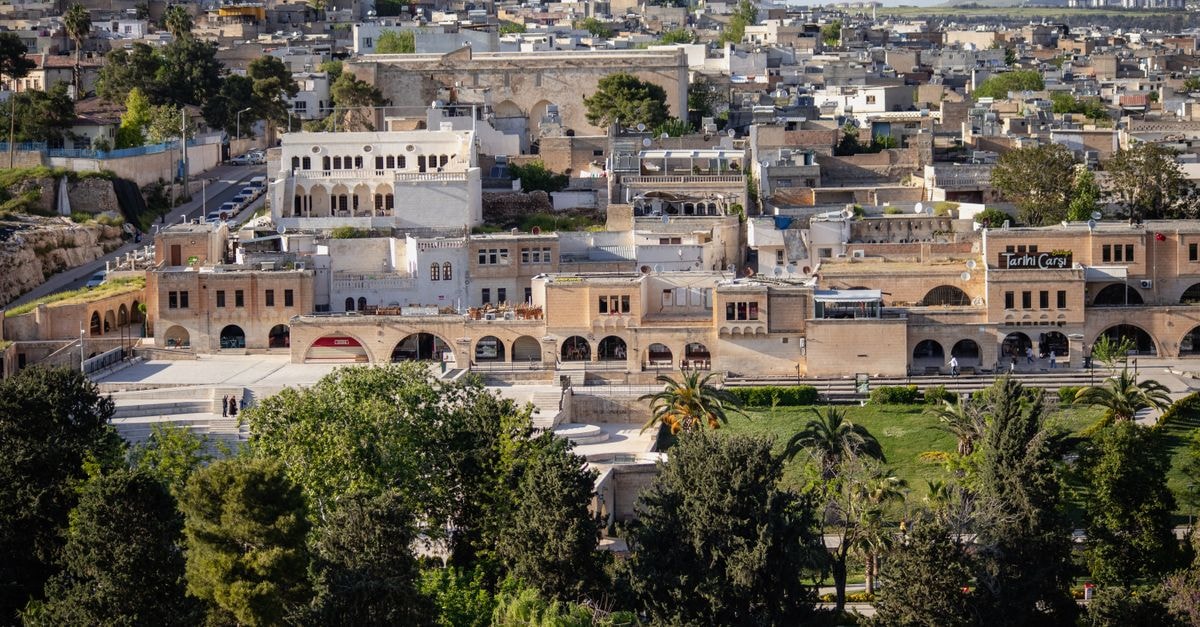
Tucked into the rolling highland landscape of northwestern Iran, Zanjan reads as a city that breathes. The skyline feels generous rather than crowded, the pace feels unhurried compared to Tehran, and the surrounding mountains give the air a clean, cool snap that travelers often remember long after the trip is over. For independent visitors who like to wander slowly, photograph weathered doorways, and sit in a park watching the day shift, Zanjan has the kind of texture that rewards staying put for a few days.
This guide keeps things simple. Rather than chasing the biggest checklist in Iran, it focuses on what you actually need to plan a relaxed Zanjan visit: how the seasons tend to feel, how to arrive overland, and how to think about attractions and museum-going once you are in the city. It is written for first-timers and returners alike, especially anyone who wants an honest sketch before booking anything.
Weather and seasonal context
Zanjan sits high enough that the air carries a crisp edge, especially in the early morning and again after sunset. Travelers often describe the climate as four-season and continental: summers warm but rarely punishing, winters cold with snow on the higher ground, and the shoulder months feeling fresh and easy for walking tours. Layering is a recurring theme here. A light jacket or sweater earns its place most evenings of the year, while midday sun can still feel bright.
Because the city is built around outdoor squares, gardens, and long pedestrian streets, the way you plan your day can shift with the temperature. Visitors who prefer a slower pace may want to ease into the morning with a tea stop, do the heavier sightseeing closer to midday, and save long café sits or market wandering for the cooler late afternoon. If you dislike climbing stairs in the heat, the simple trick is to keep the highest or most exposed stops for the gentler hours, and let the rest of the city unfold at a comfortable tempo.
A small, evergreen note: weather forecasts for Zanjan can be checked on standard services such as QWeather, which publishes a dedicated outlook page for the city. Treat any forecast as a planning hint rather than a guarantee, and pack for a range of conditions rather than a single temperature.
Getting around
The cleanest way to reach Zanjan from Tehran is overland. Long-distance buses run between the two cities and are widely described as a scenic and budget-friendly option for travelers who do not mind watching the landscape change for a few hours. The road climbs through the mountains north of Tehran, with long views that make the journey feel like part of the trip rather than just transit. Seats are typically standard coach style, and the ride is straightforward if you book ahead during holidays.
For travelers who prefer not to self-drive, the bus is the most practical answer. Independent visitors on a tighter budget often find it the most cost-effective choice, while travelers who value a slightly easier arrival may prefer to arrange a private car or shared transfer through a local operator. Whichever you pick, plan to arrive with daylight if possible. Zanjan’s streets feel friendlier when you are walking into the city rather than searching for a hotel at night.
Once you are in Zanjan itself, the city center is compact enough that taxis and short rides handle the awkward distances, while many of the main sights sit within walking distance of each other. Walking remains the most rewarding way to read the city: the bazaars, the squares, and the older neighborhoods reward a slower pace.
Attractions and planning
Zanjan’s sightseeing is built around the kind of layered history that northwestern Iran is known for. Visitor guides for the city group the attractions into recognisable clusters: antiquities and old quarters, museums that hold the regional craft tradition, and religious and architectural landmarks that have been part of the skyline for centuries. Rather than racing through every entry, a comfortable plan is to choose two or three anchor sites and let the rest of the city fill in around them.
If you enjoy museum visits, Zanjan rewards a few unhurried hours. The city is well known in wider Iranian craft circles for its silverwork and knife-making, and the local museums are where those traditions are explained in the most depth. If you prefer architecture and old streets, the historic core around the bazaar is a natural base, with small mosques, old houses, and quiet courtyards close at hand.
Travelers who prefer a relaxed rhythm may suit a slower sightseeing day built around one major site and a long walk through the bazaar, with time left for a tea house and an evening stroll. Visitors who like a fuller day can add a museum morning, a walk through the older neighborhoods after lunch, and a sunset stop at one of the open squares. The single most useful habit is to read a current Zanjan tourist guide before arrival, so that opening details for the museums and key monuments are confirmed close to your travel dates. Treat published descriptions as a starting point, then verify the practical details with the site itself or a local contact before you build the day around any single attraction.
Finding the rhythm that fits
A few practical tradeoffs tend to shape how a Zanjan trip actually feels. The first is pace versus coverage. The city is rich enough to fill a week, but most first-time visitors find that two to three well-paced days hit the highlights without exhausting the appetite for slower wandering. The second is arrival style. An overland bus from Tehran is the simplest and most affordable way in, and it doubles as a scenic ride; a private transfer trades flexibility for a slightly easier door-to-door experience, which can matter if you are arriving with luggage or after a long flight.
The third tradeoff is how you balance indoor and outdoor time. Zanjan’s altitude means the air can feel cool even when the sun is strong, so layering is more useful than dressing for a single temperature. Visitors who dislike heavy walking days can keep the outdoor exploring to mornings and late afternoons, and use the midday hours for museums, tea houses, and longer meals. None of these choices are right for everyone, but naming them openly tends to make the trip feel calmer from the first morning.
A few final notes before you go
Zanjan is a city that rewards travelers who arrive with a flexible plan and a willingness to slow down. Keep your core itinerary loose, check the local forecast the week you travel, and confirm museum and monument details with an up-to-date Zanjan tourist guide or official source before you build your day around any single site. Currency, transport schedules, and opening arrangements can all change, so a quick verification step before departure is always worth the small effort.
Share this article
TOOLS FOR THIS PLAN
Make the Zanjan plan measurable
Choose a tool only when it answers the next question in your trip. Your values stay in the browser, and each tool offers a route back to this planning context.