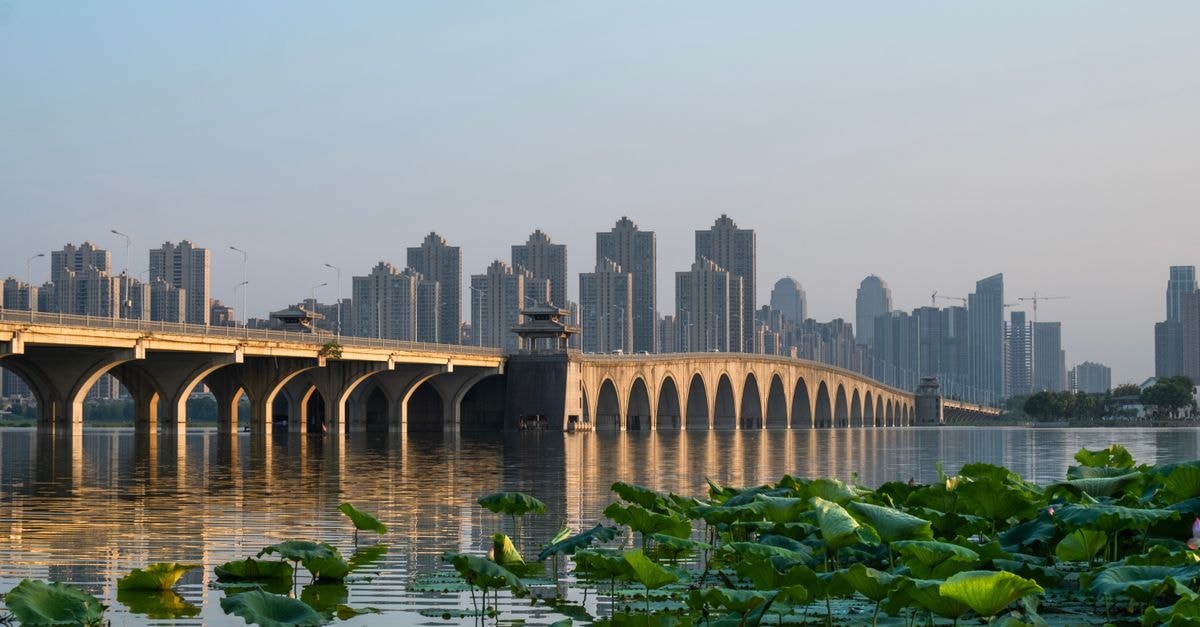
A first look at Zhaotong

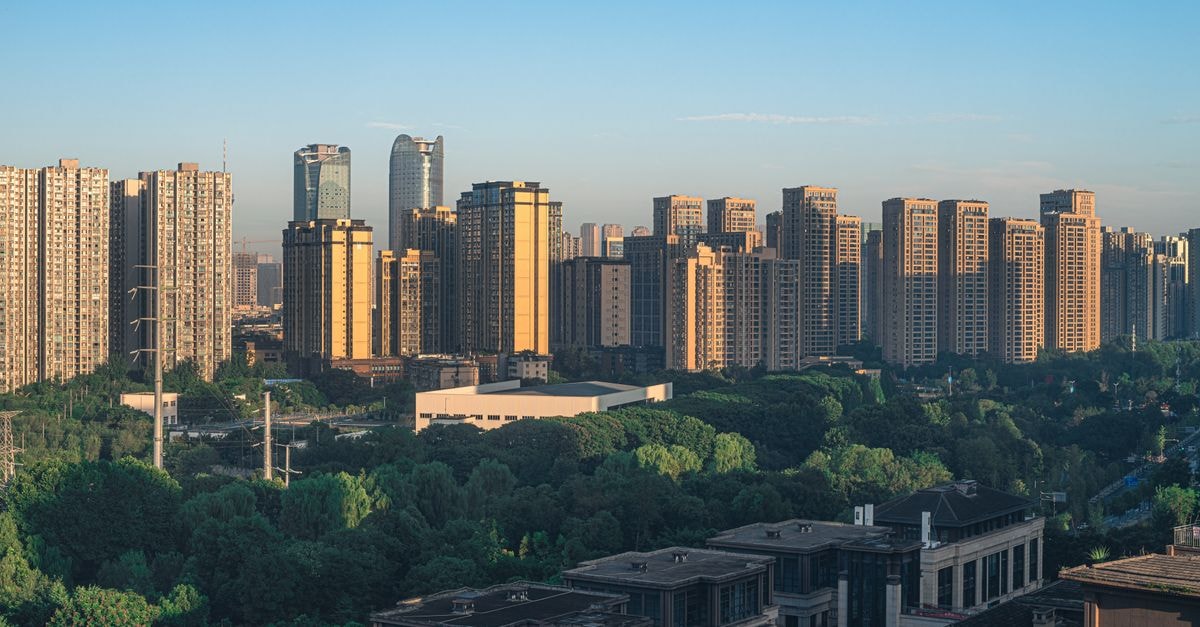
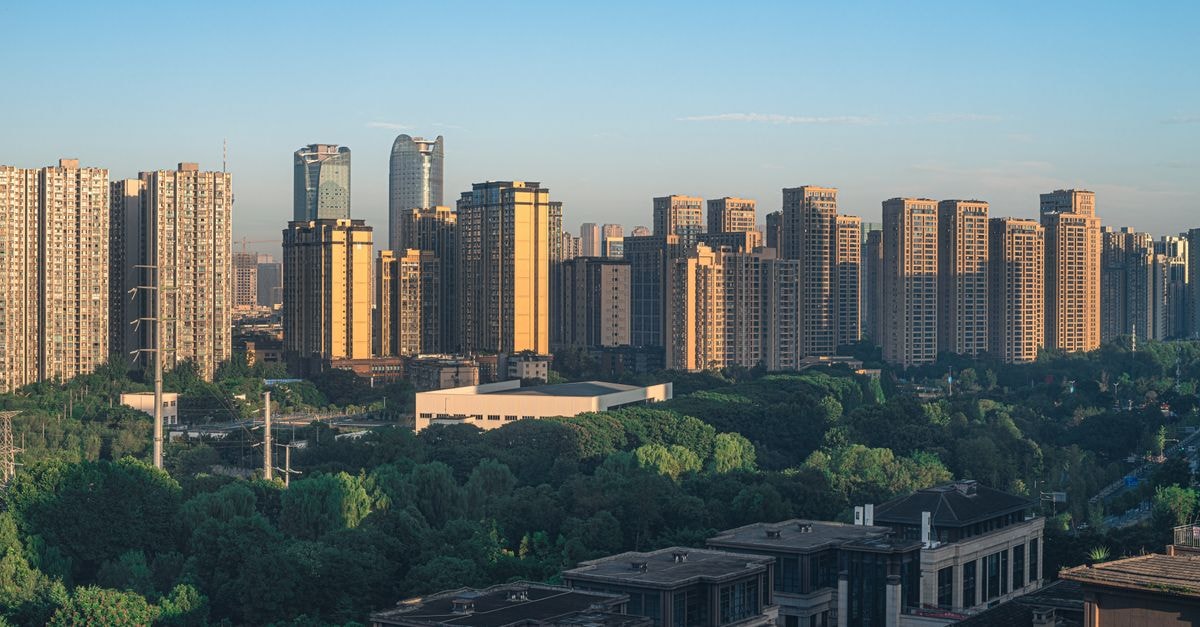
Set high on the Yunnan–Sichuan–Guizhou borderland, Zhaotong reads as a working plateau city rather than a polished postcard. The skyline is a scatter of mid-rise blocks, the streets are wide, and the pace feels closer to a regional capital than a tourist town. For travelers who like places where daily life is still the main event, that unshowy character is part of the appeal. The city's identity sits at a crossroads in every way, including what ends up on the dinner table, and even a short stop rewards a slower, curious approach.
What follows is a compact, evergreen guide built around what is actually documented for Zhaotong: how to move through the city and between its main hubs, and how the local food scene reflects its geography. It does not promise attractions, itineraries or seasonal weather windows that the source material does not support.
Weather and seasonal context
The approved source material does not include month-specific temperatures, rainfall figures or current conditions for Zhaotong, so this guide deliberately skips any dated weather forecast. What can be said in durable terms is that Zhaotong sits on a high-plateau landscape, which generally means the air feels thin, mornings and evenings can run cool even when afternoons are bright, and the sun feels stronger than it looks. Travelers used to lower-altitude Yunnan cities such as Kunming or Dali often notice the difference right away.
For practical planning, the safer approach is to treat the weather as a flexible variable rather than a fixed condition. Layered clothing earns its space in any bag, and a slow first afternoon to acclimatize to the elevation is often more useful than cramming in extra stops. Hydration matters more than it might at lower elevations, especially if you are arriving from coastal or lowland China. None of this replaces a live forecast; before you travel, it is worth checking the current Zhaotong forecast and packing for the elevation rather than the season on the calendar.
Getting around
Zhaotong is the kind of city where a relaxed, mixed approach to transport tends to work well. Within the urban area, taxis and ride-hailing services are the easiest option for most travelers, while city buses offer a lower-cost way to cover the main corridors if you have the time and patience to read a route map or two. Between cities, long-distance buses and trains are the budget backbone of the region.
The three anchors worth knowing are the Zhaotong Train Station, Zhaotong West Railway Station, and the long-distance bus station. They tend to sit near each other in the broader transport district, which makes transfers between rail and road relatively painless. If you are arriving by air, taxis are available at Zhaotong Airport, and the same applies at both railway stations, so catching a ride into the city center should be straightforward at any reasonable hour. Travelers who prefer door-to-door convenience may default to taxis or Didi for short hops and reserve buses or trains for longer intercity legs.
A small practical note: station-area taxis at regional Chinese hubs can vary in how readily they use meters, especially late at night or during holiday travel peaks. Having your destination written in Chinese, or showing it on a map, is a simple way to keep the conversation short and the fare predictable.
Food and local context
Food in Zhaotong tells the city's geographic story. Local sources describe the cuisine as a distinctive branch of Yunnan flavor that carries strong Sichuan influence because of the proximity to the Sichuan border, while keeping a separate high-plateau character of its own. In practice, that means you can expect dishes that lean toward the spicy, aromatic and oil-rich end of the spectrum, balanced by ingredients and techniques that feel rooted in the mountains rather than imported wholesale from the plains.
The most recognizable local dish is Zhaotong mutton rice noodles. The wider framing often given is that northeastern Yunnan sits as a kind of gateway between the central Yunnan heartland and the Central Plains further east, and the food reflects that transit role. Mutton, slow-cooked broths and rice noodles all show up across the region, and Zhaotong's version is treated as a local benchmark. For travelers, this is the easiest dish to anchor a food exploration around: order it at a busy local spot in the morning or early afternoon, when the broth is freshest, and use it as a reference point for everything else you try afterward.
Wider Chinese dining context is worth keeping in mind as you eat your way through the city. Across China, meals are often shared family-style, with several small dishes placed in the center of the table rather than individual plates, and tea or warm water is commonly served alongside or instead of cold drinks. Noodles and rice dishes are everyday staples rather than occasional treats, and breakfast can be just as hearty as dinner. None of this is unique to Zhaotong, but visitors who arrive expecting a Western breakfast-and-light-lunch rhythm often find themselves happily resynced by the second day.
A quick word on etiquette: in much of China, it is common to flag a server by eye contact or a small raised hand rather than calling out, and to leave a small amount of food on the plate at the end of a meal as a polite signal that the host has fed you generously. These are nationwide habits visitors may encounter while eating in Zhaotong, not city-specific rules, and they are best read as a general frame rather than a checklist.
Choosing what fits your trip
For independent travelers who are happy to figure out transport on the fly, Zhaotong rewards a slow, low-key approach. The city's food scene is the clearest draw, and a one- or two-night stop is usually enough to try the mutton rice noodles, sample a few Sichuan-leaning Yunnan dishes, and sense the high-plateau character that the cuisine keeps talking about. Travelers who would rather skip the logistics puzzle can lean on taxis and ride-hailing between the airport, the railway stations and the long-distance bus station, and save bus or train travel for longer intercity legs where the cost saving is real. Anyone sensitive to altitude should treat the first afternoon as a soft landing rather than a sightseeing push.
A simple verification check before you go: confirm which of the three transport hubs (Zhaotong Train Station, Zhaotong West Railway Station, the long-distance bus station) your arrival or departure actually uses, since the city's rail options are not interchangeable.
Factual travel conditions can change, and details such as taxi availability, station layouts, and local menus shift over time. Before departure, it is worth checking current information through official transport channels and up-to-date local sources.
Prices, opening hours, schedules, reservation rules, and local conditions can change; verify them through official channels before departure.
Share this article
TOOLS FOR THIS PLAN
Make the Zhaotong plan measurable
Choose a tool only when it answers the next question in your trip. Your values stay in the browser, and each tool offers a route back to this planning context.