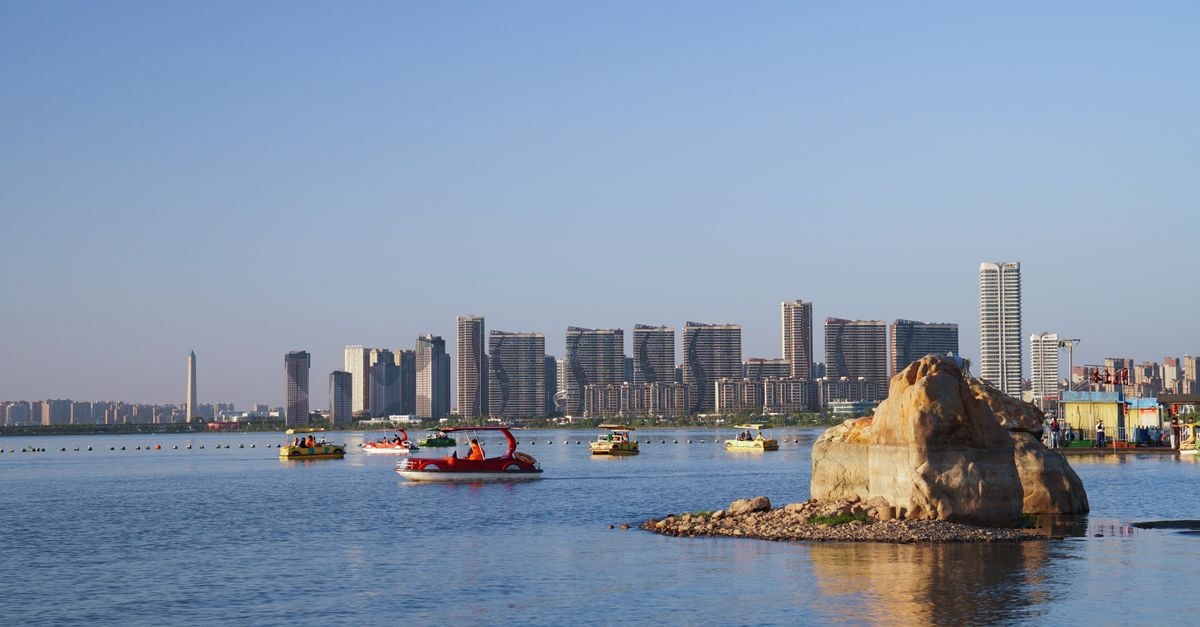
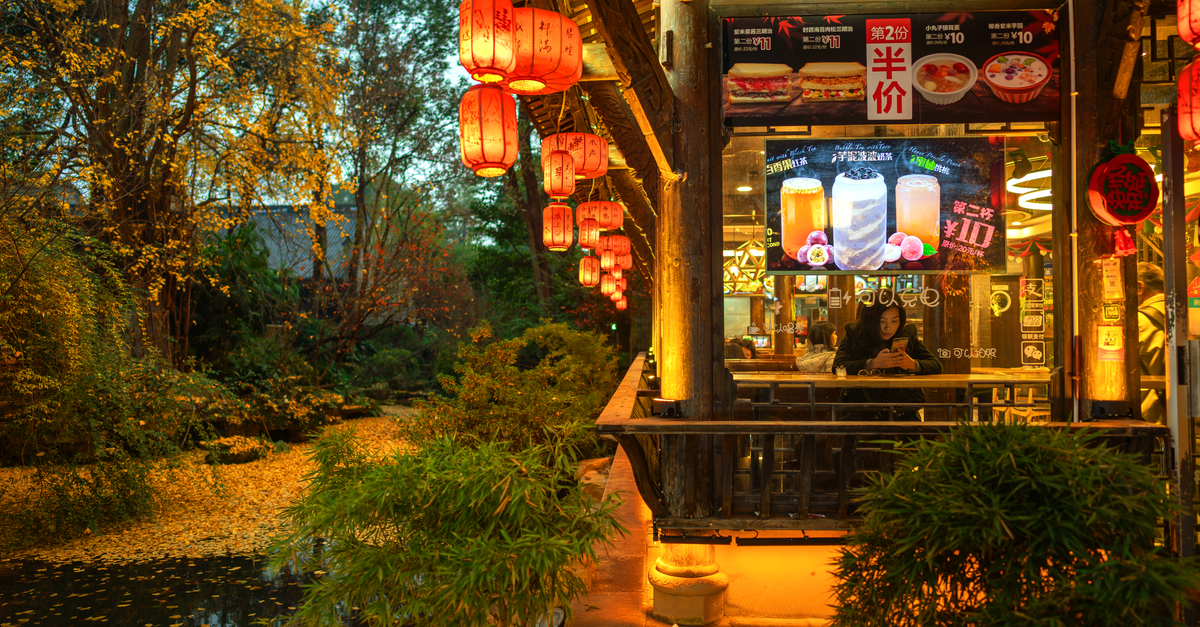
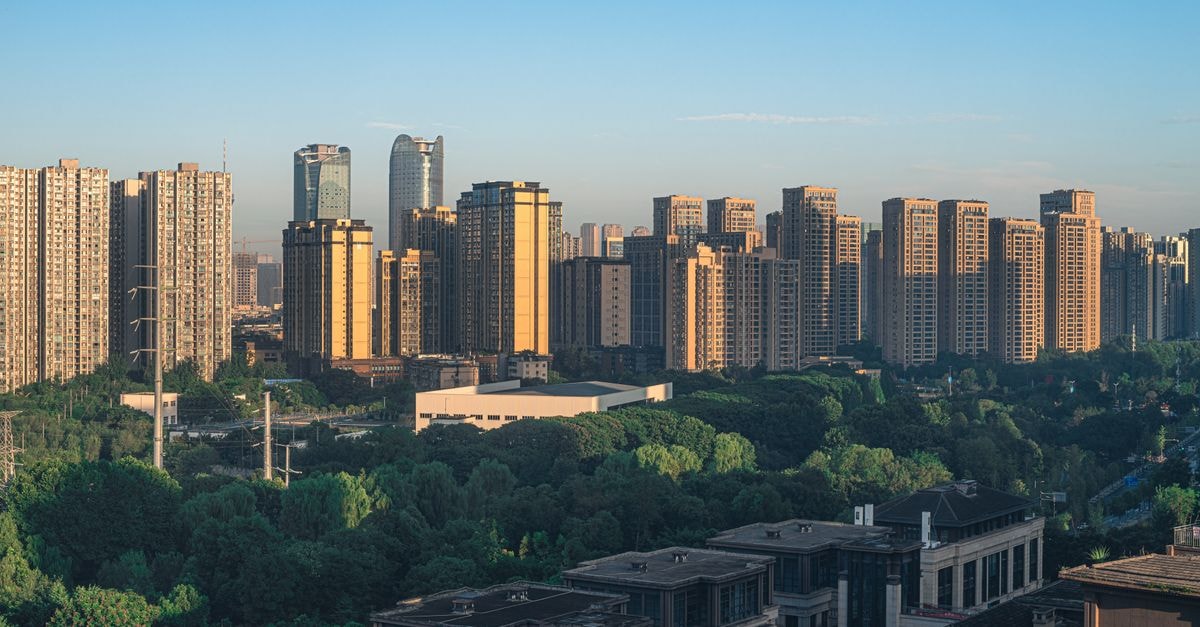
A Quiet Stop Between Two Giants
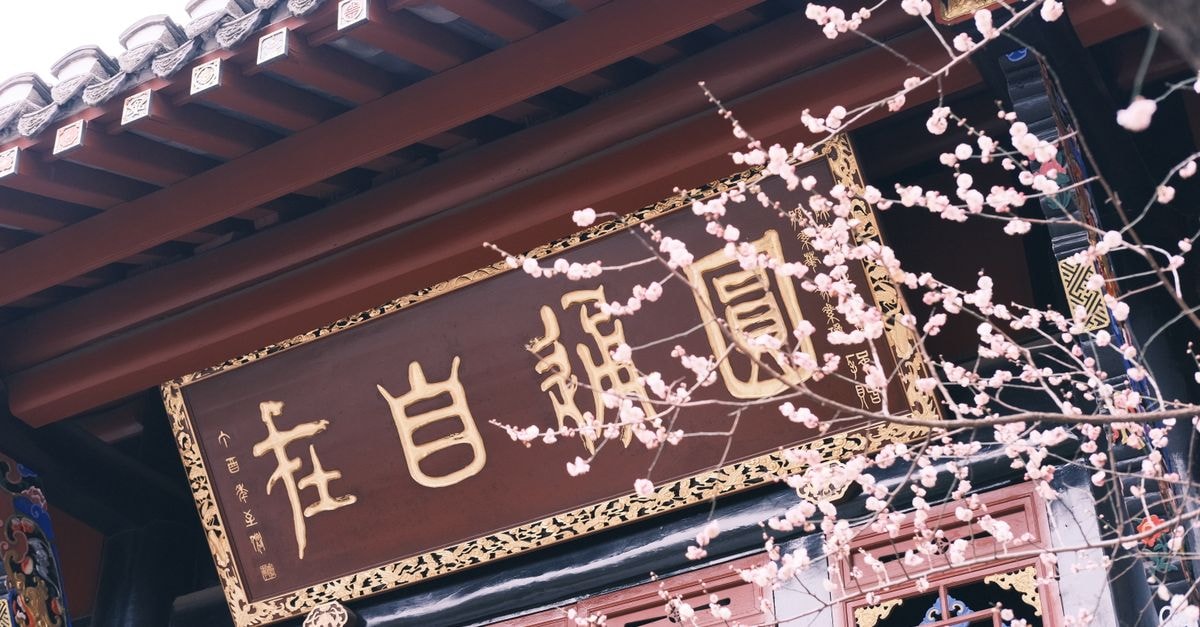
There is a particular pleasure in stepping off the well-worn Sichuan circuit between Chengdu and Chongqing and finding a city that has somehow stayed under the radar. Ziyang, a prefecture-level city on the Tuo River, sits in exactly that kind of in-between space, and it has the kind of surprises that reward travelers who like their destinations a little less polished.
The reason most often cited for visiting, even by travelers who have barely heard of the city, is Anyue, the county Ziyang administers. Anyue holds a body of Buddhist rock carving that rivals better-known sites elsewhere in China, and it sees only a fraction of the visitors. That alone makes Ziyang feel like a discovery rather than a checkbox.
If you prefer places with a slower pace, deep cultural layers, and a story that hasn't been smoothed by mass tourism, Ziyang may suit your travel style.
Weather and Seasonal Context
Ziyang lies in Southwest China and is recognized as a key tourist city within Sichuan. The climate is generally humid and mild, with summers that can feel warm and sticky and winters that lean gray and damp. Rain tends to arrive in bursts rather than steady drizzle, so a compact umbrella or a light rain jacket is usually a sensible thing to carry when exploring open-air sites like Anyue's rock carvings.
Because the city sits between Chengdu and Chongqing, weather patterns often echo what travelers may already be experiencing in those better-known hubs. Layering is a more useful approach than packing for a single temperature, and comfortable walking shoes matter more than any specific seasonal wardrobe.
Travelers sensitive to humidity or who prefer outdoor stone-carving visits at a calmer pace may want to plan their Anyue day for the cooler, overcast hours rather than the brightest part of the day.
Getting Around
Ziyang is widely described as an emerging short-break destination in central Sichuan, and that label shapes how the city feels on the ground. Its appeal does not come from one concentrated sightseeing district; it is spread across multiple sites, including the Anyue stone carvings further out in the county and newer attractions closer to the urban core.
A recent addition to the city is the Oriental Legend theme park from Fantawild, which opened in the city with significant fanfare as a key tourism venture in Sichuan Province. The park has framed part of Ziyang's broader push to integrate culture and tourism, and it gives travelers a different kind of day out beyond the region's traditional cultural sites. Combining a visit to Anyue's rock carvings with time at this newer attraction makes sense for travelers who want contrast in a short stay.
Because sites are spread out rather than clustered, asking locally about transport between Anyue County and the main Fantawild area is wise before setting out. Independent travelers who enjoy building their own route between cultural landmarks and modern entertainment venues may find Ziyang's layout well suited to a flexible short break.
Food and Local Context
Food is one of the most enjoyable ways to settle into life in any Sichuan city, and Ziyang sits in a region where meals are taken seriously. Ziyang is widely known for its stone carving heritage, its lemon-growing identity, and the broader culinary culture of Sichuan, where shared dishes, hot pot traditions, and bold flavors shape most eating experiences.
Across wider China, dining customs and etiquette carry real weight. Chinese people love to eat and China boasts one of the world's greatest and most varied cuisines, with a long history of ritual and etiquette that has shaped table behavior for generations. As a Sichuan city, Ziyang sits comfortably inside this tradition, and visitors may encounter practices such as shared plates placed in the center, tea poured for companions, and lively table conversation as the meal unfolds.
Travelers who enjoy exploring regional food traditions may want to spend at least one relaxed meal letting the local rhythm of dining set the pace, rather than rushing through a quick bite between sights.
Choosing What Fits Your Trip
If you are weighing how to spend a short break in Ziyang, the choice is less about squeezing in every sight and more about pairing contrasts. Travelers drawn to sculpture, quiet temple atmospheres, and slow cultural exploration may prefer to anchor their trip around Anyue's rock carvings and treat the Oriental Legend theme park as a lighter half-day. Travelers traveling with companions who prefer modern entertainment, themed rides, or family-style outings may flip that balance and use the Fantawild attraction as the centerpiece, with the stone carvings as a meaningful side trip.
Sichuan's rail and road links between Chengdu and Chongqing make Ziyang straightforward to reach on either end of a larger Sichuan itinerary. A short stop here tends to feel most rewarding when it is framed as a pause between two busier cities rather than as a standalone destination.
Practical Verification Before You Go
Factual travel conditions in Ziyang can change, and details such as transport options between Anyue County and the Fantawild park, opening arrangements at the stone carving sites, ticket pricing, and current seasonal weather patterns are worth confirming through official tourism channels or local inquiry before departure. Treat any guidebook advice as a starting point, and verify the specifics that matter to your trip close to your travel date.
If anything above has shaped your plans, a quick check with the local tourist information service before you set out will keep your Ziyang stop as smooth as the Tuo River on a still morning.
Prices, opening hours, schedules, reservation rules, and local conditions can change; verify them through official channels before departure.
Share this article
TOOLS FOR THIS PLAN
Make the Ziyang plan measurable
Choose a tool only when it answers the next question in your trip. Your values stay in the browser, and each tool offers a route back to this planning context.