Why Zouérat draws the curious traveller

Set deep in the Sahara within Mauritania's remote Tiris Zemmour region, Zouérat exists because of iron. The city rises around one of the world's largest open-pit iron ore operations, and that industrial purpose gives it an unusual, almost cinematic arrival. Most travellers reach Zouérat via the legendary iron-ore train from Nouadhibou, a journey often described as one of the most evocative rail rides on the continent, before the desert opens up and the mining skyline appears on the horizon. Even for visitors who are not mineral enthusiasts, the appeal is the in-between: long horizons, a working Saharan town rather than a polished resort, and a sense that you have crossed into a part of the country that few guidebooks describe in detail.
This guide stays tightly focused on what the approved evidence actually supports: weather patterns and seasonal context, and the practical transport modes that get you into and around the city. It deliberately avoids invented restaurants, prices, opening hours, or excursions. If a fact below cannot be verified in the source ledger, it has been left out rather than padded with guesswork.
Weather and seasonal context
Zouérat sits in one of the harshest climates on Earth. Daytime heat in the surrounding desert can be intense for long stretches of the year, while nights cool sharply once the sun drops. Because the local weather evidence available here does not specifically confirm a target month's temperatures, this guide is written as durable context rather than a forecast, so visitors can plan a flexible window rather than a fixed date.
A few general patterns are worth understanding before you commit to a trip. Heat, dry air, and strong daytime sun shape how the day feels. Visitors tend to pace outdoor time around the cooler hours, especially at first, and to keep hydration constant. The desert environment also means that even when daytime temperatures are manageable, the wind and sun can make light activity feel more tiring than the thermometer suggests. Layering matters as much as sun protection: mornings can start cool, midday climbs, and evenings fall quickly once the light fades.
For practical movement, the climate is part of the reason certain transport choices dominate. Long drives through open desert are exposed to sun and wind for hours at a time, which is why the standard vehicle here is a four-wheel drive rather than a sedan. If you are crossing into the area by road from Atar or Nouakchott, the heat is part of the planning: an early start, a reliable vehicle, and a driver familiar with the tracks are not luxuries but basics. Anyone sensitive to prolonged heat, glare, or arid air should consider scheduling outdoor sightseeing for the cooler parts of the day and allowing for slower pacing overall.
One small but useful note: if you are tempted to time your visit around the most comfortable temperatures, treat any published climate summary as a starting point rather than a guarantee. Long-term climate context can suggest typical feel, but current conditions on the ground should be checked closer to departure through official Mauritanian weather services.
Getting around
Transport is the heart of any Zouérat visit, because the city is genuinely remote. Three modes dominate the evidence, and each suits a different kind of traveller.
By rail
The single most atmospheric way to arrive is by train, riding one of the iron-ore services that connect the coast to the mining heartland. Tickets for these trains can be reserved through Trainline or the national railway website, which is useful because same-day boarding is not always straightforward and seats in the passenger carriages can be limited. Travellers who enjoy long, slow journeys and want the rail experience as part of the trip itself should plan ahead and book as early as the booking window allows. If you prefer a more independent, schedule-light approach, the train is less ideal, because once you are committed to a service you are along for the full desert crossing.
By 4x4 on desert tracks
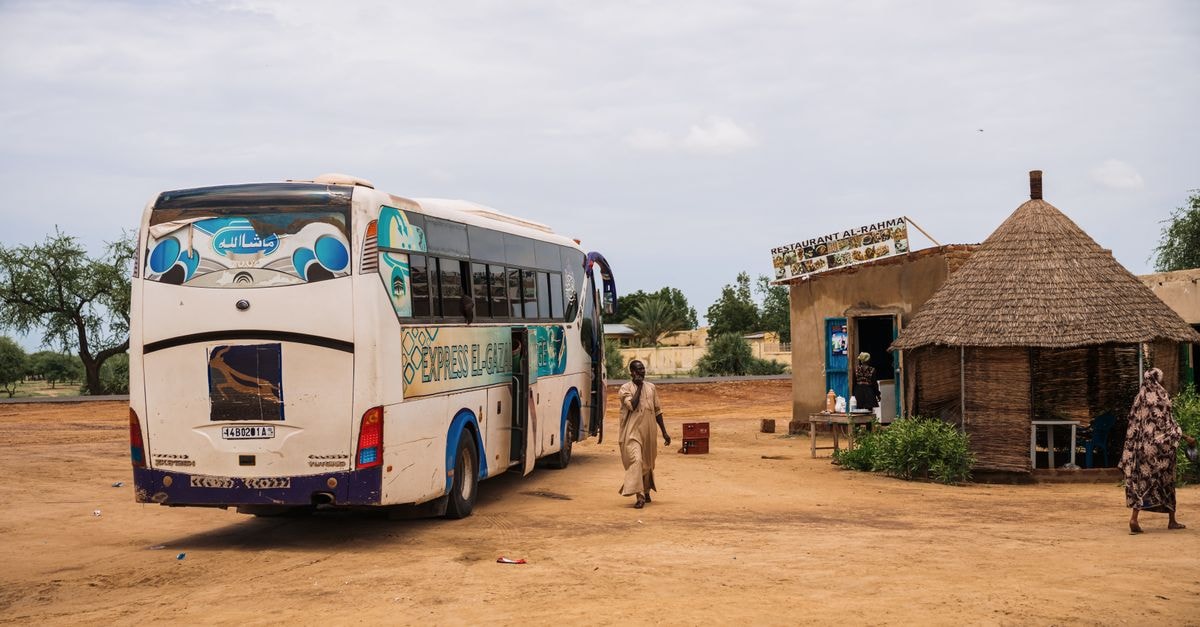
The roads approaching Zouérat from Atar or Nouakchott are desert tracks rather than smooth highways, and a 4x4 with an experienced driver is the standard way to cover them. This is the practical choice for travellers who want flexibility to stop for scenery, photography, or simply a stretch in cooler air, and for anyone joining a guided desert itinerary that uses the city as a waypoint. The trade-off is exposure: long hours in the vehicle, dusty conditions, and the need to trust your driver and your fuel planning. If you are prone to motion discomfort on rough terrain, or if you would rather not spend full days in a vehicle, the train is worth weighing seriously as an alternative approach.
For visitors staying in or near the city itself, 4x4 vehicles are also the standard local mode. The mining roads, the surrounding plains, and the routes to viewpoints and infrastructure sites are not designed for ordinary cars, so any independent exploration should be planned around a proper four-wheel-drive vehicle rather than improvised on arrival.
By air
Mauritania Airlines operates regional flights connecting Zouérat to Nouakchott, which is the fastest way in or out if your time is limited or if you simply prefer not to spend a full day or more on desert tracks or a rail journey. Air travel suits travellers who want the city itself as the main focus and are happy to skip the slow approach. The limitation is frequency and scheduling: regional services in remote Mauritanian cities can be thin on the ground, so checking the current timetable and booking well in advance is sensible. If you are a traveller who values spontaneity, the train with a reserved ticket may give you more certainty.
Choosing what fits the trip
If your priority is the journey as part of the experience, the train from the coast is the most rewarding way to arrive, and reservations through Trainline or the national railway website make the logistics manageable. If you would rather reach the city quickly and use it as a base, Mauritania Airlines flights to Nouakchott are the practical alternative. And if you want flexibility on the ground and the chance to take in the desert at your own pace, a 4x4 with an experienced driver is the standard, whether you are coming from Atar or Nouakchott or moving around the surrounding area once you are already there.
A note before you go
Factual conditions on the ground in remote Saharan destinations can shift quickly. Train schedules, regional flight timetables, road conditions on desert tracks, and weather patterns are all worth confirming through official Mauritanian channels and your transport provider in the days before departure. Treat this guide as a starting framework for planning rather than a live status update, and build in slack for the unexpected.
If there is one detail that will shape your trip more than any other, it is how you choose to arrive. Pick the mode that matches the kind of traveller you are, book what can be booked in advance, and let the rest of the city reveal itself once you are there.
Prices, opening hours, schedules, reservation rules, and local conditions can change; verify them through official channels before departure.
Share this article
TOOLS FOR THIS PLAN
Make the Zouérat plan measurable
Choose a tool only when it answers the next question in your trip. Your values stay in the browser, and each tool offers a route back to this planning context.