Catch up on the essentials
- Amazon kept its 2026 capital-expenditure forecast at $220 billion on October 29 after reporting third-quarter revenue and earnings below Wall Street expectations, with AWS growth and heavy infrastructure spending central to the results.
- Amazon reiterated approximately $220 billion in planned 2026 capital spending, up from its previous $200 billion estimate, partly because of higher memory costs.
- The company’s current sales outlook covers the holiday-shopping period, while Jassy has indicated that capital spending will increase meaningfully in 2027.
Selected from this article · 2026-10-30
Read on for the full pictureAmazon kept its 2026 capital-expenditure forecast at $220 billion on October 29 after reporting third-quarter revenue and earnings below Wall Street expectations, with AWS growth and heavy infrastructure spending central to the results.
Amazon retains $220 billion spending plan
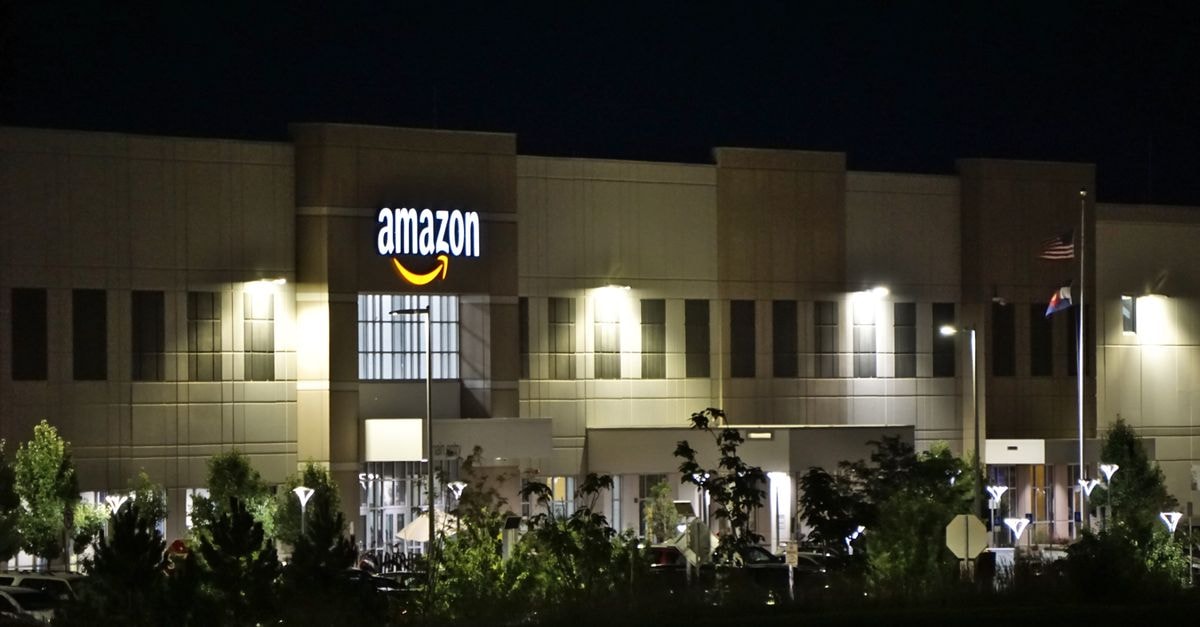
Amazon reiterated approximately $220 billion in planned 2026 capital spending, up from its previous $200 billion estimate, partly because of higher memory costs. CEO Andy Jassy said the company expects to spend “meaningfully more” in 2027. The forecast was already disclosed in July, so Amazon’s quarterly results represented a reaffirmation rather than a new increase.
The spending is directed primarily toward AWS and AI infrastructure. Amazon reported $75.9 billion in cash capital expenditures during the third quarter, while CNBC reported total capital expenditures of $77.3 billion for the quarter, up from $35.1 billion a year earlier.
AWS growth supports the investment case
Amazon Web Services revenue rose 39.3% year over year to $46 billion for the quarter ended September 30, up from 37% growth in the preceding quarter. Amazon described it as the segment’s fastest growth in nearly five years, while reported AWS backlog stood at $496 billion.
The cloud performance provides an operating counterweight to the rising capital burden, but the reviewed reporting does not establish that customer commitments or backlog would fully offset Amazon’s near-term cash costs. It also does not amount to completed AI capacity revenue or proof that future demand will be realized.
Cash flow deepens after the investment surge
Amazon reported negative free cash flow of $42.4 billion for the trailing 12 months, compared with negative free cash flow of $7.6 billion in the prior quarter. The company attributed the shortfall primarily to increased purchases of property and equipment tied to AI investments.
That cash-flow decline is the principal financial consequence of the spending program. It is distinct from revenue: the $46 billion AWS figure covers one quarter, while the $220 billion capital forecast applies to the full 2026 year.
Third-quarter results miss expectations
Amazon reported revenue of $201.94 billion, compared with an LSEG estimate of $202.31 billion. Earnings per share were $1.89, versus an estimate of $1.96, and net income was $20.69 billion. Advertising revenue rose 11% year over year to $19.64 billion but missed a StreetAccount estimate of $20.82 billion. Online sales increased 2% to $68.47 billion, also below expectations.
Amazon guided to fourth-quarter revenue of $240 billion to $247 billion. The midpoint was below Wall Street’s $244.5 billion expectation. AP reported that shares were down 7% in after-market trading, while other coverage put the decline at roughly 6%; the difference reflects the timing of the trading observations.
Fourth-quarter sales test follows
The next verifiable measurement point is Amazon’s fourth-quarter performance and whether reported cash flow begins to improve alongside the planned infrastructure buildout. The company’s current sales outlook covers the holiday-shopping period, while Jassy has indicated that capital spending will increase meaningfully in 2027.
Share this article