Catch up on the essentials
- PepsiCo reportedly plans to cut about 1,000 positions across its North American food and beverage operations as it seeks to streamline the business and strengthen coordination between teams.
- The restructuring follows an October reduction in PepsiCo’s annual earnings outlook, which the company linked to weaker North American sales.
- PepsiCo’s supply position with restaurant chains has shifted in both directions.
Selected from this article · 2026-11-11
Read on for the full pictureRestructuring targets PepsiCo’s North American operations
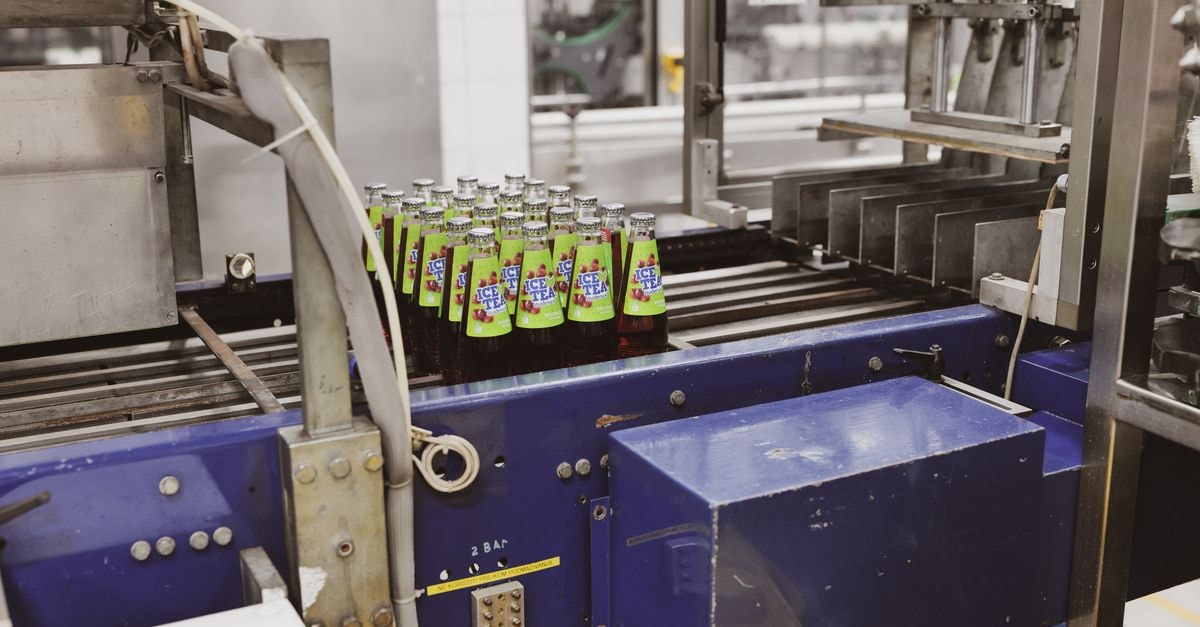
PepsiCo reportedly plans to cut about 1,000 positions across its North American food and beverage operations as it seeks to streamline the business and strengthen coordination between teams. The changes were planned for the week of November 9, 2026, according to reporting published on November 10.
The company has not identified the affected countries or locations. PepsiCo North America chief executive Ram Krishnan said in an employee letter that simplifying the structure would help build a “stronger, more future-fit business” and strengthen the company's ability to respond to changing market conditions.
Weak domestic volumes explain the cost pressure
The restructuring follows an October reduction in PepsiCo’s annual earnings outlook, which the company linked to weaker North American sales. Third-quarter operating performance highlighted the divide: North American beverage sales volumes declined 2% from a year earlier, while food volumes remained flat.
The company’s latest results also showed that EMEA remained comparatively resilient. Revenue from Europe, the Middle East and Africa reached $5.41 billion in the third quarter of 2026, up 7.8% year over year, with operating profit increasing 25%. Those results indicate that the reported North American weakness did not extend uniformly across the group.
Food-service relationships remain competitively contested
PepsiCo’s supply position with restaurant chains has shifted in both directions. It secured a 10-year agreement to replace Coca-Cola as Subway’s exclusive US beverage supplier, beginning in 2025. Meanwhile, KFC chose Coca-Cola for more than 3,600 US restaurants after nearly four decades with PepsiCo, with the transition beginning in January 2027, while Costco food courts and Marriott hotels had also switched to Coca-Cola.
The Subway agreement demonstrates that PepsiCo remains capable of securing major food-service supply contracts, while the KFC loss shows that individual wins and losses can occur within the same competitive channel. The reviewed reporting does not disclose the value of these contracts or quantify their effect on revenue.
International performance offers limited contrast
PepsiCo reported stable or increased beverage market share in the United Kingdom, Egypt, India and Pakistan during the first half of 2026, alongside similar performance in its snack business across China, Saudi Arabia, Egypt and Australia. South African food sales volumes remained weak, showing that the international portfolio also contains uneven categories.
The next observable test is whether the restructuring stabilizes North American beverage volumes and food sales while preserving the revenue momentum reported in EMEA. No timetable for measuring that effect was specified in the reviewed reporting.
Industry and product implications
Industry / product | Disclosed fact | Interpretation & stage | Verification signal | Main risk |
|---|---|---|---|---|
PepsiCo beverages (upstream) | PepsiCo secured a 10-year agreement to replace Coca-Cola as Subway's exclusive US beverage supplier, beginning in 2025. [1] | Disclosed fact; signed. Long-term exclusive US beverage supply agreement for Subway locations. | Further disclosure of the agreement's commercial scope and commencement. | The reviewed reporting does not disclose the agreement's contract value or revenue contribution. |
Share this article