Catch up on the essentials
- Rio Tinto approved a $144 million investment in the Resolution Copper project near Superior, Arizona, advancing the next phase of development at what the company describes as one of the world’s largest undeveloped copper deposits.
- The program will finance feasibility studies and final design engineering for material-handling systems in the project’s development and production shafts.
- Rio Tinto estimates that Resolution Copper could eventually supply up to 25% of U.S. copper demand for several decades, depending on successful development and production.
Selected from this article · 2026-11-10
Read on for the full pictureFunding targets the next development phase
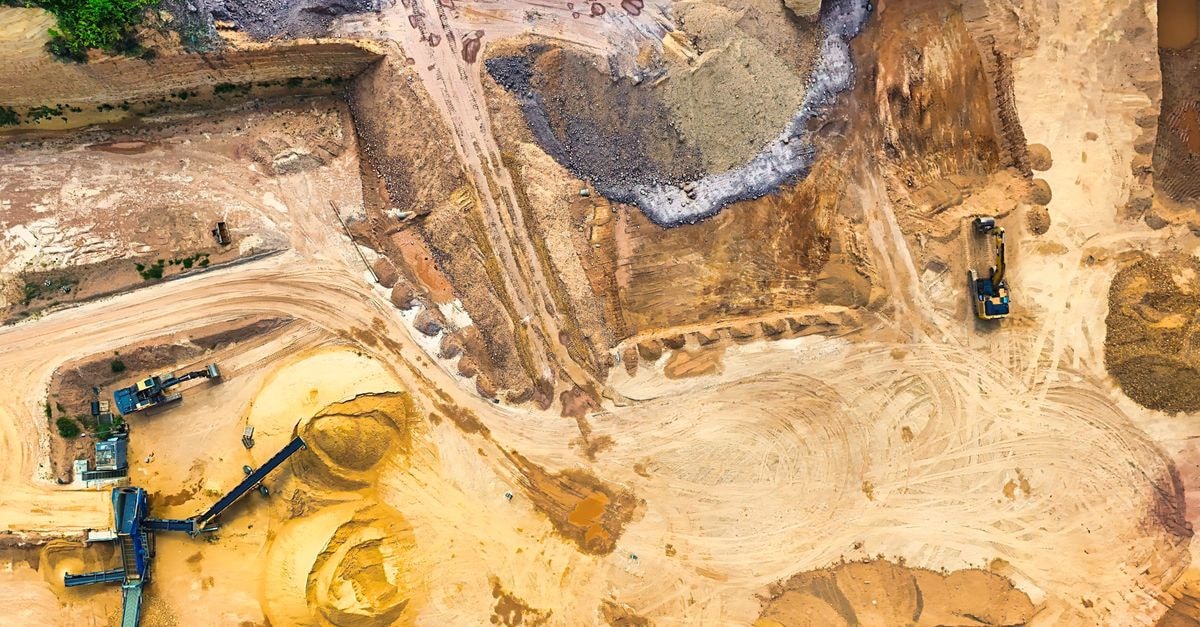
Rio Tinto approved a $144 million investment in the Resolution Copper project near Superior, Arizona, advancing the next phase of development at what the company describes as one of the world’s largest undeveloped copper deposits. The commitment is intended to fund underground engineering, feasibility studies, exploration and infrastructure work.
Rio Tinto will provide $79 million of the total, with Resolution Copper operated through a joint venture owned 55% by Rio Tinto and 45% by BHP. The investment follows completion of a land exchange in March 2026 and is additional to approximately $500 million in preliminary spending announced earlier in the year.
Engineering work comes before construction approval
The program will finance feasibility studies and final design engineering for material-handling systems in the project’s development and production shafts. It also covers new water-treatment facilities, exploration drilling, underground development and production equipment, and long-lead electrical equipment and other infrastructure.
This is preparation for a future investment decision, not approval for full-scale mine construction or commercial production. The reporting reviewed does not identify equipment suppliers, place orders or provide an open procurement process.
Domestic copper potential remains conditional
Rio Tinto estimates that Resolution Copper could eventually supply up to 25% of U.S. copper demand for several decades, depending on successful development and production. The company also estimates that a completed project could create thousands of direct and indirect jobs and contribute approximately $1 billion annually to Arizona’s economy.
Those figures describe the potential of a future operating mine rather than realized output or revenue. Resolution Copper’s deposit is approximately 5,000 to 7,000 feet underground, requiring substantial engineering and infrastructure before commercial production can occur.
Work expands alongside project preparation
Approximately 50 additional positions are expected across mining, geological, geotechnical, engineering and project-services disciplines. Rio Tinto Copper Chief Executive Katie Jackson said the funding would accelerate underground development, create skilled roles and position the project for its next investment decision while maintaining safe underground operations and construction.
The immediate verification point is the progression of engineering, feasibility work and equipment planning. A final decision on full-scale mine construction would represent a separate stage and is not confirmed by this investment.
Industry and product implications
Industry / product | Disclosed fact | Interpretation & stage | Verification signal | Main risk |
|---|---|---|---|---|
Underground mining equipment (enabling) | The investment program is intended to support the purchase of underground development and production equipment. [2] | Disclosed fact; planned. Mine-development preparation requires underground equipment procurement as part of advancing the project toward a future investment decision. | Company disclosures confirming equipment purchases, orders or project preparation progress. | No suppliers or purchase orders were disclosed in the reporting reviewed. |
Share this article