Catch up on the essentials
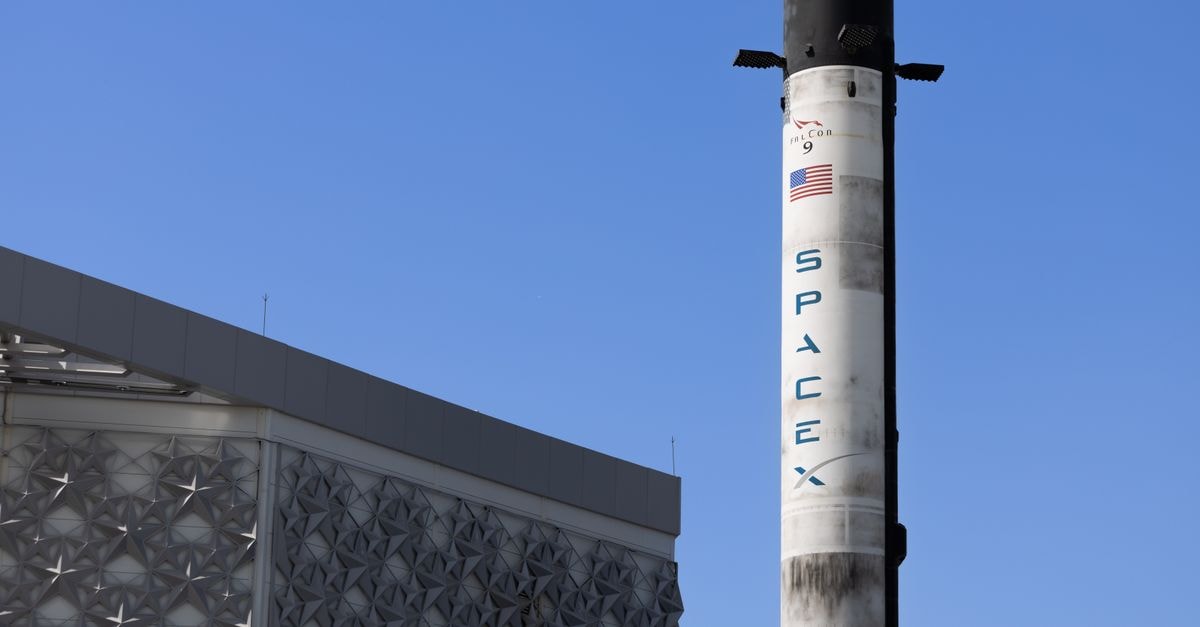
- Reporting published Nov. 2, citing nearly a dozen people in the telecom industry, said Elon Musk approached the heads of major U.S. carriers in recent months and asked for access to their networks so SpaceX could launch its own mobile-phone service.
- SpaceX held talks in recent months with EchoStar Corporation, the parent company of Boost Mobile, about launching its own wireless service, and Musk met EchoStar Chairman Charlie Ergen last month, according to two people familiar with the negotiations.
- Three people said a carrier’s lease agreement typically cannot be transferred to a new buyer without the carrier’s permission, so the proposed service may require consent from those carriers.
Selected from this article · 2026-11-03
Read on for the full pictureSpaceX’s reported approach to major carriers
Reporting published Nov. 2, citing nearly a dozen people in the telecom industry, said Elon Musk approached the heads of major U.S. carriers in recent months and asked for access to their networks so SpaceX could launch its own mobile-phone service. Verizon, T-Mobile and AT&T reportedly said no. The reviewed material did not include direct confirmation from SpaceX or the carriers about those approaches.
Boost Mobile talks remained exploratory
SpaceX held talks in recent months with EchoStar Corporation, the parent company of Boost Mobile, about launching its own wireless service, and Musk met EchoStar Chairman Charlie Ergen last month, according to two people familiar with the negotiations. The reported possible arrangements were an acquisition of Boost or access to its network.
No Boost agreement was reported. The material therefore did not establish a cash payer, cash recipient, asset or share transferor or transferee, purchase price or closing date, and the proposal remained a reported possibility rather than a completed transaction.
AT&T and T-Mobile consent could be required
Boost leases its network from AT&T and T-Mobile. Three people said a carrier’s lease agreement typically cannot be transferred to a new buyer without the carrier’s permission, so the proposed service may require consent from those carriers. That made a Boost-based route conditional on carrier decisions despite the reported refusals of SpaceX’s direct network-access requests.
Reported coverage and build-out obstacles
SpaceX CFO Bret Johnsen said on a recent earnings call that the company aims to become a major U.S. mobile carrier. Satellite analyst Tim Farrar said SpaceX’s satellite signal was not currently strong enough to support indoor and urban coverage, and that using existing Boost towers could provide service in the meantime. Verizon’s chief executive estimated that SpaceX would need four to six years to build its own network, while Musk estimated about half that time; both were estimates rather than completed build-out results.
Key evidence to watch would include a confirmed SpaceX-EchoStar agreement, disclosed transaction terms and any required AT&T or T-Mobile consent. As of the Nov. 2 reporting, no timetable was provided, leaving the proposed acquisition, network access and service launch unconfirmed.
Share this article