Catch up on the essentials
- The Economic Times reported that the companies are co-building Terafab, a chip project that could cost $119 billion, and that Tesla’s robotaxis and robots could use SpaceX satellites and data centers.
- The combination would bring together businesses with exceptionally large investment requirements.
- The reaction indicates investor interest, but it does not confirm that a transaction will proceed or establish consensus about its final structure.
Selected from this article · 2026-10-30
Read on for the full pictureMerger remains exploratory, not agreed

The central development is Elon Musk’s reported exploration of a SpaceX-Tesla merger, with both companies said to have formed independent committees to study the idea and Musk publicly calling a merger “a good idea.” This is not an announced transaction or signed agreement, and the reviewed reporting does not disclose a completed valuation exchange, definitive terms, or closing conditions.
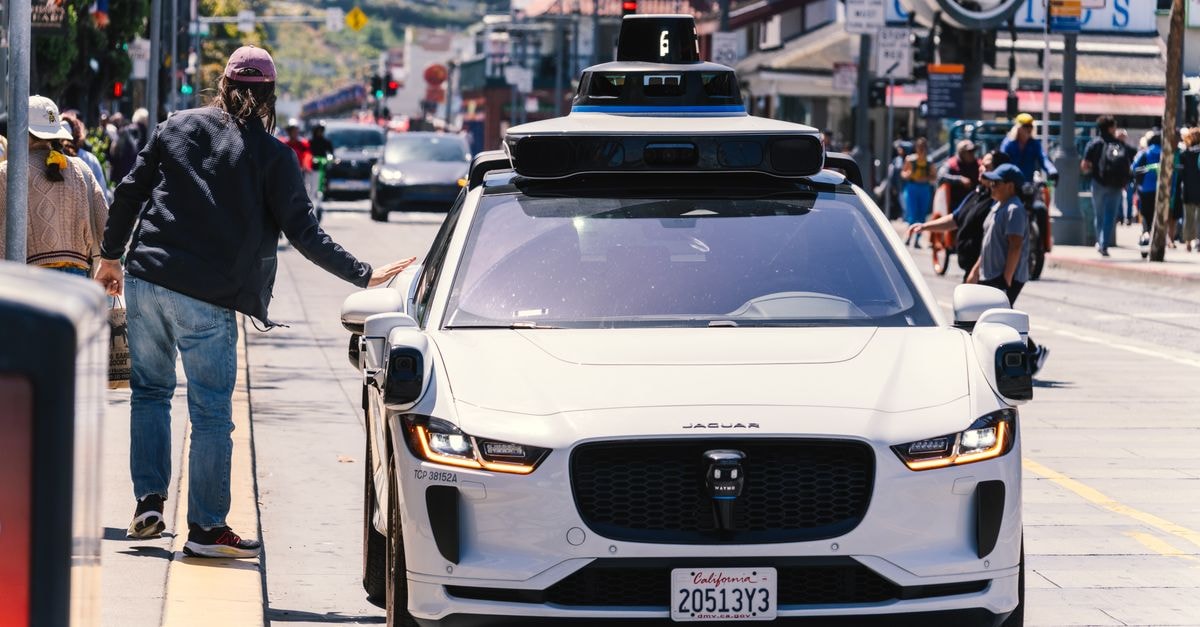
The proposal rests on AI-related industrial links. The Economic Times reported that the companies are co-building Terafab, a chip project that could cost $119 billion, and that Tesla’s robotaxis and robots could use SpaceX satellites and data centers. The same account described SpaceX as valued at $2.1 trillion and Tesla at $1.5 trillion. These figures frame the strategic ambition but do not establish merger consideration or completion.
Capital demands complicate the strategic case
The combination would bring together businesses with exceptionally large investment requirements. The Economic Times said SpaceX generated $13 billion of operating cash in nine months but spent $48 billion on capital expenditure, with another $35 billion to $40 billion planned for the fourth quarter. Tesla reportedly trimmed 2026 capital expenditure to $20 billion while maintaining that spending on robotaxis, robots, and AI computing would rise for years.
Cash-flow quality is another constraint. The report said Tesla’s $1.5 billion of free cash flow in the latest quarter came from delaying supplier payments and that, excluding that working-capital benefit, it burned about $1 billion. This does not establish that Tesla faces a liquidity crisis, but it shows why investors may scrutinize the funding assumptions behind a larger combined company.
Share issuance could dominate the economics
Under an illustrative structure described by the Economic Times, adding a 30% takeover premium to Tesla would require SpaceX to issue nearly $2 trillion of its own shares, almost doubling its share count. The report compared that with Tesla’s $3.2 billion of earnings over the preceding four quarters. This was an analytical scenario rather than disclosed merger terms.
The direction of value is important: in a share-funded transaction, SpaceX would be the issuer of shares and Tesla the prospective recipient of those securities. The reviewed material does not identify a cash payer, cash recipient, or completed transfer of Tesla shares, so it does not support describing any cash purchase price as paid or received.
Existing business ties provide context, not procurement proof
Tesla booked $430 million in sales to xAI last year, mainly Megapack batteries, and $143 million to SpaceX, mainly Cybertrucks, according to the Economic Times. It also invested $2 billion in xAI, with the stake subsequently becoming SpaceX shares. These relationships demonstrate commercial and ownership links between the businesses, but they do not establish a new purchase order, supplier award, or procurement opportunity.
A merger would also weaken an arm’s-length check on transactions among companies influenced by Musk, the commentary argued, while making oversight of cash, data, and operations across rockets, vehicles, robots, and AI more complicated. That is a governance concern rather than evidence that regulators have begun a review.
Market reaction did not remove the uncertainties
The Economic Times reported that SpaceX shares rose 8% and Tesla shares 3%, adding a combined $200 billion to their market value following attention to the merger discussions and AI collaboration. The reaction indicates investor interest, but it does not confirm that a transaction will proceed or establish consensus about its final structure.
The next observable milestone is any authoritative disclosure of formal merger terms, consideration, governance arrangements, and required approvals. Until that occurs, the proposal remains exploratory, and the strategic AI case must be weighed against share issuance, capital expenditure, and oversight risks.
Share this article