01Slay the Princess — The Pristine Cut: A Branching Horror Visual Novel About Identity, Choice, and Replay

STEAM DEAL · 45% OFF
Slay the Princess — The Pristine Cut
A standout choice-driven horror visual novel whose voice acting, pencil art, and layered branching paths reward players who chase multiple endings; the heavy replay loop and tonal friction make it less appealing for anyone wanting a linear, low-effort sit-through.
Game highlights
Voice Acting Carries the Tension
The official description confirms every line is fully voiced by Jonathan Sims and Nichole Goodnight, and that carries over into the Pristine Cut's 2,500-plus new lines. Players consistently describe the narrator and princess performances as the emotional engine that sells each confrontation, giving even short dialogue exchanges a strong dramatic weight.
Hand-Penciled Art Direction
Abby Howard's traditional pencil work covers every background and sprite, with the Pristine Cut adding more than 1,200 new hand-drawn frames. Reviewers repeatedly call out the artwork as a highlight, noting how the sketchy, textured style reinforces the unsettling tone without leaning on cheap horror tropes.
Branching Narrative With Real Mechanical Consequences
The game frames itself as a branching psychological horror visual novel where what you say and what you believe changes both identity and story direction. The Pristine Cut layers in three new chapters (The Den, The Apotheosis, The Fury), more than doubles the length of each, and adds a gallery for tracking progress across nested loops.
Replay-Built Structure Rather Than Linear Pacing
The hero, princess, and player loops described by reviewers turn completion into a triple-nested set of runs, with a new gallery and chapter-tracking tools to manage what you have seen. Several hundred positive reviews clock playthroughs stretching from a few hours to dozens, suggesting the format is intentionally built around repeated passes rather than a single read.
Content Warnings and Thematic Heaviness
Steam flags it as a horror title with references to suicide and disturbing imagery, and the developers steer players toward a full content-warnings page before buying. Players who engaged with the heavier routes (Nightmare, Razor, Thorn, Fury) describe them as emotionally intense, even therapeutic, but clearly not casual reading.
What players are saying
What keeps coming up positively
- Players repeatedly describe the writing and voice performances as emotionally moving, with many reporting that specific routes prompted genuine reflection or tears.
- The hand-penciled art style is consistently singled out as memorable and a clear visual differentiator from typical visual novels.
- Reviewers appreciate the built-in quality-of-life tools, including the gallery, save slots, and skipped-dialogue options, which ease the replay burden.
- Many highlight the sheer volume of distinct routes and endings, praising how choices produce meaningfully different outcomes rather than cosmetic variations.
Where the friction shows
- Several players bounced off the looped structure, noting that finishing one run only to restart from scratch for new content felt repetitive rather than rewarding.
- A recurring complaint is that the actual endings feel underwritten compared with the buildup, with the climactic payoffs feeling short after long, abstract buildup.
- Some describe the prose as overly flowery or philosophically dense, which made sustained engagement harder over multiple chapters.
- A few reviewers felt the marketing oversells it as horror, expecting more scares and instead landing on something closer to an introspective character study.
Is it worth buying?
At $9.89 against a $17.99 regular price (45% off), the discount meaningfully lowers the risk for a replay-heavy experience, but the format's loop-and-replay design means the value scales with how many routes you intend to chase. Players who want to see a few key paths and move on may find this acceptable rather than essential, while completionists chasing every chapter and ending get the most mileage out of the asking price.
Price checked 2026-08-13:$9.89,down from $17.99(45% off)。Player-fit tags
Good fit
- Players who enjoy branching visual novels and willingly replay chapters to chase alternate outcomes
- Story-first players who want psychological, thematically heavy writing with strong voice performances
- Curious readers comfortable with abstract, philosophical, occasionally flowery prose
- Solo players who prefer self-paced, single-player narrative experiences with controller or keyboard support
- Listeners who value fully voiced dialogue and atmospheric sound design over gameplay mechanics
Probably not for you
- Players who want a single linear playthrough without replays or branch-chasing
- Anyone sensitive to suicide, self-harm, or heavy horror imagery flagged in the content descriptors
- Readers who dislike abstract or philosophical writing and prefer grounded, straightforward prose
- Gamers looking for mechanical depth, action, or traditional RPG systems rather than visual-novel decision-making
02Fatekeeper: a first-person fantasy RPG for solo explorers who crave discovery, lore, and build experimentation
STEAM DEAL · 10% OFF
Fatekeeper
Fatekeeper is a promising but uneven Early Access first-person RPG where gorgeous exploration and build variety carry the experience past a punishing save system and scarce healing. At $8.99, it is a reasonable pickup for patient solo players who want to feedback into the dev cycle.
Game highlights
Handcrafted world built for curious explorers
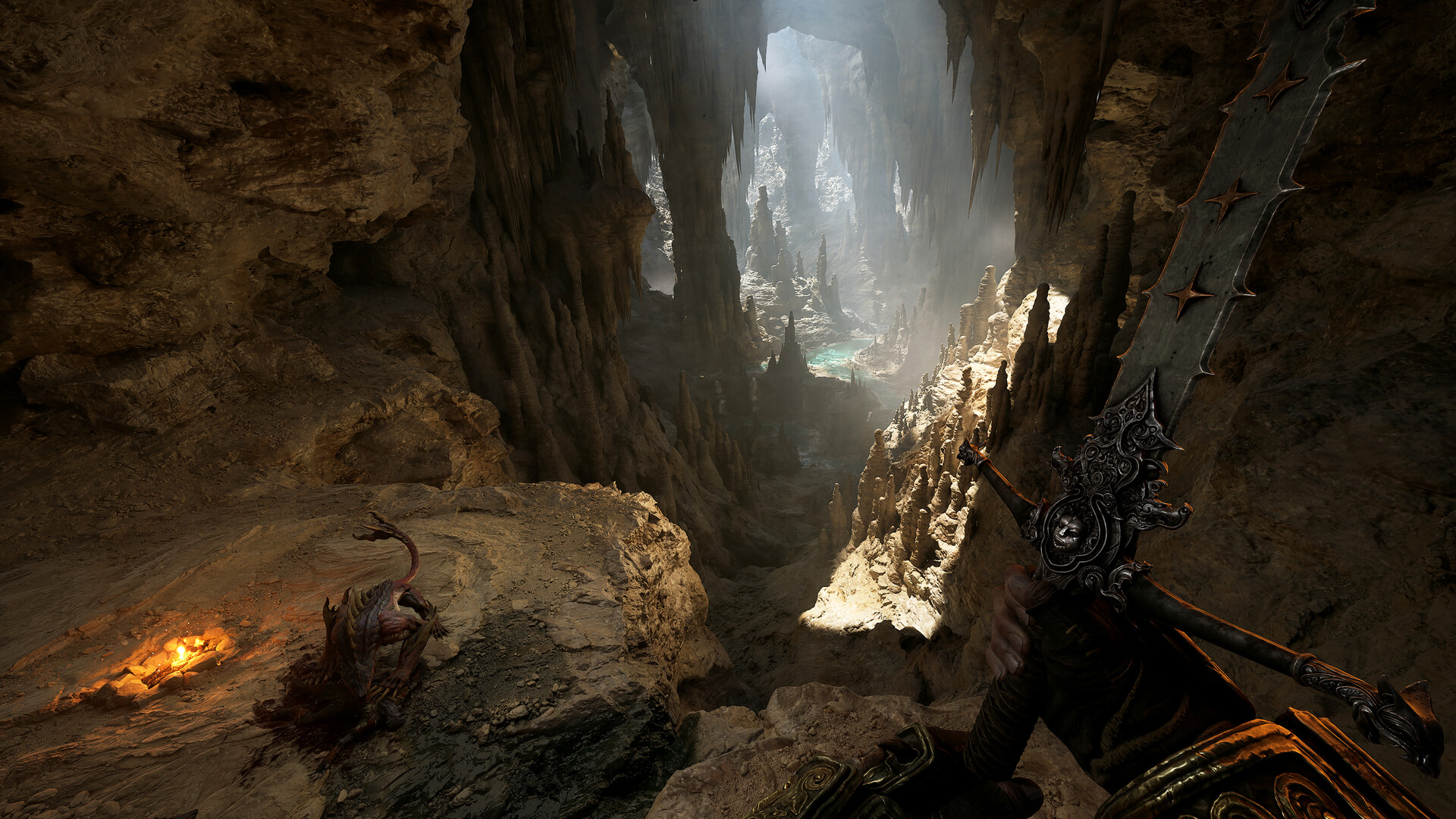
Fatekeeper leans into exploration as a core loop, with official materials highlighting handcrafted zones such as ancient battlegrounds, vast underground caverns, serene forests, and crumbling sanctuaries. These areas reward curiosity with hidden lore, forgotten relics, and unexpected encounters. Reviewers consistently point to those scenic stretches and secret-laced paths as the main reason they keep pushing forward.
Sword-and-sorcery combat with real build diversity
The official pitch promises reactive melee, spellcasting, and build-defining choices across combat styles, attributes, and spell schools, supporting strength, precision, or sorcery routes. Players describe pulling off flashy melee combos and tinkering with a large skill tree, though they caution that daggers and early-game magic feel under-tuned compared to heavier weapons.
Loot and armor that shape how fights feel
According to the store description, players discover, loot, and master a wide variety of weapons, armor, and artifacts, with the right gear often being the difference between victory and ruin. Reviewers highlight the joy of swapping loadouts and watching character power climb as new equipment drops, reinforcing a visible-progression feel on each expedition.
A focused first-person RPG in Early Access
Fatekeeper is a single-player Early Access action RPG released on June 2, 2026 by developer Paraglacial and publisher THQ Nordic. The developers are actively soliciting feedback during Early Access, which multiple reviewers appreciated as a chance to shape the game's direction. That status is important context for anyone weighing a purchase right now.
What players are saying
What keeps coming up positively
- The scenery and atmosphere are repeatedly described as standout, giving exploration a real sense of wonder.
- The skill tree and build variety give players multiple viable directions to experiment with.
- Combat feels punchy and satisfying, especially when landing heavy hits or pulling enemies with the grab spell.
- Loot and weapon progression deliver clear, motivating upgrades as players push deeper.
Where the friction shows
- Saves are limited to bonfire-style checkpoints that do not heal, and long stretches between them mean deaths can erase many minutes of progress.
- Reliable healing is scarce, with alchemy ingredients running dry and no fallback restoration, which compounds the harsh save system.
- Certain enemy types, especially archers, are widely cited as over-tuned and able to land heavy hits with little counterplay.
- The skill tree branches lock players into one of four early paths, frustrating players who want to spread points more freely.
Is it worth buying?
At $8.99, down 10% from a $9.99 regular price, Fatekeeper is a fair ask for an Early Access first-person RPG with this much visual polish, though the harsh save system and scarce healing are real friction. It is best suited for players who enjoy tough, exploratory combat and want to grow with the game through Early Access updates.
Price checked 2026-08-13:$8.99,down from $9.99(10% off)。Player-fit tags
Good fit
- Solo players who enjoy methodical exploration and uncovering hidden lore in atmospheric zones
- Players who want to tinker with varied builds and experiment with melee, magic, and different weapon types
- Feedback-oriented Early Access supporters willing to tolerate rough edges in exchange for shaping development
- Fans of punishing, resource-limited combat who appreciate bonfire-style save pressure as part of the tension
Probably not for you
- Anyone looking for quicksave-anywhere convenience or frequent checkpoints between fights
- Players who rely on steady healing sources, since alchemy ingredients can run dry and bonfires do not restore health
- Anyone wanting polished, finished-feeling combat balance, given recurring complaints about archers, rigid enemy tracking, and weak early magic
03Fallout: New Vegas — Obsidian-built RPG where branching faction writing and player-driven roleplay still define the Mojave experience
STEAM DEAL · 50% OFF
Fallout: New Vegas
If you want an RPG that rewards dialogue choices and faction reading over reflex aim, this is a no-brainer pickup at $4.99, especially for solo players who like writing their own character arc.
Game highlights
Faction writing as the spine
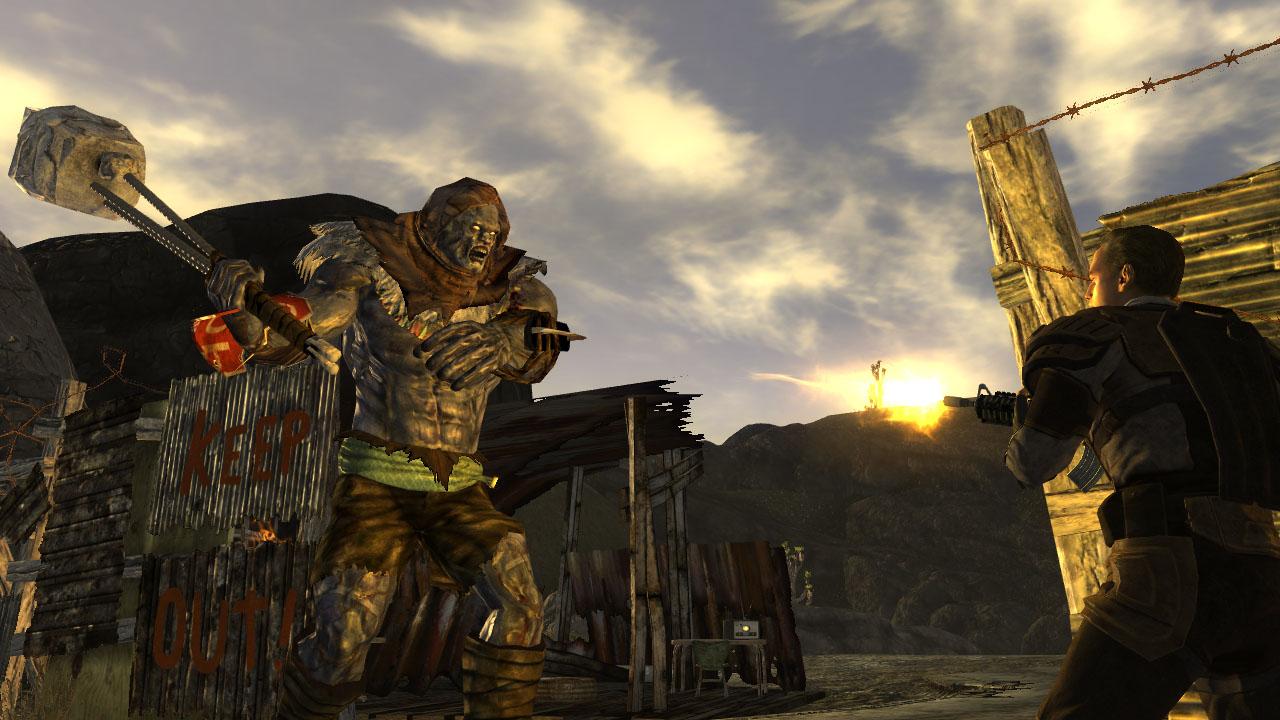
Obsidian built four fully fleshed-out Mojave factions, and the official pitch leans hard on their clashing ideologies. Players repeatedly frame those factions as the strongest part of the package, noting that even the most brutal options are presented with internal logic. The end-of-act war for Hoover Dam is less a scripted finale and more a referendum on which side the player actually believes in.
Hardcore Mode and the Reputation System
Two additions the official store copy calls out shape how every session feels. Hardcore Mode adds ammo weight, dehydration, and crippled limbs, so a stroll from Goodsprings to Primm becomes a real resource puzzle. The Reputation System tracks how each settlement and faction reads your deeds, so a saint in one camp can be a war criminal in another without any menu-grinding.
Companion Wheel and real-time combat choices
The Companion Wheel lets you order NPCs to attack, hold, or use a specific tactic without pausing the action, which matters when you are running a fragile sniper build. V.A.T.S. still pauses to let you queue limb shots, but players who skip it get full real-time gunplay, melee finishers, and a weapon-modding bench that previews attachments live.
Mojave exploration with light travel friction
The map stretches from Goodsprings and Nipton through the 188 trading post, Hoover Dam, and the neon Strip, with discovery woven into most side quests. Fast travel exists but caps on carry weight and Hardcore water needs force real route planning once survival is on, which keeps even familiar runs interesting.
Mod-friendly PC build
Steam listing shows Windows-only support, partial controller support, Steam Achievements, and a long modding history through the community tools. That extends the game's lifespan far past the 2010 release and is why many of the most-played hours in the review evidence come from repeat visits.
What players are saying
What keeps coming up positively
- Branching faction quests that remember your choices and reward dialogue investment over raw combat stats.
- Weapons crafting and the mod preview bench make gearing up a satisfying tinkering loop rather than a menu chore.
- Long-term replay value, with multiple reviewers logging thousands of hours across different builds and faction routes.
- Companions with questlines that play out differently depending on how you treat them and which ideology you back.
Where the friction shows
- Aging Gamebryo engine that crashes on Windows 11 without compatibility tweaks, prompting advice to save constantly or switch to Linux.
- Visual presentation and animations feel dated next to later entries, which several longtime fans simply accept as part of the charm.
- The opening Goodsprings stretch can feel slow while the game hands out early side content before pushing you toward the Strip.
- Mid-to-late game leveling can leave some combat builds feeling flat unless you invest deliberately in the right perks.
Is it worth buying?
At $4.99 against a $9.99 regular, this is the kind of deal that justifies jumping in even if you only finish one faction line. The price gap to Fallout 76 at $3.99 is small for the dramatic swing in writing quality, and replay value is strong enough that you will likely revisit. Worth considering if you want a single-player RPG marathon without paying modern AAA prices.
Price checked 2026-08-13:$4.99,down from $9.99(50% off)。Player-fit tags
Good fit
- Players who weigh every dialogue option and like reading faction codex entries before picking a side.
- Solo roleplayers who want one persistent character across 50-plus hours of branching quests.
- Tinkerers who enjoy weapon modding, perk planning, and optimizing companion loadouts.
- Explorer types who like stumbling into unmarked locations and piecing together who shot them and why.
- Mod-friendly PC players who want a 2010 RPG that still receives community overhauls and bug fixes.
Probably not for you
- Anyone expecting modern shooter polish, ray tracing, or smooth controller integration on a fresh Windows 11 install.
- Multiplayer-first players, since the package is a single-player-only affair outside of limited Steam Remote Play.
- Players who dislike dice-roll speech checks, since charisma builds still live or die on random numbers.
- Anyone needing quick, dopamine-loop gameplay rather than a slow-burn story that asks you to read.
04Approximately Up: a nerdy co-op spaceship builder for patient engineers who love wiring and physics chaos
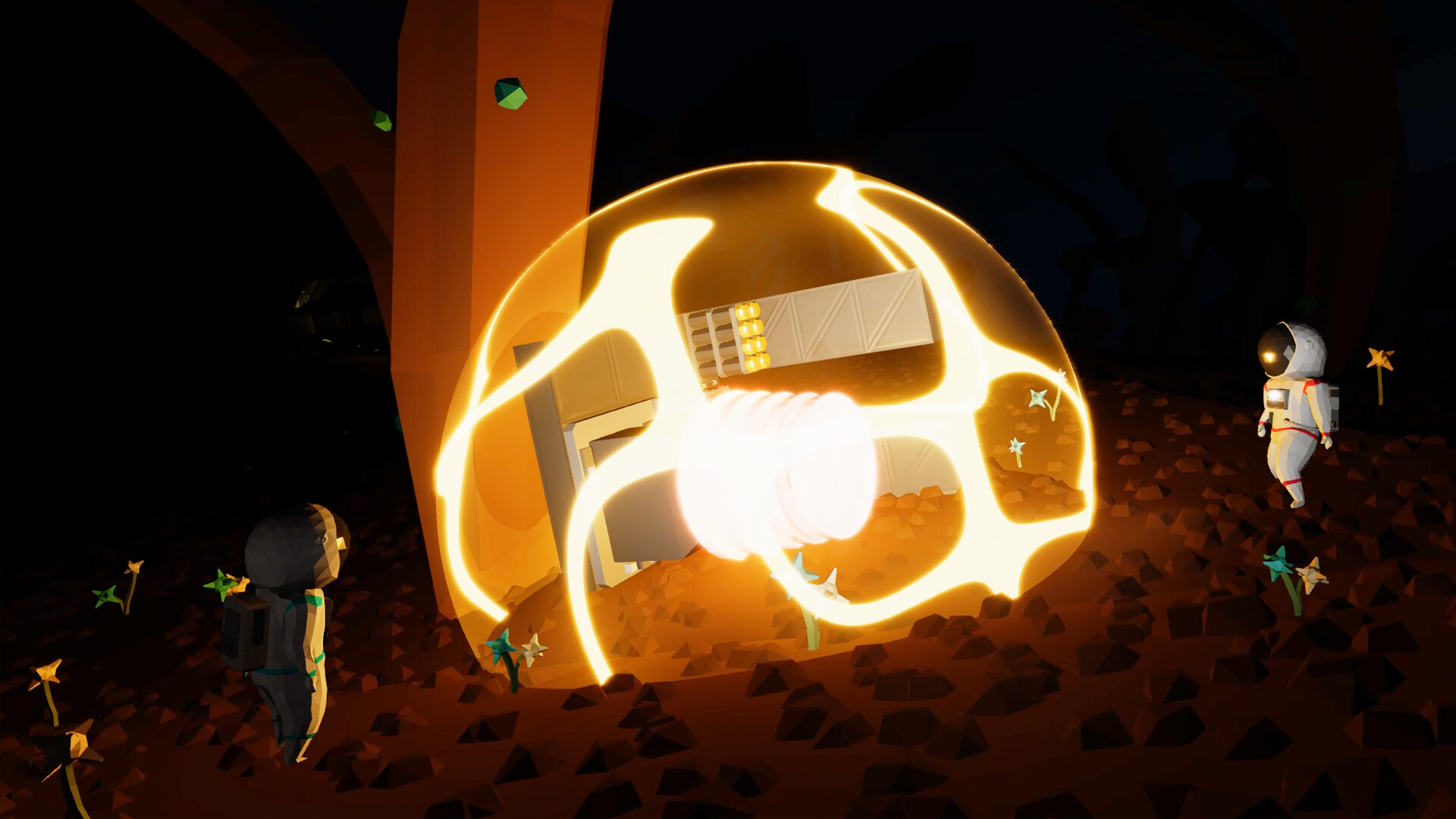
STEAM DEAL · 20% OFF
Approximately Up
If you enjoy patient engineering puzzles and laughing at your own wiring mistakes with friends, Approximately Up delivers a deep first-person shipbuilder; if you want casual arcade piloting or a story-first campaign, look elsewhere.
Game highlights
Modular first-person shipbuilding
Official descriptions confirm you build ships from frames, thrusters, panels, sensors, and meters, then fly them from inside the cockpit in first person. Each component choice genuinely changes flight behavior because parts can be mirrored, rotated, or wired into automated systems. The builder scales from a quick single-frame craft to massive multi-stage vehicles across 15 planets.
Co-op chaos for up to four
The store page lists single-player and online co-op for up to four players, framing the game as a blame-fest over missed cables and backward thrusters. Players consistently describe it as a social, silly sandbox where cable management, window placement, and airlock pranks become running jokes. Solo play works but reviewers note the social layer is where the laughs live.
Mission-driven progression across 15 planets
Official text explains a checkpoint system of planet stations that unlock as you complete deliveries and odd jobs between worlds. Missions reward new ship components, letting you iterate from simple designs into more capable craft for longer interplanetary trips. A real-time dynamic soundtrack responds to exploration, and each planet has its own gravity, atmosphere, and temperature rules.
Logic, automation, and a steep learning curve
Players highlight PID controllers, flip-and-burn sequences, automated landings, and custom logic circuits as the depth ceiling. Reviewers describe the tutorial as minimal and recommend prior physics-sandbox or wiring experience before jumping in. The reward loop is redesigning your ship until it survives the next mission.
Active solo developer and Discord community
Multiple reviewers specifically praise the developer's responsiveness on Discord and how community feedback made it into patches. That support loop matters when a learning curve this steep needs community guides and Q&A. It also signals ongoing content and balancing work post-launch.
What players are saying
What keeps coming up positively
- Co-op sessions turn into memorable comedic moments over cable management and thruster orientation
- The physics simulation rewards careful design choices and punishes sloppy builds in satisfying ways
- Missions and component unlocks give a clear sense of progression from fragile early ships to robust cruisers
- Deep logic and automation systems appeal to players who enjoy treating the game like engineering software
Where the friction shows
- Multiplayer can feel lopsided because one player usually pilots while others sit idle during long transfers
- The tutorial covers controls but barely touches technical systems, leaving newcomers to learn through trial and error or external videos
- Marketing suggests constant repairs and danger, but reviewers report few things break on their own without player-induced failures
- Players expecting Space Engineers-style mining and production chains find the mission-driven structure more like Kerbal than a true sandbox
Is it worth buying?
At $19.99 (20% off the $24.99 regular price) it is a reasonable buy for patient builders, but the learning curve and multiplayer-pacing caveats mean waiting for a deeper discount is reasonable if budgets are tight.
Price checked 2026-08-13:$19.99,down from $24.99(20% off)。Player-fit tags
Good fit
- Patient builders who enjoy wiring sensors, thrusters, and automated logic systems
- Co-op groups of two to four friends who like laughing over shared engineering mistakes
- Solo players comfortable treating the game as engineering software with mission objectives
- Players who already enjoy Kerbal-style mission progression and physics sandboxes
- Tinkerers who want a steep learning curve that rewards long-term mastery
Probably not for you
- Players expecting a guided story-first campaign with strong narrative hooks
- Anyone looking for casual arcade spaceflight without wiring or systems management
- Groups hoping every crew member stays busy during long interplanetary transfers
- Fans of Space Engineers who want mining, processing, and production chains instead of missions
05The Elder Scrolls® Online: A Story-First MMO Built for Slow Lore Exploration and Group Adventures

STEAM DEAL · 75% OFF
The Elder Scrolls® Online
Worth picking up at $4.99 for story-focused players who can tolerate the layered monetization and grind, especially if a friend already owns the DLC or you plan to subscribe. The Elder Scrolls lore and co-op world shine through, but expect a cluttered shop and long mount-training timers.
Game highlights
Tamriel-sized storytelling
The Elder Scrolls® Online lets players write their own chapter of Tamriel set nearly 1,000 years before Skyrim, traveling from Morrowind's mushroom forests to Daedric battlefields in Oblivion. The base package on Steam bundles the Morrowind, Imperial City, Orsinium, Thieves Guild, and Dark Brotherhood adventures, giving immediate access to sprawling questlines. Recurring reviewers repeatedly single out the lore depth and voice writing as a reason to keep playing rather than rush to endgame.
Solo-friendly, but built around guilds
Official categories advertise both Online Co-op and large-scale PvP, and every system from questing to housing encourages joining up to five guilds at once. Reviewers highlight how easy it is to contribute in PvP as a newcomer and how mellow crafting becomes with guild help, while dungeon queues can be frustrating when groups sprint past dialogue. Playing at your own pace with one main character is repeatedly framed as the most rewarding way to experience the world.
Seasonal content cadence and Seasons system
Official materials introduce a Seasons model that delivers new stories and experimental content every three months, with Tamriel Tomes offering unlockable rewards over time. The detailed description explicitly markets this as an ever-growing world you can play solo or with friends. Long-tenured players frame the seasons as a reason the game keeps feeling fresh after years, while critics note the seasonal pass structure layered on top of an existing subscription and DLC store.
Housing as an endgame hobby
The store listing highlights houses, mounts, and furnishings through Crown Store currency, with bundles like the Housing Starter Pack throwing in 800 Crowns and a Seabloom Villa. Multiple reviewers treat housing decoration as an expressive, long-term project that turns currency purchases into optional creativity rather than mandatory gear. Crowns also come packaged with mount deals like the Hailcinder Vale Elk, tying cosmetic collecting into the broader progression loop.
Combat and PvP variety
Categories list Online PvP alongside MMO co-op, and Tamriel includes Cyrodiil-style large-scale battles plus duels and dungeon content. Players describe combat as button-spammy rather than deeply strategic and note that zone variety blurs after long sessions, but the PvP specifically is praised as welcoming to newcomers and packed with world boss moments. Questing, exploring, and instanced dungeons are framed as three distinct activities you can swap between.
What players are saying
What keeps coming up positively
- Story writing and Elder Scrolls lore depth keep players invested across hundreds of hours, especially when played slowly on one main character
- Large-scale PvP is repeatedly called approachable for newcomers, with friendly communities and low-pressure roles like healing and siege support
- Housing and cosmetic collecting provide a creative long-term hobby that rewards Crown Store purchases without feeling mandatory
- Crafting and quest pacing are described as mellow and self-directed, allowing players to log in for short sessions and still make visible progress
Where the friction shows
- Layered monetization draws steady complaints, with players citing the combination of base game, DLC, ESO+ subscription, and seasonal pass as pushy
- Mount riding skill training reportedly takes roughly 180 in-game days to max without spending Crown Store currency, which frustrates returning players
- Inventory and bag space feel restrictive quickly, leading several new players to abandon the game after a few hours
- Combat can feel repetitive and button-mashy, and zones blur together during long sessions, especially when rushing to endgame
Is it worth buying?
At $4.99 against a $19.99 regular price on Steam, the base entry is a strong value jump-in for curious players, but the real cost is layered on top. Owning DLC is most painless through an ESO+ subscription or the Deluxe Edition Content Pass, and mount training plus cosmetic collecting assume ongoing Crown Store spending. Treat the discounted base as an audition: if the story hook and group-friendly world land, plan a subscription before buying chapters piecemeal.
Price checked 2026-08-13:$4.99,down from $19.99(75% off)。Player-fit tags
Good fit
- Story-first players who want to read quest text, follow NPC dialogue, and chase Elder Scrolls lore across multiple zones
- Solo explorers who enjoy self-paced leveling, crafting writs, and housing decoration between play sessions
- Group-oriented players who plan to join multiple guilds, run dungeons, or contribute to large-scale Cyrodiil PvP
- Cosmetic hobbyists who like collecting mounts, houses, and furnishings as long-term goals
- Returning MMO players comfortable managing layered subscriptions, DLC purchases, and Crown Store spending
Probably not for you
- Players who dislike subscription models layered on top of buy-to-purchases and want a one-time-expense MMO
- Anyone sensitive to aggressive cash shop prompts for inventory space, mounts, or progression shortcuts
- Action-combat purists expecting deep rotational mechanics, since many reviewers describe combat as button-spammy
- Players with limited patience for multi-hundred-hour mount training grinds or seasonal pass FOMO loops
- Those who want a tightly guided single-player RPG instead of a shared, always-online world
Share this article