
NEW ON STEAM
Moonlighter 2: The Endless Vault




At a glance
Moonlighter 2: The Endless Vault game facts
Steam store information checked 2026-09-16。- Studio
- Digital Sun Published by 11 bit studios
- Release
- Sep 2, 2026 Released
- Official genres
- Action · Adventure · RPG
- Play mode
- Single-player
- Desktop platforms
- Windows
- Steam Deck
- Verified Verified for Steam Deck
- Controller
- Full support
- Steam features
- Achievements · Trading Cards · Cloud · Family Sharing
- Languages
- 10 listed languages English, French, German, Portuguese - Brazil
What that means for your setupMoonlighter 2: The Endless Vault is developed by Digital Sun, the studio behind the original 2018 Moonlighter, and published by 11 bit studios. It launched on Windows via Steam on September 2, 2026 as a single-player action, adventure, and RPG experience, and the store page lists full controller support alongside Verified status for Steam Deck. Supported launch languages include English, French, German, Brazilian Portuguese, Russian, Simplified Chinese, Spanish, Polish, Japanese, and Korean with full audio support, and the listing carries Steam Achievements, Trading Cards, Cloud saves, and Family Sharing. Before buying, the only compatibility point that matters is platform: this is Windows only on Steam, with no console edition announced at launch.
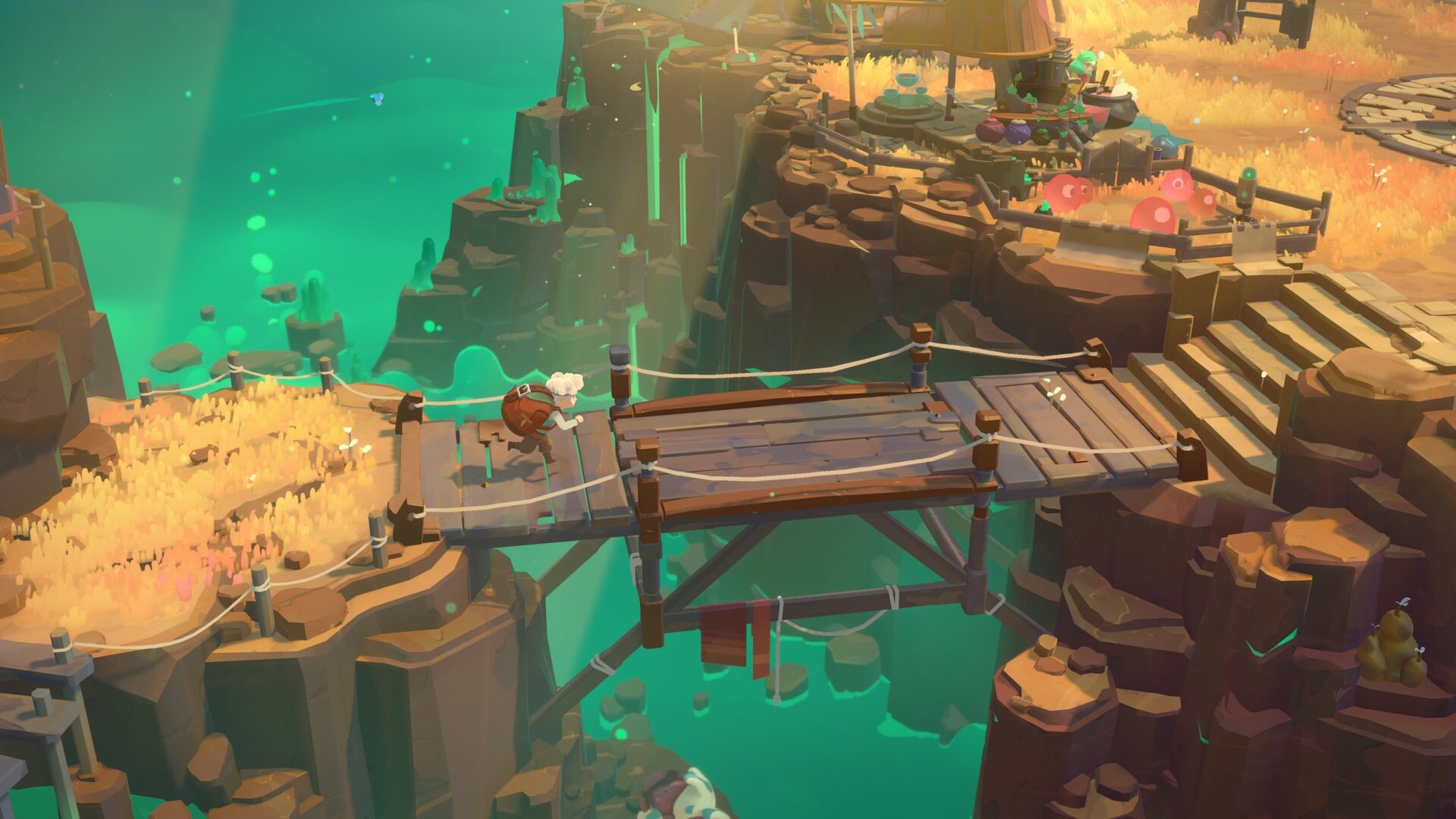
Moonlighter 2: The Endless Vault turns every run into a two-stage puzzle: survive colorful interdimensional dungeons, then race home to haggle your relics across the counter. The mix of real-time combat, Tetris-like backpack tetris with chain-reacting relic curses, and a roguelike shop perk system makes a single evening melt into several. If the original Moonlighter charmed you, this sequel leans hard into that same magical loop while finally stepping into full 3D.
What the game actually feels like
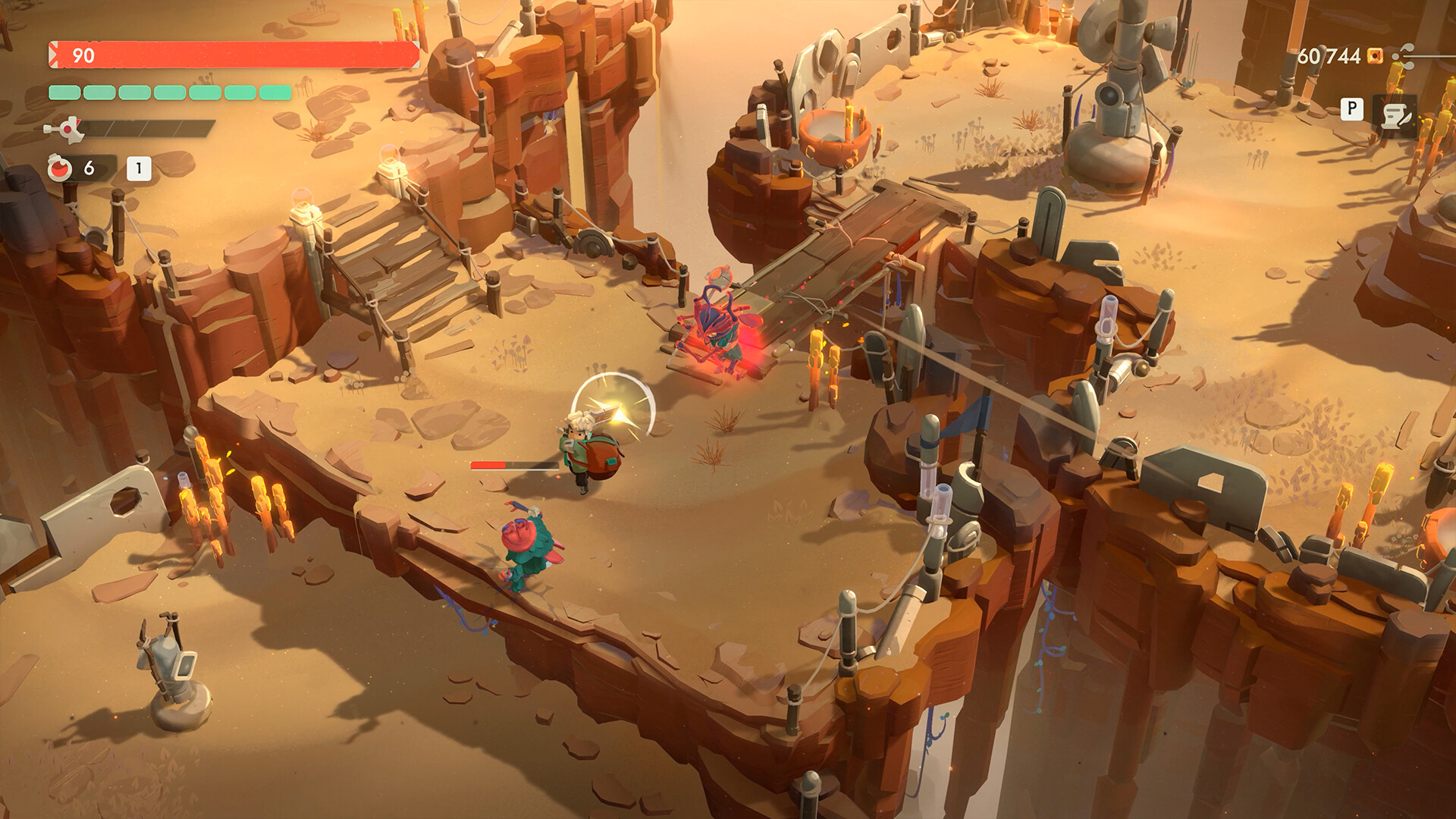
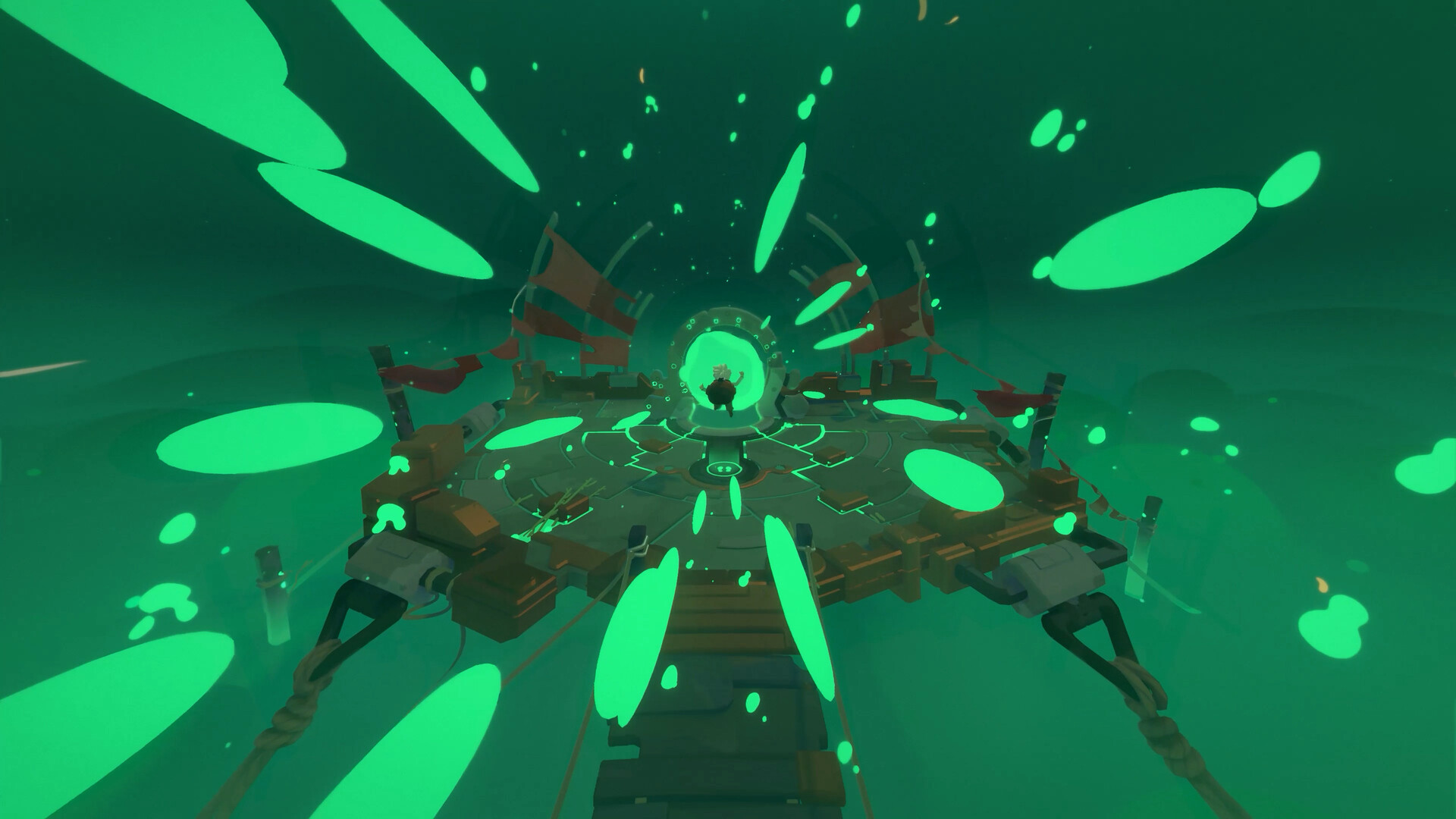
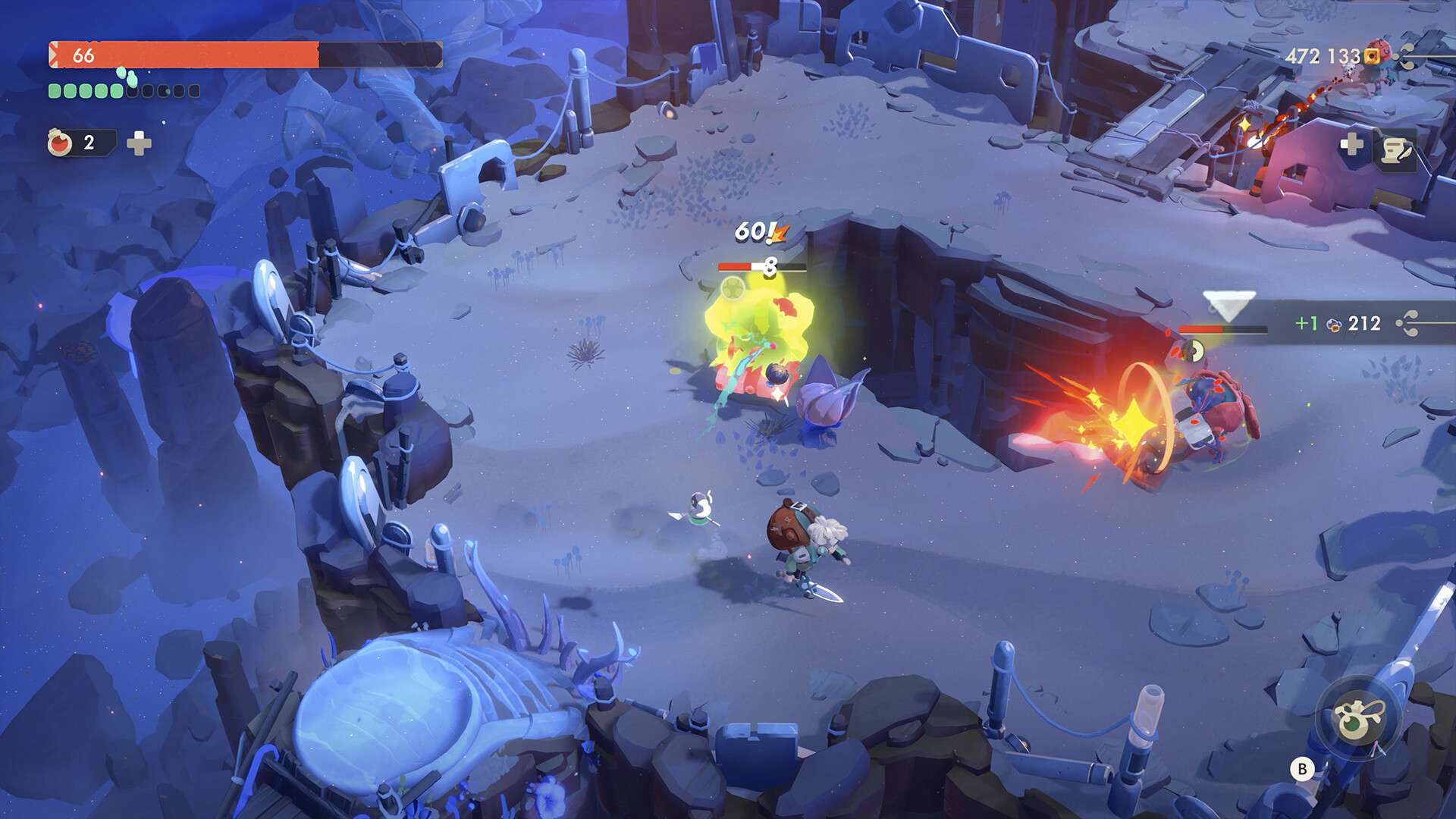
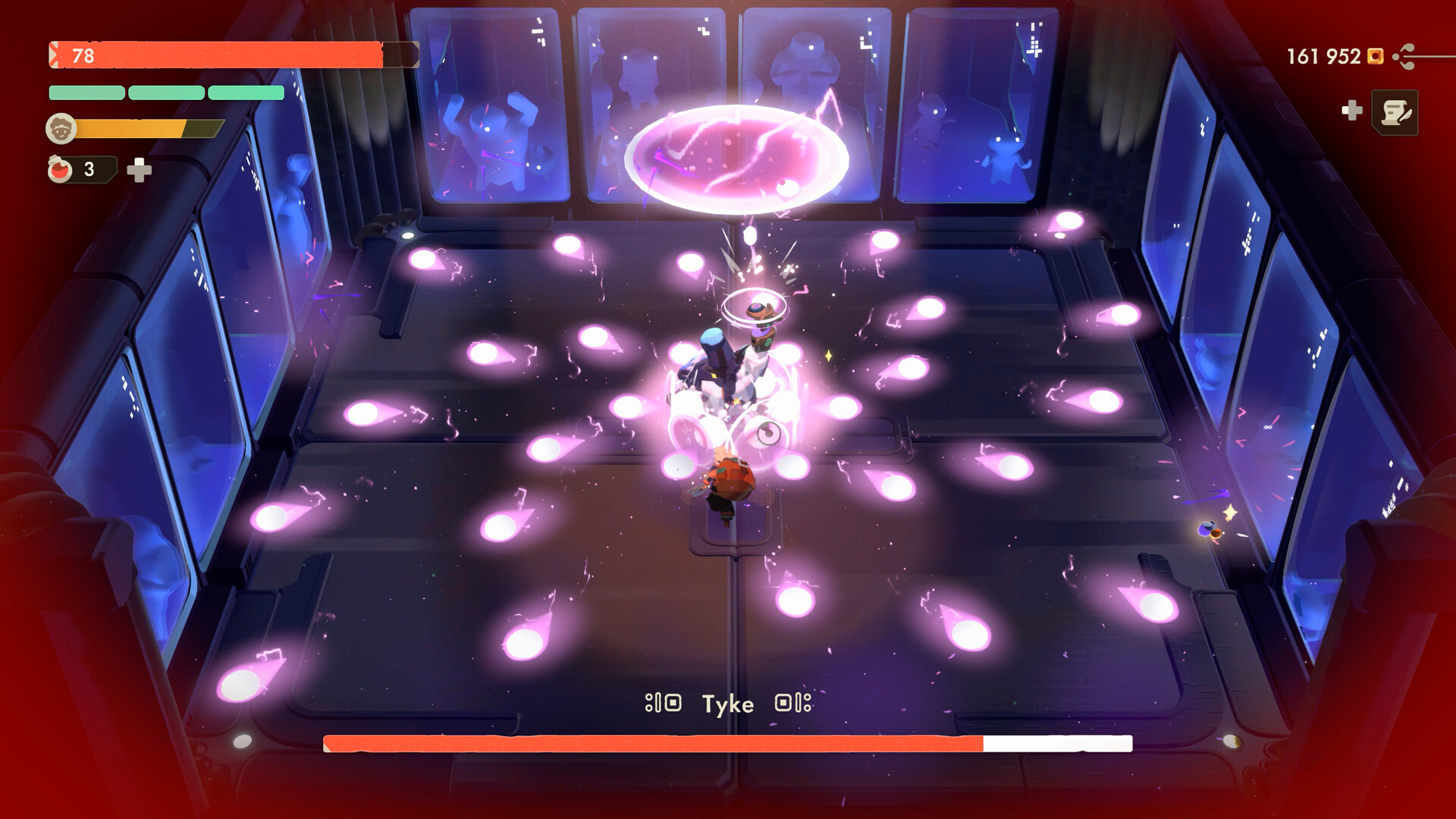
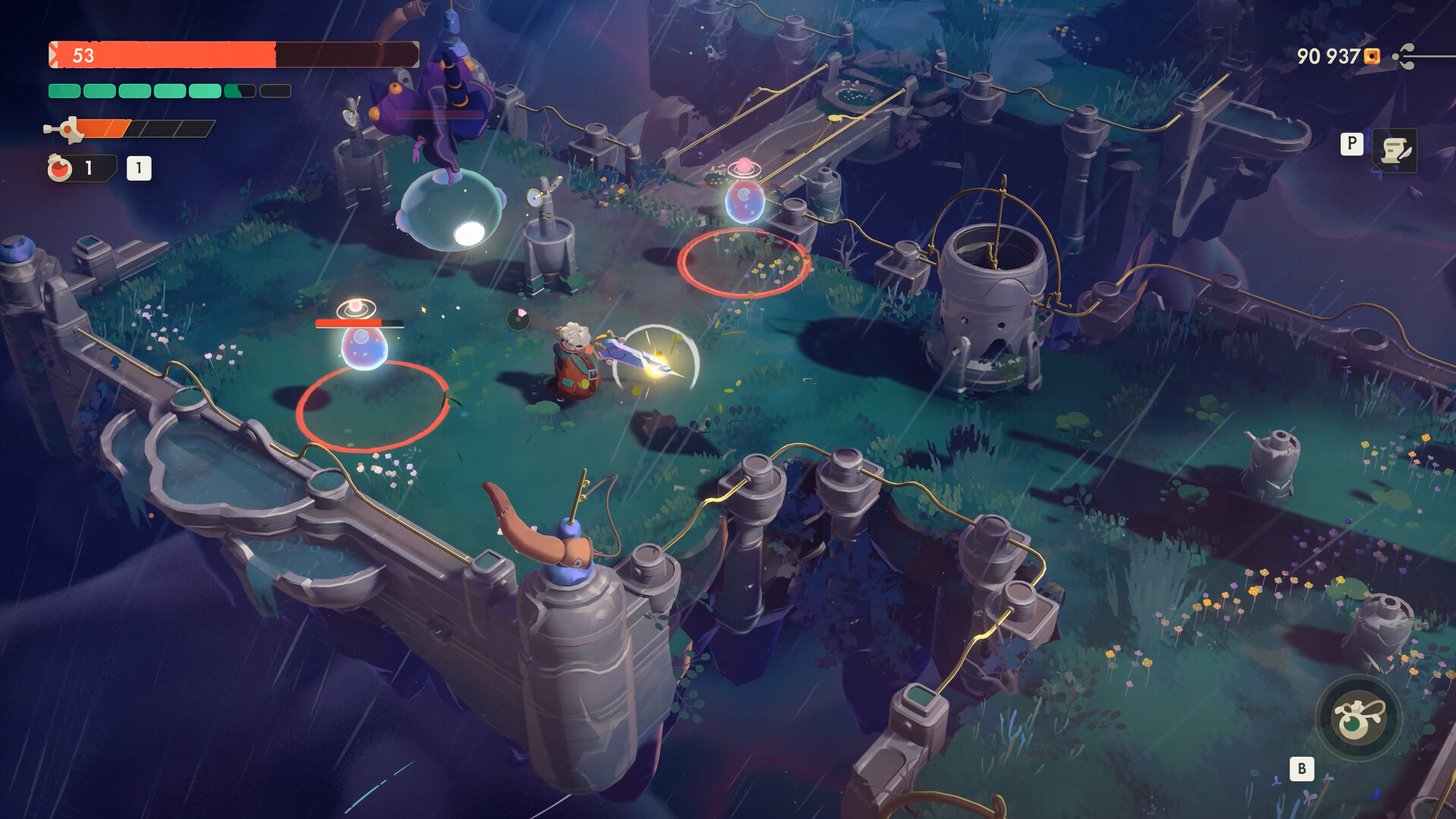
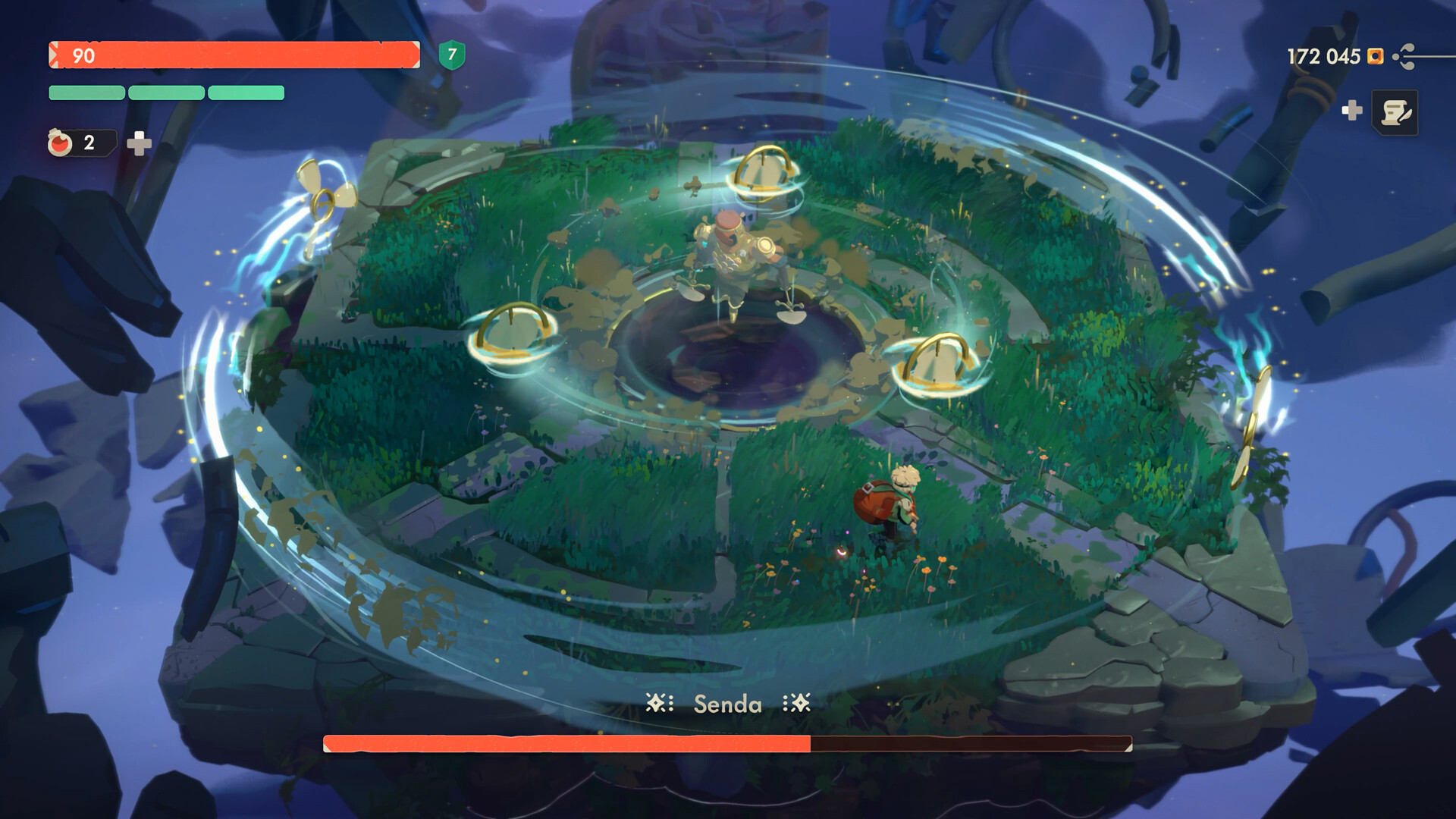
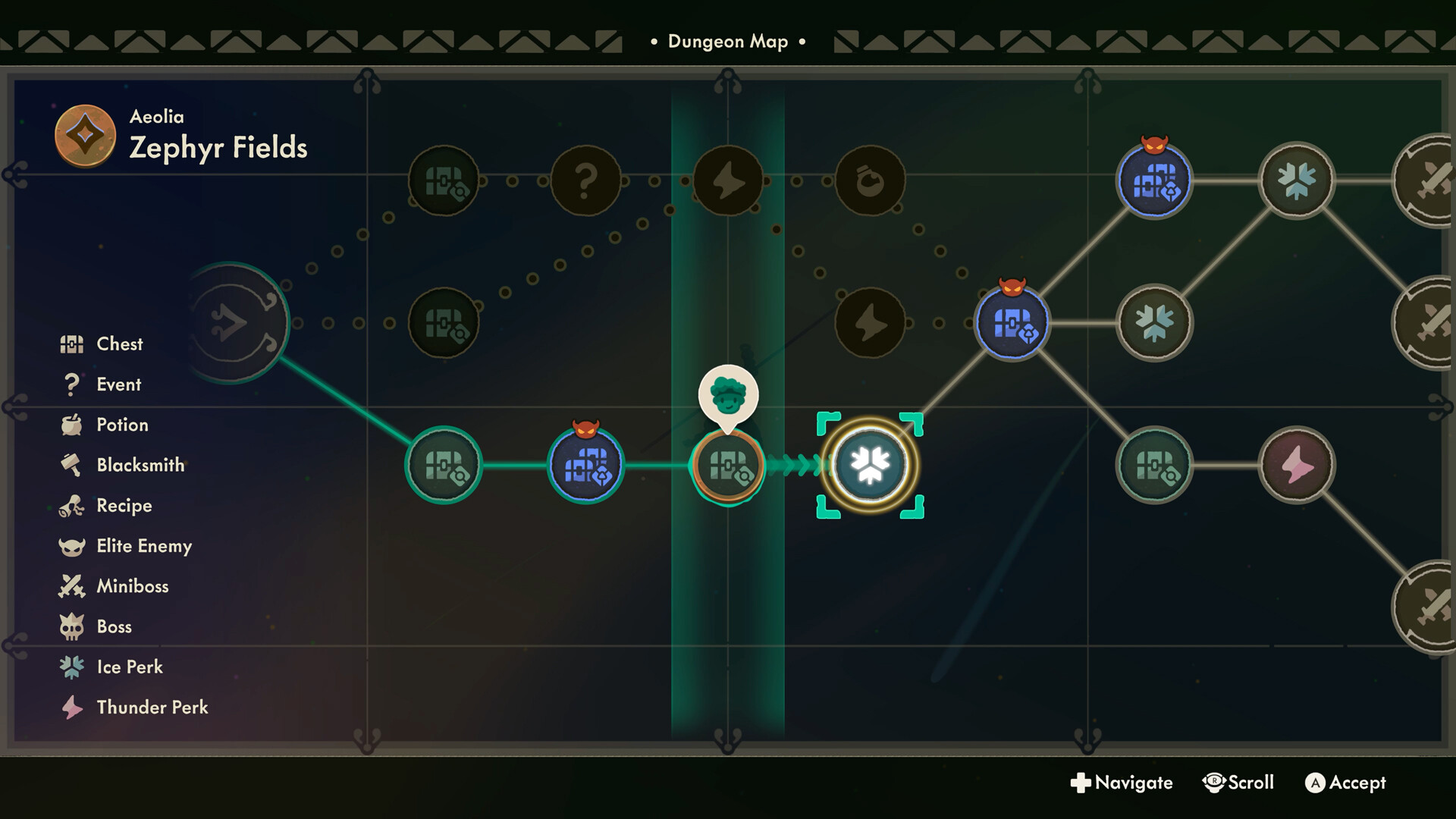
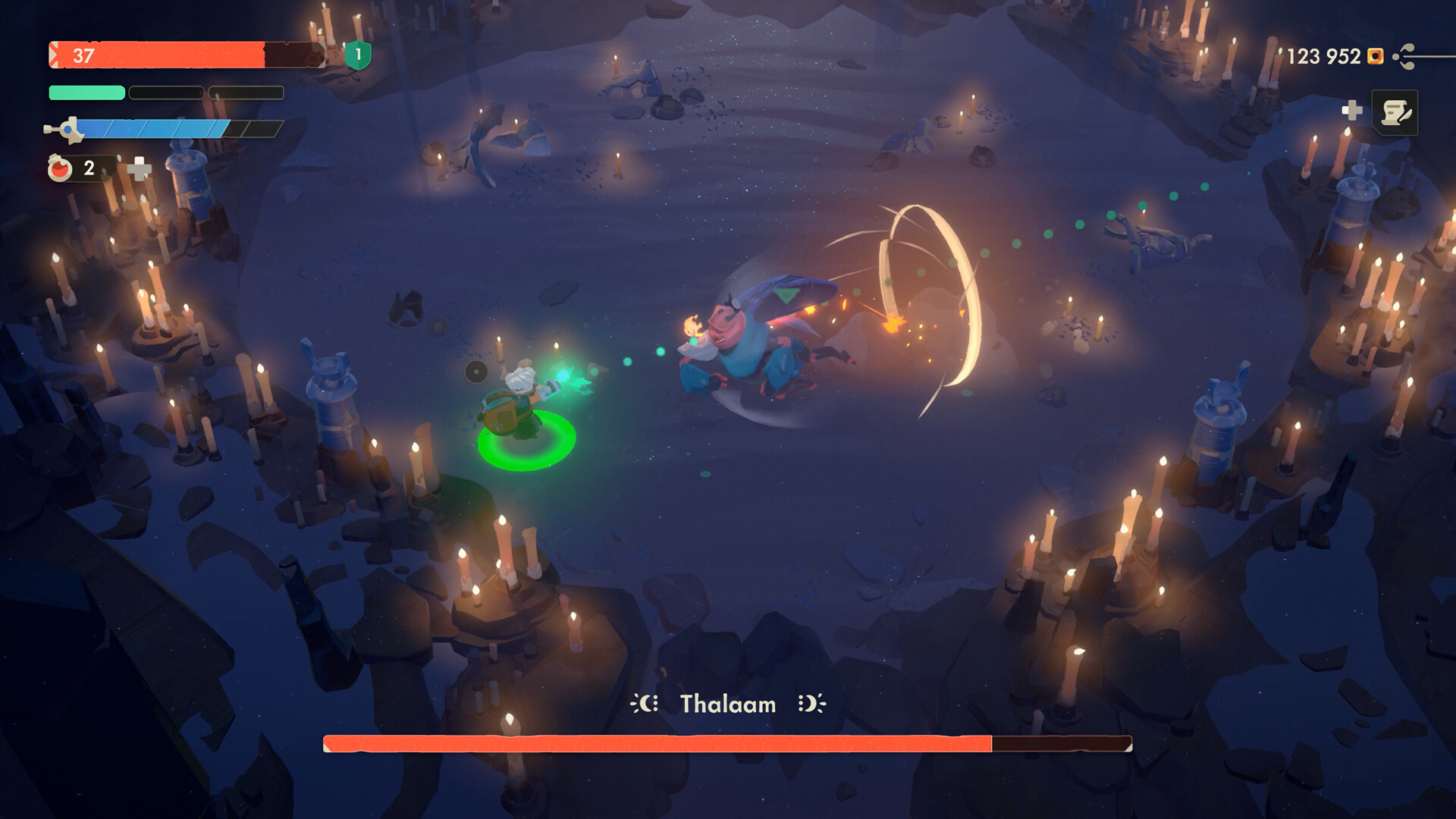
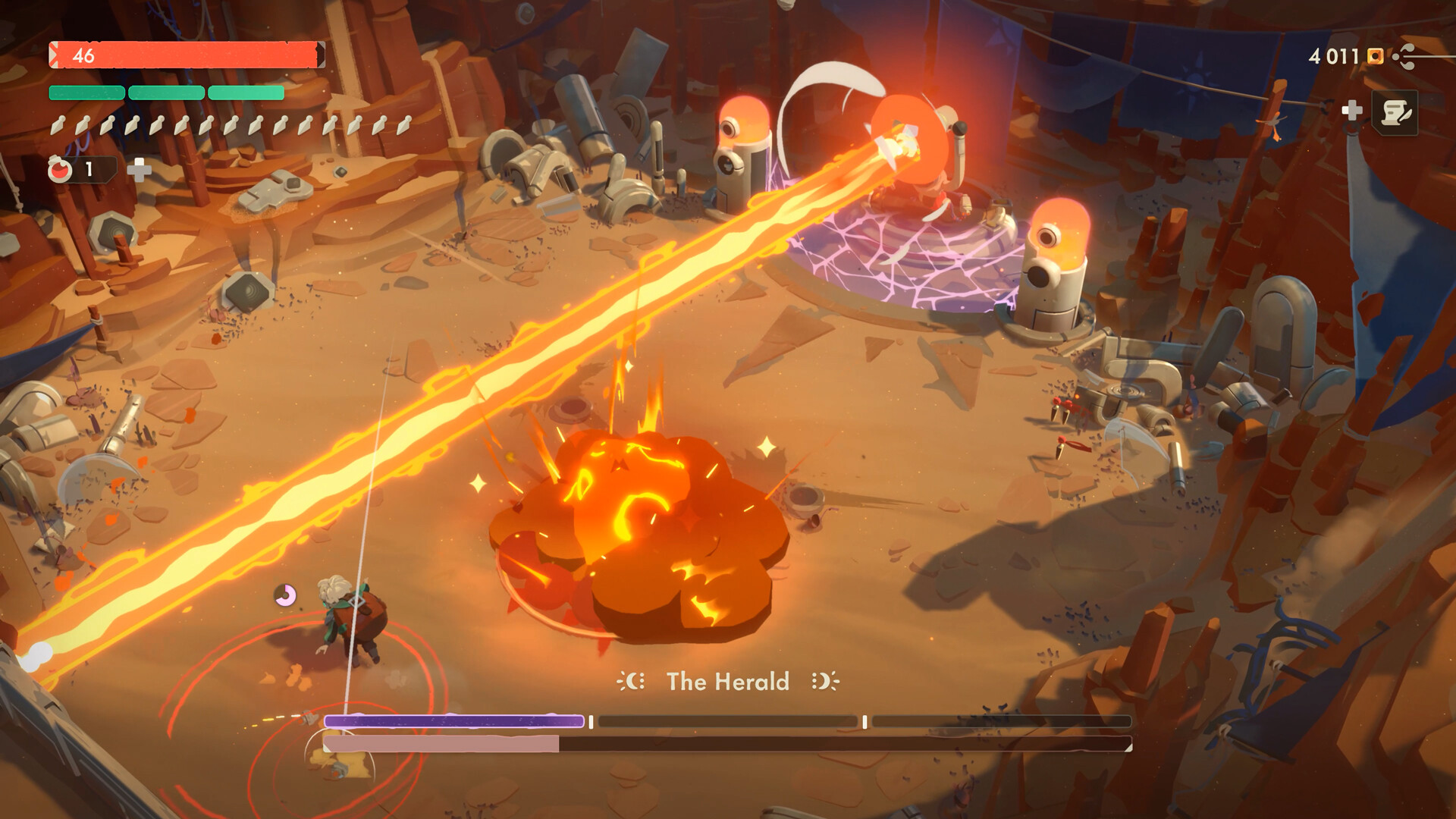
You dive into roguelite dungeons split across multiple distinct dimensions, each with its own enemy roster, biome-specific relic curses, and a tough boss waiting at the end of every run. Combat feels crisp and responsive, with four melee weapon classes (sword, spear, gauntlets, greatsword) plus a dedicated ranged weapon, dodge-rolls as your main defensive tool, and mid-run perks that meaningfully reshape your build on the fly.
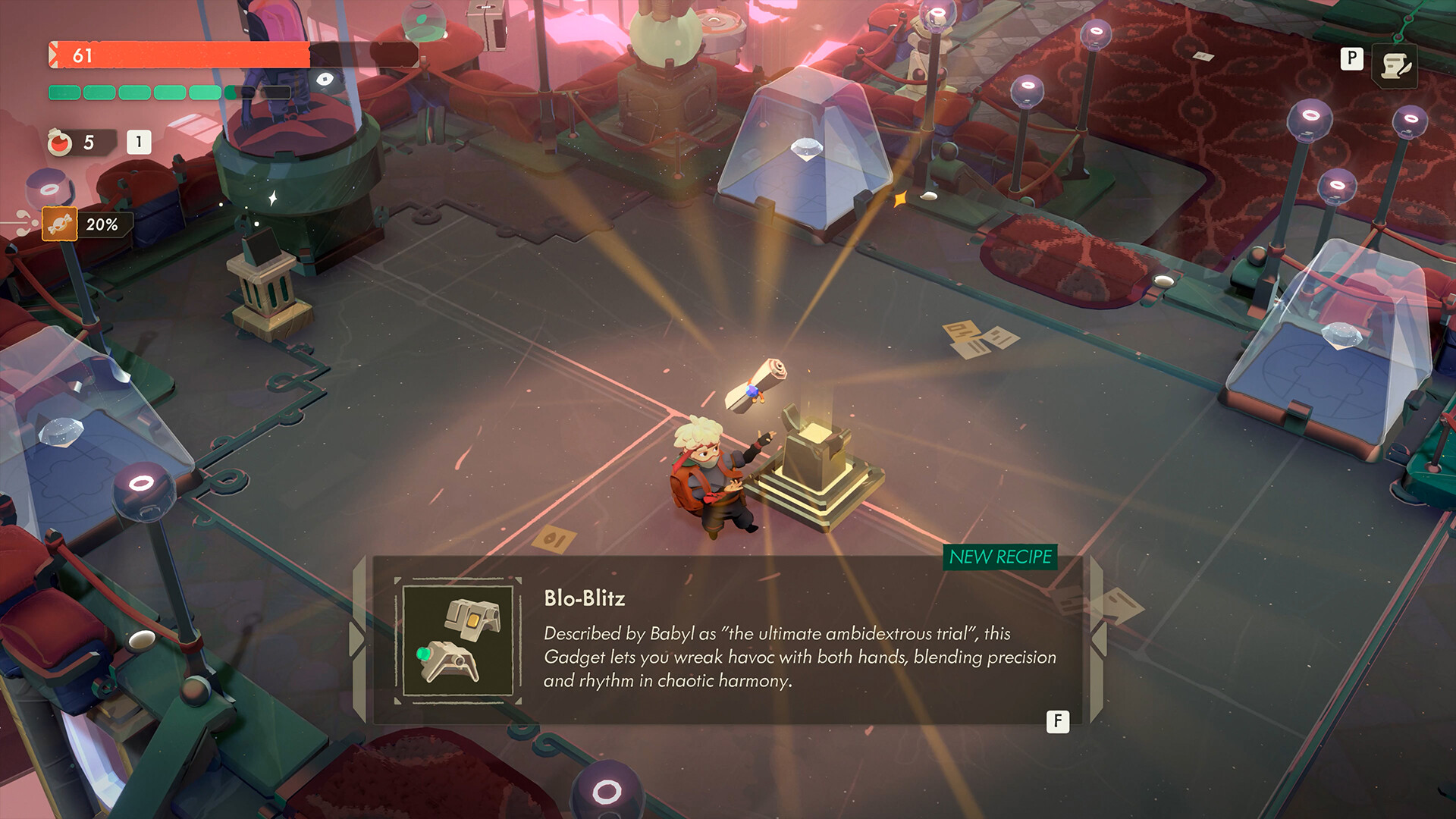
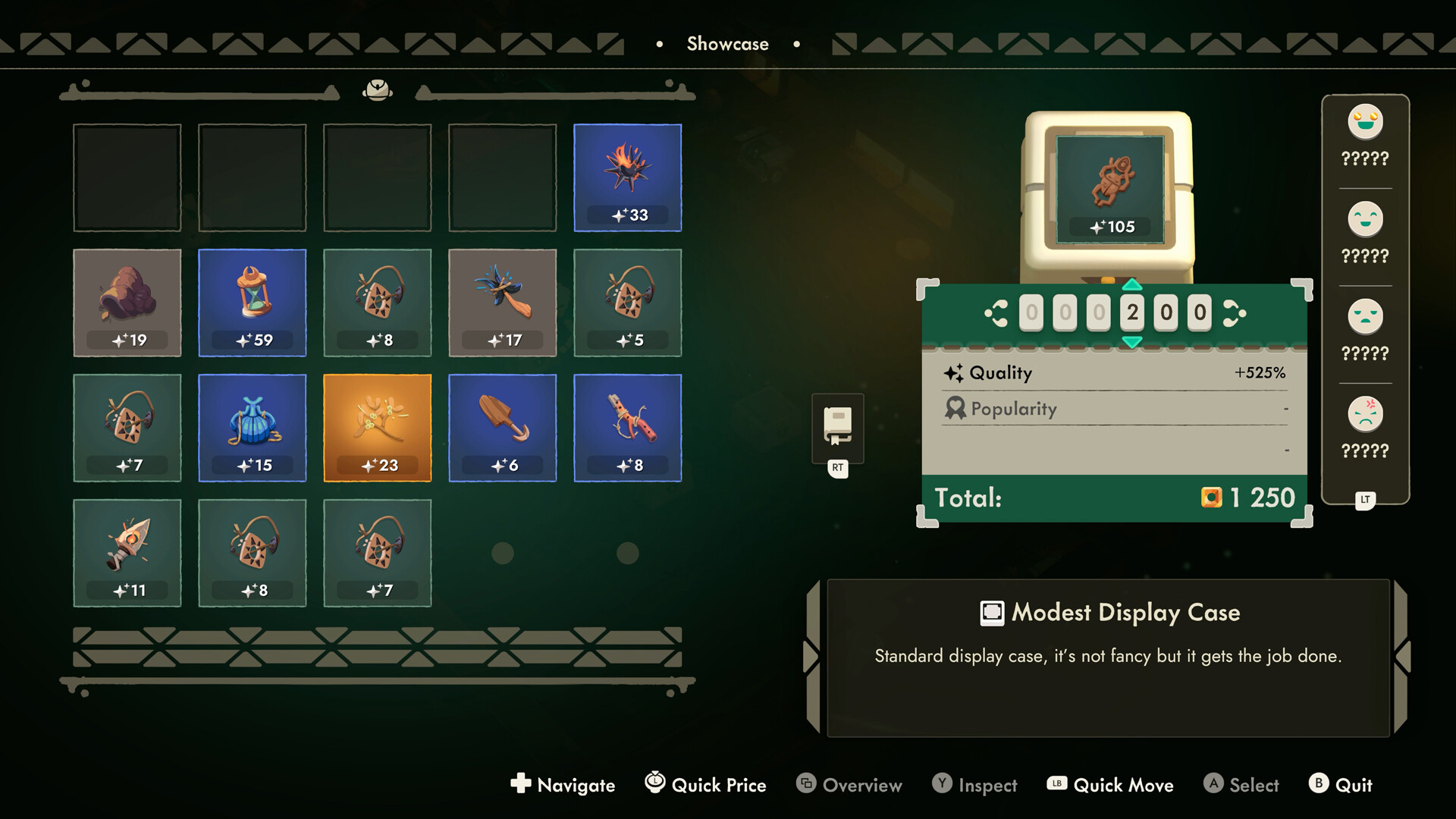
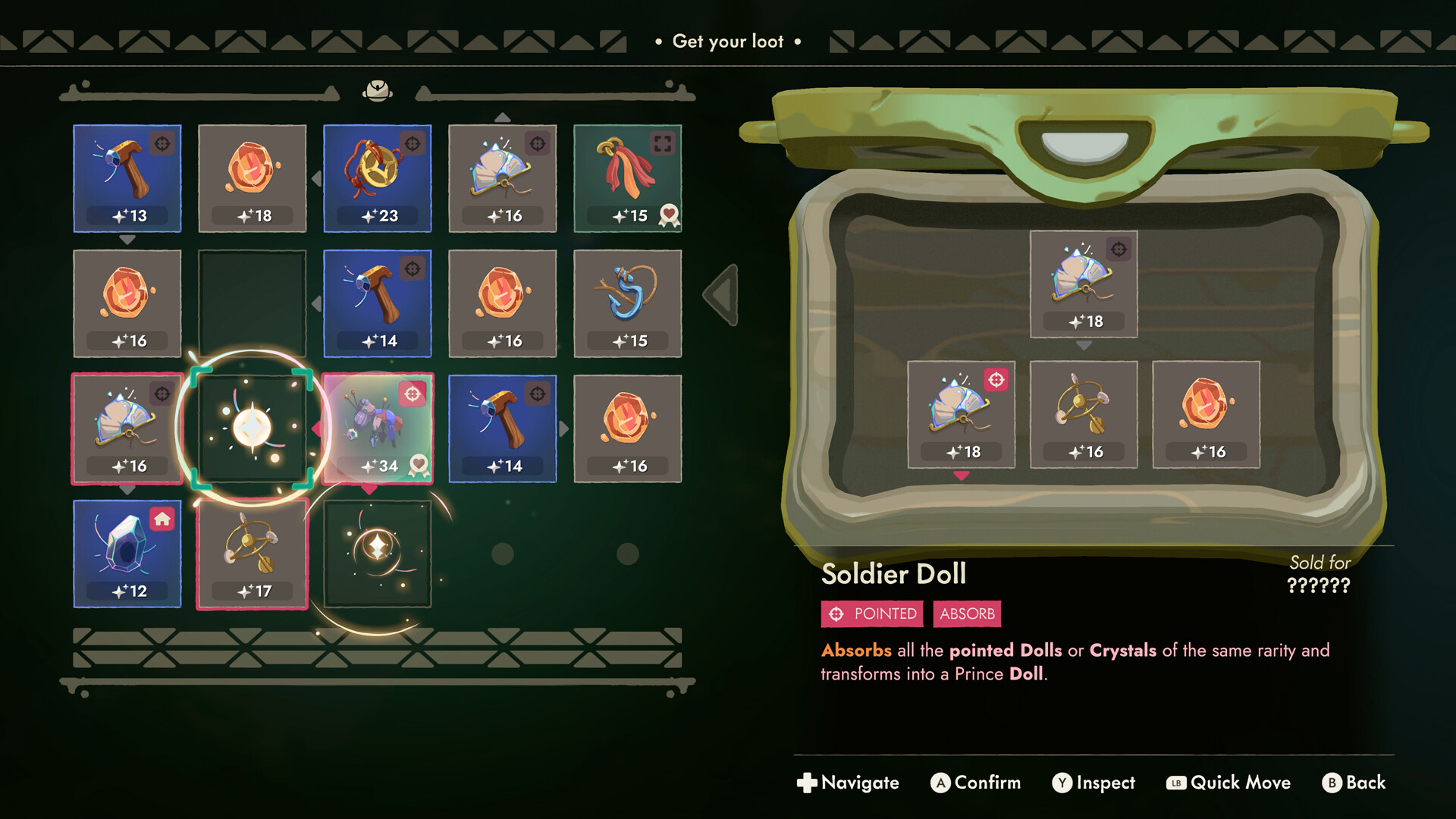
Backpack management is its own mini-puzzle. Every relic has a rarity score and a biome-themed curse, and you physically arrange items inside a small grid where burning, shocking, or shielding one item can buff or destroy its neighbors. Reviewers repeatedly call this the standout system, comparing the dopamine of stacking multipliers to Balatro-style number climbs, and it ties directly into how much gold you earn back in town.
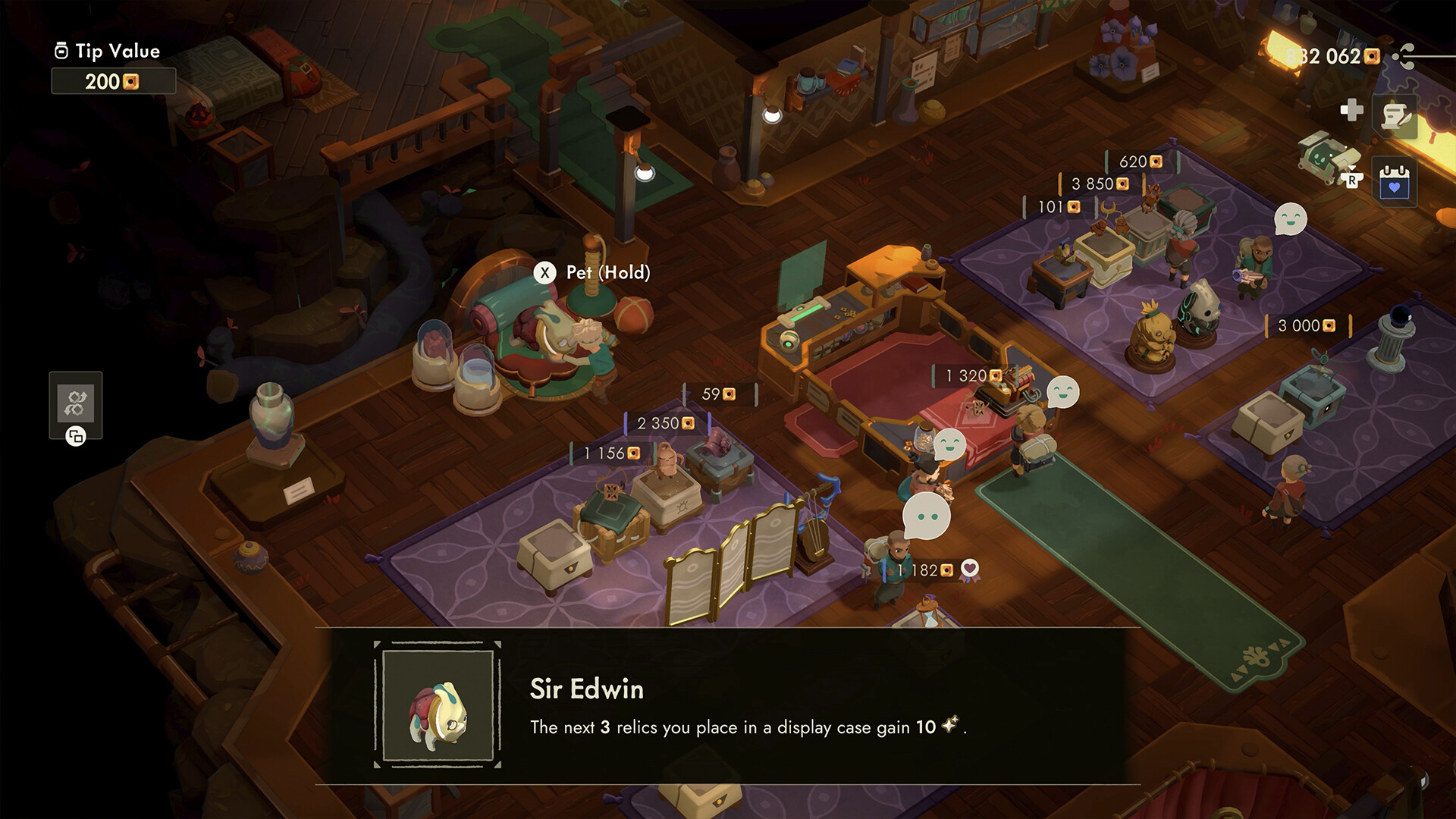
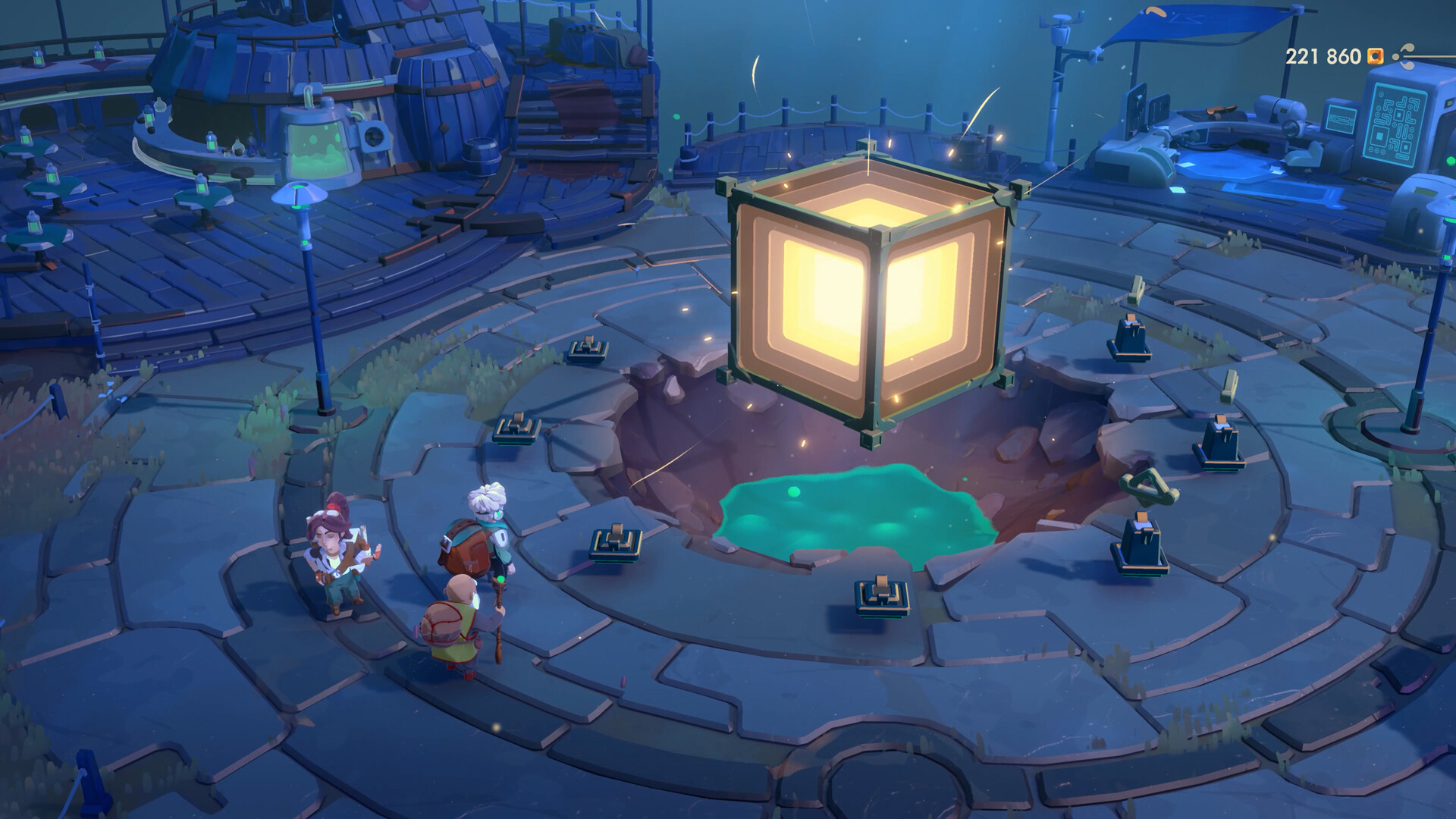
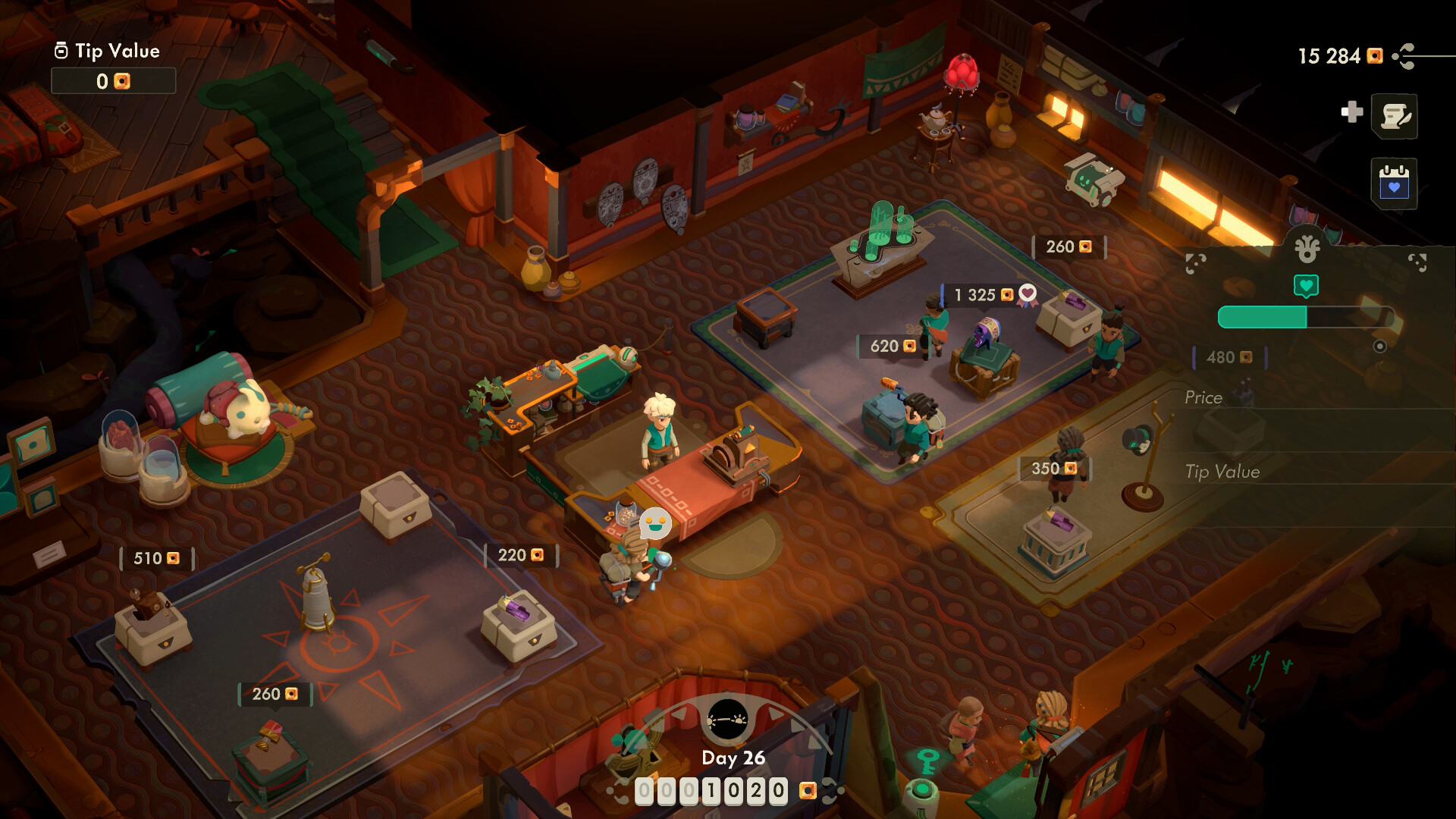
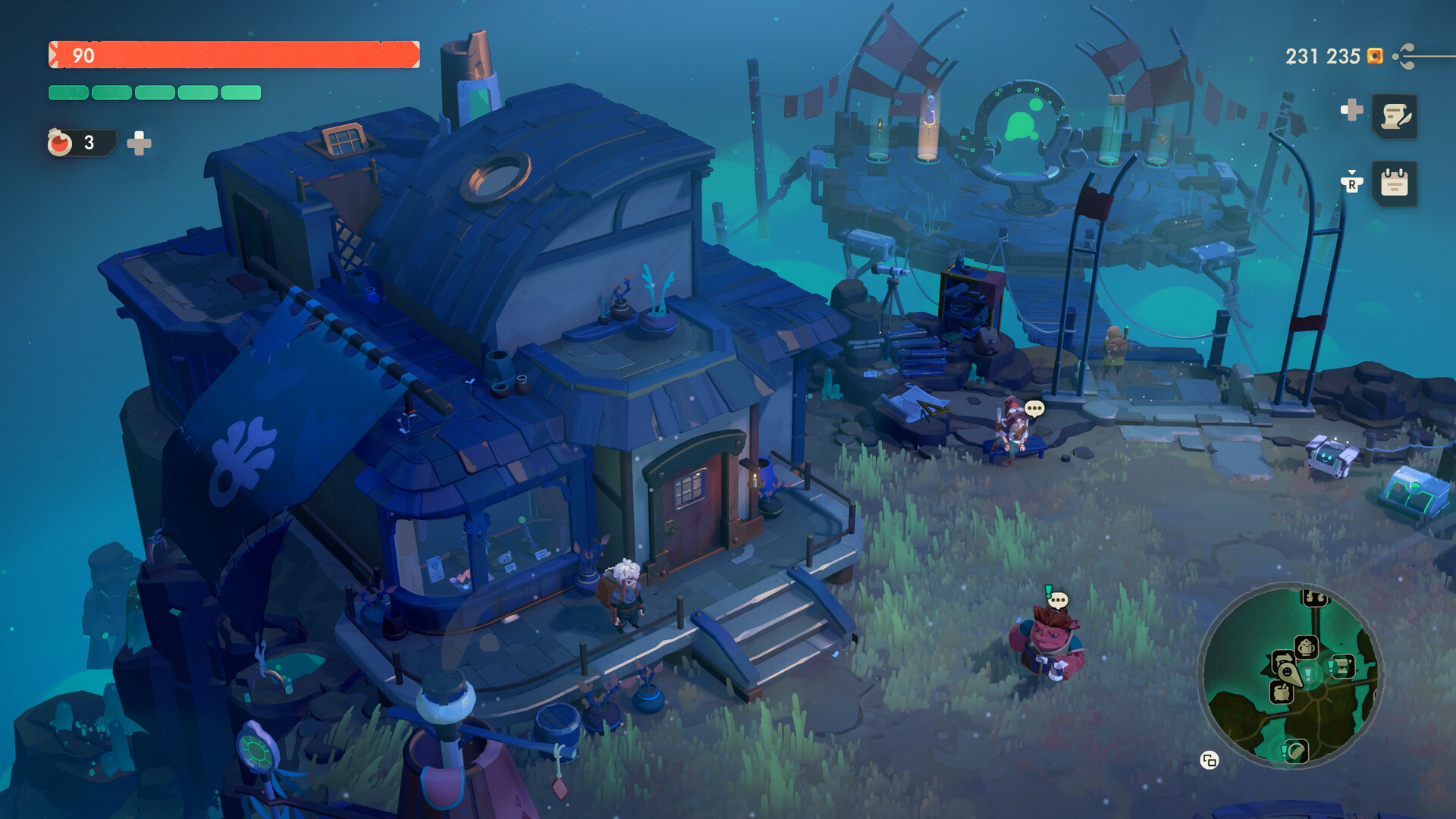
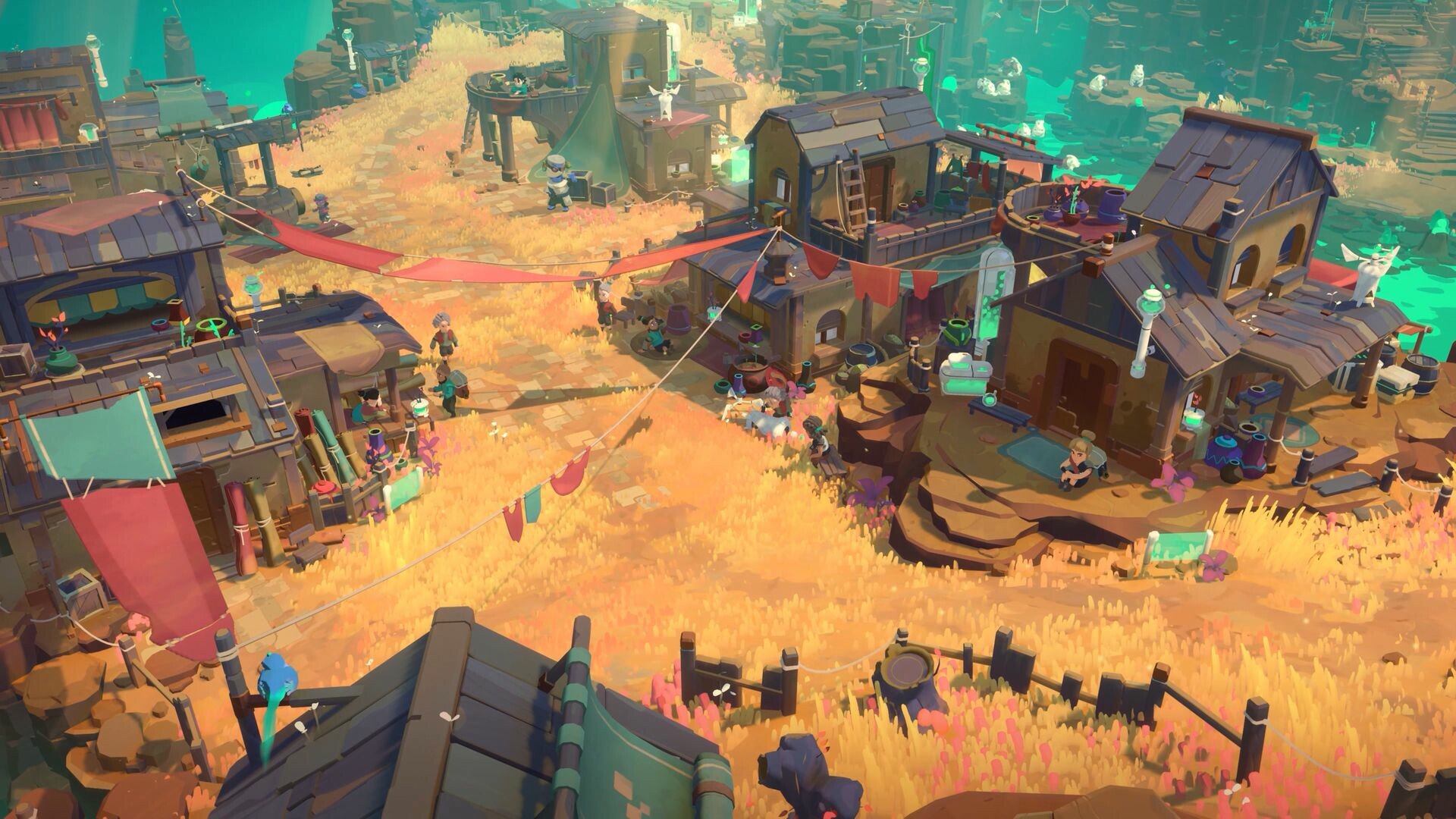
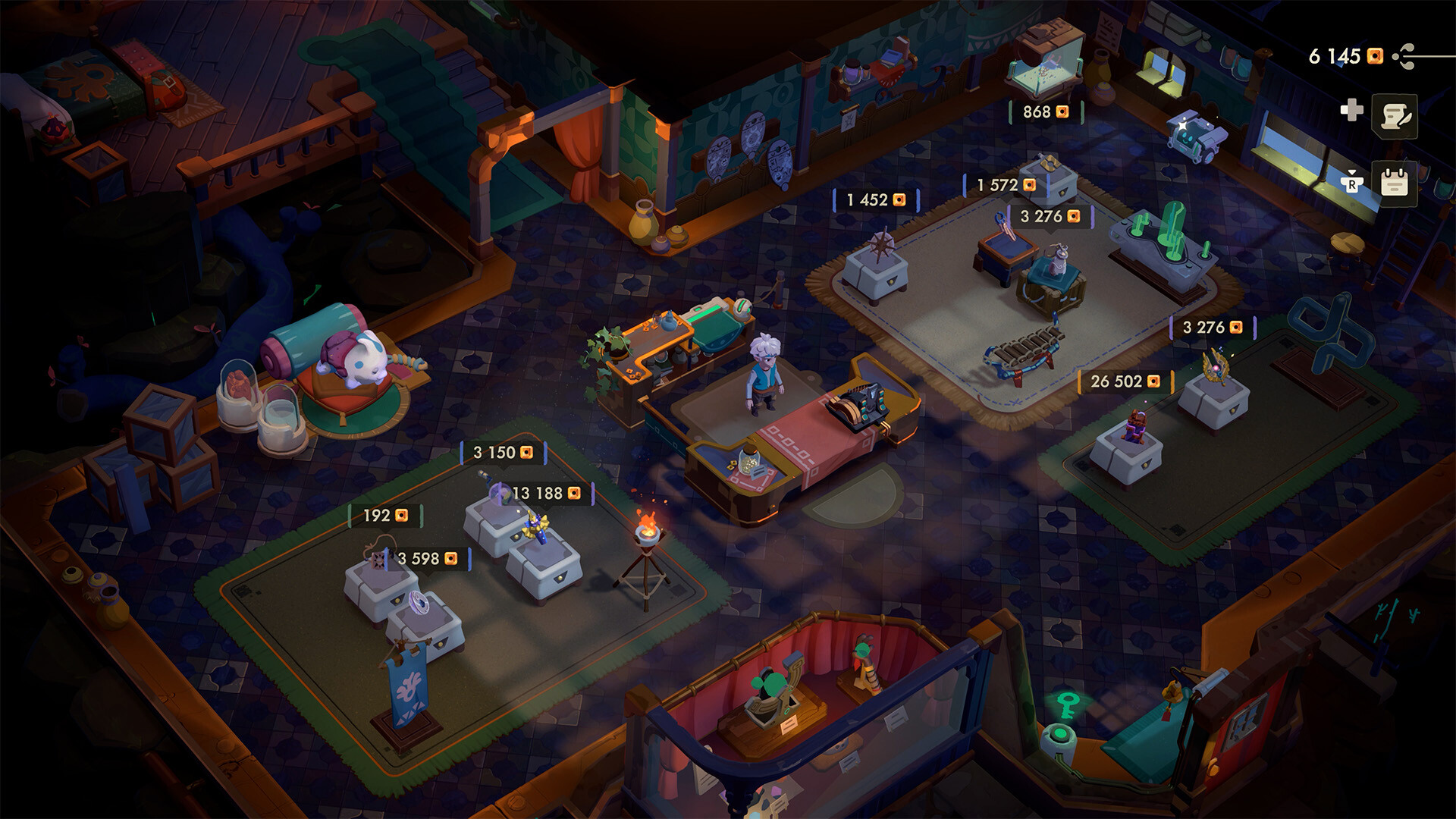
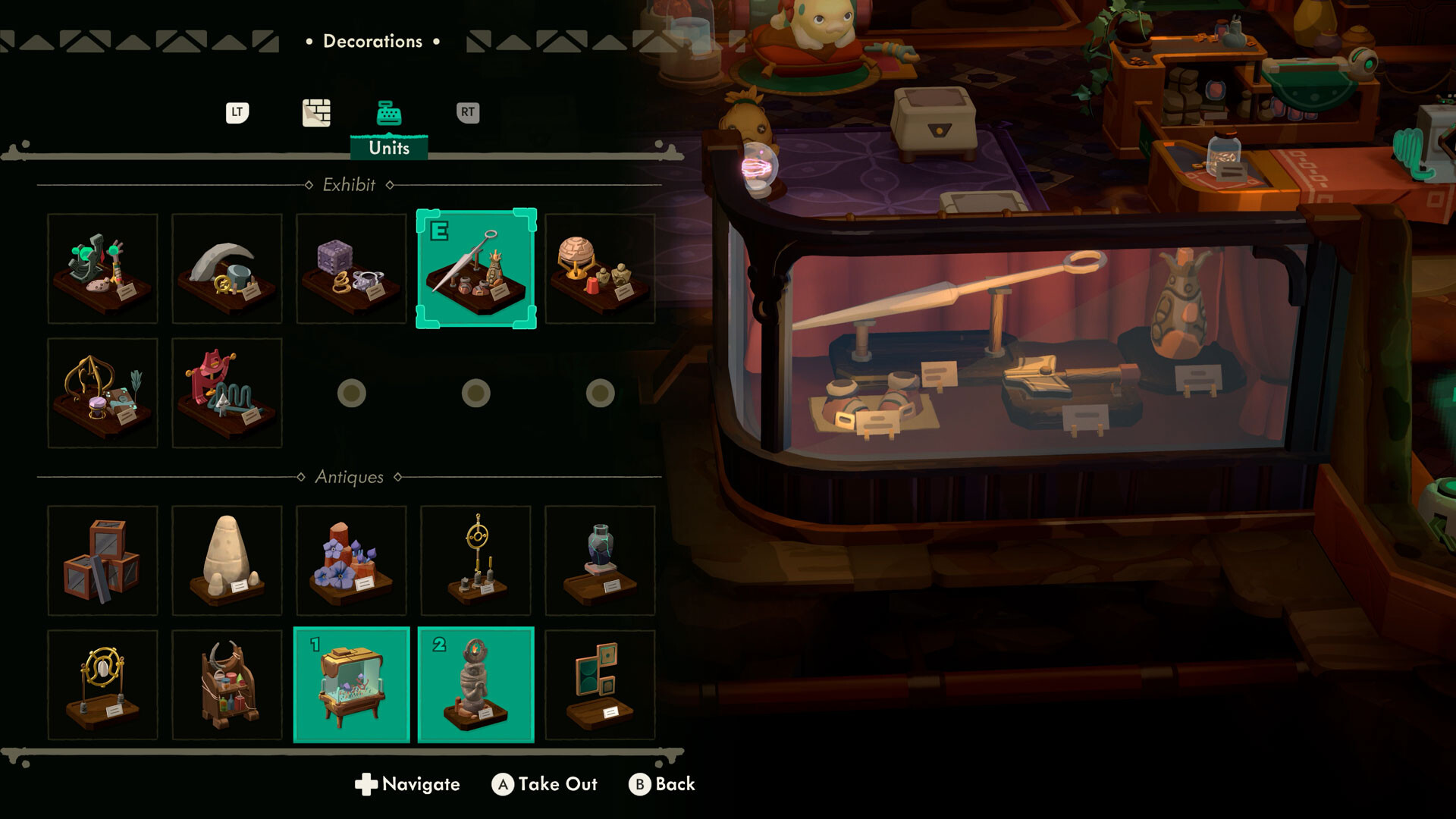
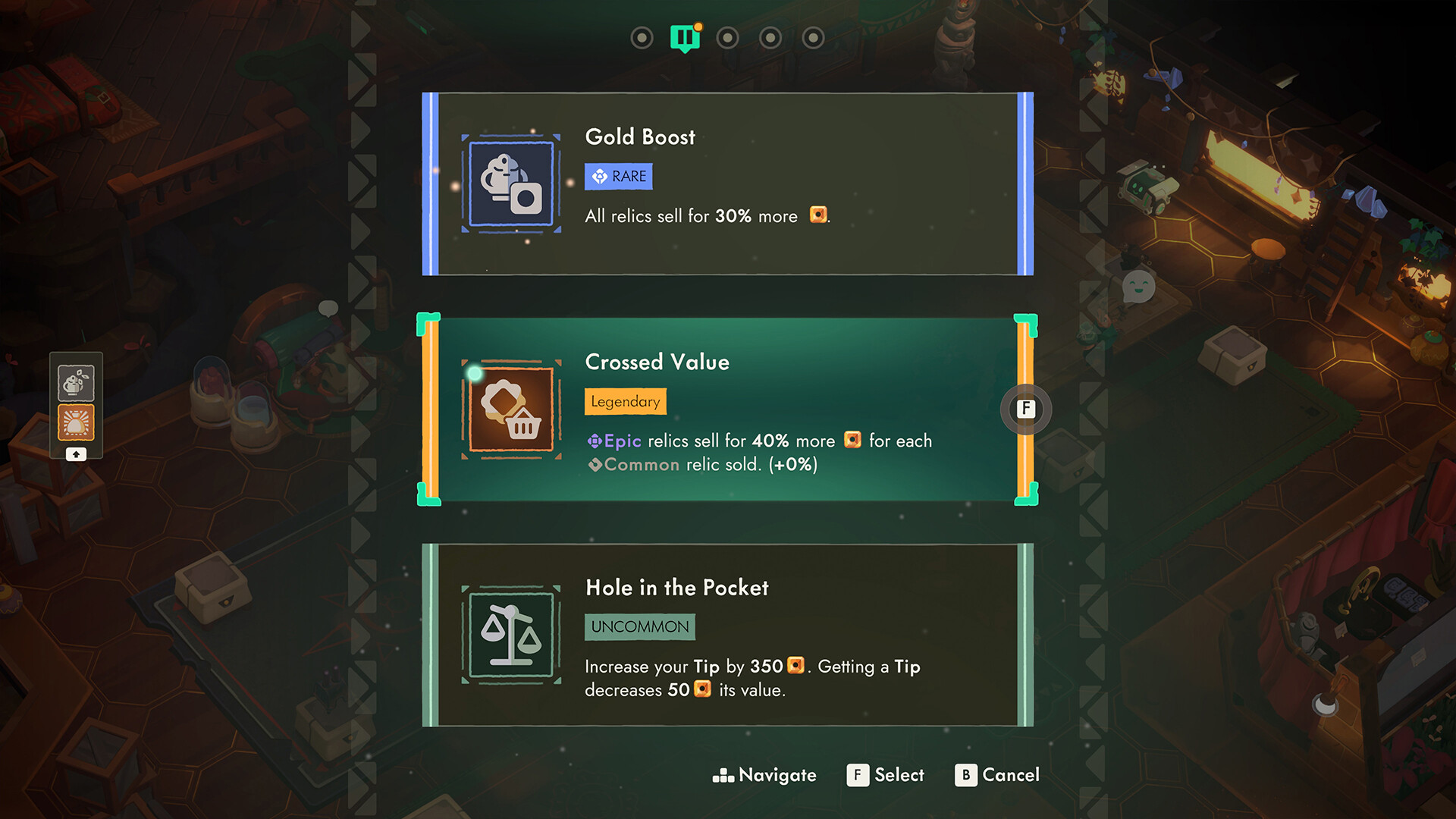
The shop phase now carries its own roguelike layer. You decorate displays, set prices, read customer reactions to find each item's perfect price, and pick from rotating daily perks that buff tips, certain rarities, or furniture bonuses. Gold flows back into a sprawling town upgrade tree covering weapons, armor, potions, backpack slots, and the mysterious Endless Vault itself.
Because you can teleport home mid-run, every expedition becomes a risk-versus-reward gamble: push deeper for better relics, or bank what you have before a death halves its value. That tension, layered on top of the shop's haggling, is what kept several reviewers playing well past twenty hours during the early access window.
What early players are seeing
What is landing
- Multiple long-time fans of the original call Moonlighter 2 a clear improvement on every front, praising smoother combat, deeper dungeon design, and a shop system that finally feels rewarding instead of repetitive. The shift to 3D is widely described as keeping the series identity intact rather than losing it, with a cute, cohesive art style that several reviewers explicitly defend against negative criticism.
- Reviewers consistently single out the backpack chain-reaction system as the most addictive part of the loop, comparing the satisfaction of stacking relic multipliers to Balatro and Backpack Battles. One player noted they enjoyed storing common items, waiting for a rare piece, and triggering huge value spikes far more than the inventory juggling in comparable roguelites.
- Players who bounced off Moonlighter 1's janky 2D combat report that the sequel's responsive dodge-rolls, distinct weapon classes, and enemy telegraphs finally click. Several reviewers came in expecting a Hades clone and left impressed that the game's identity comes from its shop-and-backpack loop rather than its combat ancestry.
- Fans who followed Digital Sun since 2018 highlight the team's track record as a reason for early-access confidence, and the launch build is described as already polished and playable. Several reviewers mention being hooked within the first hour, while longer sessions regularly stretch into the dozens of hours thanks to the constantly expanding skill trees.
What still needs watching
- Multiple Steam Deck owners report noticeable lag, slow loading, and occasional forced restarts, which is worth weighing carefully even though the page is officially Verified. Reviewers note that running at 720p on lower settings helps, but the optimization is not yet smooth out of the box on Deck.
- Some players feel the sequel is more casual than the original, describing simpler combat, lighter punishment, and easier relic economy once you unlock a few upgrades. If your main draw to Moonlighter 1 was its punishing mastery arc, this softer tuning may disappoint, and the listing currently exposes no built-in harder difficulty toggle for that crowd.
Is Moonlighter 2: The Endless Vault worth buying now?
Current decision
Worth tryingThe strongest supported case is the unique two-stage loop: tight 3D roguelite combat that feeds a genuinely novel backpack puzzle, which in turn feeds a shop phase that has itself become a roguelike mini-game. That hook is reinforced across many positive reviews and the official description, and Digital Sun's history plus the Verified Deck status reduce basic buying risk. The caveats are real but narrow, mainly Deck optimization that several players confirm is playable with settings tweaks, and a softer difficulty curve that some longtime fans find less demanding than the first game. None of those flaws undercut the central appeal enough to avoid a try, and the launch feature set (achievements, cloud saves, controller, ten fully localized languages) is broad for the asking price.
Who this is for
A good fit if you…
- Fans of the original Moonlighter who want the shop-and-dungeon loop expanded with a 3D coat of paint and deeper systems
- Roguelite players who enjoy Hades-style room branching but want a fresh spin through backpack tetris and merchant haggling
- Backpack Battles and Balatro fans looking for another satisfying number-stacking puzzle wrapped around real-time combat
- Cozy simulation players who like decorating a shop, setting prices, and watching customers react to your choices between action runs
- Single-player action-RPG players on Steam Deck or PC who want a polished Verified launch with controller support and a substantial first playthrough
Wait if you…
- You primarily play on Steam Deck and cannot tolerate the current lag and load-time complaints until optimization patches land
- You strongly prefer punishing, high-skill roguelikes and worry that the softer balance here will remove the mastery arc you loved in the first game
- You want a finished, content-complete experience and would rather wait for the 1.0 launch than play through early access with the full biome roster still arriving
- Multiplayer is a deal-breaker, since this is a strictly single-player Windows release with no co-op or online mode
If Moonlighter 2: The Endless Vault is not quite your game

SIMILAR OPTION
Risk of Rain 2
Choose it ifPick Moonlighter 2 if the shopkeeping and backpack puzzle hook you as much as combat; pick Risk of Rain 2 if you specifically want chaotic co-op runs with shooter-style builds
How it comparesRoguelite action combat with Hades-style room selection, enemy telegraphs, and dodge-roll defense that define the moment-to-moment dungeon play Risk of Rain 2 is a third-person shooter with multiple characters, heavy online co-op focus, and a pure loot-and-survive loop without any merchant or shop phase
SIMILAR OPTION
Project Zomboid
Choose it ifPick Moonlighter 2 for a focused, story-shaped roguelite loop with light management; pick Project Zomboid if you want emergent survival storytelling and a massive moddable sandbox
How it comparesLong-runtime single-player progression with crafting, base building, and a strong survival-RPG identity that rewards careful resource management Project Zomboid is an open-world isometric zombie survival sandbox with deep simulation, modding, and optional multiplayer, whereas Moonlighter 2 is a curated, hand-crafted action-RPG with no survival pressure outside its dungeons

SIMILAR OPTION · 20% OFF
RimWorld
Choose it ifPick Moonlighter 2 if you want direct, hands-on dungeon runs feeding a cozy shop; pick RimWorld if you prefer indirect management of colonists and emergent narrative
How it comparesSingle-player management and progression depth where long-term colony or town building is driven by layered systems and emergent stories RimWorld is a colony sim with an AI storyteller, deep social simulation, and no real-time action, while Moonlighter 2 is an action roguelite with a personal shop rather than a sprawling base
Share this article