NEW ON STEAM
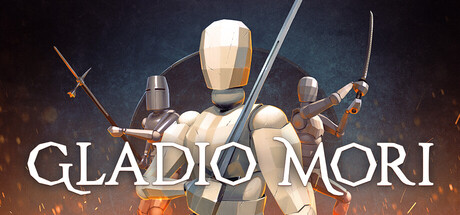
Gladio Mori




At a glance
Gladio Mori game facts
Steam store information checked 2026-09-26。- Studio
- Plebeian Studio Published by Bonus Stage Publishing
- Release
- Sep 16, 2026 Released
- Official genres
- Action · Indie · Simulation · Strategy · Free To Play
- Play mode
- Single-player · Multiplayer
- Desktop platforms
- Windows
- Steam Deck
- Playable The default controller layout may need manual adjustment.
- Controller
- Partial support
- Steam features
- Cloud · Family Sharing
- Languages
- 12 listed languages English, French, Italian, German
What that means for your setupGladio Mori is developed by Plebeian Studio and published by Bonus Stage Publishing, released on September 16, 2026. It is tagged Action, Indie, Simulation, Strategy and Free To Play, supports single-player and multiplayer modes, and is currently listed for Windows only on Steam. The store lists Deck status as Playable, with a note that the default controller layout may need manual adjustment, and Steam controller support is marked Partial, so keyboard and mouse is the smoothest way in for most players. Cloud saves and Family Sharing are both enabled. The supported interface languages are English, French, Italian, German, Spanish (Spain), Finnish, Japanese, Korean, Polish, Portuguese (Brazil), Russian and Simplified Chinese, which is a notably wide localization footprint for a small indie release. The base package ships with 34 weapons, three shields, 17 armour pieces, a pose-by-pose move editor, an in-game skin painter, a downloadable PC skin template, an in-game mod gallery, online play for up to four players, cross-play with PS5 and Xbox Series X|S, replay tools with a free camera, and a solo campaign that doubles as a tutorial. The current Steam page price is $15.99 USD with no active discount, and the overall review score sits at 85 from 867 user reviews.
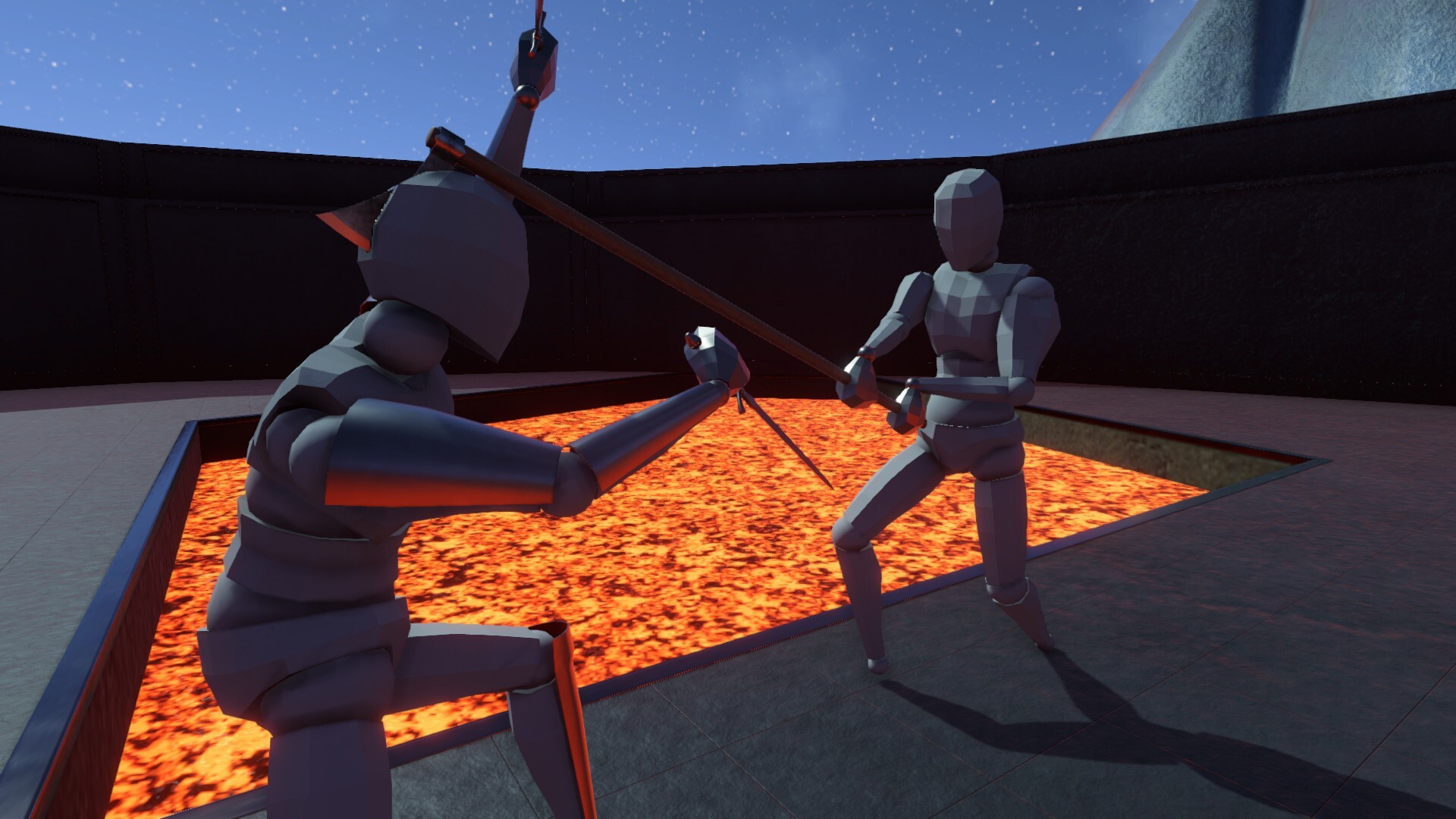
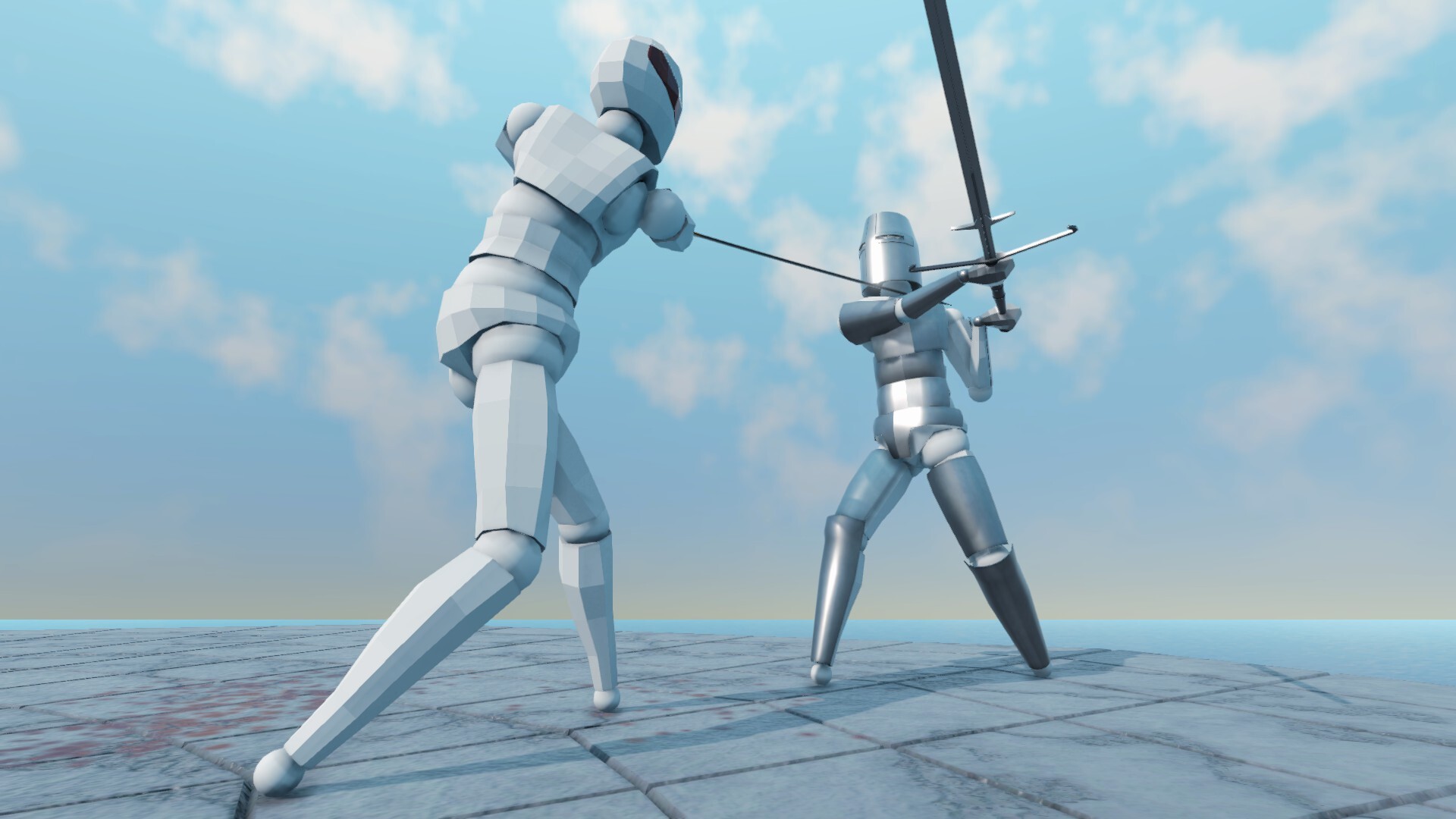
What sets Gladio Mori apart from any other fighter on Steam is that it simply has no health bars: every swing targets arteries, muscles, bones or organs, and the angle of your blade decides whether a strike lands as a nick or a clean sever. Built by Plebeian Studio and published by Bonus Stage Publishing, the game dares you to pose-by-pose construct your own moveset, paint a fighter you can actually upload through mod.io, and then test both against friends online with full cross-play between Steam, PlayStation 5 and Xbox Series X|S. Reading player reactions, it is hard not to notice how often people describe spending whole evenings laughing until they cried while experimenting with community weapons and skins, which speaks to a creative sandbox feel rather than a polished tournament experience.
What the game actually feels like
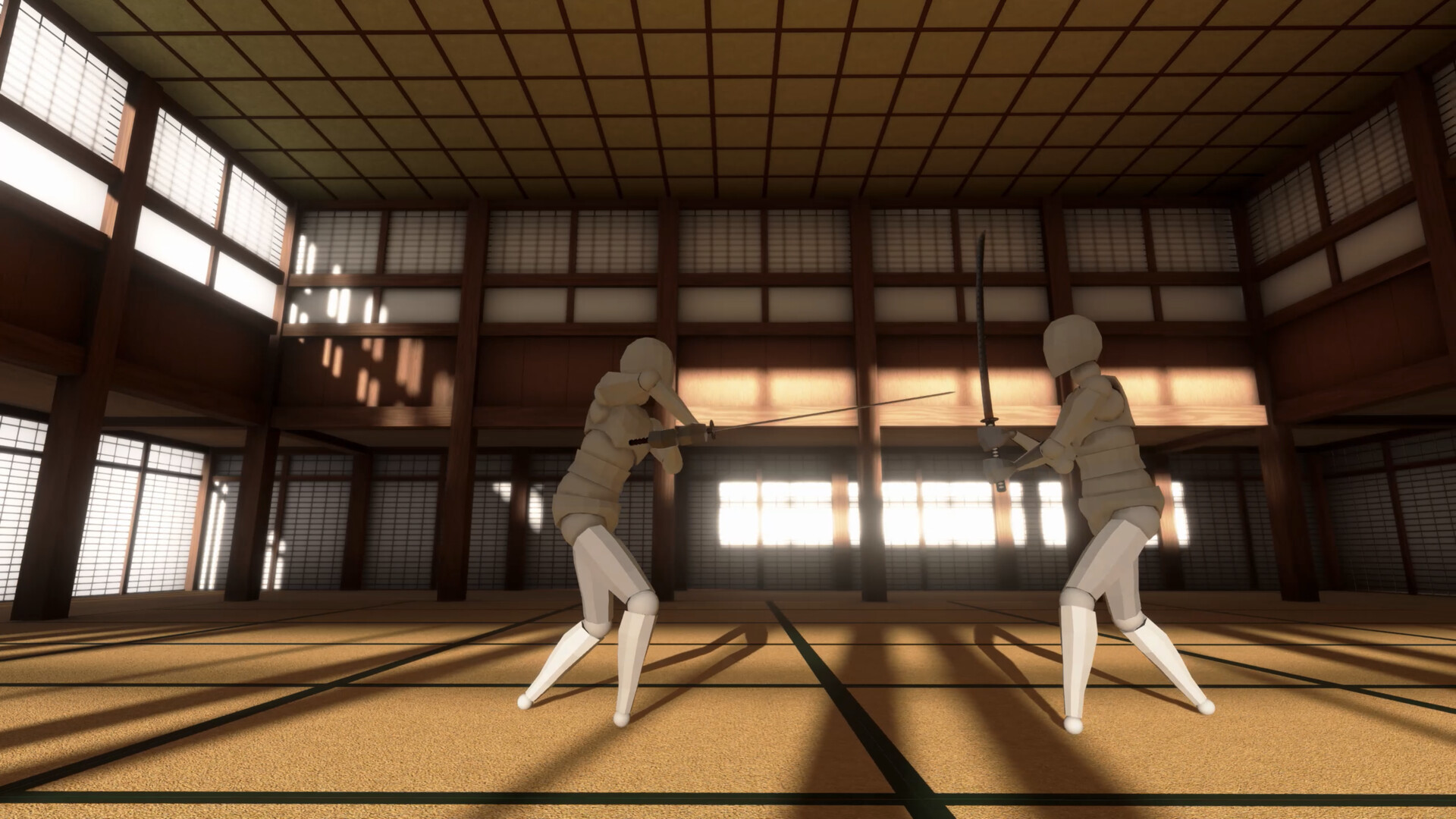
Every fight is driven by where your blade actually lands rather than a hidden hit point pool, so a clean thrust to the throat can end the match instantly while a glancing slash leaves your opponent wobbling but alive. Damage to a muscle saps strength in that limb, severed arteries cause bleeding out, pierced vitals mean instant death and hands, arms or legs can all be cut off, with the dropped weapon or fallen shield staying on the arena floor as a tempting pickup.
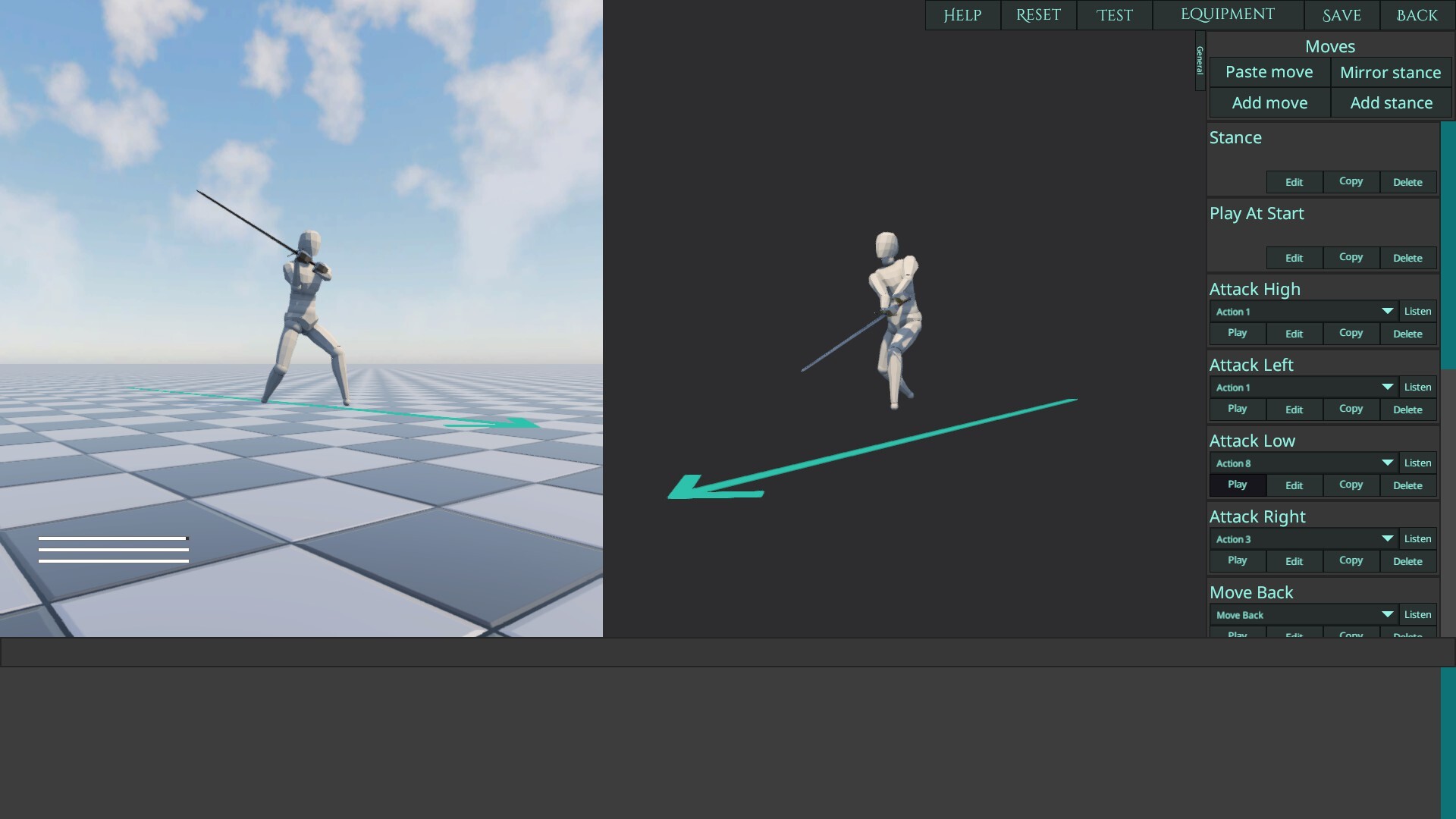
You build attacks one pose at a time by setting stance, limb placement and timing, then chain those poses into a full moveset you take directly into combat, which turns every fighter into a custom creation rather than a preset character. A community gallery lets you grab a ready-made moveset or cherry-pick individual moves to remix your own style, and the move editor works in slow motion by default because real-time animations are brutally fast for newcomers.
Painting and drawing directly on your fighter in-game gives every gladiator a personal look, and on PC you can also download the skin template and edit it in any image editor before sharing through mod.io. Combine custom skins, custom movesets and 34 base weapons with three shields and 17 armour pieces, and the sandbox side of the package feels closer to a fighting game construction kit than a standard roster release.
Online play supports up to four fighters with cross-play across Steam, PlayStation 5 and Xbox Series X|S, and the solo campaign plus tutorial exist specifically so you can learn the damage system before facing real people. Replay tools with a free camera and timeline scrubbing let you save your best dismemberments, slow them down and show friends exactly how you removed an arm.
What early players are seeing
What is landing
- Several reviewers call Gladio Mori the funniest game they have ever played, with one player describing spending entire evenings laughing with a friend thanks to the mods and chaotic physics, which is a striking endorsement for a combat sim rather than a comedy title.
- Multiple players praised the physics-based combat itself, calling the game fun, well thought out and full of satisfying slicing and dismemberment, and one reviewer with 30 plus hours insisted the demo is representative and the full release is worth buying.
- Fans of customisation highlighted the in-built move editor, custom skins, custom weapons and rewatch function as standout features, with one player singling out the free-camera replay tool as a reason to show off victories to friends.
- Longer-term players pointed out that the game runs comfortably on modest hardware where comparable physics fighters struggle, which matters for anyone whose PC cannot handle heavier Unreal Engine sims and wants the same visceral dismemberment fantasy.
What still needs watching
- Multiplayer culture is the most common complaint, with several reviews describing lobbies that kick players for using non-demo weapons, community skins or simply different loadouts, and one player warning about getting banned for choosing a non-white avatar.
- A few reviewers feel the $15.99 price tag is a little steep for the current content, with one suggesting $8 to $10 would feel fairer, so value-minded buyers may want to wait for a discount or try the demo first.
- Several players described the default control scheme as wonky or unintuitive at first, the move editor as fiddly, and the combat as demanding enough that the game defaults to slow motion because real-time animations are too fast for newcomers, which adds a real learning curve.
Is Gladio Mori worth buying now?
Current decision
Worth tryingThe core fantasy of aiming at arteries, organs and limbs instead of watching a bar deplete is delivered convincingly, the mod and moveset pipeline is unusually deep for the price, and the strongest player praise is genuine and specific, while the main drawbacks around hostile lobbies, a learning curve and a mid-range price are real but workable.
Who this is for
A good fit if you…
- Players who want a physics-driven melee sandbox where anatomy matters more than combos.
- Friends or small groups looking for a chaotic cross-play party fighter with modding and custom skins.
- Creative tinkerers who enjoy building pose-by-pose movesets, painting their own gladiator and sharing creations through mod.io.
- Solo players happy to learn the system against AI in the campaign before risking online lobbies.
- Anyone who bounced off Half Sword's mouse-driven control scheme and prefers pre-animated keyboard inputs with full physics.
Wait if you…
- You mainly plan to play online randoms, since multiple reviews warn about kick-happy lobbies and inconsistent moderation.
- You want a deep single-player story, because several players note the campaign is more of a tutorial than a narrative arc.
- You are sensitive to a steep early learning curve, since the game defaults to slow motion and the move editor is described as fiddly.
- Budget is tight and you would prefer to grab it at $8 to $10 rather than the current $15.99 USD price.
If Gladio Mori is not quite your game
SIMILAR OPTION
Dead by Daylight
Choose it ifChoose Gladio Mori for short, creative, mod-friendly gladiator bouts with friends, and choose Dead by Daylight if you want long asymmetric matches, ranked progression and an established competitive ladder.
How it comparesAsymmetric multiplayer community vibe Gladio Mori is a physics-based 1v1 or small-group arena fighter where every hit dismembers a body, while Dead by Daylight is a 4v1 chase horror game with role-based abilities and a much longer live-service roadmap.
SIMILAR OPTION
DayZ
Choose it ifPick Gladio Mori if your idea of a tense online sandbox is a custom-moveset duel that can end with an arm on the floor, and pick DayZ if you want long sessions of scavenging, base-building and squad survival in an open world.
How it comparesHarsh, unforgiving online sandbox Gladio Mori focuses on close-quarters gladiator duels with anatomy-driven damage and custom content, whereas DayZ is a large-scale persistent post-apocalyptic survival sim with resource scarcity and permadeath.
Share this article