NEW ON STEAM
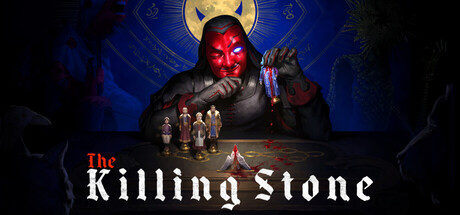
The Killing Stone


At a glance
The Killing Stone game facts
Steam store information checked 2026-10-21。- Studio
- Question Published by Question
- Release
- Oct 21, 2026 Released
- Official genres
- Casual · Indie · Strategy
- Play mode
- Single-player
- Native online multiplayer
- Not listed by Steam
- Local multiplayer
- Not listed by Steam
- Shared/split screen
- Not listed by Steam
- Desktop platforms
- Windows
- Steam Deck
- Verified Verified for Steam Deck
- Controller
- Full support
- Steam features
- Achievements · Cloud · Family Sharing
- Languages
- 5 listed languages English, French, German, Simplified Chinese
| Language | Interface | Full audio | Subtitles |
|---|---|---|---|
| English | Supported | Supported | Supported |
| French | Supported | Not listed | Supported |
| German | Supported | Not listed | Supported |
| Simplified Chinese | Supported | Not listed | Supported |
| Spanish - Latin America | Supported | Not listed | Supported |
What that means for your setupQuestion develops and publishes The Killing Stone, following its earlier projects The Blackout Club and The Magic Circle. The listed release is October 21, 2026, and the product is marked Released on Windows as a single-player Casual, Indie, and Strategy title. It is Verified for Steam Deck and has full controller support, while the recorded language support is more limited than the interface list alone suggests: English includes full audio and subtitles, whereas French, German, Simplified Chinese, and Latin American Spanish include localized interface text and subtitles but not full audio. Achievements, Cloud, and Family Sharing are listed. There is no multiplayer mode in the supplied platform data, so this is a solo Windows purchase rather than a co-op or PvP option.
The strongest appeal is the fusion of readable card tactics with a first-person occult mystery: place creatures, cast spells, stage reserves, and negotiate limited-round bargains that can permanently bless or ruin a family member. For players who enjoy deckbuilding as a deliberate, repeatable puzzle, the board makes each choice tactile and strategic; for fans of eerie folklore and branching character stories, exploring the manor supplies a parallel reason to return.
What the game actually feels like
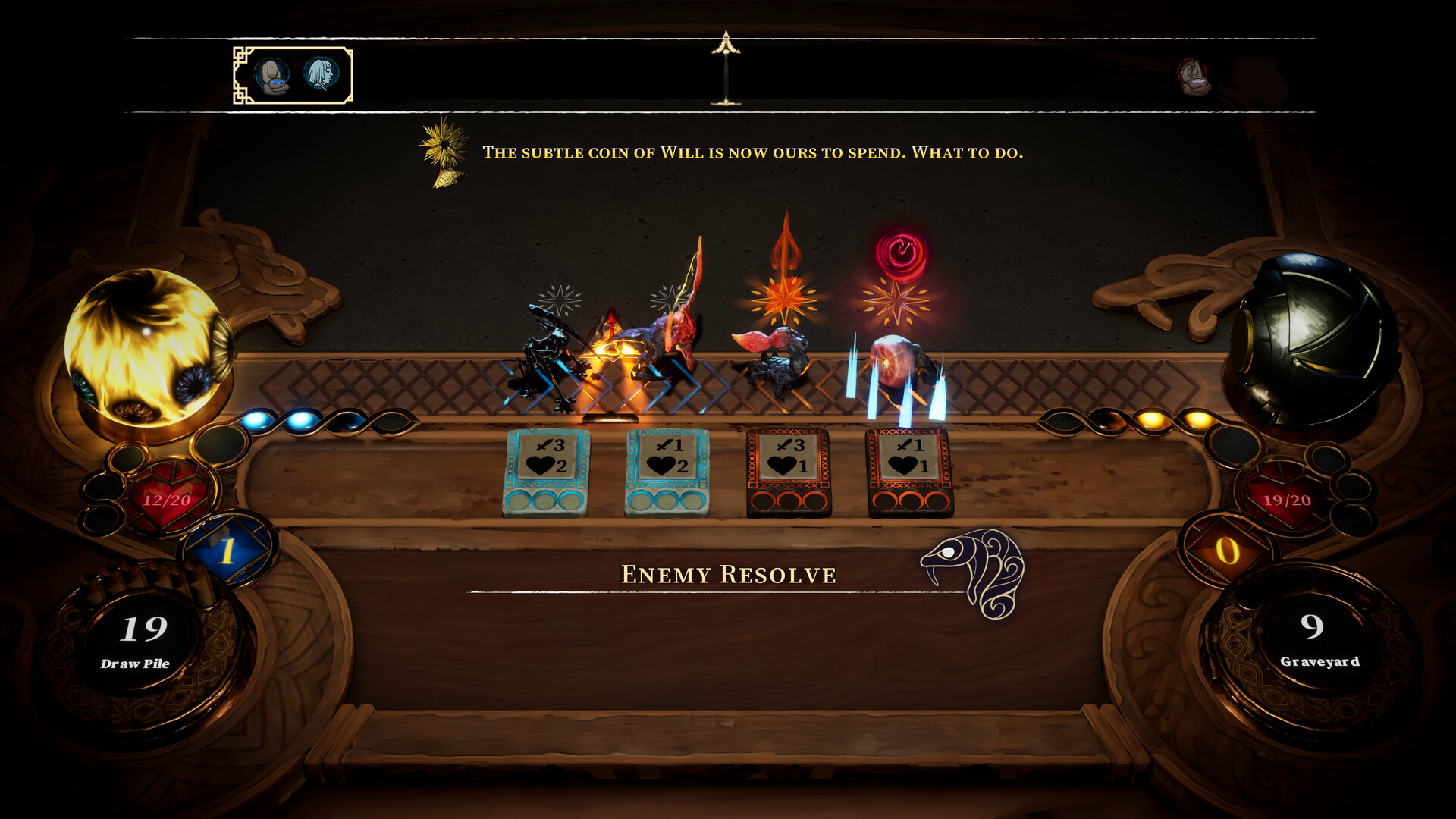
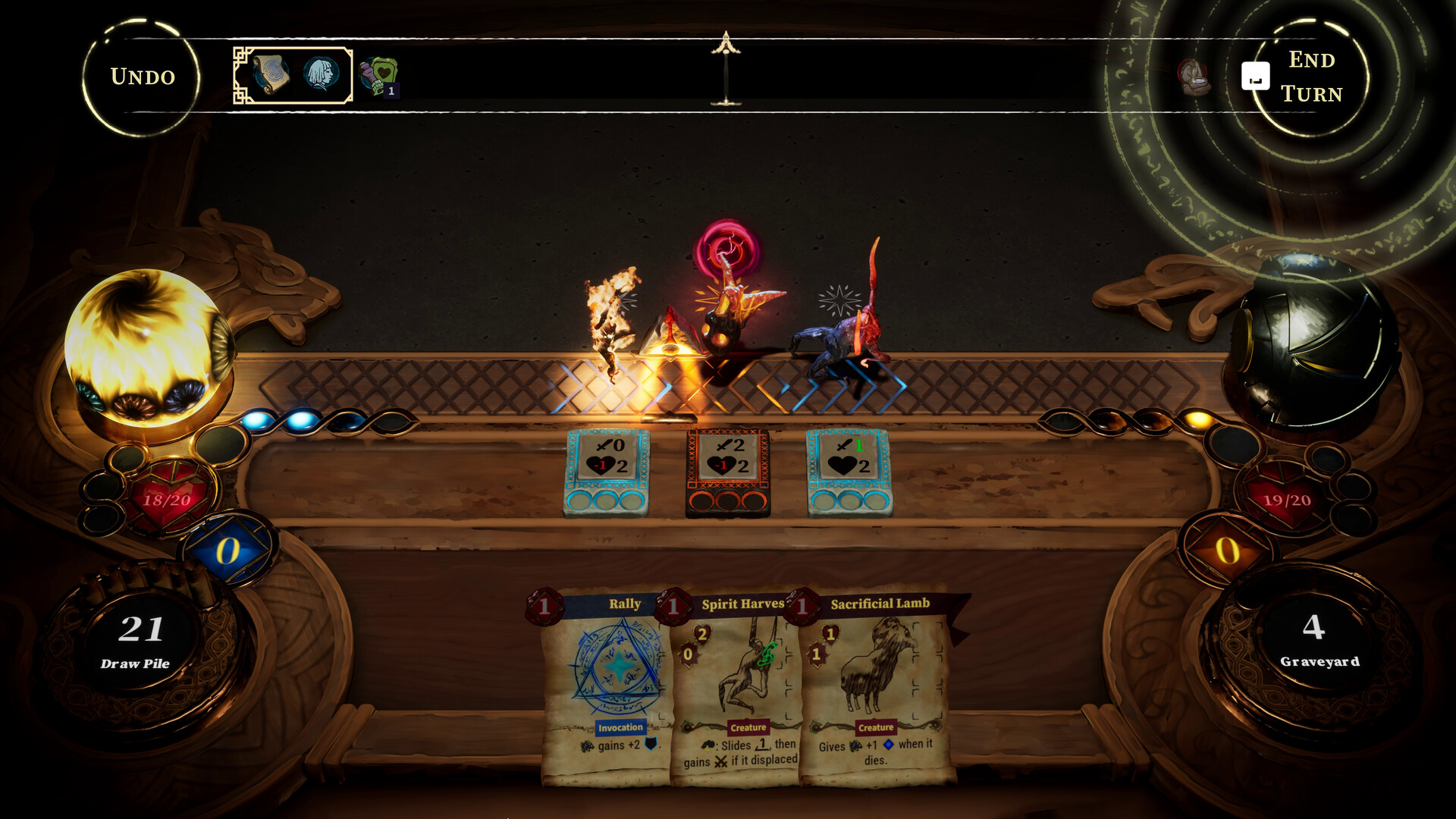
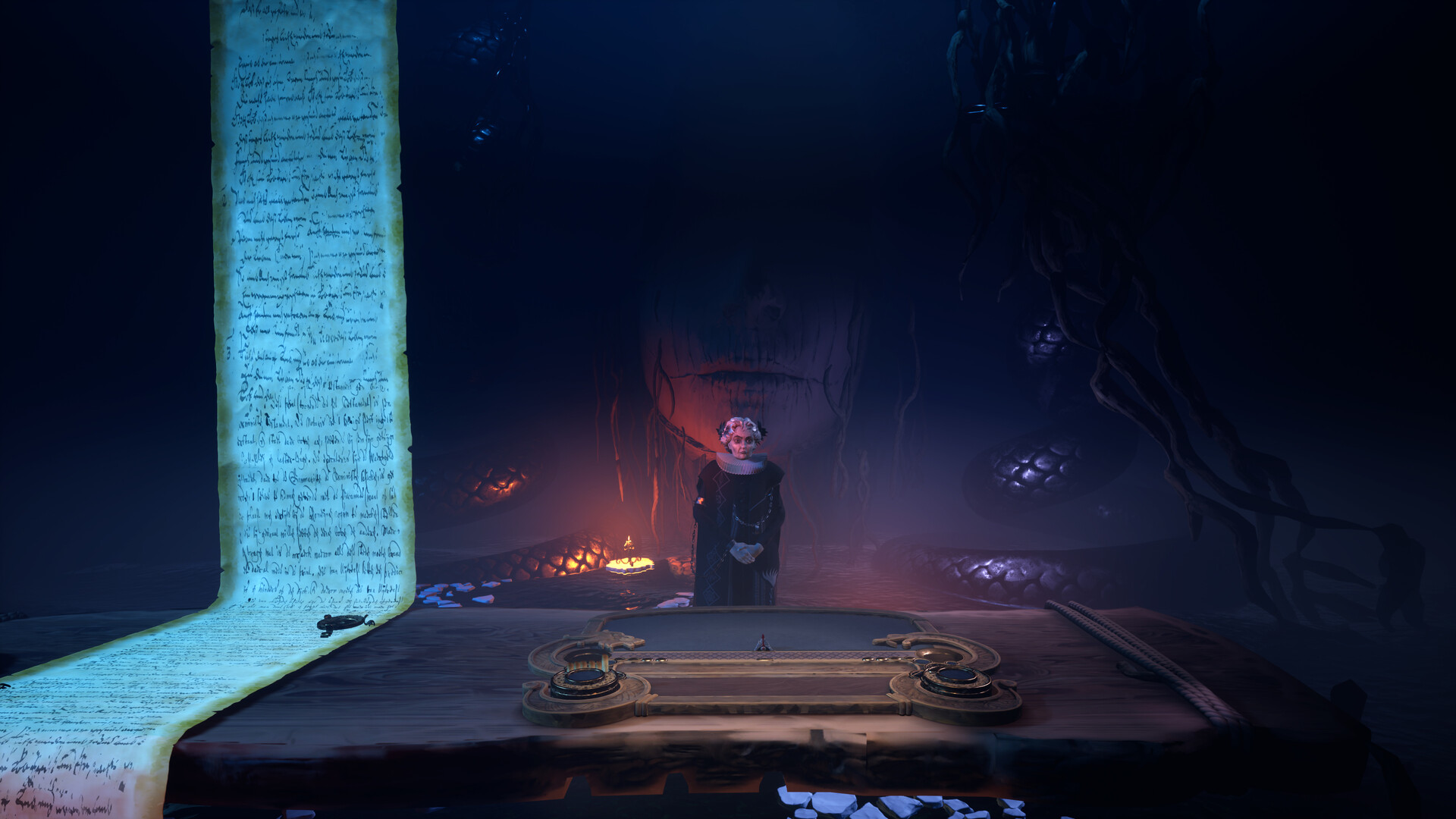
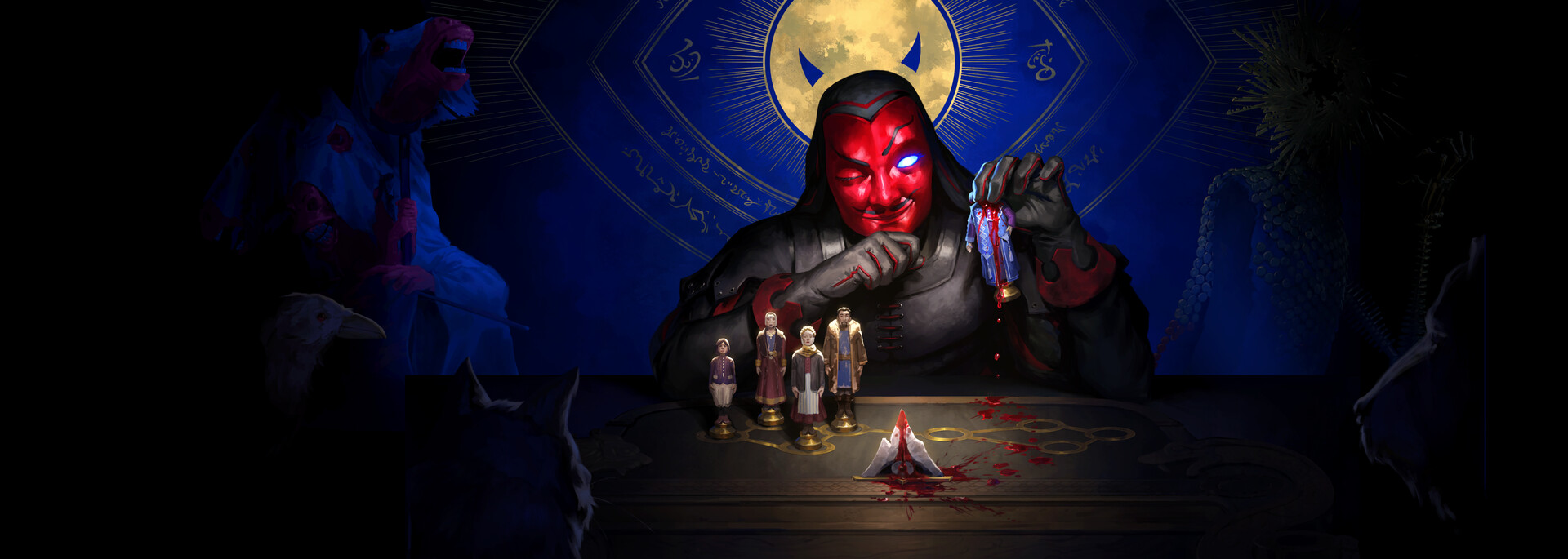
Combat centers on one ceremonial lane, but the Reserve System gives that lane meaningful strategic depth: stack units and strengthened incantations behind the battle line, then decide when to deploy them. Creature placement, spell timing, and careful sequencing all matter, making the animated board more than decorative scenery.
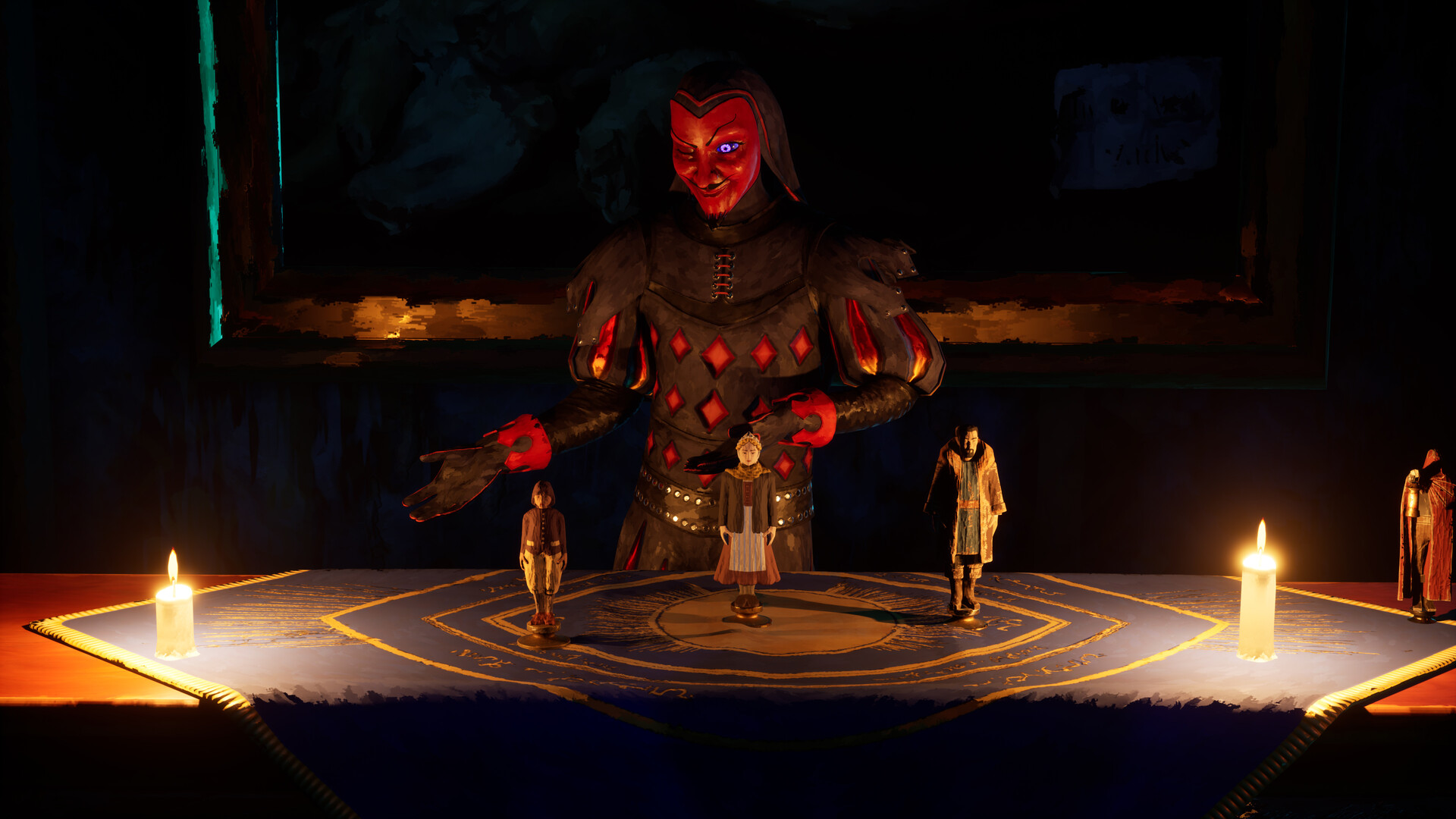
Ritual Contracts add a negotiation layer beyond ordinary card drafting. You receive only a few rounds to answer a demon’s wager, and the result can permanently grant a helpful Boon or inflict a heavy Bane. Because opponents and bargains change, learning their patterns should be more satisfying than memorizing one fixed opening.
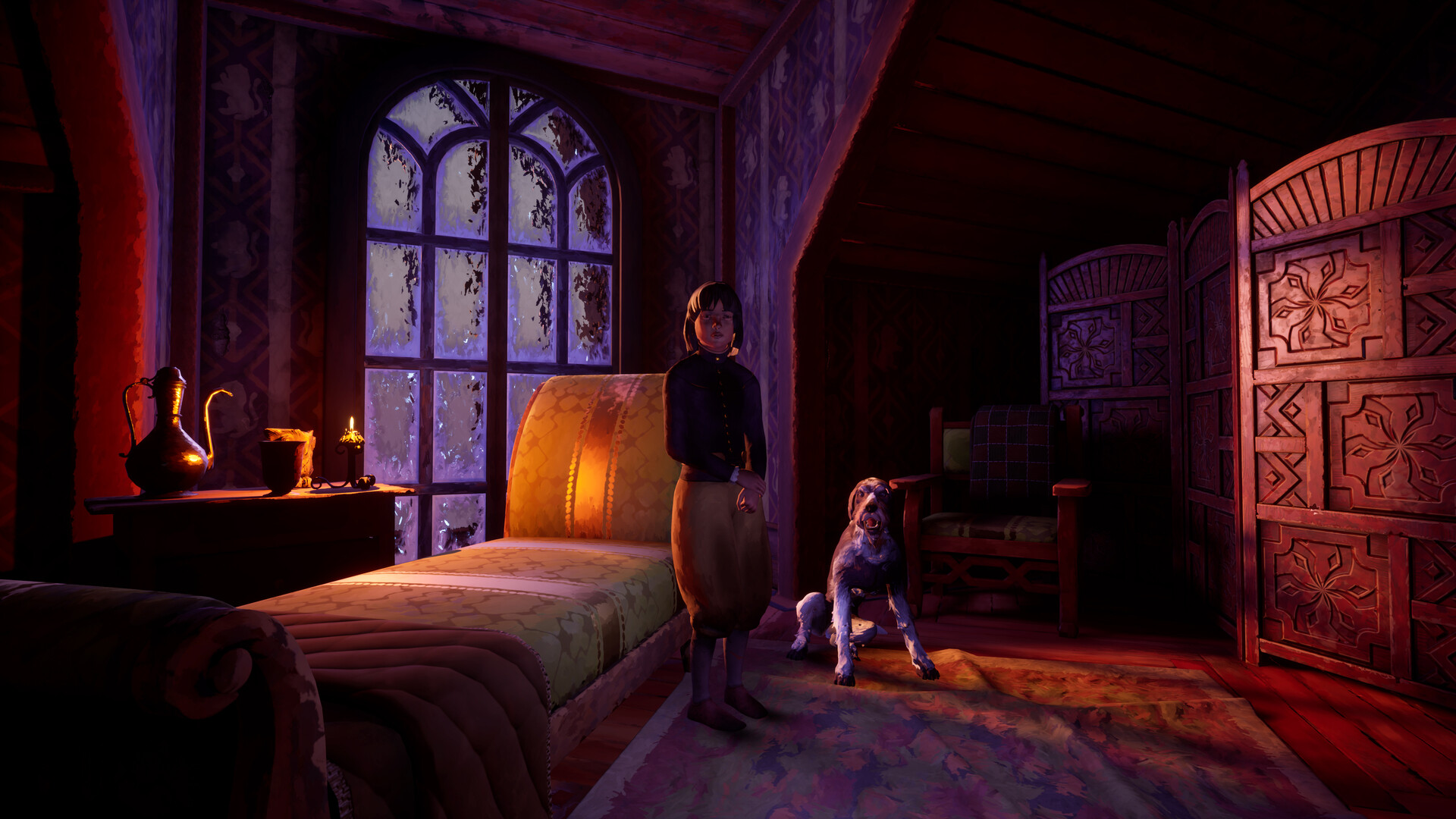
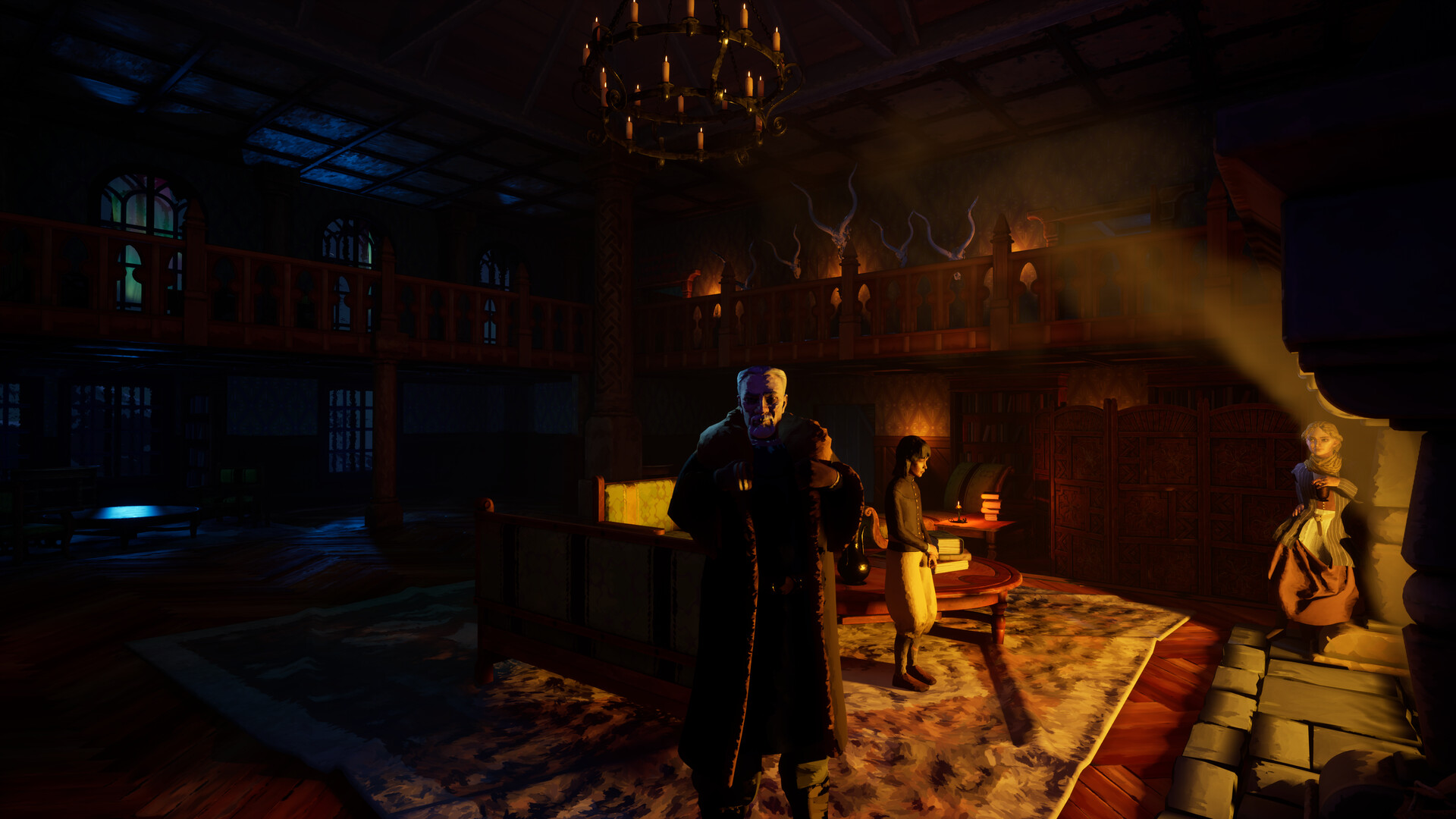
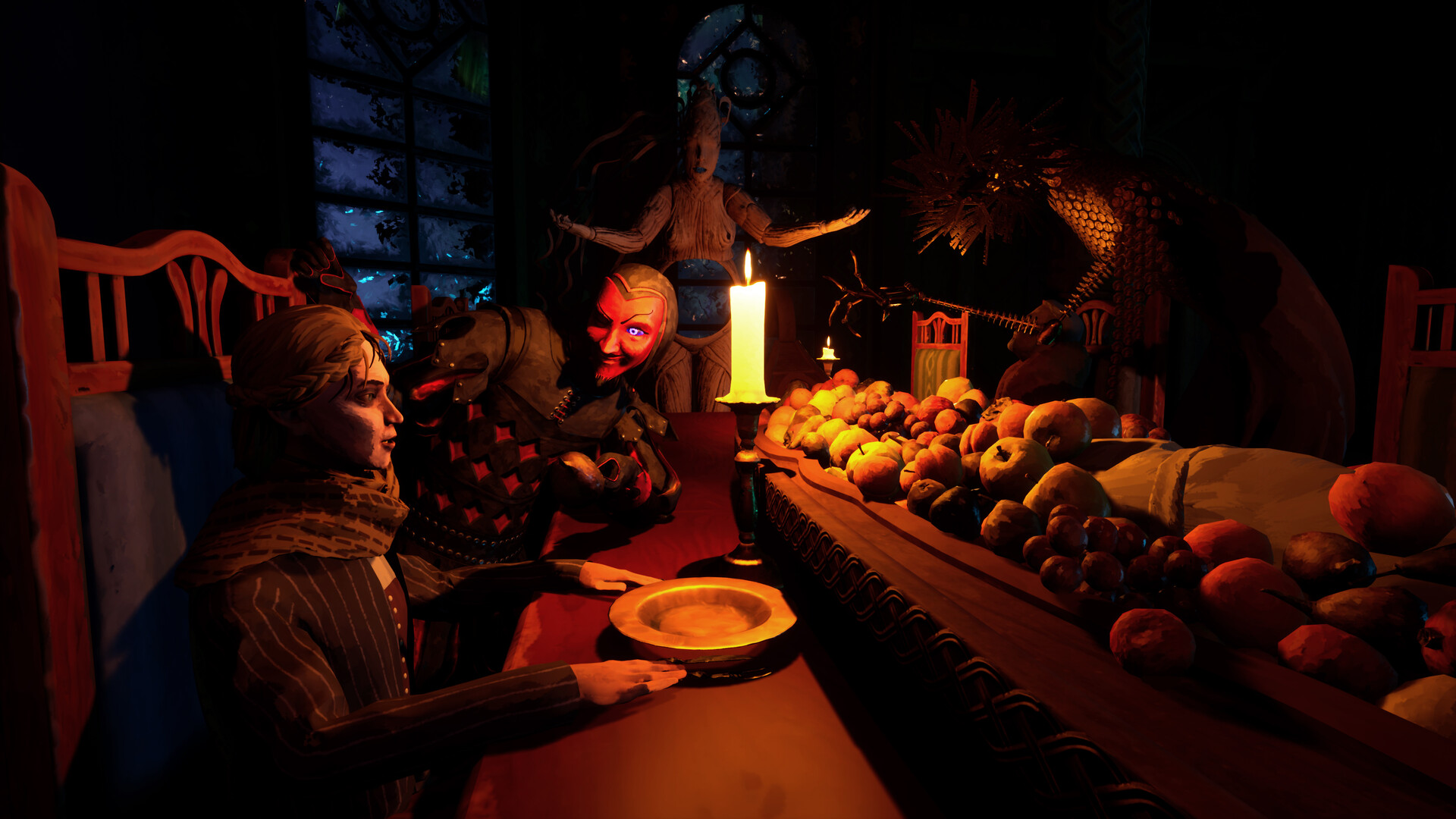
Between matches, a first-person manor investigation reframes the deck as the soul of a cursed family member. Branching conversations, environmental clues, animal familiars, and motives buried in the household create a mystery that early players repeatedly describe as rewarding to investigate beyond the card battles.
The occult-horror presentation is unusually specific rather than generic. It pairs stylized paintings, animated figurines, effects, music, and sound with a remote Arctic-circle setting, and the narrative can be read and heard in modern or 17th-century English when English audio is selected.
What early players are seeing
What is landing
- Across the supplied reviews, the most repeated positive reaction is to the combination of deep, challenging deckbuilding and a game feel that makes learning the systems addictive. Several players describe combat as easy to understand initially but increasingly deep, with opponents using tricks that reward careful observation.
- The writing and voice acting receive especially strong praise. Reviewers repeatedly highlight period English, the option to pair it with modern English subtitles, Liam O’Brien’s performance, carefully chosen dialogue, and atmosphere that makes both sound effects and spoken lines feel ominous.
- Players often single out the manor investigation as more than a menu between runs. Early reviews mention environmental details, historical language, character relationships, and puzzle clues that encourage close attention and make the larger story as compelling as the card game.
- The presentation earns repeated mentions for polish, including appealing art, strong setup, varied combat tricks, and content that one early-access reviewer described as complete. That positive impression is balanced by a report of frame drops in an opening scene, so broad visual polish should not be mistaken for proven smoothness everywhere.
What still needs watching
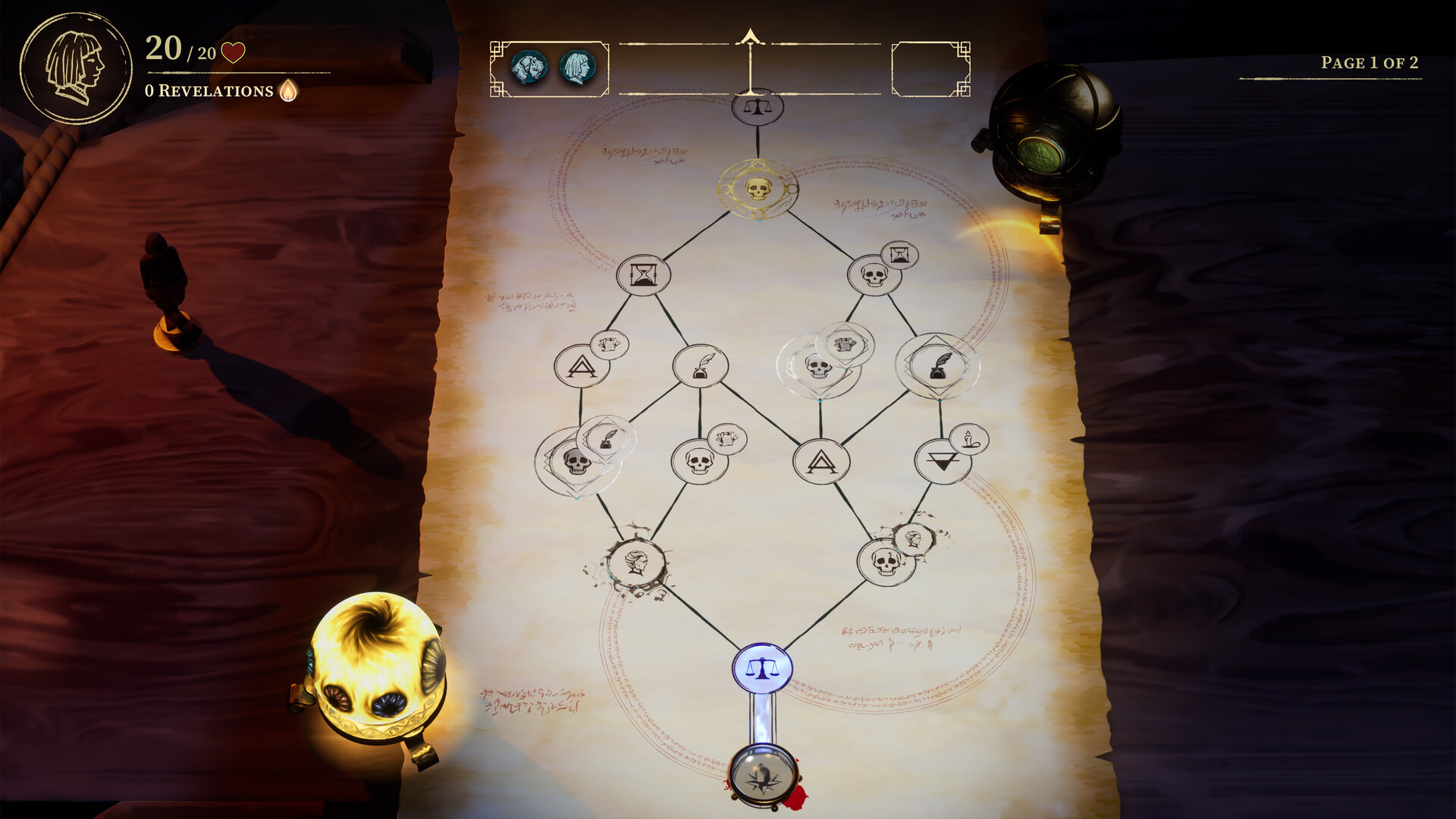
- The bargain system permanently attaches Boons or Banes to family members, and only a limited number of Rituals can alter their fate. Players who dislike irreversible commitments or punishing uncertainty should check their comfort with consequences that can carry across the campaign.
- English is the only listed language with full audio. French, German, Simplified Chinese, and Latin American Spanish have localized interfaces and subtitles, but not full audio, which matters if voice acting is a deciding factor.
- All listed reviews were written during early access and the evidence snapshot contains 89 reviews with a 96 score, so the enthusiastic response is encouraging but based on a comparatively small early player pool rather than a broad long-term record.
Is The Killing Stone worth buying now?
Current decision
Worth tryingThe supported package has a clear identity: a polished-looking, tactical single-lane deckbuilder enriched by limited-round demon bargains, a fresh reserve layer, and a first-person folk-horror mystery. The repeated early praise for mechanics depth, atmosphere, writing, and voice acting supports taking a chance on it, while the irreversible campaign consequences, limited non-English audio, single-player format, and still-limited review history remain important checks rather than hidden details.
Who this is for
A good fit if you…
- Players who enjoy deckbuilders built around sequencing creatures, spells, buffs, and positional decisions rather than a purely random draw puzzle.
- Readers of dark folklore who will appreciate occult contracts, a cursed family mystery, branching dialogue, and optional 17th-century English alongside modern English text.
- Steam Deck or Windows owners who want a verified, controller-supported solo strategy game with both card combat and between-match narrative investigation.
- Players who can accept challenging opponents, campaign consequences, and several runs in search of altered bargains, new dark miracles, and different endings.
Wait if you…
- Wait if permanent Boons or Banes and limited campaign-changing Rituals sound too consequential for the kind of deckbuilder you enjoy.
- Wait if full voice acting in French, German, Simplified Chinese, or Latin American Spanish is essential; those languages list localized text and subtitles, not full audio.
- Wait if you specifically need multiplayer, online co-op, PvP, or local shared-screen play; the supplied data lists single-player only.
- Wait if you want a large, mature body of post-release reviews, since the supplied positive feedback consists of 89 early-access-era reviews.
If The Killing Stone is not quite your game

SIMILAR OPTION
RimWorld
Choose it ifChoose RimWorld for emergent long-running colony drama and deep world simulation; choose The Killing Stone for authored folklore, ritual negotiation, and a smaller handcrafted mystery.
How it comparesBoth turn systemic simulation into stories about people facing difficult choices, but their scale and structure are very different. RimWorld is a sprawling sci-fi colony simulator driven by autonomous characters, ecology, relationships, and crises; The Killing Stone is a compact occult card battler centered on deck construction, tactical placement, bargains, and a bounded family narrative.
SIMILAR OPTION · 20% OFF
Clair Obscur: Expedition 33
Choose it ifChoose Expedition 33 if character progression, larger exploration, and combat-action flexibility matter most; choose The Killing Stone if card drafting and occult bargain decisions are the priority.
How it comparesBoth combine a strong central fantasy with turn-based tactical encounters and an authored narrative. Expedition 33 is a role-playing adventure with party progression, exploration, and real-time actions layered over turn-based combat; The Killing Stone is a single-player deckbuilder whose main encounters use creatures, spells, reserves, and timed contracts rather than a conventional RPG party.
Share this article