NEW ON STEAM
Lootbound




At a glance
Lootbound game facts
Steam store information checked 2026-08-28。- Studio
- ArtDock Published by Dreland Enterprises
- Release
- Aug 14, 2026 Released
- Official genres
- Adventure · Casual · Indie · RPG · Strategy
- Play mode
- Single-player
- Desktop platforms
- Windows · macOS · Linux
- Steam Deck
- Playable Some interface text may be difficult to read on the Deck display.
- Controller
- Full support
- Steam features
- Achievements · Cloud · Family Sharing
- Languages
- 20 listed languages English, Russian, French, Italian
What that means for your setupLootbound is the first roguelite of this kind from indie studio ArtDock, published by Dreland Enterprises. It launched on Steam on August 14, 2026 as a single-player title for Windows, macOS and Linux, with full controller support and a Playable Deck status that only flags some interface text as potentially hard to read on the smaller screen. It carries Steam Achievements, cloud saves and Family Sharing, and the localization list is genuinely broad, covering English, Russian, French, Italian, German, Hungarian, Indonesian, Latin American Spanish, Simplified Chinese, Korean, Malay, Polish, Brazilian Portuguese, Romanian, Thai, Turkish, Ukrainian, Swedish, Japanese and Filipino. None of those facts change what you actually do in the game, but they matter at the moment of purchase because they tell you who can play, where they can play, and whether your library and saves will follow the normal Steam rules. The Steam page also confirms a launch price of $14.99 USD with no current discount, and a new-on-Steam badge that fits its actual release date.
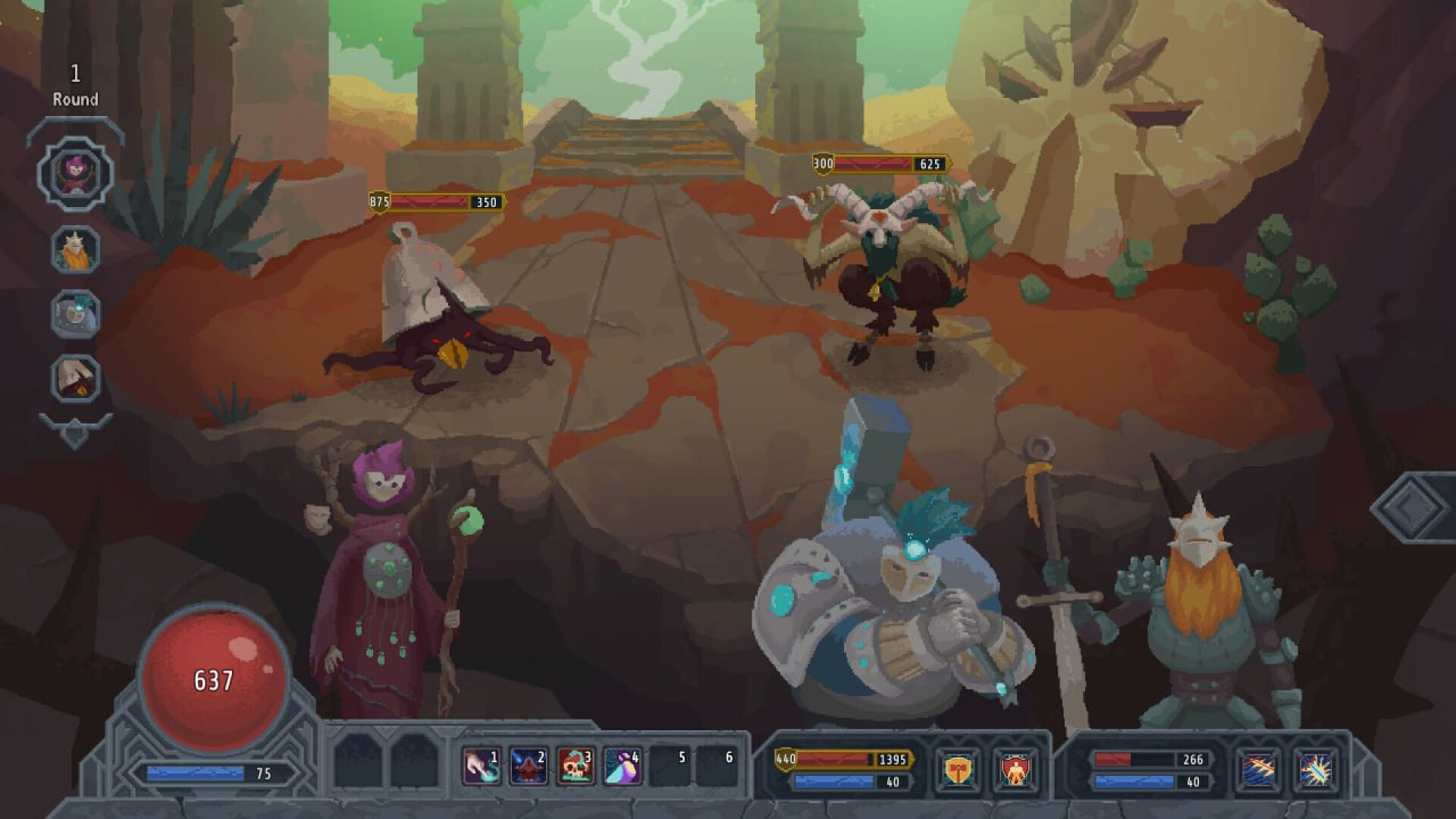
Lootbound hooks you on the moment a cluttered backpack becomes a working build. You roll a path across a dark fantasy map, recruit companions who fight alongside your hero, then spend quiet minutes rotating weapons, armor and trinkets in a freeform grid so that adjacent auras stack the way you want. Combat is turn-based and fully under your control only for the main hero, while companions act on their own scripts, which keeps the planning loop readable even when the screen gets busy. The pitch is simple but sharp: route choice, dice-driven risk and reward, and a build crafted one cell at a time.
What the game actually feels like
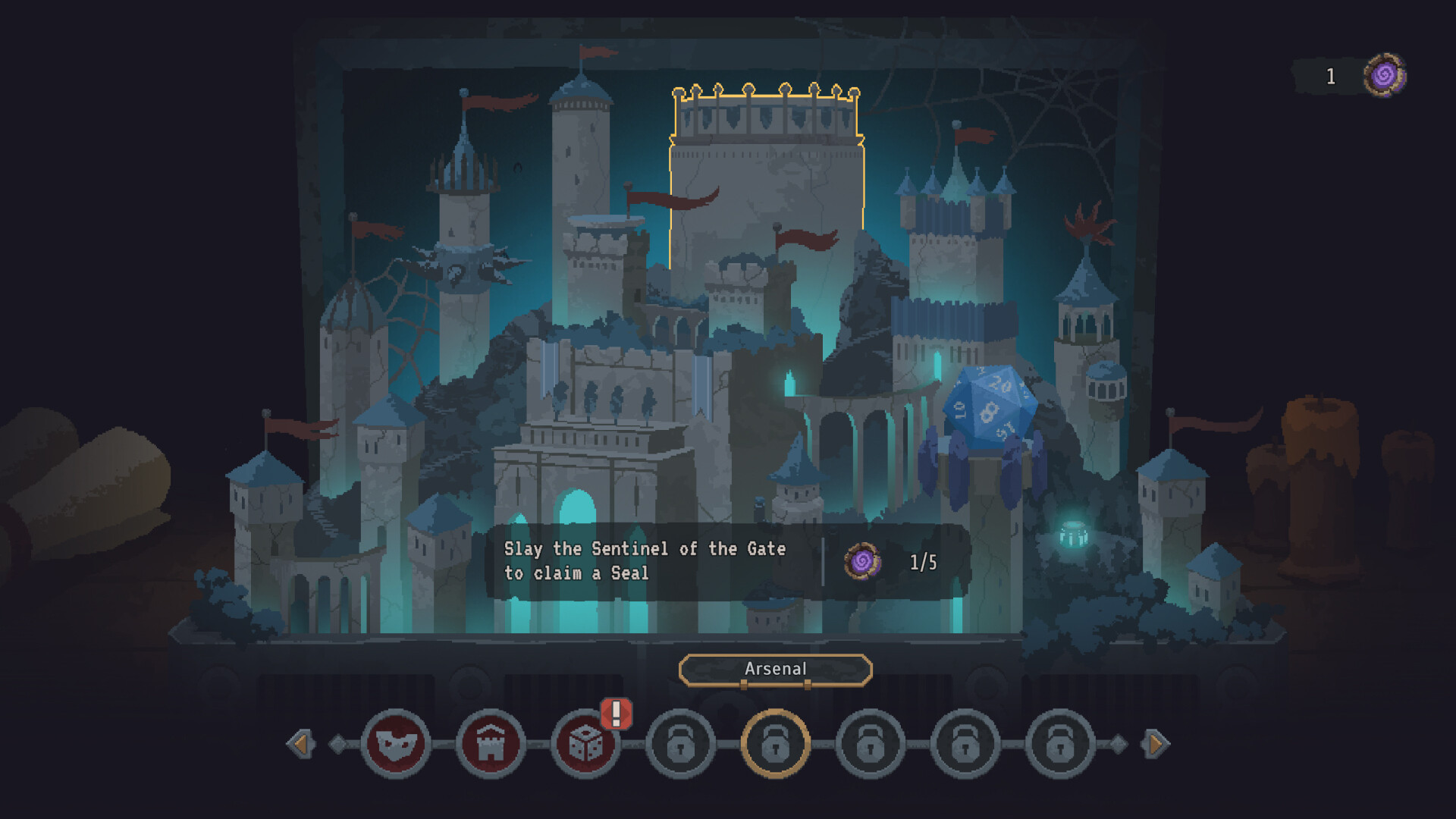
The route-planning layer turns each run into a quiet decision: which path across the map offers the best risk-to-reward, which special rooms you are willing to gamble on, and how aggressively you want to chase elites, shrines and rare dice rewards at the cost of tougher fights.
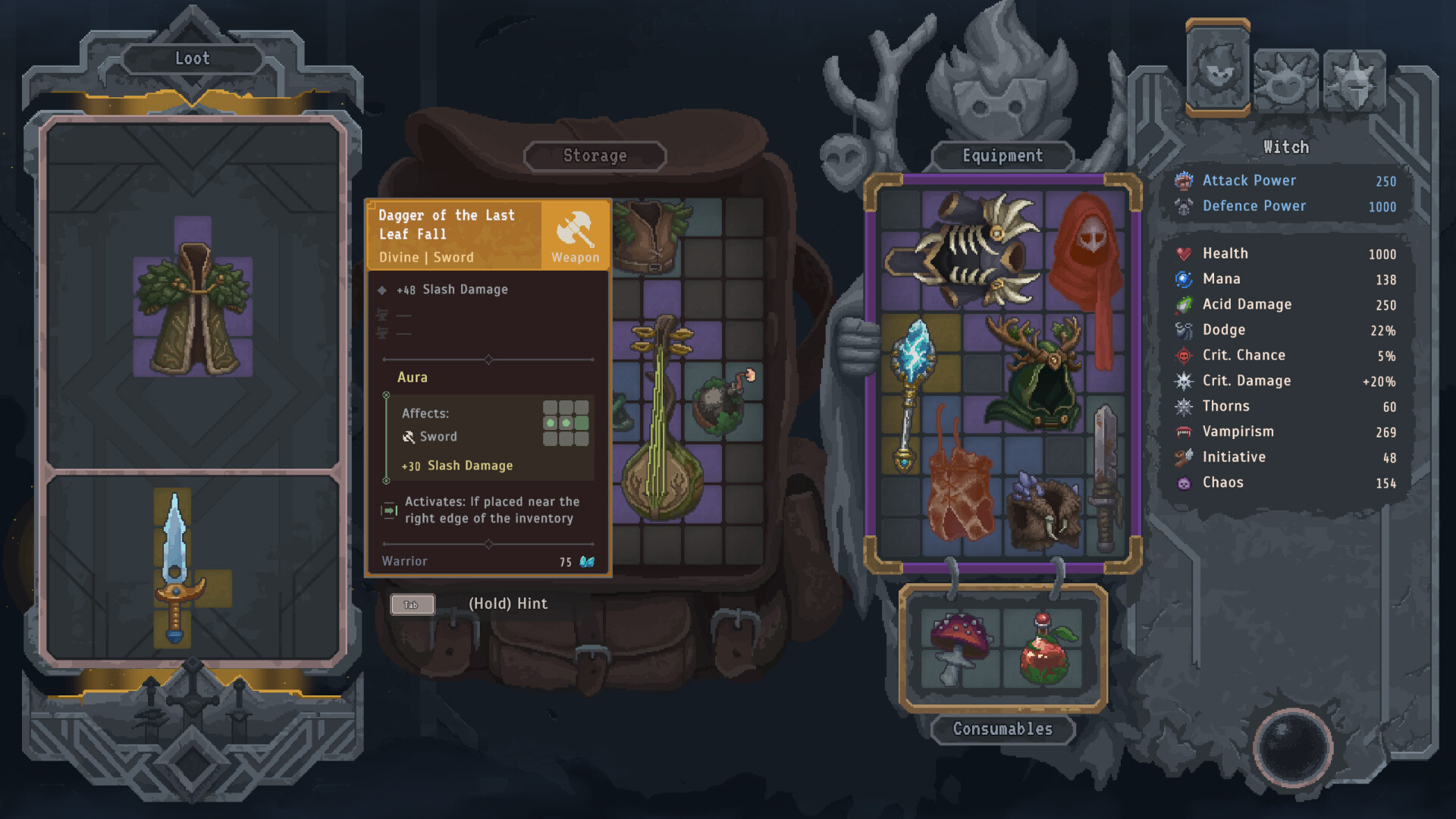
The grid inventory is the real hook. Items have no fixed slots, so you physically rotate and pack weapons, armor and charms into a freeform backpack, then read adjacent cells for aura bonuses that boost the gear next to them; one nudge can transform a mediocre pile into a coherent build, and reviewers consistently describe that exact moment as the game's best payoff.
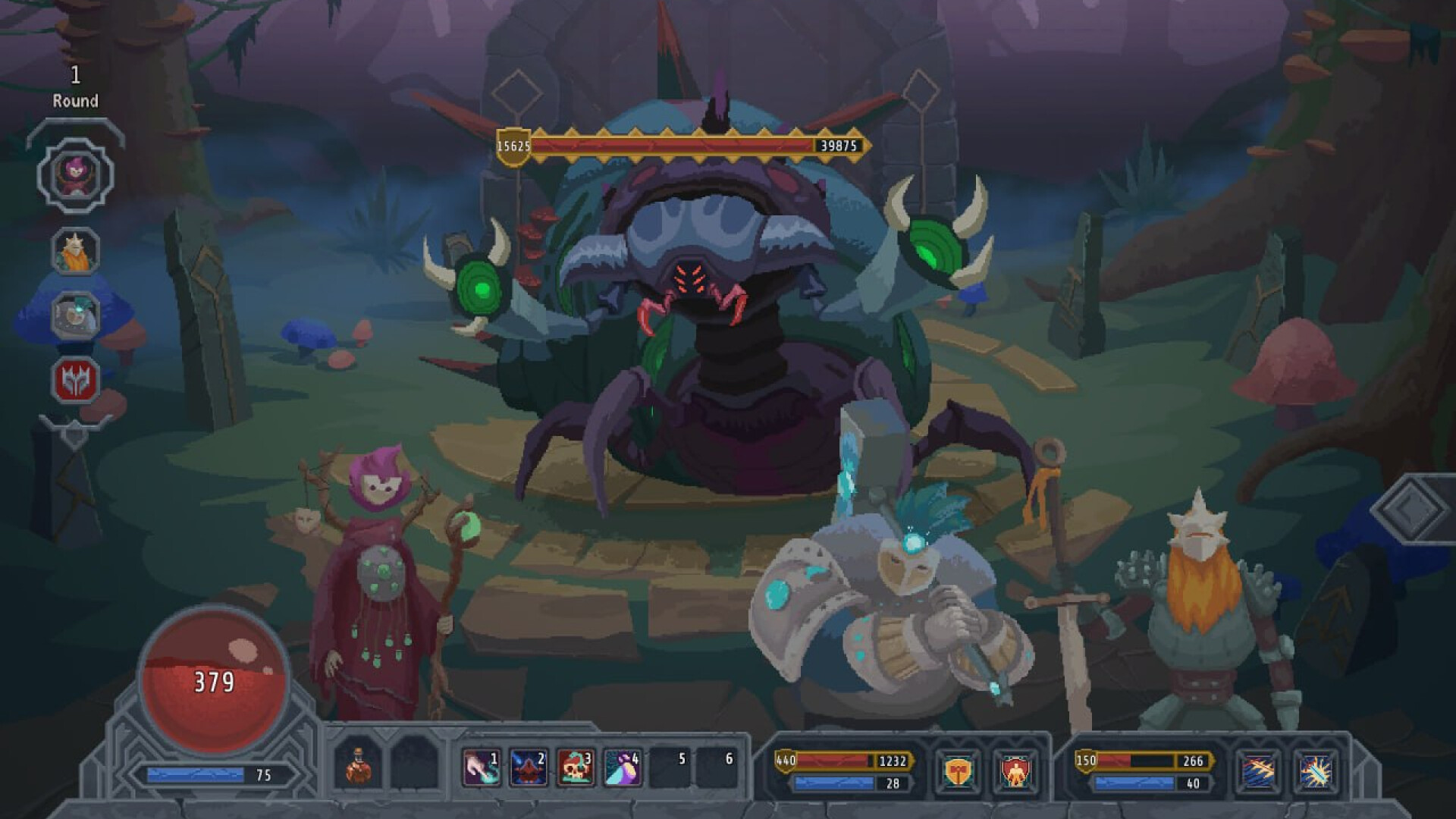
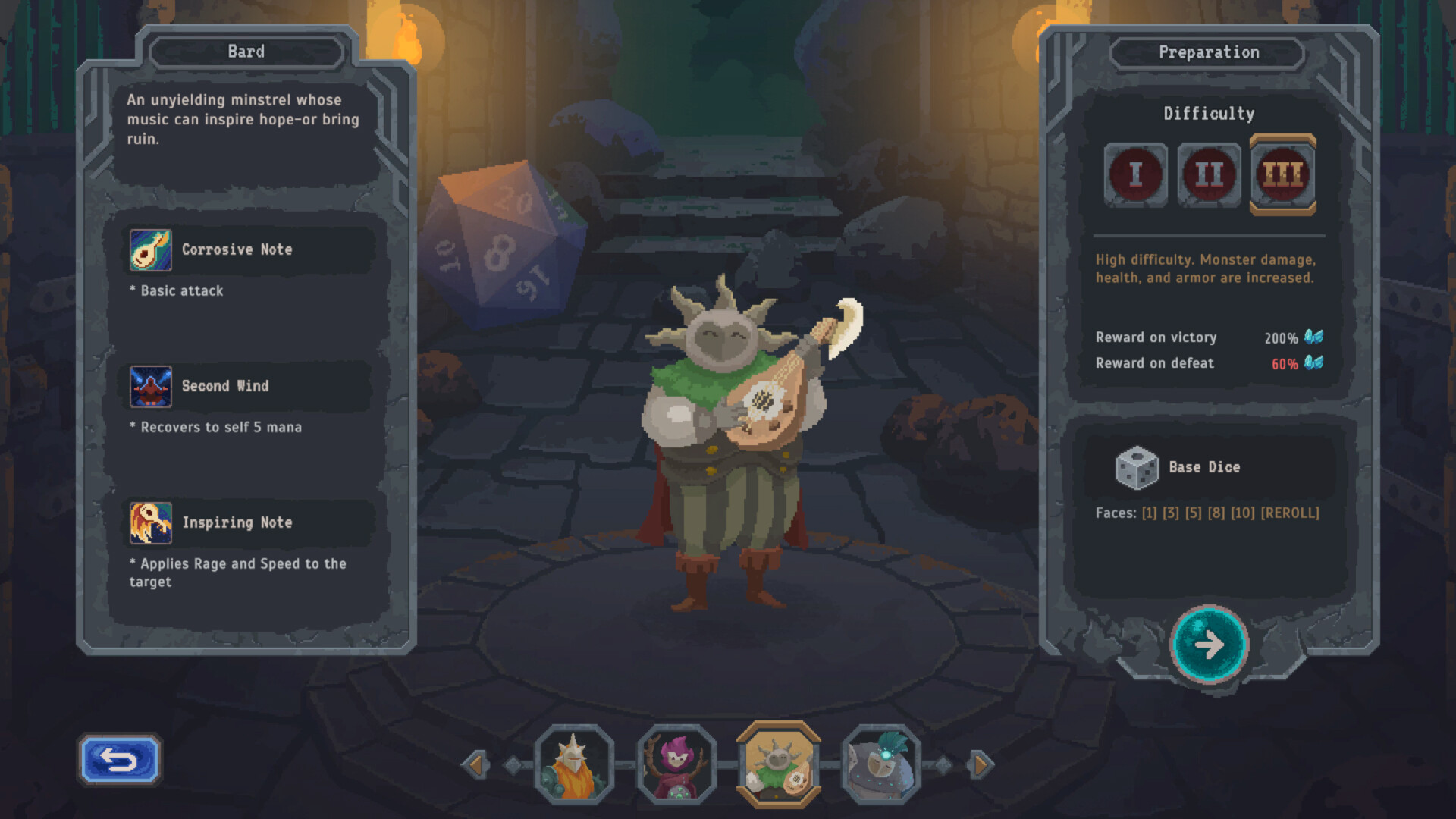
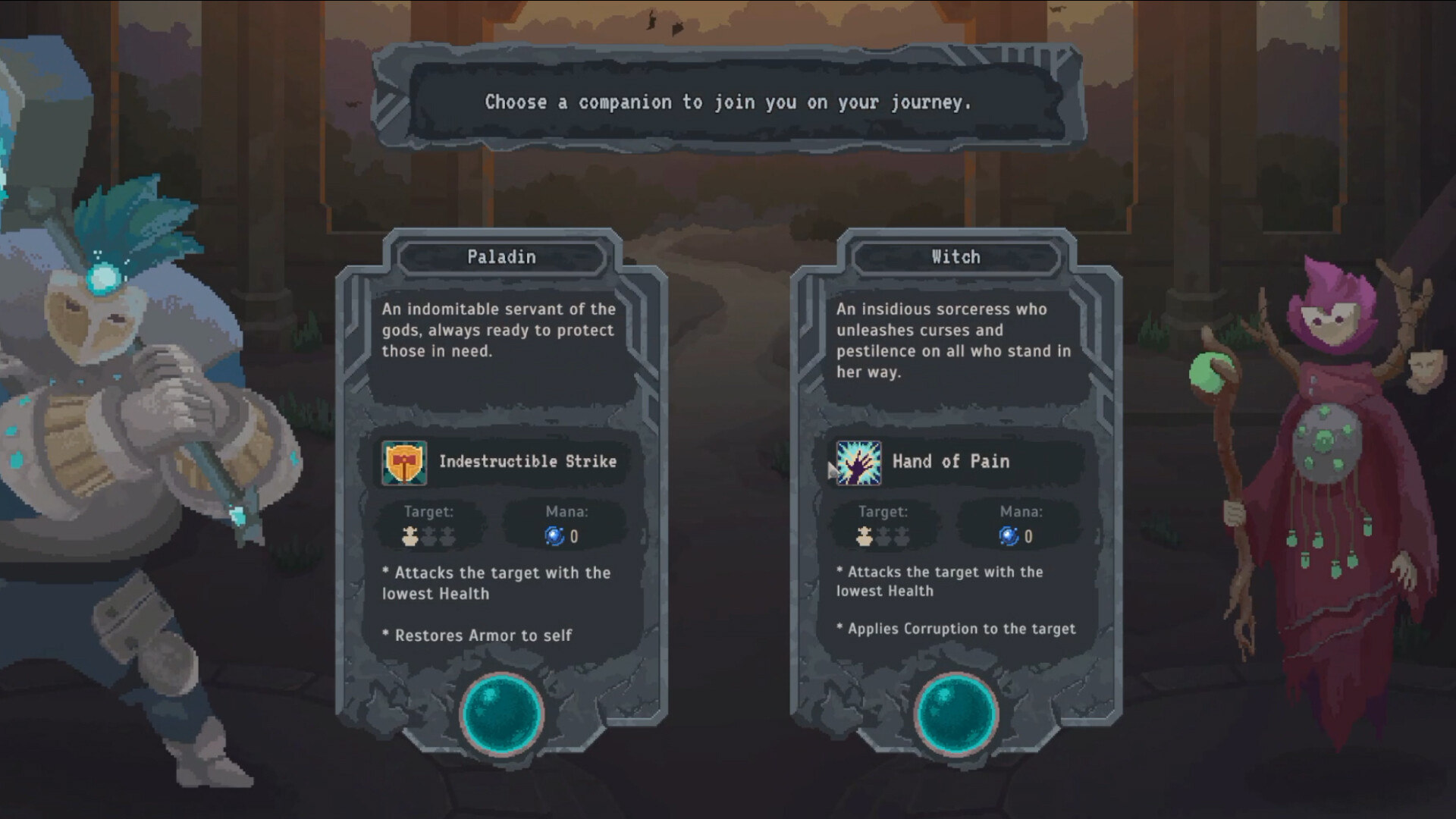
Combat is turn-based and squad-based, but you directly command only the hero. Companions recruited along the way act on their own logic and bring their own stat sheets, so the planning shifts from twitch reactions to deciding who to recruit, what role they fill, and how the party's damage types and auras line up against the enemies in the next biome.
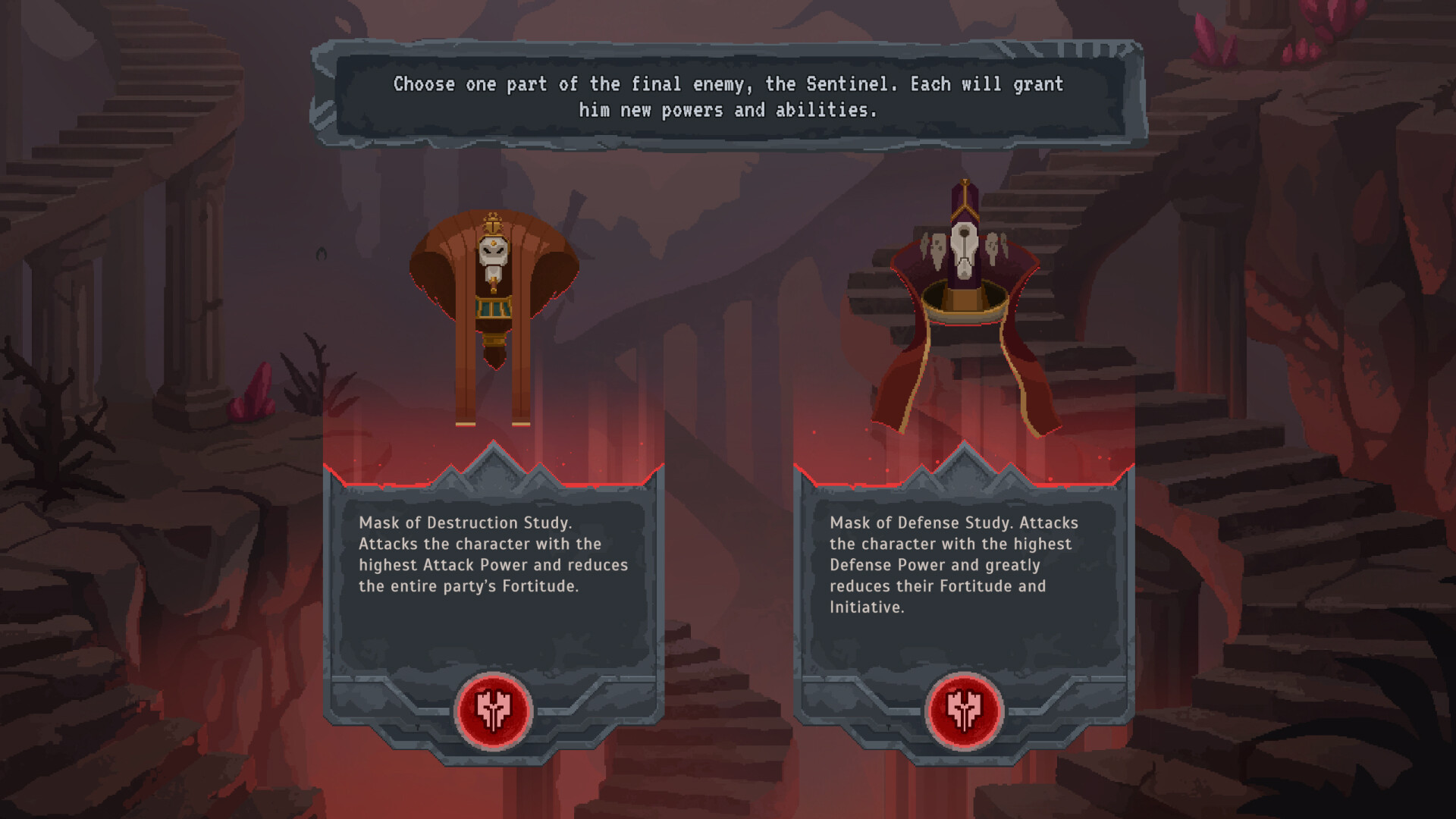
Each biome ends with a choice between two boss parts that change the look and power of your Guardian, and after clearing all biomes you face the final boss. That structure gives the run a clear arc instead of an endless treadmill, which is a relief in a genre that often overstays its welcome.
What early players are seeing
What is landing
- Reviewers repeatedly call out the grid-and-aura inventory as the freshest mechanic in the game, with one player describing spending thirty minutes fitting gear only to be one-shot by a crit and still calling it a great game, which tells you the puzzle loop is doing real emotional work.
- Several long-form reviewers with hundreds of hours say the foundation feels solid, that the art style is striking, that runs feel distinct, and that the heroes gradually merging into a party that interacts in camp gives the campaign a sense of growth rather than a flat reset each run.
- Multiple players confirm the game runs smoothly on Steam Deck despite the Playable rather than Verified label, and praise the launch price as reasonable for the amount of content and the quality of the build-crafting loop.
- Fans of deckbuilders and backpack-management roguelites say Lootbound distills a real D&D flavor without feeling like a Slay the Spire copy, and the recurring line from positive reviewers is that it is its own thing rather than a reskin.
What still needs watching
- The most consistent critical thread across reviews is that the dice RNG can swing harder than your skill expression deserves, especially in early runs, and that some enemies feel overtuned; you should expect to lose runs to bad rolls while you are still learning the systems.
- Quality-of-life and clarity are flagged as works in progress: item, dice and general descriptions are not always obvious, mana regeneration and a few combat interactions feel rough, and several reviewers explicitly say they are waiting on balance patches to address tuning rather than fundamental design flaws.
Is Lootbound worth buying now?
Current decision
Worth tryingAcross more than 675 player reviews the title sits at a healthy positive score, the strongest supported appeal is genuinely novel: a freeform backpack where aura stacking turns inventory puzzles into a build-crafting language, layered over turn-based squad combat and a D&D-flavored dark fantasy run. That hook is concrete enough that recommending a try is honest. The launch price of $14.99 USD is reasonable for the scope, and the Playable Deck status with full controller support means the platform questions are mostly settled. The reason this is a try rather than a must-buy is the visible RNG-and-tuning friction that multiple reviewers, including positive ones, call out as something the team is still polishing, so going in with patience for a few balance updates is part of the deal.
Who this is for
A good fit if you…
- Fans of backpack-and-inventory roguelites like Backpack Hero who want their loadout itself to be the puzzle and not just a stat stick.
- Slay the Spire and dicebuilder enjoyers who want a turn-based run with squad management and D&D-style stats instead of a deck.
- Solo single-player players on PC or Steam Deck who want a slow, deliberate management loop with full controller support and broad localization.
- Players who enjoy punishing roguelites where losing a run to a crit is part of learning the system rather than a sign the game is broken.
- Indie hunters looking for a fresh launch at a sub-fifteen-dollar price with cloud saves, achievements and Family Sharing.
Wait if you…
- You strongly dislike runs being decided by dice rolls or crits, since multiple reviewers say RNG can overpower skill expression in tight fights.
- You want a fully Verified Steam Deck experience rather than Playable, because the page notes some interface text can be hard to read on the Deck screen.
- You expect deep endgame or massive content volume on day one, since reviewers describe the foundation as solid but ask for more content and clearer item descriptions over time.
- You are sensitive to rough edges in balance and quality-of-life, because even positive players are openly waiting on tuning patches.
If Lootbound is not quite your game

SIMILAR OPTION
RimWorld
Choose it ifChoose RimWorld if you want a sprawling, persistent sandbox; choose Lootbound if you want short, replayable runs built around aura stacking and squad builds.
How it comparesSingle-player colony and squad management under uncertainty RimWorld is a long-form colony simulator where an AI storyteller weaves psychology, ecology and relationships across an ongoing settlement, while Lootbound is a run-based roguelite that resets every attempt and focuses on inventory puzzles and turn-based combat rather than persistent base building.
SIMILAR OPTION · 20% OFF
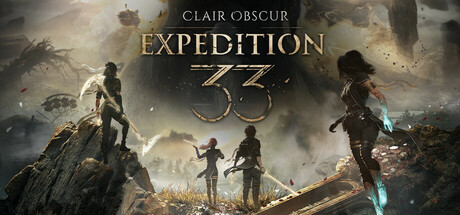
Clair Obscur: Expedition 33
Choose it ifChoose Expedition 33 if you want a cinematic, story-driven RPG journey; choose Lootbound if you want a replayable, cheaper tactics game focused on build craft.
How it comparesTurn-based RPG combat with party members and a dark fantasy tone Clair Obscur: Expedition 33 is a narrative-driven, real-time-flavored turn-based RPG set in a Belle Époque-inspired world with a single sweeping campaign and high production values, whereas Lootbound is a lower-priced roguelite whose runs repeat and whose appeal is systemic rather than story-led.
SIMILAR OPTION
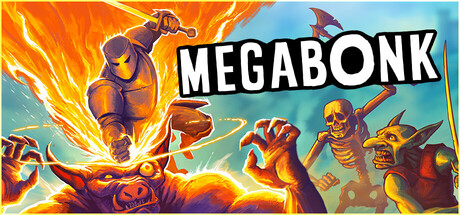
Megabonk
Choose it ifChoose Megabonk if you want twitch action and escalating chaos; choose Lootbound if you want a quieter, more puzzle-like tactics roguelite with D&D flavor.
How it comparesRoguelite structure with loot-driven character growth Megabonk is a fast, action-oriented endless survival roguelite about smashing hordes and stacking absurd power, while Lootbound is slower, turn-based, and built around grid inventory and squad auras rather than real-time combat.
Share this article