Field trials at the Haerwusu mine

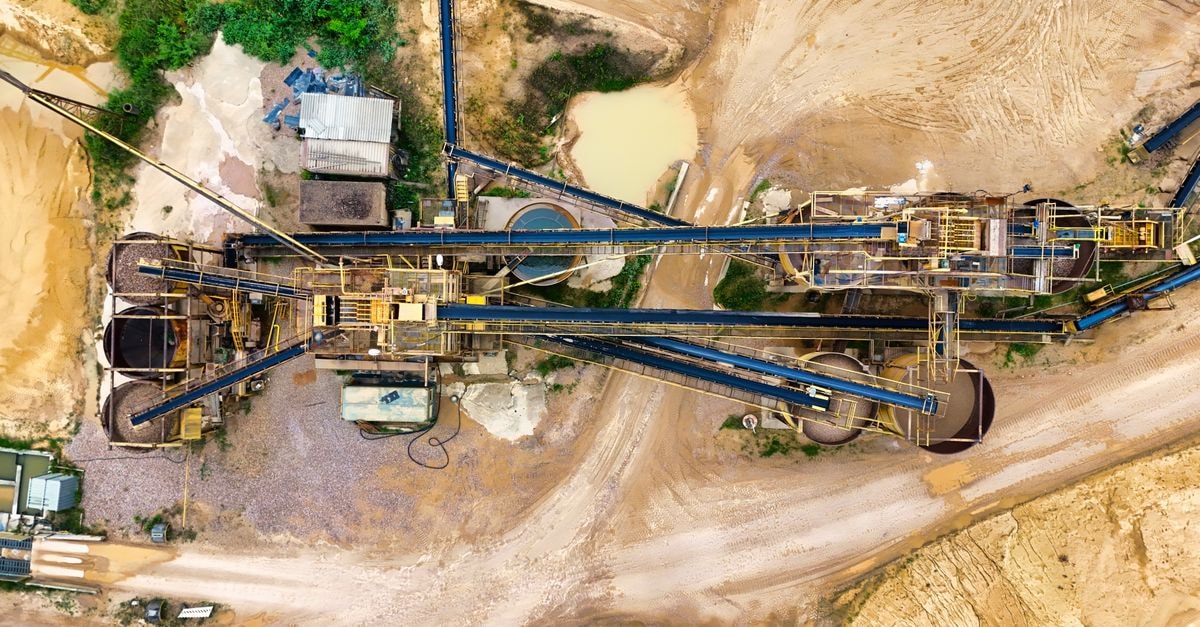
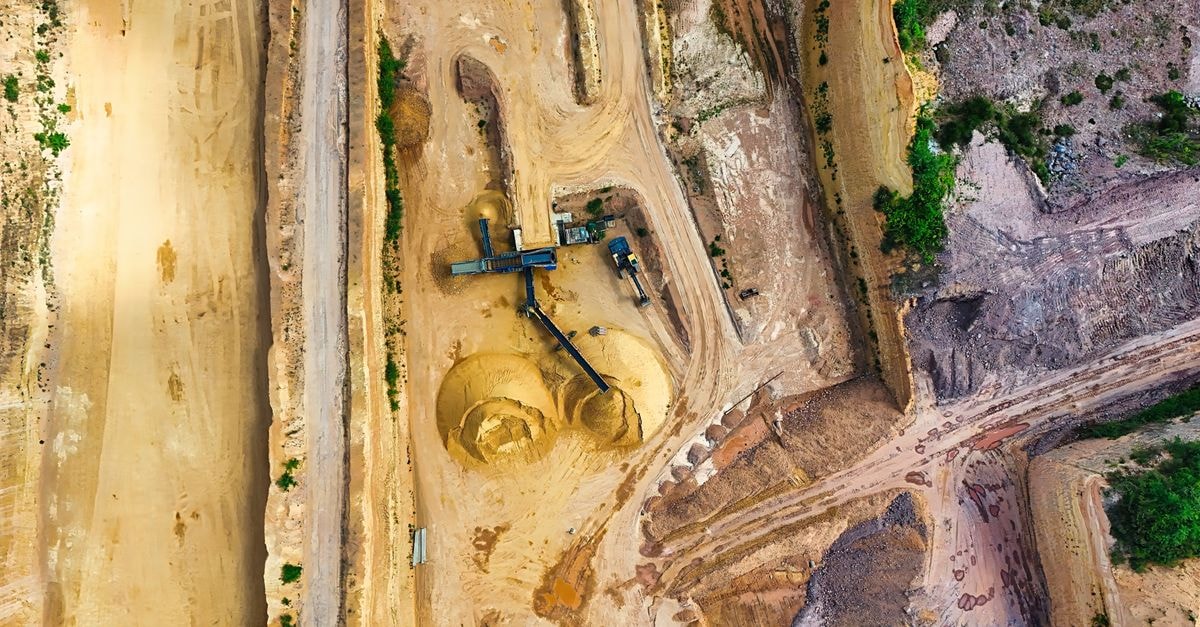
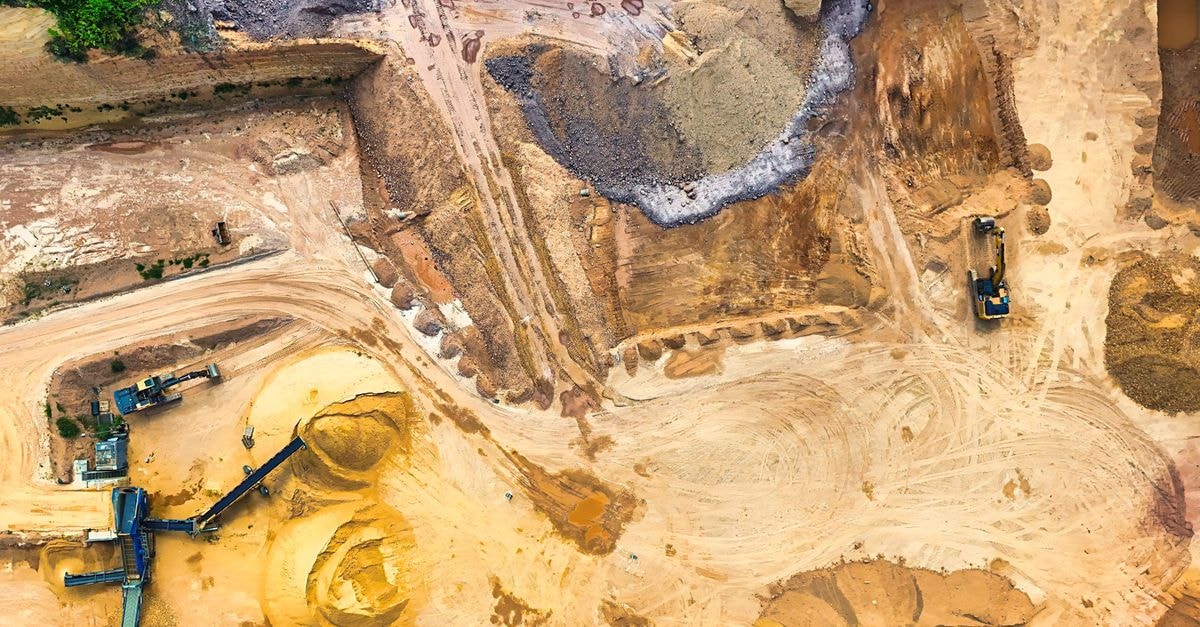
Chinese researchers have tested a molasses-based dust suppressant at the Haerwusu Open-Pit Coal Mine in Inner Mongolia, targeting airborne particles generated on haul roads by heavy mining vehicles. The work was reported in coverage dated 22 July 2026, with researchers framing the method as an alternative to conventional water-based dust control in open-pit operations.
Composition and mechanism
The mixture is built around molasses, whose high sugar content binds fine dust particles together. According to the research team, the spray is applied directly to haul road surfaces; once the water component evaporates, it leaves behind a protective layer that limits the amount of dust kicked up by passing trucks and equipment.
Reported field performance
The researchers reported distinct outcomes by scale. In small-scale trials, treated road sections remained dust-free for three days. In larger tests involving heavy-tonnage trucks operating under heavy-traffic conditions, effective dust control was maintained for more than six hours.
Potential advantages in arid conditions
The team said the method offers particular benefits for mines operating in hot, dry climates, where conventional water suppression is constrained by water availability. Reduced water consumption for dust control could lower operational costs and ease pressure on local water supplies, according to the researchers cited in the reporting.
Next steps and related research
Further field trials are planned to test the system at other mining sites, the team said. Separately, an AZoMining study published on 21 July 2026 mapped water-conducting fracture zones during repeated coal mining, addressing a related environmental challenge in underground extraction.
Share this article