Catch up on the essentials
- BHP’s latest quarterly operating update points to stronger iron ore execution offsetting weakness in copper, rather than signaling a company-wide production reset.
- BHP’s total iron ore production rose 3.7% year on year to 66.5 million tonnes from 64.1 million tonnes.
- The average realized copper price increased 53% to $7.01 per pound from $4.59, but production declined because of planned grade declines, scheduled maintenance, severe weather in Chile, safety stops, and a conveyor failure at Carrapateena.
Selected from this article · 2026-10-20
Read on for the full pictureBHP’s latest quarterly operating update points to stronger iron ore execution offsetting weakness in copper, rather than signaling a company-wide production reset. The three months ended September 30 were the first quarter of BHP’s 2026-27 financial year.
Iron ore output increased
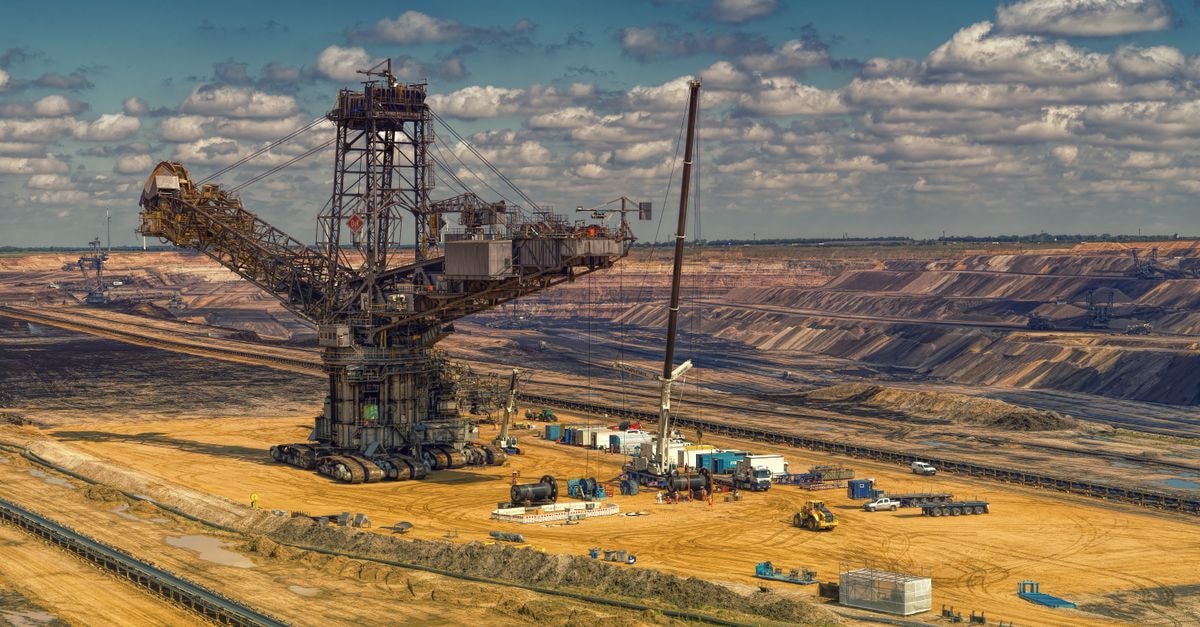
BHP’s total iron ore production rose 3.7% year on year to 66.5 million tonnes from 64.1 million tonnes. Its average realized iron ore price, however, fell 9.2% to $76.27 per wet metric tonne from $84.04 in the same quarter a year earlier. That combination means the volume increase did not translate into an equivalent improvement in realized pricing.
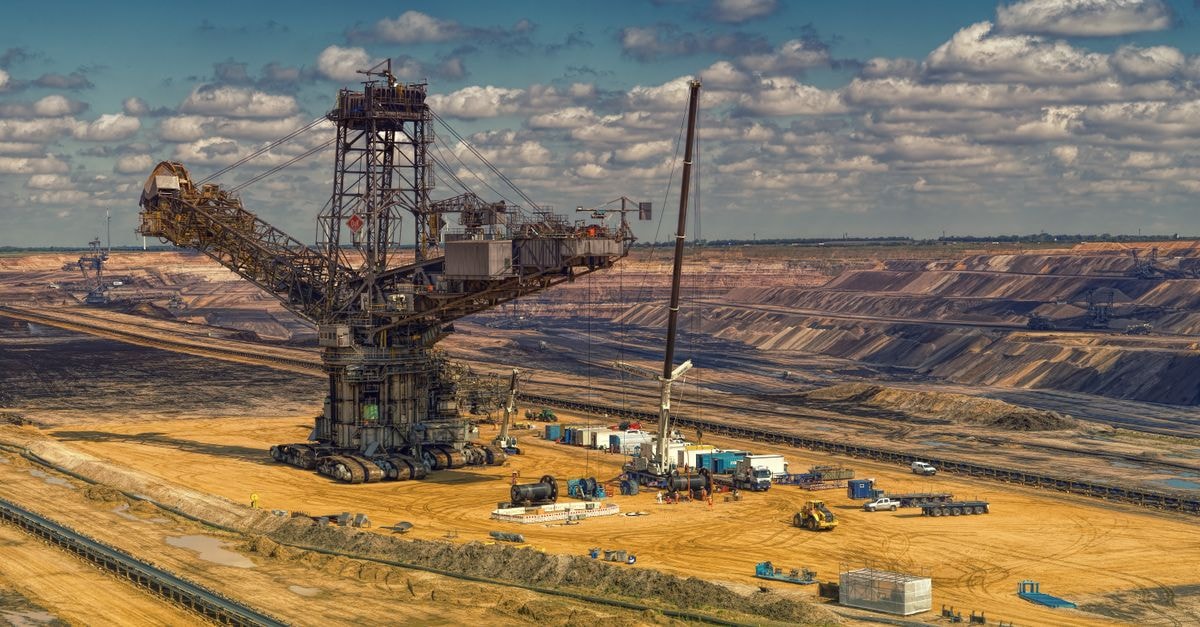
Western Australian Iron Ore attributable production increased 4% year on year to 64.3 million tonnes, while 100%-basis output rose 2% to 71.9 million tonnes. BHP attributed the performance to strong mine, rail, and port operations despite significant planned maintenance. Output nevertheless declined 3% from the preceding quarter, partly because the rebuild of Car Dumper 4 at Port Hedland reduced production by approximately 1.4 million tonnes on a 100% basis. The rebuild was reported as about 40% complete and scheduled for completion in the first half of the financial year.
Copper weakness remained material
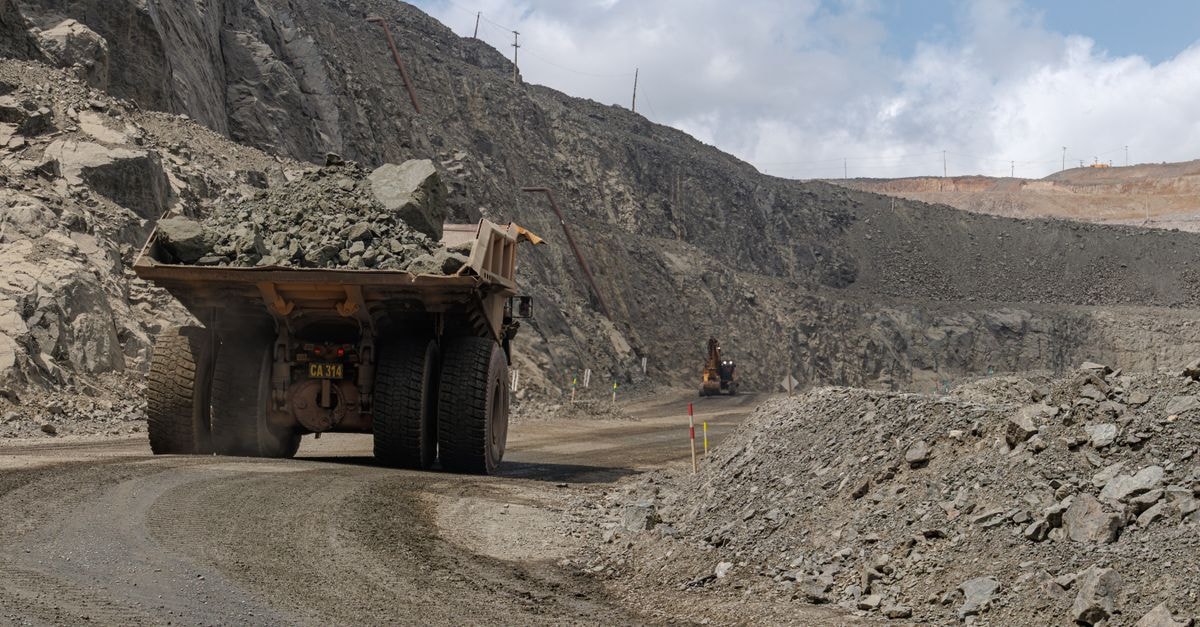
BHP’s total copper production fell 19% year on year to 400,700 tonnes from 493,600 tonnes. The average realized copper price increased 53% to $7.01 per pound from $4.59, but production declined because of planned grade declines, scheduled maintenance, severe weather in Chile, safety stops, and a conveyor failure at Carrapateena.
Copper sales were also lower: Morningstar reported fiscal 2027 first-quarter copper sales of 307,000 tonnes, down 5% year on year and 13% quarter on quarter. BHP did not change its full-year production guidance, according to the reports.
Guidance remained unchanged
BHP’s total iron ore production guidance stayed at 260-272 million tonnes for fiscal 2026-27. Western Australian Iron Ore guidance remained 253-264 million tonnes on an attributable basis, equivalent to 286-298 million tonnes on a 100% basis.
The next operational checkpoint is completion of the Port Hedland Car Dumper 4 rebuild in the first half of the financial year. The available reports do not establish new procurement, supplier orders, or additional mining capacity beyond the stated guidance and rebuild schedule.
Related industries and supply products
Industry / product or service | Evidence level | Event connection | Verification signal | Main risk |
|---|---|---|---|---|
Bulk commodities / iron ore production | confirmed | BHP reported higher WAIO output and unchanged guidance | Follow-up quarterly production and guidance | Lower realized prices |
Mining infrastructure / port equipment | confirmed | Car Dumper 4 rebuild affected Port Hedland output | Rebuild reaches completion in the first half of FY2026-27 | Maintenance and equipment delays |
Copper mining | confirmed | BHP reported lower copper production amid disruptions and grade decline | Next quarterly copper production and sales | Operational disruptions and lower grades |
No procurement has been confirmed.
Share this article