A Test framed by record-setting Japanese heat

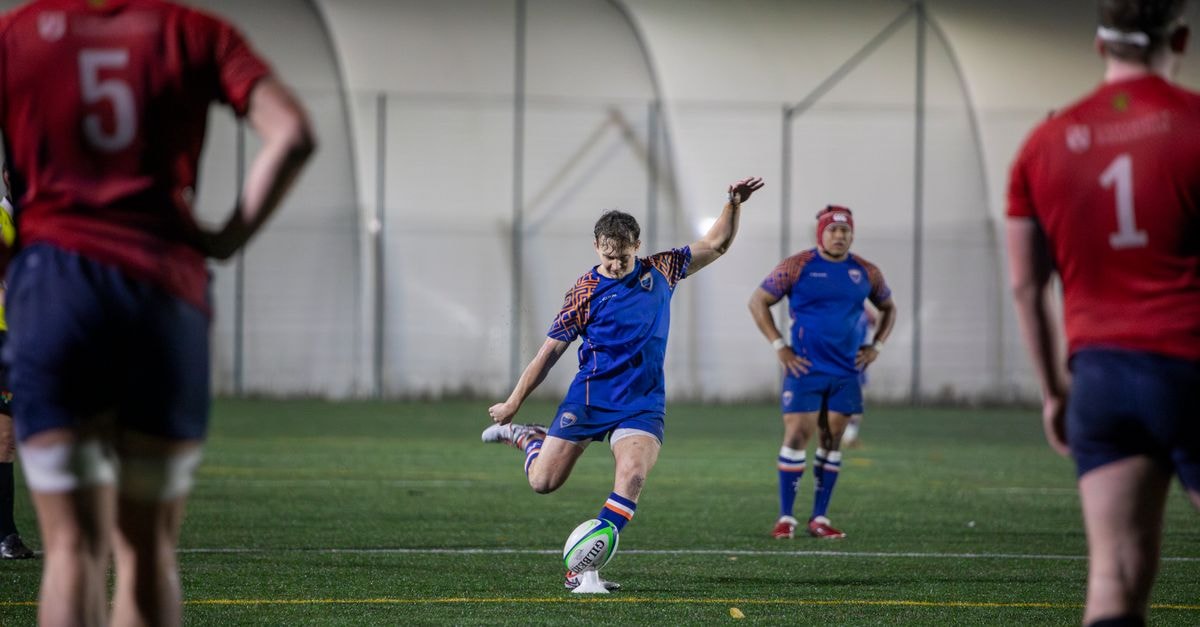
Australia's Wallabies arrived in Osaka to prepare for a Test against Eddie Jones' Japan, with the country in the grip of a heatwave that the Japan Meteorological Agency has begun formally labelling "kokushobi," or "cruelly hot day," a new classification introduced in April for temperatures above 40 degrees. Osaka reached 37 degrees as the squad held its first training session, with forecast highs through the week and overnight temperatures still in the high 20s, and the oppressive high-pressure system is expected to last at least through Sunday.
Adapting training around the conditions
Wallabies officials have shortened sessions, added water breaks and used active cooling between drills, with a more intense day planned for Tuesday. Assistant coach Nasser framed the approach as acceptance rather than alarm, noting both teams face the same fatigue risk while pointing to the side's annual fixture in Fiji as a reference point for managing extreme conditions.
World Rugby heat guidelines in the background
The forecast has placed the Saturday match under the shadow of World Rugby's heat-stress protocols, which treat conditions below 30 degrees and 60 percent humidity as acceptable and assign a Heat Stress Index score; readings between 100 and 250 trigger additional cooling measures, while a score of 250 or above can lead to delays or suspension. Organisers have not indicated any change to the fixture.
McLeod's mandate: defend by taking the ball
New defensive coach Scott McLeod, who joined Les Kiss' staff from the All Blacks set-up and finished his playing career at Toshiba Brave Lupus, has prioritised forcing turnovers ahead of his Japan debut. He pointed to the Wallabies leading the July leg of the Nations Championship with 12 ruck turnovers in three matches, double Japan's tally in the same window, as evidence the group can hunt the ball.
Reading Japan's shift in game management
McLeod said Japan under Eddie Jones are running flatter and more directly, and that they have kicked the second-most of any side in 2026, a change he described as a notable evolution in their game management. He identified continuity, lightning-quick ball and multi-phase build-up as Japan's core attacking traits, areas the Wallabies defence is targeting to disrupt before Japan can launch the kicking game.
What to watch next
Saturday's Test in Osaka will be the first measurement of whether the Wallabies' turnover-focused defence can translate against a kick-heavy Japan, and whether conditions push the Heat Stress Index into the range that forces World Rugby-mandated interventions.
PLACES IN THIS STORY
Explore the destinations behind this report
Japan
Osaka
Browse travel guides, places to stay, attractions and local food in Osaka.
Explore Osaka →Osaka Travel Guide: Things to Do and Eat in Japan's Kitchen CapitalShare this article